
National News
Four-Person Custom Bicycle Challenges Australia in Charity Ride

According to ABC News on October 3, 2025, a custom four-person bicycle named Ruby has recently captured the attention of Australia’s cycling community. Four female teachers are riding the bike from Perth in Western Australia to Sydney, covering more than 4,000 kilometers to raise funds for the suicide prevention charity Gotcha-4-Life.
Ruby was designed and manufactured by a company in Oregon, USA. It measures 3.8 meters in length, weighs 33 kilograms, and features four seats, eight pedals, and a 22-speed gear system controlled by the rider at the rear. Its wheels have a special 40-spoke design to distribute the weight from four riders pedaling simultaneously, ensuring stability.
The bike was originally used in a 2023 charity cycling race in Canada and is extremely rare, with only a few in the world. Due to its large size and unique structure, Ruby faces numerous challenges while riding. Louise Ginn, riding in the front, said that turning is difficult due to the large turning radius, and crosswinds are hard to control, requiring full-body tension to maintain balance. The four-person design means each rider’s position affects the others, so they typically do not switch seats.
Maintenance during the long journey is also challenging. Ginn said they have already replaced three rear wheels, and the chain and gears have been damaged by the combined pedaling effort. One spoke even broke. Many bike shop technicians were surprised and unsure how to repair such a rare bike, sometimes needing to move it outside the shop for repairs.
This cross-country charity ride tests the riders’ endurance while attracting public attention. The four teachers hope that Ruby’s unique appearance and the long-distance challenge will raise awareness and support for suicide prevention.

Daily News
NDIS Plans to Be Computer-Generated

Daily News
Victorian Government U-Turns, to Criminalize “Coercive Control”

National News
Victoria Police Admit Eight Years of Illegal Weapons Searches

A Short Break Before Continuing the Journey
A Glimmer of Hope Amid Disaster
Tai Po Inferno Was a Man-Made Disaster
One Year Countdown: Support for Both Major Parties Declines – Where Is the 2026 Victorian Election Heading?

Southeast Asia Floods Leave More Than 1,300 Dead

Fraudulent ivermectin studies open up new battleground

Cantonese Mango Sago
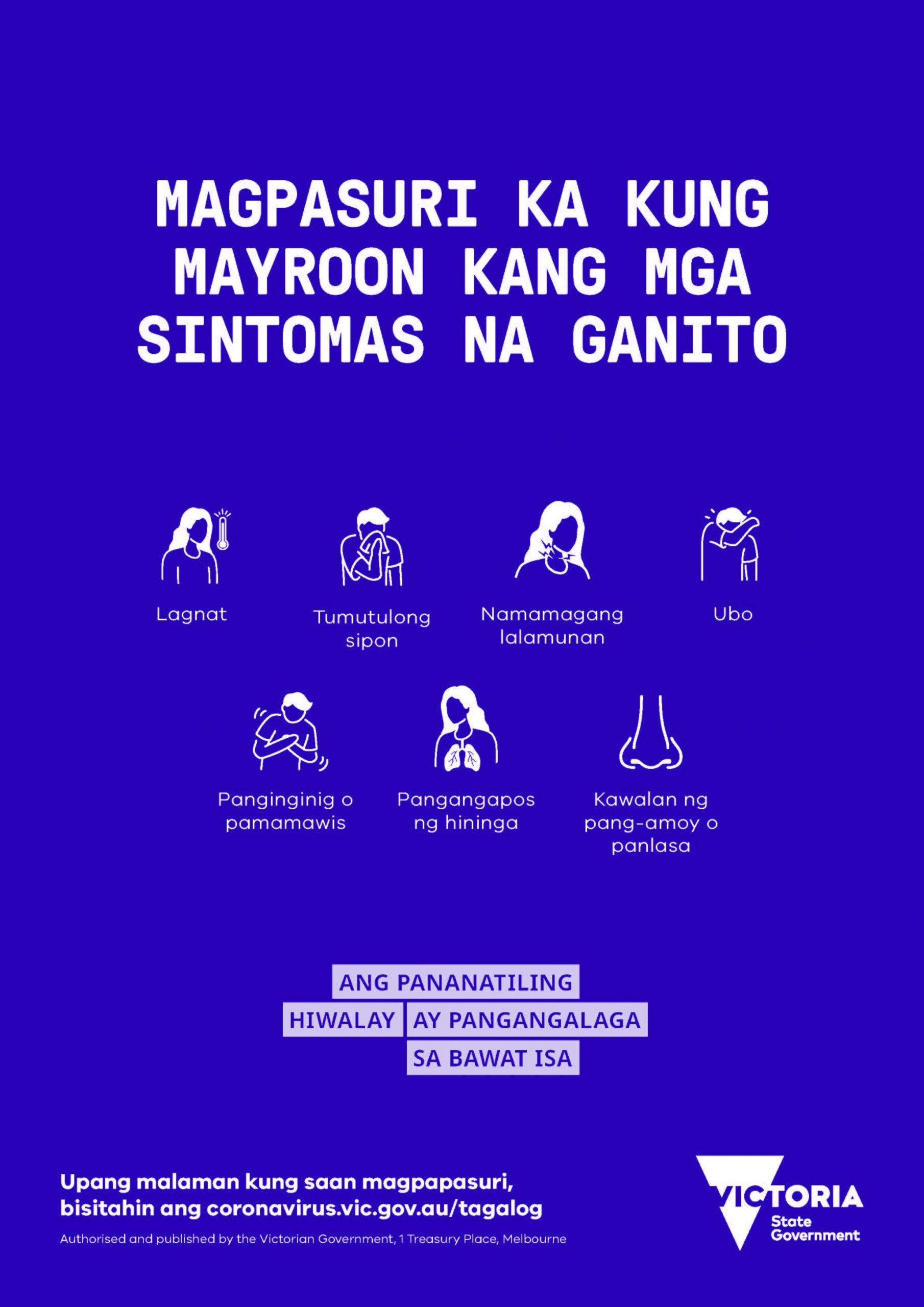
FILIPINO: Kung nakakaranas ka ng mga sumusunod na sintomas, mangyaring subukan.
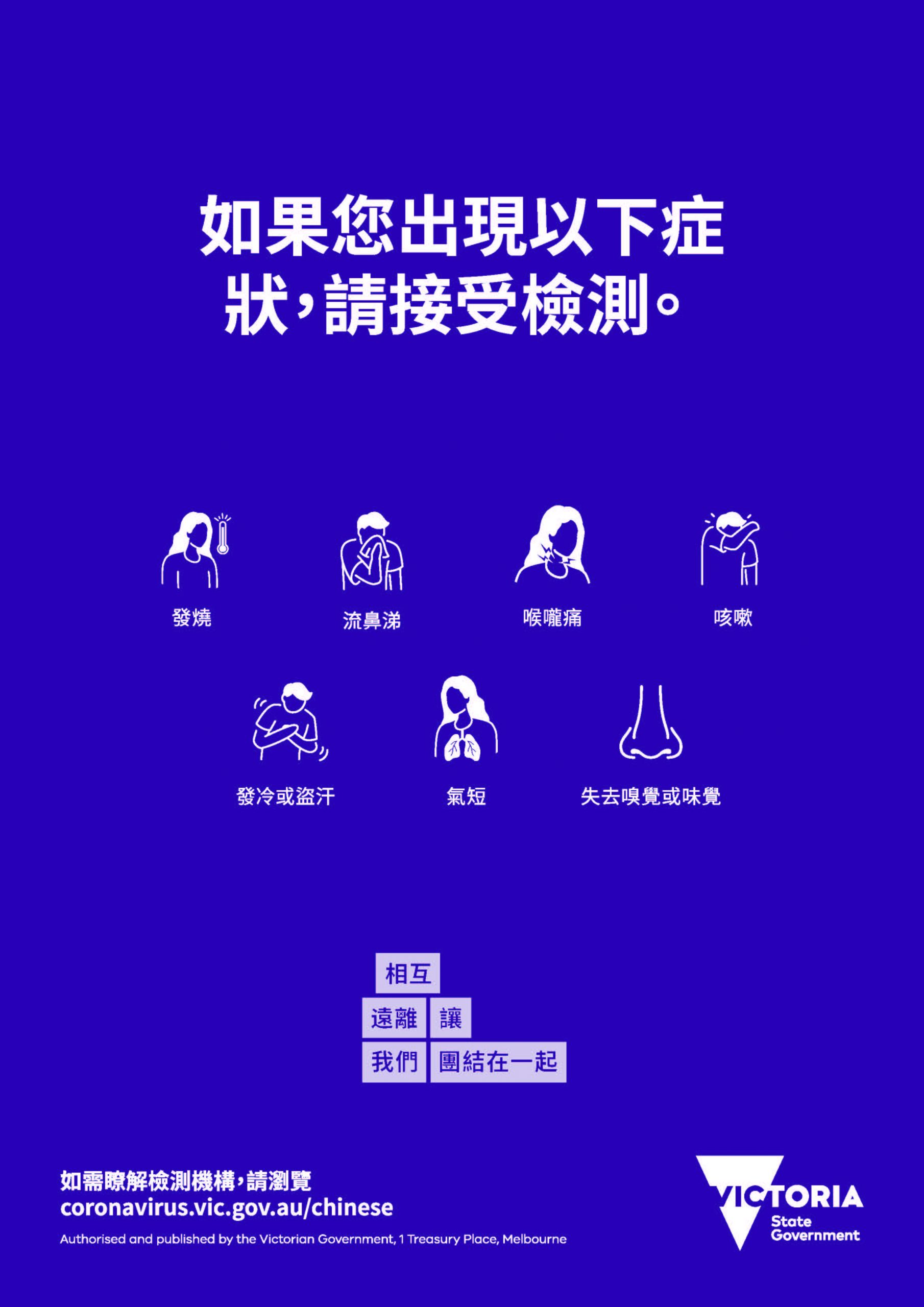
如果您出現以下症狀,請接受檢測。
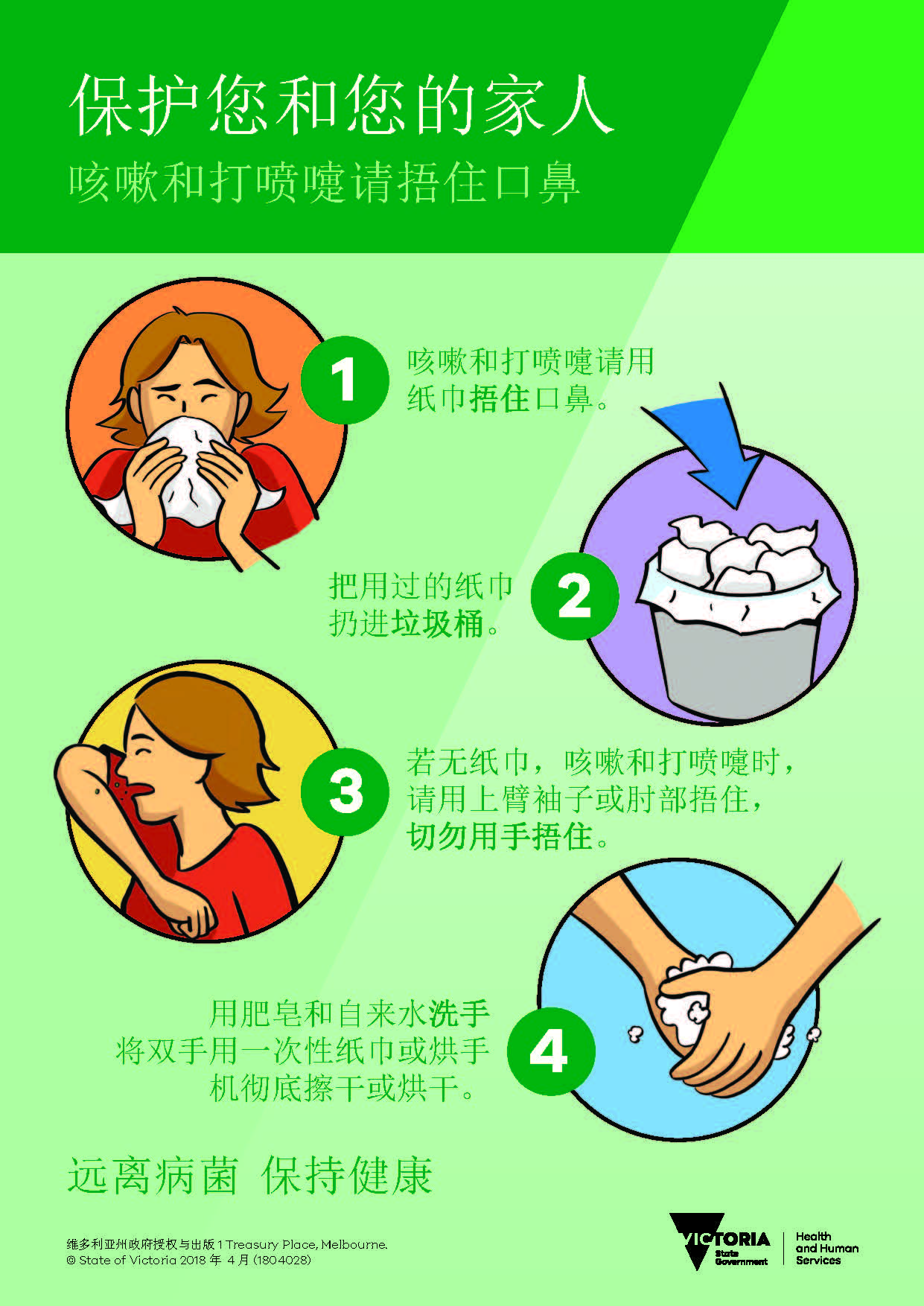
保护您自己和家人 – 咳嗽和打喷嚏时请捂住
Southeast Asia Floods Leave More Than 1,300 Dead

US–Russia Talks Fail to Yield Results; No Progress in the Russia–Ukraine War

Chinese Beverage Chains Flood Into Hong Kong and Other Global Cities

NDIS Plans to Be Computer-Generated

China and Russia Jointly Pledge to Firmly Resist Japanese Militarism
-
 COVID-19 Around the World4 years ago
Fraudulent ivermectin studies open up new battleground
-
 Cuisine Explorer5 years ago
Cantonese Mango Sago
-
Tagalog5 years ago
FILIPINO: Kung nakakaranas ka ng mga sumusunod na sintomas, mangyaring subukan.
-
Uncategorized5 years ago
如果您出現以下症狀,請接受檢測。
-
Cantonese - Traditional Chinese5 years ago
保护您自己和家人 – 咳嗽和打喷嚏时请捂住
-
 Uncategorized5 years ago
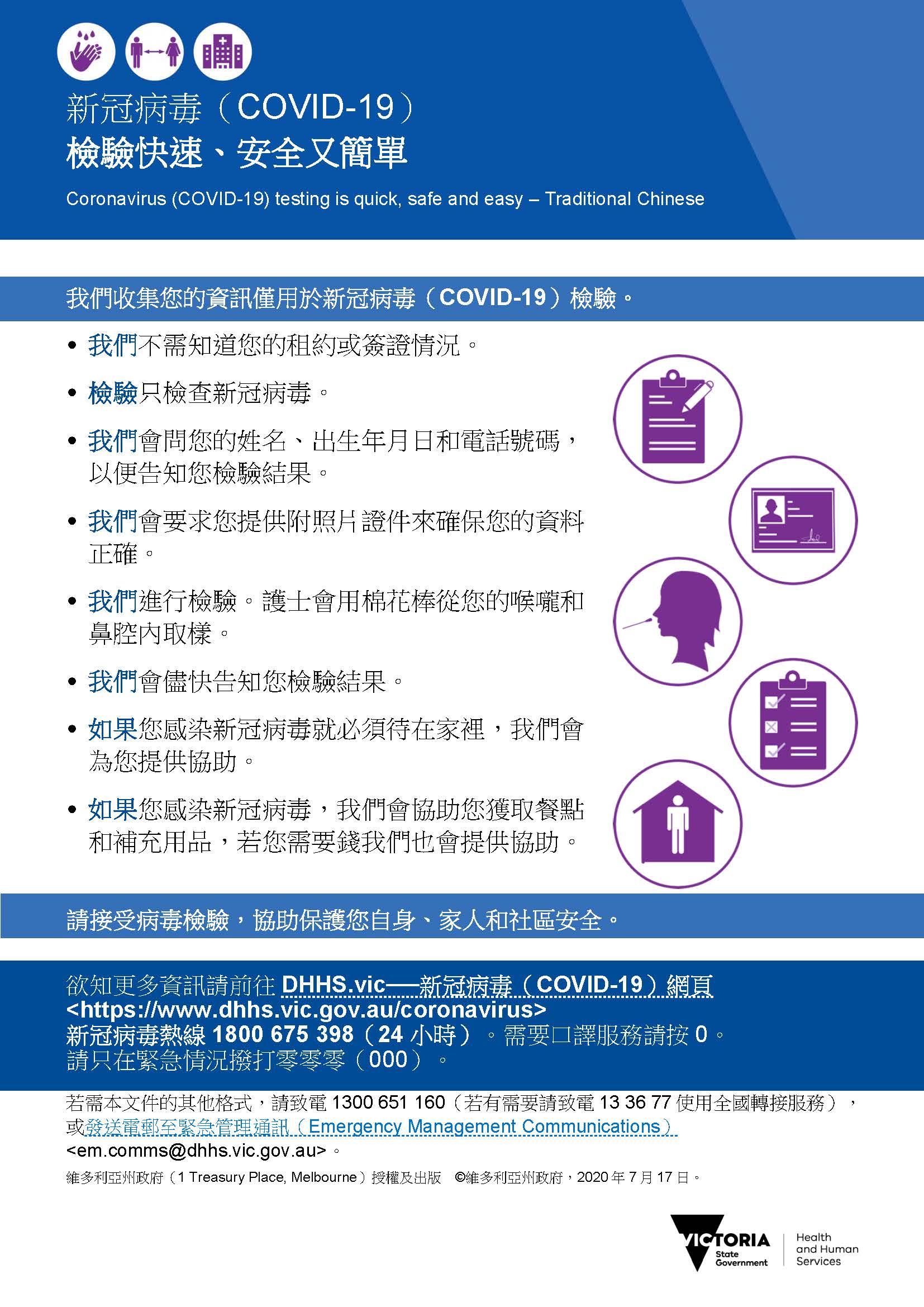
COVID-19 檢驗快速 安全又簡單
-
 Uncategorized5 years ago
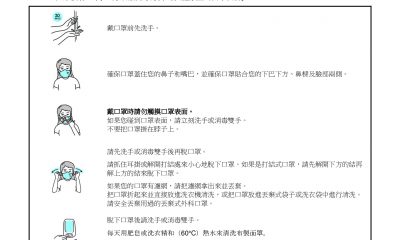
How to wear a face mask 怎麼戴口罩
-
Uncategorized5 years ago
在最近的 COVID-19 應對行動中, 維多利亞州並非孤單
