
Features
The autistic youth who booed the national anthem was sentenced to jail

19 mins audio
Article/Blessing CALD Editorial;Photo/Internet

Recently, a news story drew attention to the fact that a 21-year-old autistic youth in Hong Kong was sentenced to eight weeks in prison for insulting the national anthem after he repeatedly raised his thumb upside down to make booing noises and sang an English song during the playing of the Chinese national anthem. This has led people to question the degree of protection for the disabled in Hong Kong, and whether reasoning outside the law should have been reflected in the case.
In pre-2019 Hong Kong, law enforcers seldom paid any attention to the ‘offence’ of insulting a disabled person, and most of them would just give a warning, and no one would even think of taking the case to court. No one ever thought that the case would be brought to court, and no one ever thought that a disabled person would be convicted and sentenced if the case was brought to court. The Hong Kong Government’s handling of this case today highlights the fact that Hong Kong is now a society ‘ruled by law’.
Conviction for insulting the national anthem
In June last year, during the World Women’s Volleyball League match at the Hong Kong Coliseum, an autistic and hyperactive young man, Chan Pak Ei, was accused of publicly and intentionally insulting the national anthem by booing, clenching his fists with his thumbs down, sitting down and covering his ears with both hands, and singing a song from the musical Les Misérables, ‘Do you hear the people sing? The Defendant’s behaviour at the time of the incident was videotaped by the off-duty Chief Inspector who was with him. The defendant’s behaviour during the incident was recorded by the off-duty Chief Inspector, who cautioned him that ‘I don’t like the Chinese team and the Chinese national anthem, so I just sing other songs and I don’t want to get up’.
During the trial, the defence pleaded that Chan was diagnosed with autism and Attention Deficit Hyperactivity Disorder (ADHD) when he was six years old, and that he was now remorseful and had reflected deeply on his actions and clearly understood the consequences. The defence cited an Australian case that mentally ill persons are entitled to a discounted sentence, saying that they know that their actions are wrong but do not know the seriousness of the consequences, that the deterrent effect is not applicable to mentally ill persons, and that mentally ill persons are subjected to a greater mental impact than the general public, and that it is hoped that the court would take into consideration that the defendant’s offence was short-lived and the number of people who witnessed it was small, and that he could be given a suspended sentence.
However, this plea of the defence did not have much effect on the outcome of the trial. Magistrate Lam Tze Hong said that the Defendant had no genuine remorse and did not see the basis for a suspended sentence. Moreover, the Defendant had stopped taking his medication two days before the offence, which had lowered his self-control, so this medical history did not have much impact on the deduction of his sentence. LAM agreed that the circumstances of this case were the worst amongst non-similar cases and that there was no premeditation or planning involved, but the seriousness of the charge did not mean that a sentence of non-immediate imprisonment was appropriate, even if the sentence was lower. A sentence of nine weeks’ imprisonment was set as the starting point. A discretionary deduction of one week was made on account of the Defendant’s medical condition and he was eventually sentenced to eight weeks’ imprisonment. The Defendant then lodged an application for leave to appeal and was granted bail in the sum of $8,000 pending appeal.
In his earlier ruling, Mr Lam emphasised that the event took place in an important stadium in Hong Kong, and that the singing of the national anthem was an affirmation of the national identity of the people, and an endorsement of the importance of the country, and that the singing of other songs in a loud voice during the playing of the national anthem constituted an insult, and gave the impression that the national anthem could be disregarded. The basis of this decision was not whether the Defendant was a patriot or whether he liked China or the Chinese team, but that the Defendant’s behaviour was entirely autonomous, and that he had publicly and intentionally insulted the National Anthem, undermining the dignity of the National Anthem as a national symbol and emblem, and that he had fulfilled the relevant intent in the offence of ‘insulting the National Anthem’, and he was found guilty of the offence.
Behaviour and Intent of Autistic Person
Mr Justice Lam’s analysis of the case was based on the defendant’s behaviour at the scene to determine that he had committed the offence, and from what he considered to be autonomous behaviour, he deduced that the defendant’s intention was in accordance with the ‘relevant intention’ of the charge. However, Mr Justice Lam did not have any training in psychology or psychiatry. Whether he derived the defendant’s intention from the defendant’s behaviour in accordance with the behavioural psychology of a normal human being, or with the endorsement of a professional psychologist or medical doctor, was not made clear in detail in the report of the case.
However, anyone with a little psychological training or common sense will know that it is not at all easy for an autistic person to deduce intention from personal behaviour. Moreover, in the past 20 to 30 years, most of the studies on autistic persons have focused on behavioural changes rather than on the intention of the person concerned, so I believe it is not clear whether Judge Lam’s inference on the intention of the defendant will really be endorsed by psychologists.
A judge should of course judge the intention of the offender from his behaviour, otherwise he will not be able to make a judgement in cases involving motive and intention. However, in this case, I believe the number of autistic people Judge LAM Tze-hong has come into contact with and his knowledge of autism will affect his judgement. From the judgement of this case, we can see that the logic seems to be ‘adults should be held legally responsible for breaking the law’ and ‘autistics should also be held responsible for their own behaviour’.
However, as this case involves patriotism and respect for the country, it is worthwhile for the society to discuss and pay attention to whether an autistic person, who is regarded as disabled, should be dealt with by the law alone. However, after the incident was reported, there were no alternative views in the media in Hong Kong, or social workers or psychologists who care about people with disabilities in other societies have openly expressed their different views or opinions. Is it because Hong Kong has become a ‘Hong Kong governed by the rule of law’ that they are unwilling to propose a different perspective to deal with patriotic criminal offences committed by autistic persons? Or do they all agree with Judge Lam that autistic people are just like other adults in understanding the meaning of their behaviour and bearing the criminal responsibility if they break the law? Does the indifference of these professionals reflect the changes in Hong Kong society today?
Perhaps we should try to understand this incident from a different perspective in a different society.
The Game of Law, Reason and Sentiment
Anyone can understand that emotion and reason cannot determine whether a person is guilty or not, it is the ‘law’ that can convict a person, but the ‘law’ is basic and not absolute. The law is not the highest standard of personal behaviour, but the moral standard is the standard of behaviour given to us by the society. The law also has to take into account ‘reason’ and ‘emotion’, which is why there is the saying that ‘the law is no more than a matter of human feelings’. Equality before the law is the basic principle, but there is room for interpretation on top of the principle: although it is not permissible under the law, it can be lenient under the circumstances, and even if it is necessary to transfer or prosecute according to the law (or to slow down the prosecution of a lesser degree of authority not to prosecute), the judge can still give a low degree of criminal responsibility under the circumstances and reason. For example, in this case whether the autistic person has sufficient knowledge of his own behaviour, and whether he has a clear understanding of the meaning of the national anthem? There is room for discussion.
Autism is a lifelong neurological disorder that begins in early childhood. The main characteristics of autism are unique social interactions, non-standard ways of learning, a strong interest in specific topics, a tendency to favour routine, general communication difficulties, and a special way of processing sensory information. The unique way of social interaction has led many people to explore whether the emotional world of autistic people is the same as that of other people. Therefore, it seems that experts do not have an opinion on whether autistic people have the same ability to understand patriotism and respect the national anthem and flag as other people do. What is even more worrying is that the stigma and discrimination associated with neurological differences in the community continue to hinder diagnosis, treatment, acceptance and tolerance of autistic people’s bizarre behaviours. In order to raise awareness of autism and eliminate stigma, the United Nations General Assembly has designated 2 April as World Autism Awareness Day, with the aim of helping to improve the quality of life of people with autism, so that they can lead full and meaningful lives as an integral part of society.
It is not easy to strike a balance between ‘law’ and ‘reason’ when the system will be rigid and unable to respond to individual circumstances, and social chaos when ‘reason’ is the only thing that matters and ‘reason’ is ignored. ‘Law’ and “reason” are the basis for regulating and guiding people’s behaviour, while humane considerations can enable people to make adjustments in their dealings, but the entire consideration should be based on the foundation of law and reason. If the two are more or less in line with each other, and if humane considerations are added to the equation, will not the whole society become more tolerant and harmonious? This requires the wisdom of the Judges.
The law should not be cold, and judicial work is also public work. In this case, the behaviour of the autistic young man, Chen Boiei, was indeed against the law; however, a judgement that does not take into account his personal circumstances cannot embody the highest spirit of the law – the law not only represents the way of the world and its rules, but also the hearts of the people and the human condition. On the basis of understanding the original intent of the relevant jurisprudential foundations, it would be a wiser choice to deal with the case in a lenient manner that embodies the basic intent.

Is welfare being abused?
The situation in Australia is in stark contrast to the attitude of the Chinese government towards people with disabilities. Many new immigrants from China think of people with disabilities as being wheelchair bound or visibly blind, deaf or dumb; Australia’s concept of disability is very broad, for example, people with mental illnesses, genetic disorders, physical disabilities, and even cerebral palsy, strokes, and disabilities resulting from cancer are eligible to apply for the NDIS (National Disability Insurance Scheme). However, the strong protection of the welfare system has also brought about another problem – over-diagnosis and medical treatment.
Take autism as an example, over the past 10 years, the incidence of autism has increased significantly in developed countries, and the growth rate of autism in Australia is more pronounced than in other countries with comparable economies and health systems, such as the US, Canada, and the UK, and the prevalence rate is estimated to be the highest in the world, which seems to be attributable to financial incentives generated by government policies (especially the implementation of the NDIS). Currently, the NDIS provides a great deal of support resources for people with autism, especially for children under the age of 9. The NDIS emphasises the importance of providing monetary support for services to people with disabilities as early as possible, so that they can have room for improvement and development in the future. Such a strategy, many believe, could lead to a faster than average increase in diagnosis rates. In the past, NDIS Minister Thornton has pointed out that providing NDIS support to younger children is an investment in society. However, NDIS patients and developmental delays under the age of 14 now account for more than half of the users of the NDIS programme, making the NDIS programme an avenue for parents concerned about their children’s development to seek help.
Collectively, changes in standards and increased awareness over the decades have led to more people being diagnosed, and some doctors may be substituting the diagnosis of autism for conditions that overlap with it, such as ADHD and dyslexia, so that patients can easily access basic services. Analyses of autism prevalence over the past decade show that autism prevalence has increased faster in areas where the NDIS has been rolled out, suggesting that the program has had an impact on the number of people seeking a diagnosis. the funding and services of the NDIS do support and improve the lives of many people in need, but it is questionable whether they are all being used in a practical manner, to help those who are truly in need, rather than everyone. The Australian federal government’s intention in establishing the NDIS was to help increase the independence of people with disabilities, including their participation in social and economic activities. However, from policy to practice, due to over-diagnosis and over-medication, the NDIS has been plagued by abuse, misuse and fraud. The amount of funding is now largely based on documentary evidence, and there is a mismatch between the actual needs of many people with disabilities and the funding available to them. As a result, the Australian community has invested a significant amount of resources in this area, which has caused concern in the community and has led to the NDIS, which is in urgent need of a major reform in the future, with the future still unknown.

Features
A Short Break Before Continuing the Journey

This year, the world has continued to pass through turmoil.
Israel has temporarily stopped its attacks on Gaza. I hope that this region, after nearly 80 years of conflict, can finally move toward peace. I remember when I was young, I believed that this land was given by God to the Israelites, and therefore they had the right to kill all others in order to protect the land that belonged to them. I can only admit my ignorance. Yet this did not cause me to lose my faith; rather, it taught me to seek and understand the One I believe in amid questioning and doubt.
December is the time when we remember the birth of Jesus Christ—a season when people would bless one another. Sameway sends blessings to every reader, whether you are in Australia or gone overseas. May you experience peace that comes from God, and not only enjoy a relaxing holiday with your family, but also share quality time together. Our colleagues will also take a short break, and we will resume publication in early January next year, journeying with our readers once again.
While our office will be relocating, the daily news commentary we launched on our website this year will continue throughout this period though. Our transformation of Sameway into a multi-platform Chinese media outlet will also continue next year. It is your support that convinces us that Sameway is not just a publication—it is a calling for a group of Christians to walk with the Chinese community. It is also the blessing God wants to bring to the community through us. We hope that in the coming year, Sameway will continue to stand firm as a Chinese publication committed to speaking truth.
Today, anyone making a request to U.S. President Trump must first praise his greatness and contributions—no different from the Cultural Revolution-style rhetoric we despise. Western politicians call this “political reality.” Russia, as an aggressor, shamelessly claims to “grant” conditions for peace to Ukraine, and other Western leaders must endure and compromise. Australians continue to face economic and living pressures, and immigrants are still scapegoated as the root of these problems, leaving people anxious. Sadly, last week Hong Kong suffered a once-in-a-century fire disaster, causing 151 deaths and the destruction of countless properties—a heartbreaking tragedy. Even more tragic is witnessing the indifference of Hong Kong officials responsible for the incident, and the fact that Hong Kong has now been fully absorbed into the Chinese model of governance—an authoritarian system dominated entirely by “national security” or the will of its leaders, where no one may question the truth of events or demand government accountability.
Yet, in the midst of such helplessness, I still believe that the God who rules over history is the same God who loves humanity—who gave His only Son Jesus to the world to redeem humankind.
Wishing all our readers a Merry Christmas and a Happy New Year! See you next year.
Mr. Raymond Chow, Publisher
Features
A Glimmer of Hope Amid Disaster

A massive fire has revealed to the world the hardships Hong Kong society is currently facing. Seven 31-storey buildings—with roughly 1,700 units—were destroyed in a 43-hour blaze, leaving nearly two thousand families homeless. The 156 people who died, including many elderly residents and the domestic workers who cared for them, left their families devastated: most victims simply had no chance to escape because the flames spread rapidly and the fire alarm never sounded. The shocking footage—resembling iconic scenes from a disaster film—circulated online within a single day, prompting many to ask: Is this the suffering now endured by the place once known as the “Pearl of the Orient”?
World leaders offered their condolences to Hongkongers. Chinese President Xi Jinping expressed sorrow for the victims and extended sympathy to their families and survivors. Pope Leo XIV and King Charles III conveyed their condolences; Australian Prime Minister Anthony Albanese expressed care and support for Hong Kong people. Hong Kong tycoon Li Ka-shing immediately donated HKD $80 million for disaster relief and distributed emergency aid, earning widespread approval. Citizens brought clothes, food, and supplies to the disaster site to help affected residents, showing a spirit of mutual aid in times of hardship.
During the fire, many waited anxiously near the site, hoping their loved ones would emerge safely. For those who reunited with family, there was relief—an ember of hope amid catastrophe. But others were forced to accept, in an instant, that their loved ones had been burned to death, reduced to ashes, having suffered unbearable agony in their final moments. Their grief, anger, and pain naturally lead to a single question: Who will be held accountable for this?
Yet the response from senior Hong Kong officials has been deeply disappointing.
A Government That “Cannot Be Wrong”
The Hong Kong government’s first reaction was astonishing: it blamed the fire on the use of bamboo scaffolding and immediately pushed for legislation to ban bamboo scaffolds. Without proper investigation, the government casually pinned the problem on bamboo, leaving the public with the impression that officials were merely searching for a “not us” excuse—an attitude cold and indifferent to human life.
Yet the footage showed the opposite. The falling bamboo poles were not on fire; instead, flames raced along the sheets of netting wrapped around the buildings. The blame placed on bamboo looked like a crude attempt to deflect responsibility.
When it was later suggested that non-compliant, flammable netting was the real reason the fire spread so quickly, the relevant bureau chief hastily declared that the materials had “been verified as compliant,” prompting widespread disbelief. Those who questioned the government were then accused of “inciting hatred” or being “troublemakers”—a clear reflection of the post-2019 logic in Hong Kong: the government is always right, and anyone who questions it is subversive.
While the entire city was gripped by shock and grief, authorities chose repression over empathy, acting as if heavy-handed tactics could simply bury public anger. This showed a profound misunderstanding of Hong Kong’s unique social fabric and international context. With the world watching, expecting Hongkongers to react like citizens long conditioned under an authoritarian regime in the mainland revealed a startling lack of political awareness.
As a result, Hongkongers across the globe—supported by international media—laid bare the deeper societal, structural, and governance failures behind the fire.
A Government Accountable to the People
Democratic governments may be inefficient or inconsistent, but those that ignore their people for too long ultimately get voted out. Thus they at least claim accountability. In disasters, the most essential response is empathy and acknowledgment of public concerns—not suppression or demands for silence.
The Hong Kong fire has drawn global attention, causing many to suddenly re-examine the skyscrapers built worldwide over recent decades. No matter the country, these massive structures can become sources of catastrophe. I still remember watching Paul Newman’s 1974 classic The Towering Inferno, a film built around fears of high-rise disasters: a 138-storey skyscraper becomes an inferno during its opening ceremony because of cost-cutting and substandard safety systems. The film’s message was clear—human arrogance and greed can turn innovation into tragedy.
Hong Kong’s dense population means high-rise living is long normalized; Australian cities like Melbourne and Sydney have similarly embraced this lifestyle. But have we truly learned how to live safely in such environments? The fire at Hong Fuk Court—and similar tragedies like London’s 2017 Grenfell Tower fire—are harsh lessons for modern societies on managing high-density urban living.
The Hong Kong fire demonstrates clearly that the city—including its government—has not yet learned to manage such buildings safely. When officials treat victims’ questions as threats to national security, it shows an unwillingness to confront reality.
China’s rapid urbanization means cities across the mainland now resemble Hong Kong, sharing similar latent risks. Ensuring these skyscrapers are safe homes is also a pressing concern for the central government. I do not believe Beijing will ignore the lessons of this Hong Kong disaster or use “national security” as an excuse to bury the underlying problems; that would not benefit China either.
Recent developments suggest the central government may pursue accountability among Hong Kong officials. Perhaps, amid all the suffering, this is one small glimmer of hope for Hongkongers.
Features
Tai Po Inferno Was a Man-Made Disaster
On 26 November 2025, a massive fire broke out at Wang Fuk Court in Tai Po, Hong Kong, during exterior wall renovation. Flames raced along the scaffolding and netting, igniting seven residential blocks at once. The blaze spread from one building to the entire estate in minutes. As of 2 December, the disaster had left 156 people dead and more than 30 missing, making it one of the deadliest residential fires in decades worldwide.
Caught between grief and fury, the public cannot help but ask:
Was this an accident, or a tragedy created by systemic failure?
A Disaster Rooted in Sheer Complacency
First-hand footage circulating online shows how quickly the fire spread. The primary cause was the use of non–fire-retardant scaffolding netting and foam panels. Under the Buildings Department and Labour Department’s guidelines, netting must be flame-retardant and self-extinguish within three seconds of ignition. But the netting seen on-site shot up in flames immediately.
Investigations revealed an even more infuriating detail:
Some contractors did purchase compliant fire-retardant netting — but installed it only at the base of each building, replacing the rest with ordinary, non-compliant netting to save roughly HKD 20,000 (about 105,800 TWD). Additionally, foam boards were used to seal some unit windows, funneling flames directly into homes. These materials had long been prohibited, yet were still used simply because they were cheap.
What’s worse, this danger was no secret.
For years, watchdog groups warned the government about flammable netting. Since 2023, Civic Sight chairman Michael Poon had sent over 80 emails to authorities about unsafe scaffolding in various housing estates. In May 2025, he specifically named Wang Fuk Court as using suspiciously non-compliant netting — but letters to the Fire Services Department never received a formal reply.
Residents also lodged complaints to multiple departments, only to be told that officials had “checked the certificates” or that fire risks were “low,” with no further action taken.
Engineers note that government inspections focus mainly on whether the structure of the scaffolding is secure, not whether the materials are fire resistant — effectively outsourcing public safety to the industry’s “self-discipline.” With lax oversight, contractors adopted a “no one checks anyway” mindset that turned regulations into empty words.
Inside the fire zone, fire safety systems also failed. Automatic alarms, sprinklers, hydrants, and fire bells in the eight buildings were all found to be nonfunctional, depriving residents of early escape warnings. Some exits were clogged with debris. It took three and a half hours from the first report for the incident to be upgraded to a five-alarm fire — a delay that worsened casualties.
From flammable materials, to inadequate government oversight, to malfunctioning fire systems, every layer of failure stacked together.
Let’s be clear: This was a man-made disaster.
Who Bears Responsibility?
If this was a man-made tragedy, where exactly did the system fail?
Police have arrested 15 people on suspicion of manslaughter, including executives from the main contractor, consulting engineers, and subcontractors involved in scaffolding and façade work.
The incident has also sparked another controversy:
Were there political–business entanglements?
DAB Tai Po South district councilor Wong Pik-kiu served as an adviser to the Wang Fuk Court owners’ corporation from early 2024 to 2025. During her tenure, the corporation approved the renovation project. She allegedly lobbied owners door-to-door to support the works and pushed for multiple controversial decisions, including simultaneous works on multiple blocks — increasing both risk and cost.
A district councilor serving as an OC adviser is a highly sensitive overlap. Councillors are expected to act as neutral third parties safeguarding public interest, whereas OC advisers handle tenders, project monitoring, and major financial decisions. The dual role naturally raises questions of conflict of interest.
Whether the OC, councilor, and contractors engaged in collusion, dereliction of duty, or even corruption remains under investigation by the ICAC and police.
But the tragedy exposes deep structural issues in Hong Kong’s building management system, which is a clear warning sign for the OC mechanism.
The Wider Problem: Aging Buildings and Weak Oversight
Old-building maintenance is a territory-wide problem. Wang Fuk Court is not an isolated case.
In 2021, Hong Kong had 27,000 buildings over 30 years old. By 2046, the number will rise to 40,000. With aging buildings, major repairs, fire system upgrades, escape-route improvements, and structural checks are becoming increasingly urgent.
But most homeowners lack engineering knowledge and rely entirely on their owners’ corporations. OC committee members are volunteers with limited time and expertise. Under pressure from mandatory inspection deadlines, they often make poor decisions with incomplete information.
Meanwhile, OCs hold enormous power — they manage all repair funds and approve all works — yet face minimal oversight. Bid-rigging and collusion are widespread.
Classic tactics involve competitors privately agreeing who should “win” a tender, distorting competition and harming owners.
Although Wang Fuk Court’s repair fund was managed by the OC, the Housing Bureau — overseer of subsidized housing — also cannot escape blame. With massive project costs and questionable workmanship, why did authorities not intervene or conduct deeper audits?
These systemic gaps enable problems to repeat endlessly.
How Australia Handles Major Repairs and Tendering
In contrast to Hong Kong’s volunteer-run OC model, Australia’s strata property system uses professional management + statutory regulation.
Owners corporations hire licensed strata managers, who then appoint independent building consultants to assess required works. Tendering follows a transparent, standardized process that includes checking contractor licences, insurance, and track records.
Owners rarely deal directly with contractors, reducing information asymmetry and the risk of lobbying. Major expenses must be approved by the owners’ meeting, and strata managers must provide written reports and bear legal accountability.
This creates clear divisions of responsibility, heightens transparency, and minimizes corruption, bid-rigging, and low-quality work. Contractors have fewer opportunities to privately lobby homeowners or manipulate the tendering process.
Is the Government Truly Responding to Public Demands?
After the disaster was widely recognized as man-made, public anger exploded.
Residents, experts, scholars, and former officials all condemned the failure of Hong Kong’s regulatory system and demanded accountability.
Residents quickly formed the Tai Po Wang Fuk Court Fire Concern Group, raising four demands on 28 November:
-
Ensure proper rehousing for affected residents
-
Establish an independent commission of inquiry
-
Conduct a comprehensive review of major-repairs regulations
-
Hold departments accountable for oversight failures
Over 5,000 online signatures were collected the next day.
Under intense public pressure, Chief Executive John Lee announced on 3 December the formation of an “independent committee” led by a judge to examine the fire and its rapid spread.
However — and this is crucial — this body is not a statutory Commission of Inquiry.
A COI, established under the Commissions of Inquiry Ordinance, has legal powers to summon witnesses, demand documents, and take sworn testimony, giving it far stronger investigative and accountability capabilities.
By comparison, the “independent committee” lacks compulsory powers and focuses on “review and prevention” rather than defining responsibility or recommending disciplinary action.
This falls far short of public expectations, raising doubts about whether the government genuinely intends to confront the issue.

A Second Fire: The Fire of Distrust
In the aftermath of the Wang Fuk Court inferno, the community displayed remarkable self-organisation: residents gathered supplies, assisted displaced families, compiled lists of elderly neighbours, and coordinated temporary support. These actions were the natural response of civil society stepping in when public governance collapses. And while contractor negligence and construction issues sparked public outrage, an even deeper anger targeted the government’s total failure in oversight and crisis management.
Ironically, as residents were busy helping one another, some volunteers were arrested on suspicion of “incitement.” The fire broke out just days before the 7 December Legislative Council election. In the eyes of the government, any form of spontaneous community mobilisation seemed to be viewed as a “risk” rather than support.
Haunted by the shadow of 2019, the authorities remain terrified of bottom-up community organising. Instead of crisis management, they engage in risk suppression—focusing on dampening social sentiment rather than improving rescue efficiency. Blame is shifted toward “those who raise questions,” instead of the systems that produced the problem in the first place.
These reactions transformed what could have been a moment of community unity into a much deeper crisis of public trust.
Beijing’s Disaster Narrative
In sharp contrast to the Hong Kong government’s understated approach, Beijing intervened swiftly and publicly. President Xi Jinping ordered full rescue efforts and expressed condolences immediately. Yet such speed also suggests that Beijing vividly remembers the 2022 Urumqi fire, which triggered the “White Paper Movement.”
In Chinese political logic, fires are never just accidents—they can become flashpoints of public anger. With long-standing grievances over housing policy, old-building safety, and the culture of unaccountability, Beijing moved quickly to prevent emotions from spilling over.
Notably, the Office for Safeguarding National Security in Hong Kong issued a statement during the rescue phase, warning that “anti-China, destabilising forces are waiting to create chaos,” emphasising that political stability overrides everything else.
Under China’s crisis-management style, officials frequently shift public focus from “the causes and responsibility of the disaster” toward “the hardship and heroism of rescue workers.” Following the Wang Fuk Court fire, some local media began flooding the airwaves with stories of brave firefighters and tireless medical staff, all being positive narratives that subtly eclipse the underlying issues of flammable materials, broken systems, and weak oversight.
By swiftly arresting a few contractors and engineers, authorities aim to frame the incident as the fault of several “technical offenders,” preventing accountability from extending to systemic failures or government departments.
This narrative reframes a man-made tragedy into a supposed showcase of “government mobilisation,” diluting public scrutiny and preventing grief and anger from evolving into collective resistance.
A particularly important detail:
In the early stages, several Western media outlets focused heavily on the idea that “bamboo scaffolding is inherently risky,” while barely discussing the scaffolding netting, material quality, or regulatory negligence. This inadvertently echoed the Hong Kong government’s early narrative frame. It also exposed a cultural bias—an assumption that bamboo equals danger—overlooking the rigorous safety standards of Hong Kong’s traditional scaffolding industry. As a result, some international reporting unintentionally helped divert attention away from structural, institutional failures during the crucial first days.
Who Should Be Held Accountable?
The shock of this catastrophe lies not only in the scale of casualties but in the fact that behind what seems like an “accident” are layers of systemic failure—from flammable netting and dead fire-safety systems, to weak regulation, chaotic building management, bid-rigging culture, and the government’s post-disaster reliance on a national-security framework to manage public sentiment.
So, the fundamental question remains:
Who is responsible for this fire?
As of the copy deadline (3 December) and after the seven-day mourning period, Hong Kong has seen zero officials, zero government departments, and zero senior leaders take any responsibility. Whether this was an accident or a man-made disaster is beyond obvious, yet the government—obsessed with saving face—refuses to admit regulatory failure. Instead, it blames bamboo and a handful of contractors, shrinking a deeply interconnected man-made catastrophe into the fault of a few convenient scapegoats.
AFP put it bluntly when a reporter asked Chief Executive John Lee:
“You said you want to lead Hong Kong from stability to prosperity.
But in this ‘prosperous’ society you described, 151 people have died in a single fire.
Why do you still deserve to keep your job?”
From 2019, to the pandemic, to the collapse of the medical system, and now this fire—no one has ever been held accountable for catastrophic policy failures.
What Can We Do?
The disaster is far from over. The real challenges are only beginning: nearly 2,000 households across the eight blocks face long-term displacement, trauma, and the struggle to rebuild their lives.
For Hongkongers and Chinese people living in Australia, what can be done?
Perhaps the answer is simpler—and more important—than we think:
Support those affected. Emotionally, psychologically, and materially. Even from afar, offering solidarity, sharing information, donating to practical assistance, or simply staying engaged with the issue matters.
After a tragedy like this, our role is not only to mourn.
It is to refuse to let the disaster fade away without accountability or reform.
And it is to remind ourselves, gently but urgently:
cherish the people beside us, and hold close those who still walk this uncertain world with us.


Victorian Government Issues Historic Apology to Indigenous Peoples

Australia and U.S. Finalize Expanded U.S. Military Presence and Base Upgrade Plan

7.5-Magnitude Earthquake Strikes Off Northeastern Coast of Japan

Paramount Challenges Netflix with Warner Bros Acquisition Bid

Thailand Strikes Cambodia as Border Clashes Escalate

Fraudulent ivermectin studies open up new battleground

Cantonese Mango Sago
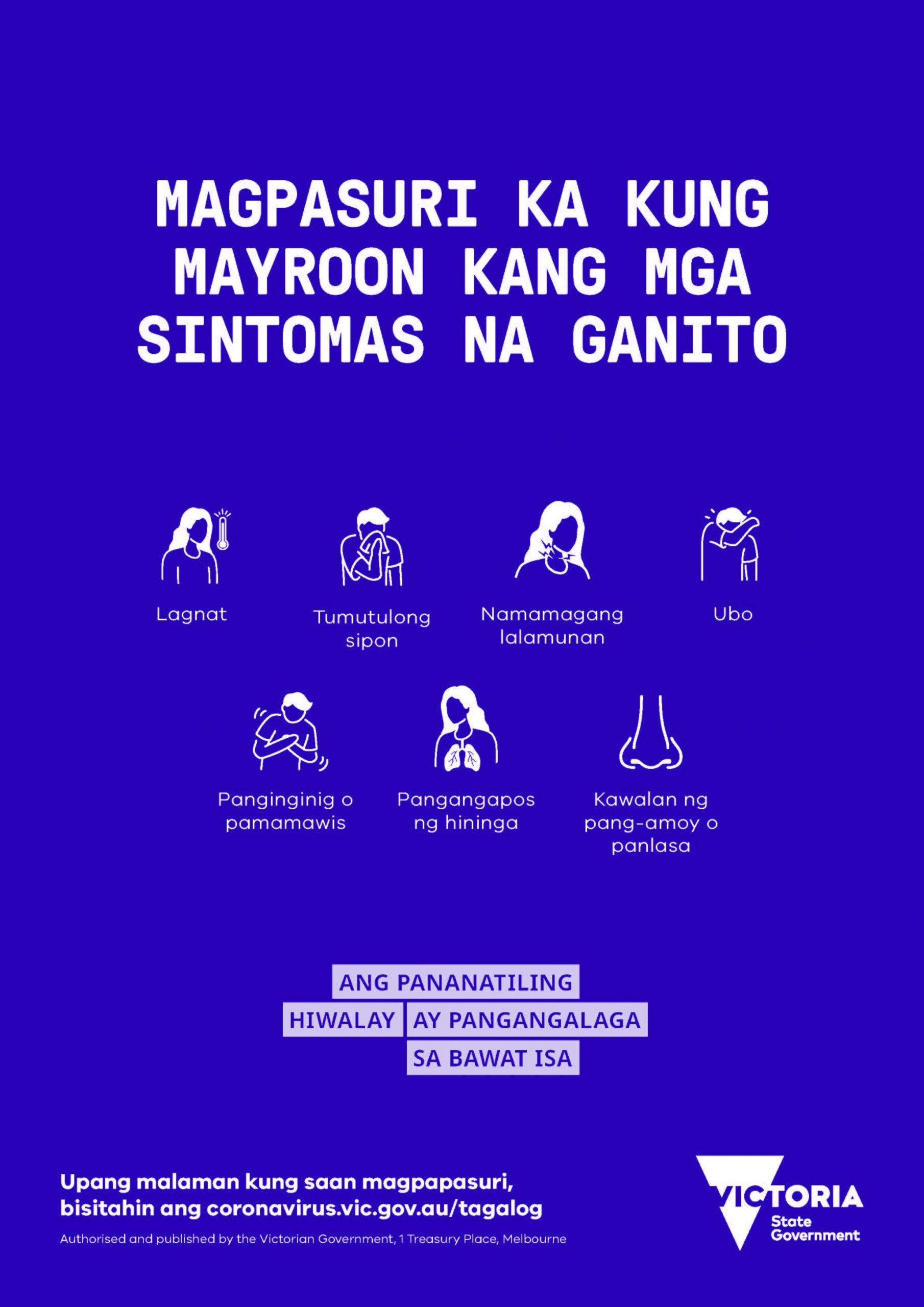
FILIPINO: Kung nakakaranas ka ng mga sumusunod na sintomas, mangyaring subukan.
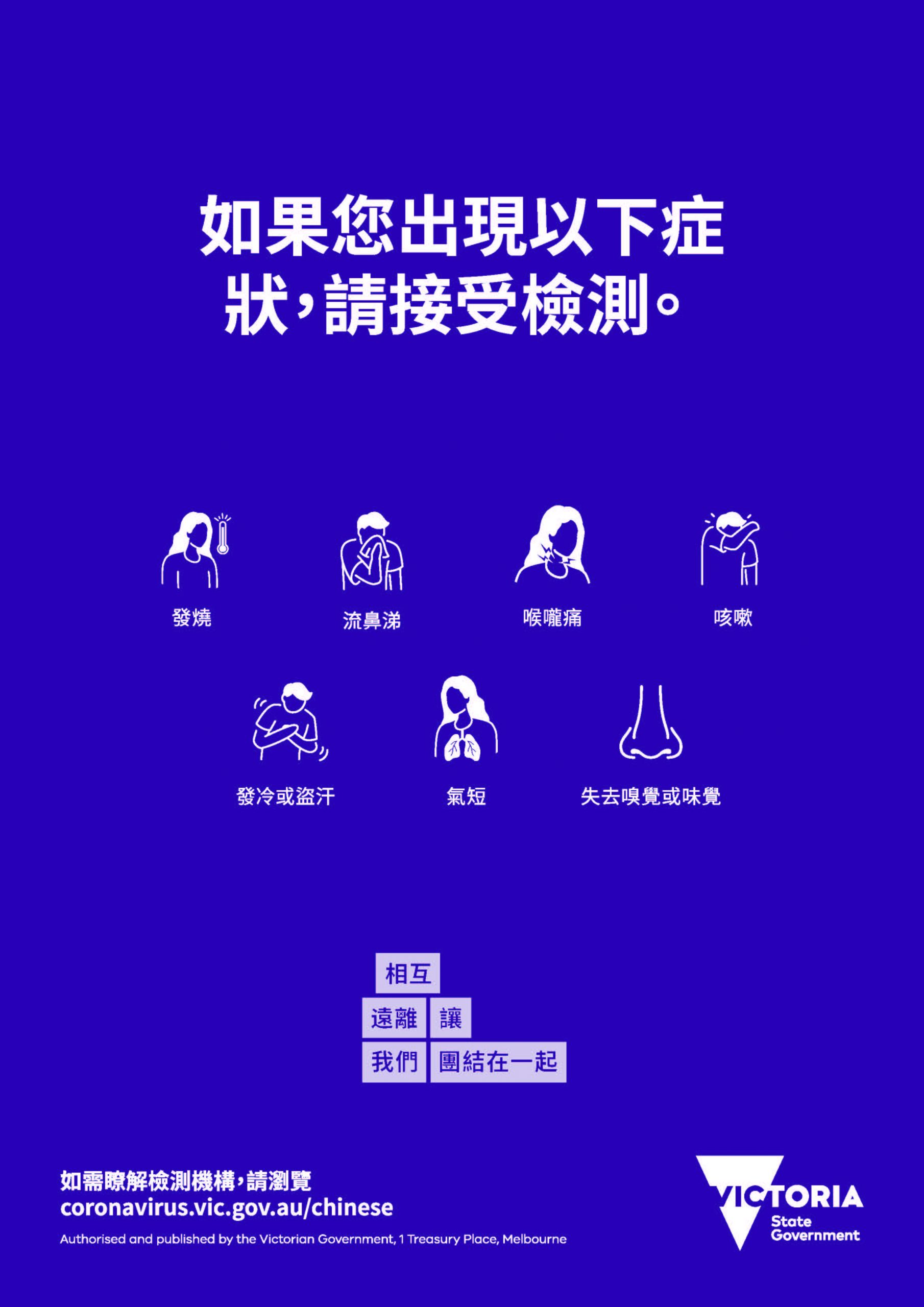
如果您出現以下症狀,請接受檢測。
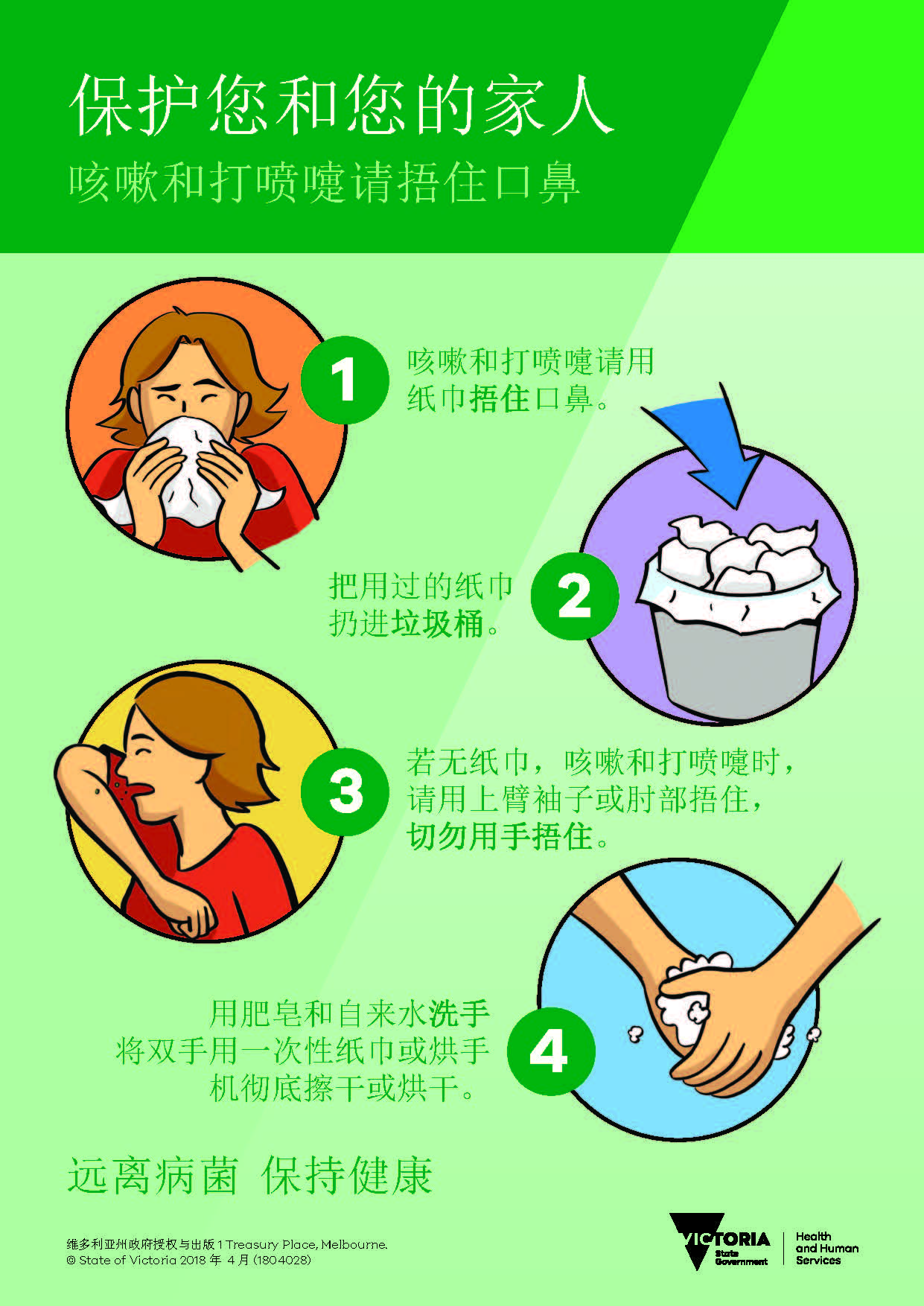
保护您自己和家人 – 咳嗽和打喷嚏时请捂住
Victorian Government Issues Historic Apology to Indigenous Peoples
Australia and U.S. Finalize Expanded U.S. Military Presence and Base Upgrade Plan
7.5-Magnitude Earthquake Strikes Off Northeastern Coast of Japan
Paramount Challenges Netflix with Warner Bros Acquisition Bid
Thailand Strikes Cambodia as Border Clashes Escalate
-
 COVID-19 Around the World4 years ago
Fraudulent ivermectin studies open up new battleground
-
 Cuisine Explorer5 years ago
Cantonese Mango Sago
-
Tagalog5 years ago
FILIPINO: Kung nakakaranas ka ng mga sumusunod na sintomas, mangyaring subukan.
-
Uncategorized5 years ago
如果您出現以下症狀,請接受檢測。
-
Cantonese - Traditional Chinese5 years ago
保护您自己和家人 – 咳嗽和打喷嚏时请捂住
-
 Uncategorized5 years ago
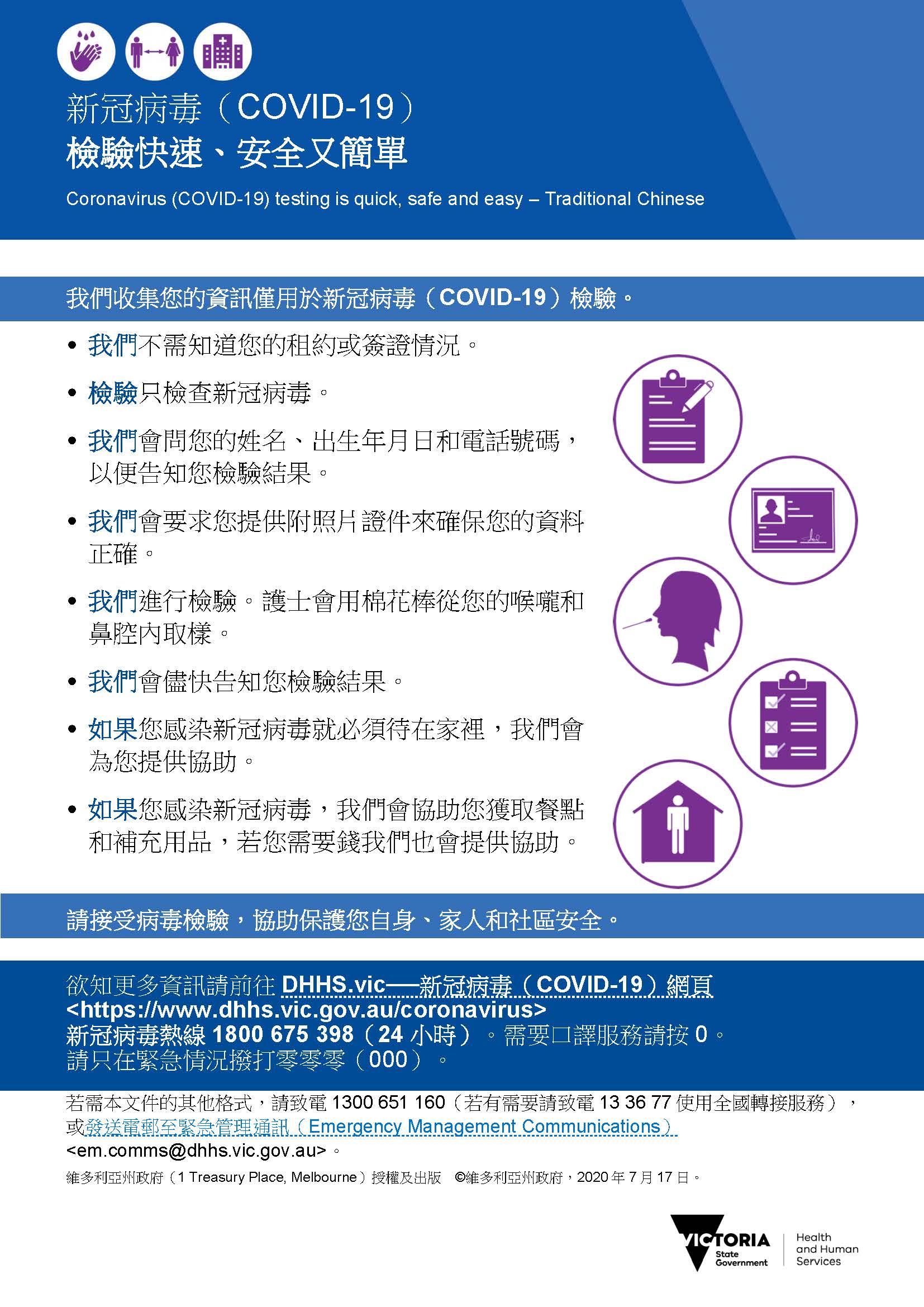
COVID-19 檢驗快速 安全又簡單
-
 Uncategorized5 years ago
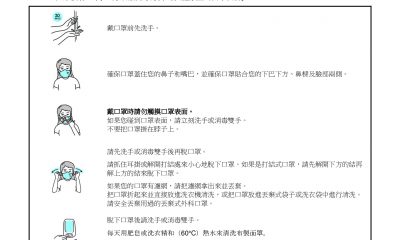
How to wear a face mask 怎麼戴口罩
-
Uncategorized5 years ago
在最近的 COVID-19 應對行動中, 維多利亞州並非孤單
