
COVID-19 Around the World
Efficacy of China’s Covid-19 vaccines
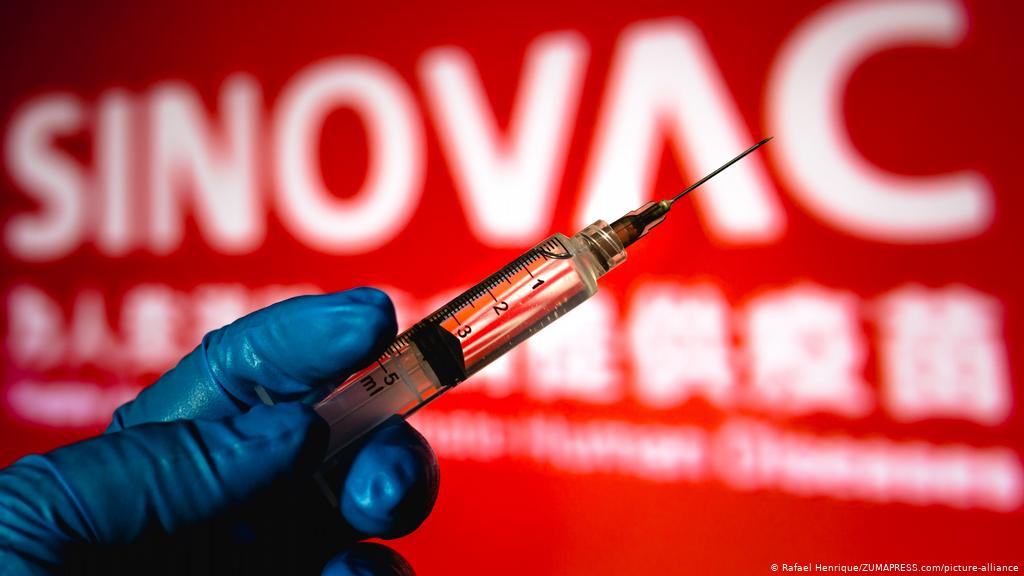
China’s leading Covid-19 vaccines secured their first emergency authorizations outside the country late last year, and were soon in use across the world. Adding together doses administered in China and overseas, they may be the most widely used Covid-19 vaccines globally.
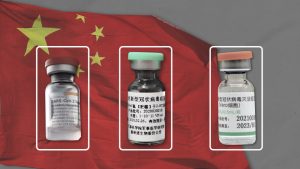
The Chinese shots differ from the novel approach used by Moderna and Pfizer, which deploy messenger RNA (mRNA), genetic material that gives cells the instructions for mounting defenses against the coronavirus. Meanwhile Sinopharm and Sinovac developed inactivated Covid vaccines—using a neutralized version of the coronavirus to generate immunity.
Definition of Efficacy
Efficacy refers to the extent to which a vaccine reduces Covid-19 cases in a trial compared to the rate in a control group.
If a vaccine’s efficacy rate is 80% it doesn’t mean 20 out of every 100 people who get the jab will get a symptomatic case of Covid-19. Instead it means there will be 80% fewer such cases compared with the control group. So if , say, 1% of a control group of 1,000 unvaccinated people develops Covid-19 over a certain number of months, that means 10 people will get ill. With an efficacy rate of 80%, only 2 people should get sick.
But that’s not the only way to look at efficacy—there’s also efficacy against contracting a severe case, or against hospitalization for Covid-19. Shao Yiming, a researcher at the Chinese Centers for Disease Control, this month drew a distinction between protecting against infection, most likely referring to a positive but largely asymptomatic case, and against disease, ie an illness with one or more symptoms. The focus of vaccination in China is to “prevent people from getting ill [because of Covid-19], but not from getting infected,” said Shao.
The Sinopharm vaccines’ efficacy
China National Pharmaceutical Group, or Sinopharm, developed two vaccines, both via its subsidiary China National Biotec Group (CNBG).
Sinopharm said its BIBP vaccine, developed via subsidiary Beijing Institute for Biological Products, had an efficacy rate of 79% in a brief statement in December. But it only published interim results for its trials of both its shots last month, after the vaccine had secured World Health Organization emergency approval. That approval paves for more widespread acceptance, and for its distribution via Covax, a World Health Organization effort to share vaccines more equitably.
According to the World Health Organization factsheet for the BIBP vaccine, its trial was not “designed and powered” to show efficacy against severe disease in people with comorbidities, or older than 60, which is wording that is not included for the fact sheets for the Pfizer, Astra-Zeneca, Moderna, or SinoVac vaccines.
Sinopharm’s other vaccine, developed via a Wuhan unit and not listed for emergency use by the WHO, has an efficacy rate of around 73%.
The Sinovac vaccine’s efficacy data
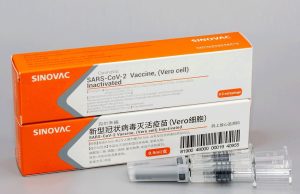
Sinovac, the maker of the CoronaVac vaccine that’s being used in Indonesia, Brazil, and Chile, among other places, delayed the release of its trial data several times, before finally sharing the results from the trials on some 25,000 participants in February. It was approved by the WHO this month.
A Hong Kong review of its trial data showed an efficacy rate of around 62% while Brazil’s Butantan Institute, which tested the vaccine on frontline health workers, showed an an efficacy of 51% against mild disease and 100% against hospitalization. Smaller trials in Turkey and Chile showered higher rates of protection against mild disease.
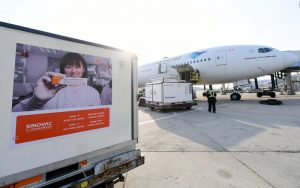
Fresh doubts about China’s vaccines
New waves of Covid-19 cases in places with a high per capita level of Sinopharm or Sinovac vaccinations have raised concerns that the vaccines have lower real-world effectiveness than officials may have been hoping.
In the case of Chile, home to about 19 million people, that appears to have contributed to a consistently high new case count in recent months. An April study from the University of Chile put the effectiveness of a single dose of Covid-19 vaccine at 3% for protecting against symptomatic infection, based on an examination of seven million vaccinated people.
In tiny Seychelles, home to less than 100,000 people, some 60% of the population was fully vaccinated, but there was a surge in cases in May that forced fresh shutdowns. Of those with two doses, 57% got the Chinese vaccine while the rest got the Astra-Zeneca shot. More than a third of new cases were among the fully vaccinated, but the government hasn’t provided a breakdown for Sinopharm and Astra Zeneca among these cases.
Meanwhile Bahrain, which vaccinated about half its 1.6 million people with the Sinopharm vaccine but nevertheless battled a spike in cases starting in May, the government is offering a booster shot of the Pfizer vaccine to more vulnerable people, and the United Arab Emirates is doing the same. Officials in Bahrain have said, however, that the new cases were mostly among the unvaccinated.
In Uruguay, however, the government said this month that its vaccination campaign with the Sinovac vaccine had reduced deaths by 95% and intensive care admissions by 92%, in addition to reducing Covid-19 infections by about 60% in the country of 3.5 million. The country is also using the Pfizer/BioNTech vaccine for people at higher risk, such as older people and health workers.
The biggest test of China’s vaccines may well come at home. After a slow start, the country has ramped up its domestic inoculation rate in recent weeks, with the Delta variant first seen in India contributing to a flare-up in the southern city of Guangzhou. China is now vaccinating 20 million people a day and has delivered 900 million doses so far, or enough to cover a third of its population.


COVID-19 Around the World
Weekly news at a glance
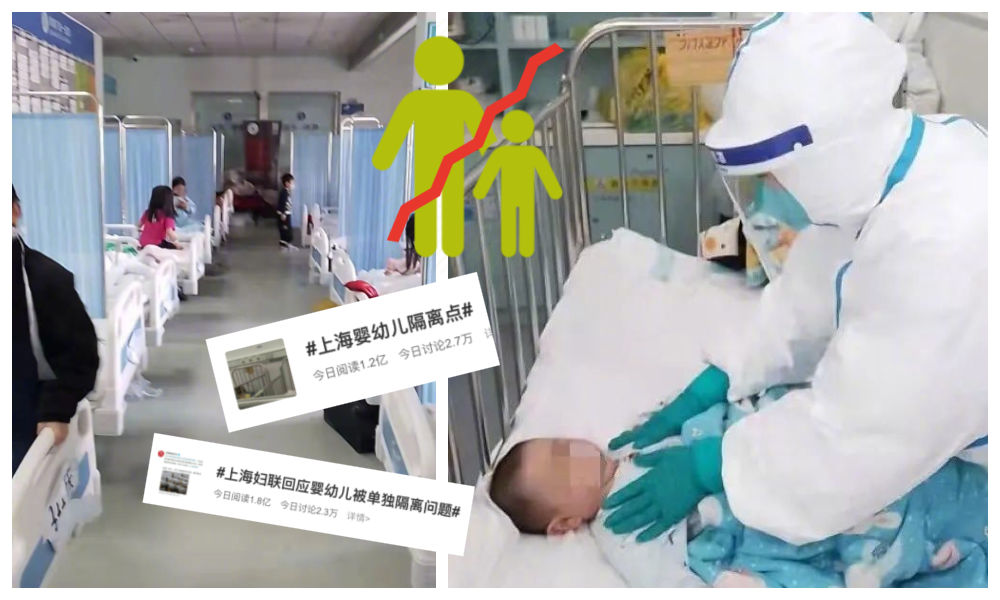
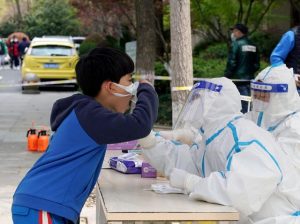
(Worldwide) Covid positive kids separated from parents in Shanghai
A hospital in Shanghai is sending COVID-positive children and parents to different quarantine facilities, an online debate has revealed. Unverified images of children, three-to-a-cot, being tended to by workers in hazmat suits circulated on the WeChat social media platform.
The centre accused of housing the children, the Shanghai Public Health Clinical Centre in the city’s Jinshan district, took to the social media site to debunk the rumours, but in doing so confirmed the existence of the quarantine site.
It added it had organised for more paediatric workers and would strengthen communication with the children’s parents in the wake of criticism from parents whose children have been housed in the facility.
(Worldwide) U.S. drops COVID testing for air travelers
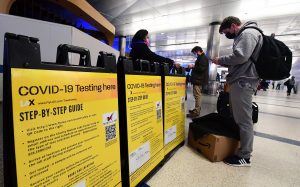
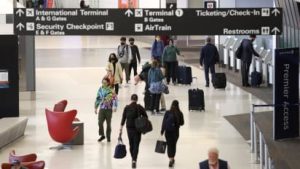
In one of the most anticipated travel developments this year, the US Centers for Disease Control and Prevention is poised to lift its requirement for travelers to test negative for Covid-19 before entering the United States, CNN learned on Friday.
The measure has been in place since January 2021. The move is likely to encourage travelers around the world to plan a summer vacation in the States and encourage more US travelers to venture abroad knowing they’re less likely to get stranded overseas with a positive test. Air travel has been far from smooth this season so far.

(Worldwide) Face of Hospitality in the Post-Covid World
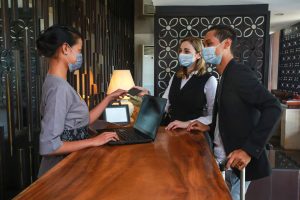
Studies show that consumer spending on discretionary items like travel, eating out, entertainment etc would stay low and focus would stay on the basics like groceries, internet and mobile services etc. This indicates that there is still time for the hospitality industry to reach its glory of the pre-pandemic times. Similarly, those businesses that depend on the travel and tourism sector are likely to suffer the lul.
Hotels depend heavily on the revenue they generate from business travelers. But, given the current scenario, that too will take time to recover. With the death of many organizations that funded such business travel, it is likely that about 5-10% of it would never return. This makes it imperative that the businesses keep a close watch on the trends that determine the future of the hospitality and tourism industry and plan accordingly.


(AUS) Tutors in high demand, but doubts on program for next year
The state government’s 480 million dollar coronavirus catch-up tutoring program has been compromised by teacher shortages, due to COVID and influenza. The program aimed to benefit all government and low-fee private schools in helping students whose learning stalled during the pandemic.
According to Andrew Dalgleish, president of the Victorian Principals Association, most schools were forced to replace sick staff with the tutors to take whole classes. Victorian government awaits a final report before considering if it will recommit to the program.
(AUS) COVID-19 vaccine booster available for at-risk children aged 12 to 15
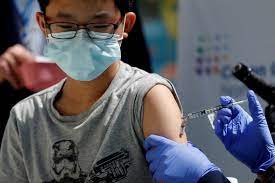
Children aged 12 to 15 years, who are severely immunocompromised and children with a disability, are eligible for a COVID-19 booster vaccine from this week. The Australian Technical Advisory Group on Immunisation has recommended extending eligibility for the Pfizer booster to about 120-thousand children.
Those eligible must have received their second dose at least three months ago, be severely immunocompromised, have a disability, or complex health conditions which increase the risk of severe COVID-19. Children who are NOT considered at-risk, who have received two vaccine doses, are still considered to be well protected against severe disease.
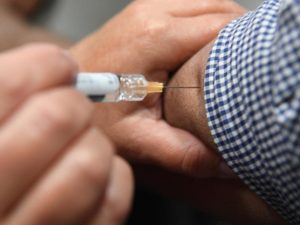
(AUS) Free flu vaccinations for Victoria
Free flu vaccinations are available to anyone aged 6 months and over until 30 June. Everyone aged 6 months and older is recommended to get the flu vaccine, especially people aged 65 years and over, people at higher risk of serious illness of complications from flu, pregnant women and children under 5 years.
The COVID-19 vaccine does not protect you against flu, you still need to get the flu vaccine. The best protection for families and communities this winter is to get vaccinated against both flu and COVID-19.
COVID-19 Around the World
Covid in North Korea
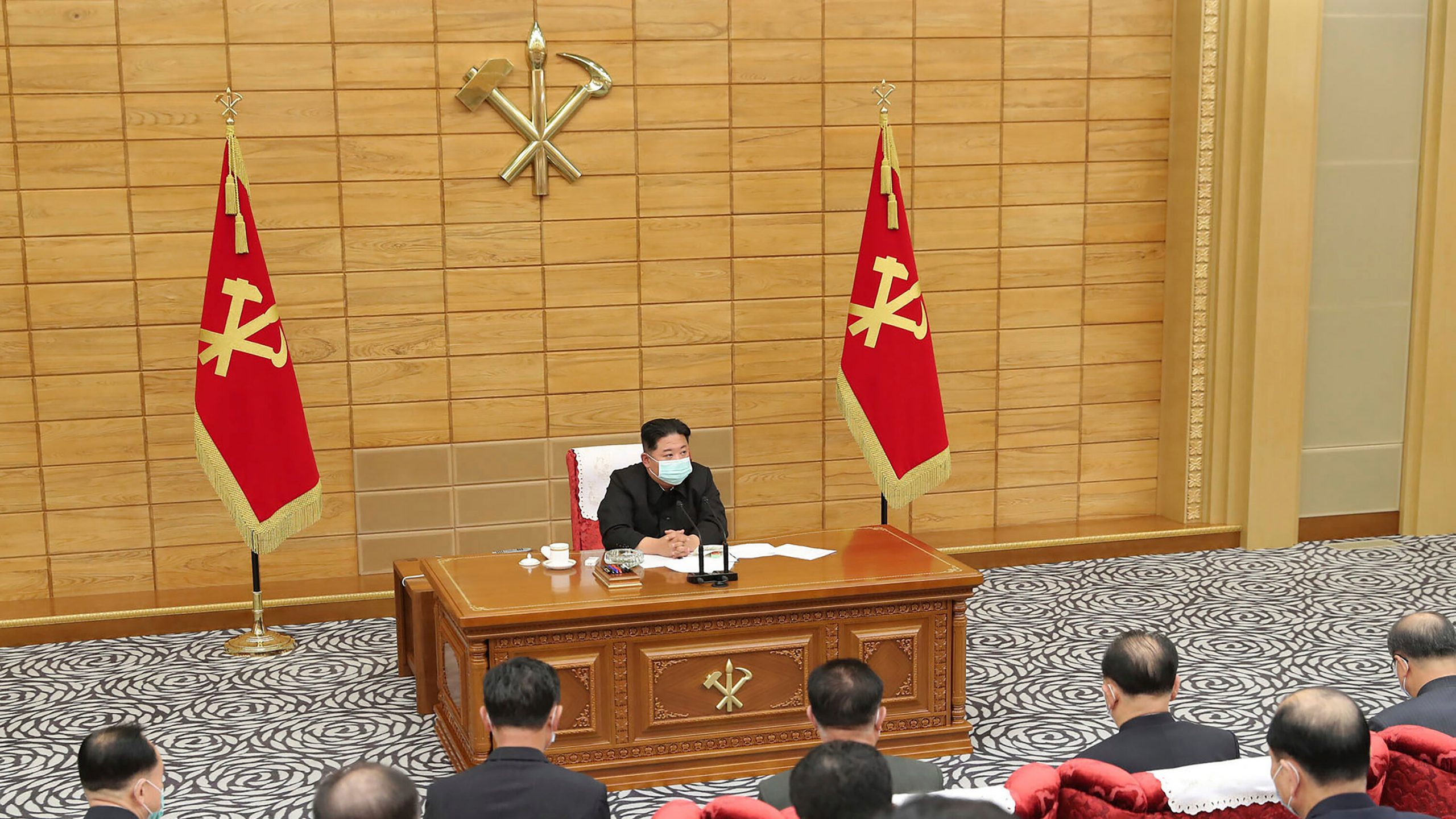
Top North Korean officials discussed revising anti-epidemic restrictions on Sunday as they assessed the situation over the country’s first acknowledged COVID-19 outbreak was “improving”, state media reported.
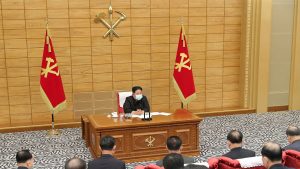
A politburo meeting guided by leader Kim Jong Un “made a positive evaluation of the pandemic situation being controlled and improved across the country and discussed the issues of continuously stabilising and improving the overall anti-epidemic situation,” said KCNA news agency.
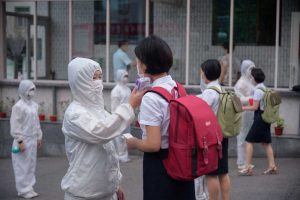
North Korea reported no new deaths among fever patients for a second consecutive day, and said 89,500 more people showed fever symptoms on Sunday.
That is down from nearly 400,000 about 11 days ago.
The isolated country has been fighting an unprecedented COVID wave since declaring a state of emergency and imposing a nationwide lockdown this month, fuelling concerns about lack of vaccines, medical supplies and food.
Efforts to strengthen anti-epidemic measures were being taken across North Korea, including collecting rain water, examining virus-resistant medicines and setting up quarantine places, KCNA said.
Many outside experts say North Korea is clearly understating its fatality rate to prevent any political damage to Kim at home.
They say North Korea should have suffered many more deaths because its 26 million people are largely unvaccinated against COVID-19 and it lacks the capacity to treat patients with critical conditions.
Others suspect North Korea might have exaggerated its earlier fever cases to try to strengthen its internal control of its population.
Since its May 12 admission of the Omicron outbreak, North Korea has only been announcing the number of patients with feverish symptoms daily, but not those with COVID-19, apparently because of a shortage of test kits to confirm coronavirus cases in large numbers.
But many outside health experts view most of the reported fever cases as COVID-19, saying North Korean authorities would know how to distinguish the symptoms from fevers caused by other prevalent infectious diseases.
The outbreak has forced North Korea to impose a nationwide lockdown, isolate all work and residential units from one another and ban region-to-region movements.
The country still allows key agricultural, construction and other industrial activities, but the toughened restrictions have triggered worries about its food insecurity and a fragile economy already hit hard by pandemic-caused border shutdowns.
Some observers say North Korea will likely soon declare victory over COVID-19 and credit it to Kim’s leadership.
Yang Un-chul, an analyst at the private Sejong Institute in South Korea, said the North’s recently elevated restrictions must be dealing a serious blow to its coal, agricultural and other labour-intensive industrial sectors.
But he said those difficulties won’t likely develop to a level that threatens Mr Kim’s grip on power, as the COVID-19 outbreak and strengthened curbs have given him a chance to boost his control of his people.
COVID-19 Around the World
Shanghai ease Covid isolation

A partial reopening of stores and offices in Beijing on Sunday was welcomed by a weary populace and struggling shopkeepers eager for life to return to normal. Coupled with a gradual easing of restrictions in Shanghai, it signalled the worst was over in the twin outbreaks in China’s most prominent cities.
More people have been allowed out of their homes, and more businesses are permitted to reopen, although most residents remain largely confined to their housing compounds, with shops mainly limited to deliveries.
Restaurants remain closed in Beijing, except for takeout and delivery, and many people in Shanghai still can only go out with special passes and for a limited time period, even as the number of new cases has plummeted. Shanghai aims to essentially end its lockdown from Wednesday after relaxing restrictions over the past week.
Shanghai officials urged continued vigilance, even though the vast majority of its 25 million residents live in areas that are in the lowest-risk “prevention” category.
“Wear masks in public, no gathering and keep social distance,” Shanghai Municipal Health Commission’s deputy director, Zhao Dandan, told a daily news conference.
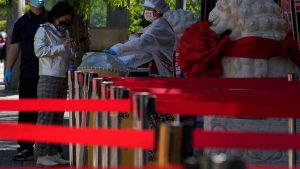
China reports 362 new cases
On Friday, Shanghai’s suburban Fengxian district cancelled a requirement for residents to have a pass to go out.
The state-run Shanghai Securities News reported modest steps towards a return to normality for the financial sector, with the more-than-10,000 bankers and traders who have been living and working in their offices since the start of lockdown gradually returning home.
On Saturday, the country reported 362 daily COVID-19 cases, down from 444 a day earlier. In Beijing, new Friday infections fell to 24 from 29.
While Shanghai officials reported one community-level case in the Songjiang district, they expressed confidence in the steps they were taking to trace and control the infection chain.
“If these measures are implemented effectively, we can prevent a rebound of the epidemic, even if there are sporadic cases, so don’t worry,” Shanghai Centre for Disease Control and Prevention’s deputy director, Sun Xiaodong, said.
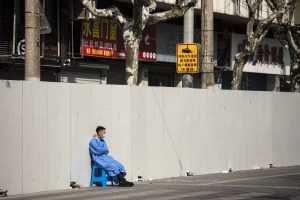
Beijing officials say outbreak ‘effectively under control’
In Beijing, new cases have trended lower for six days, with no fresh infections outside of quarantine areas reported on Friday.
The outbreak that began on April 22 is “effectively under control”, a city government spokesman told a news conference.
Starting on Sunday, shopping malls, libraries, museums, theatres and gyms will be allowed to reopen — with limits on the numbers of people allowed — in the eight of Beijing’s 16 districts that have seen no community cases for seven consecutive days.
Two of the districts will end work-from-home rules, while public transportation will largely resume in three districts, including Chaoyang, the city’s largest.
While nationwide case numbers are improving, China’s strict adherence to its “zero-COVID” strategy has devastated the world’s second-largest economy and rattled global supply chains.
The lockdowns and other restrictions under China’s “zero-COVID” strategy have increasingly frustrated residents as they see other countries ease up and re-open their borders.
Some have resisted and staged protests at apartment complexes and university dormitories, in an authoritarian country where people think twice about speaking out publicly because of possible repercussions.
Officials tend to err on the side of caution under a system that readily punishes them for lax enforcement if outbreaks flare up or come back.

Graduate student accused of poisoning colleague and trying to flee to China arrested at LAX
Zelenskyy depressed by US action on military restrictions
Fitzroy North vegan cafe falls victim to firebombing
Australian industry reliant on gas for ‘foreseeable future’
Labor condemned for bill to cut private health insurance rebate

Cantonese Mango Sago
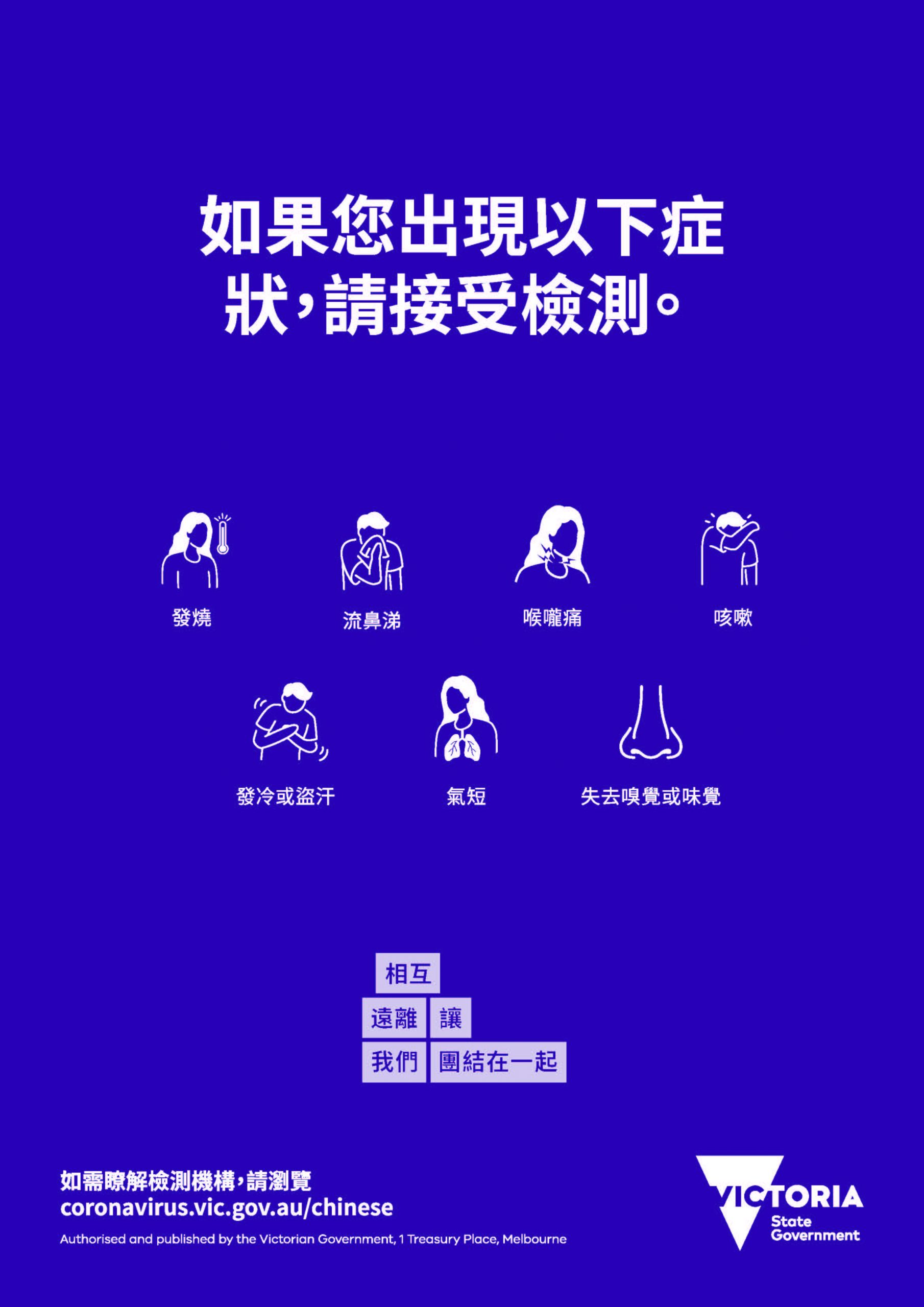
如果您出現以下症狀,請接受檢測。
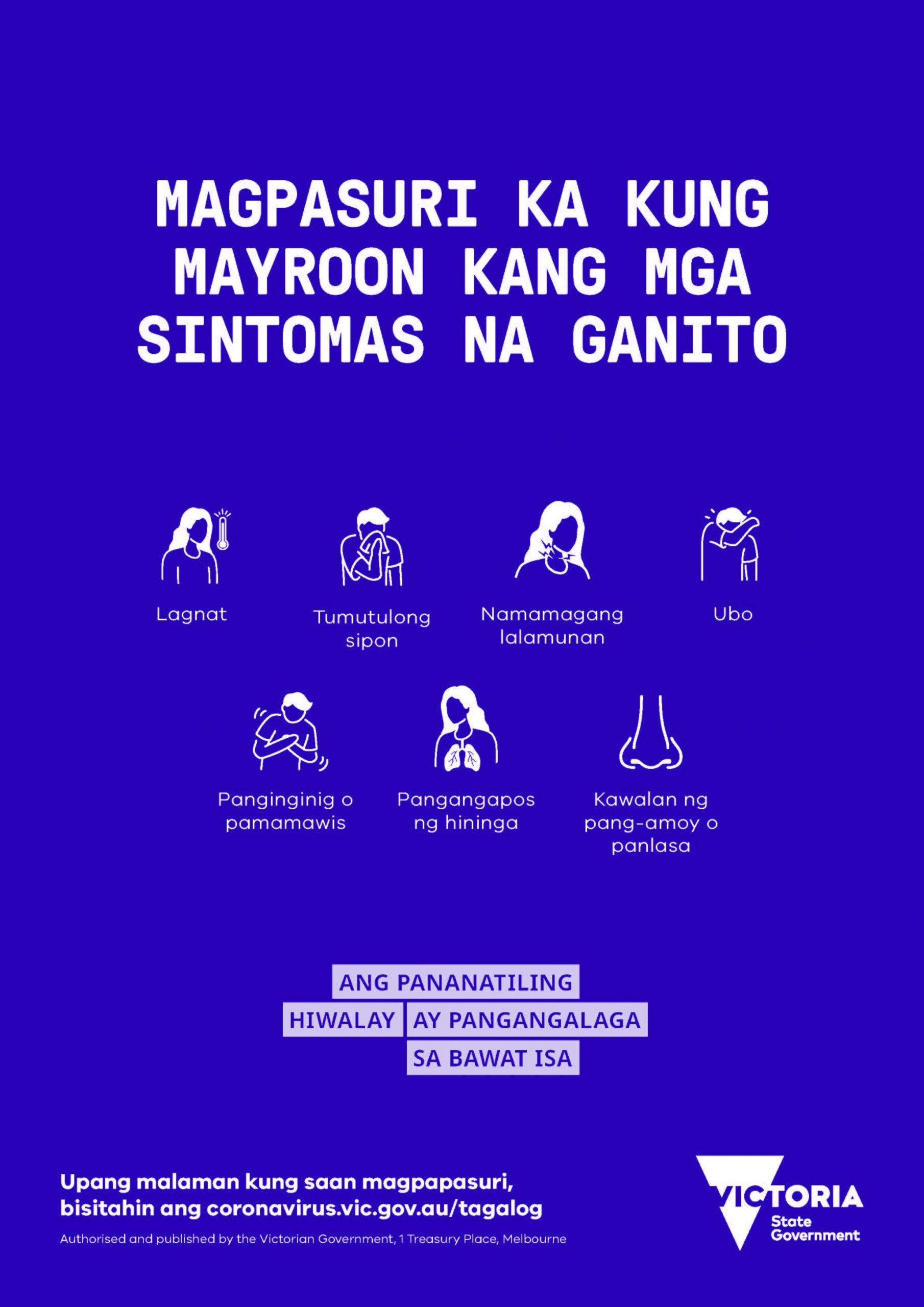
FILIPINO: Kung nakakaranas ka ng mga sumusunod na sintomas, mangyaring subukan.
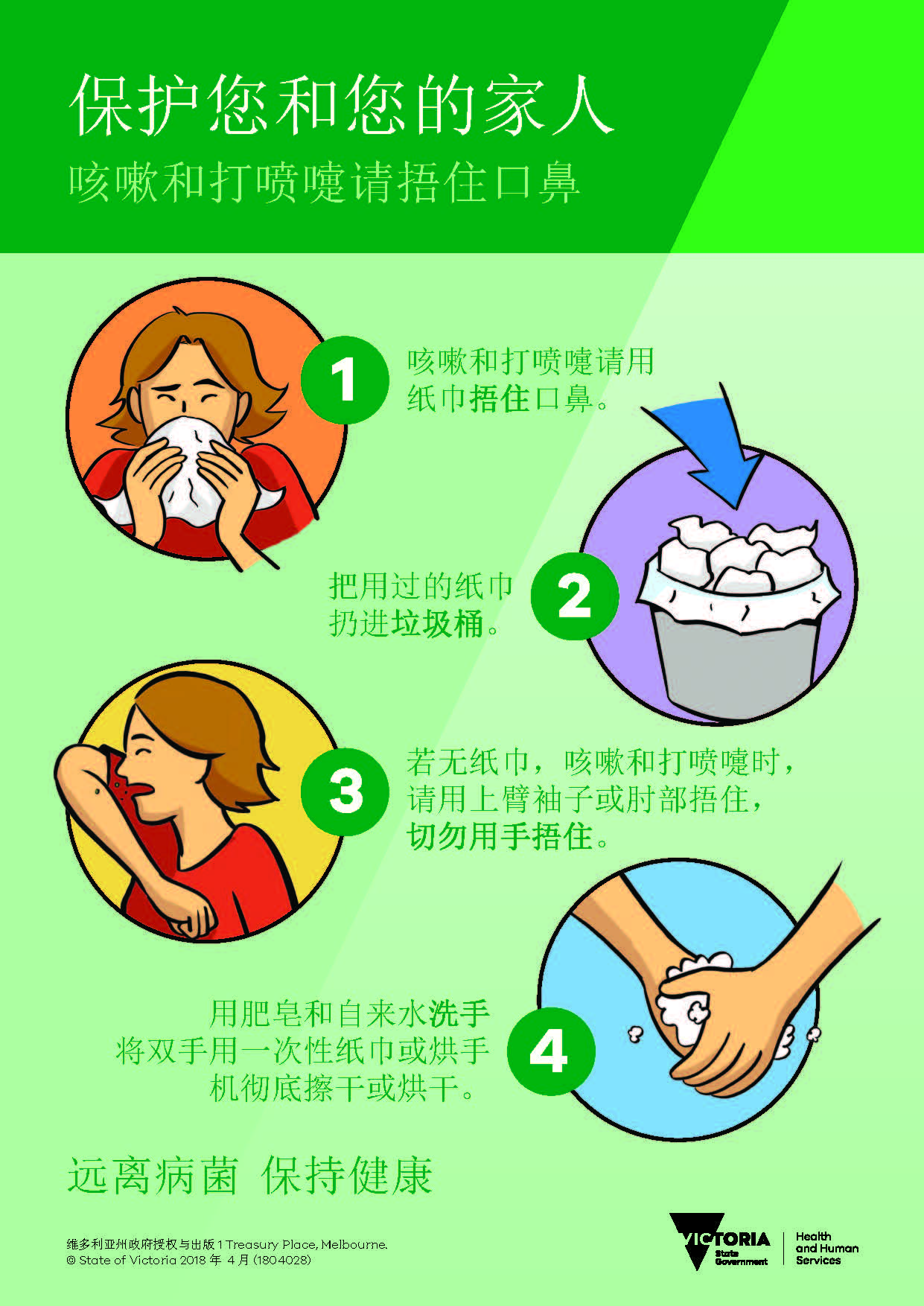
保护您自己和家人 – 咳嗽和打喷嚏时请捂住

How to wear a face mask 怎麼戴口罩
UAE Fully Suspends Trade and Financial Ties with Iran
Victorian Liberal Candidate Counselled Over Volunteer Internship Program

Trump signs order banning “birth tourism” and further restricting birthright citizenship

SpaceX Rocket Debris Hits the Moon, Renewing Concerns Over Space Junk

Australia Sets New Standards for Men’s Behaviour Programs
-
 Cuisine Explorer6 years ago
Cantonese Mango Sago
-
Uncategorized6 years ago
如果您出現以下症狀,請接受檢測。
-
Tagalog6 years ago
FILIPINO: Kung nakakaranas ka ng mga sumusunod na sintomas, mangyaring subukan.
-
Cantonese - Traditional Chinese6 years ago
保护您自己和家人 – 咳嗽和打喷嚏时请捂住
-
 Uncategorized6 years ago
How to wear a face mask 怎麼戴口罩
-
 Uncategorized6 years ago
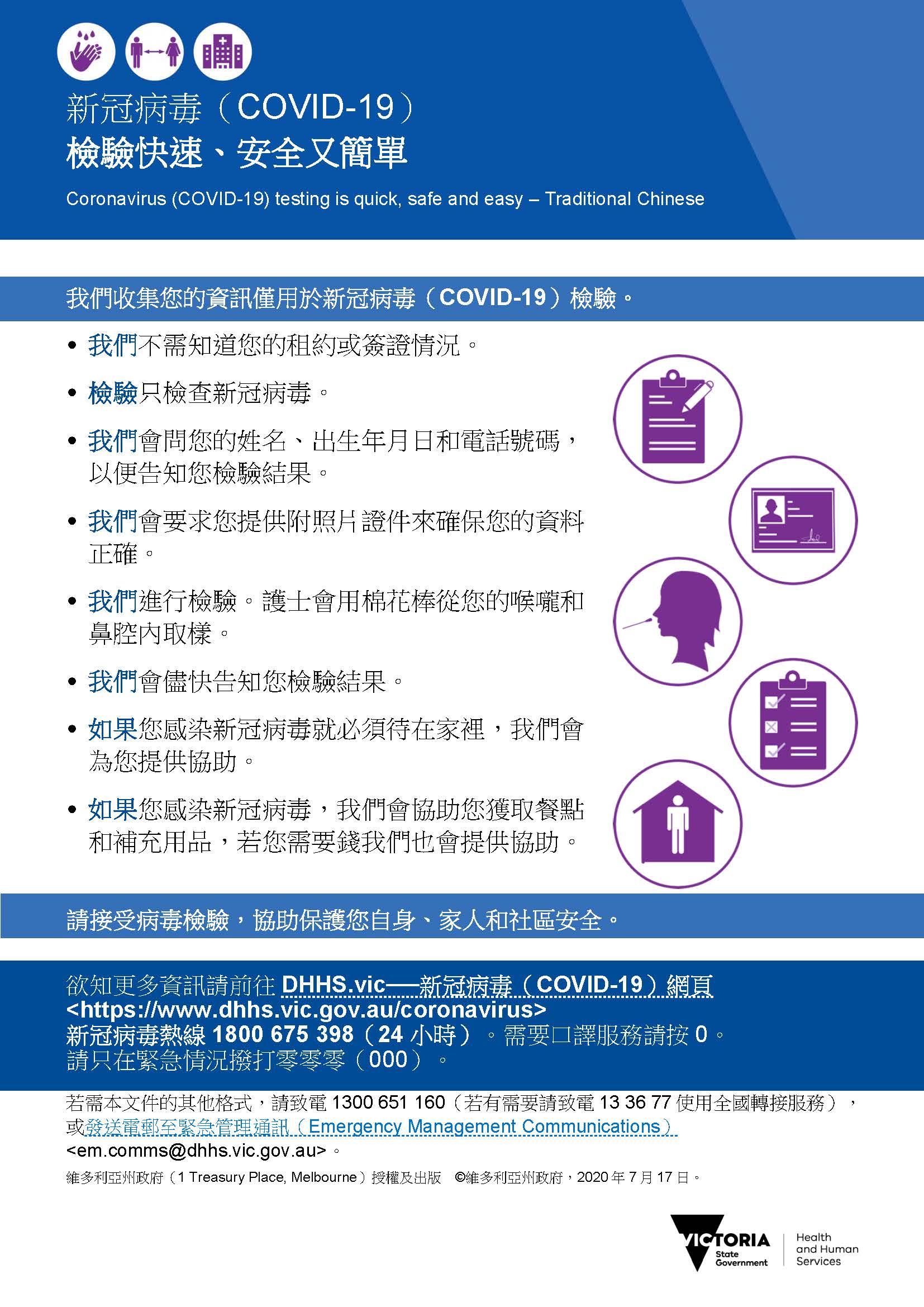
COVID-19 檢驗快速 安全又簡單
-
Uncategorized6 years ago
在最近的 COVID-19 應對行動中, 維多利亞州並非孤單
-
 Cantonese - Traditional Chinese6 years ago
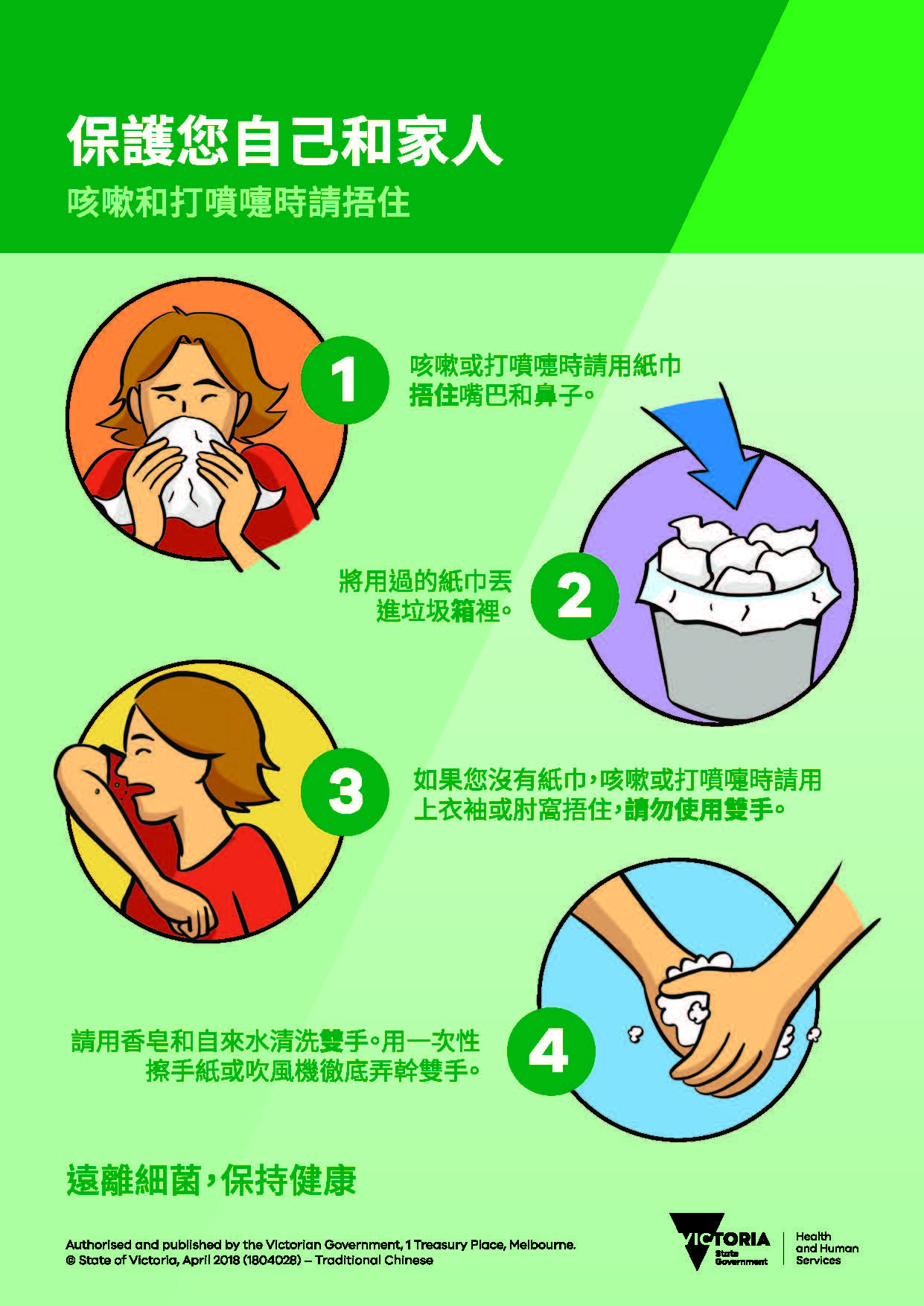
保護您自己和家人 – 咳嗽和打噴嚏時請捂住
