
World News
Taiwan’s July 26 Mass Recall Vote Ends in Failure

On July 26, 2025, Taiwan held a large-scale recall vote targeting over 20 members of the Legislative Yuan and several local officials, involving politicians from the Kuomintang (KMT), Democratic Progressive Party (DPP), and Taiwan People’s Party (TPP). The recall campaigns aimed to use democratic mechanisms to let voters express dissatisfaction and hold certain politicians accountable through lawful means.
The scope of the recall efforts was broad, including KMT lawmakers and local officials such as Hsinchu Mayor Ann Kao (Gao Hong-An). Supporters of the recall argued that some targeted individuals had failed to perform their duties effectively, ignored constituents’ needs, or were involved in misconduct or controversy, thus requiring public scrutiny. Opponents countered that the recalls could lead to political instability, disrupt local governance, and impede policy and public service continuity. They also questioned whether the recalls would truly address deeper political issues.
In the end, none of the recall motions met the legal threshold for success. Analysts pointed out that voter interest in the recalls was generally low, with many adopting a wait-and-see attitude. Some politicians managed to regain public trust through active campaigning and communication, while other voters abstained or cast opposing votes, indicating ongoing support or expectations for those being targeted.
Although the recalls failed to achieve their objectives, the event sparked widespread public debate and heightened awareness around political participation and accountability. Many observers believe the movement demonstrated the rational thinking and diversity of opinion within Taiwan’s democracy. Political parties have since begun reassessing their strategies, aiming to strengthen engagement and trust with voters and better respond to public demands.

World News
Pro-Trump Brazilian Influencer Arrested by U.S. ICE

The U.S. Immigration and Customs Enforcement (ICE) arrested Brazilian right-wing influencer Júnior Pena in New Jersey. Pena had long publicly supported U.S. President Donald Trump’s hardline policies on illegal immigration.
Pena has lived in the U.S. since 2009. Over the years, he not only endorsed Trump’s policies but also criticized Brazilian leftist President Luiz Inácio Lula da Silva and commented on political developments in Brazil and Latin America. On social media, Pena presented his content from an immigrant perspective and promoted Trump’s immigration crackdown, repeatedly telling Brazilian immigrants not to panic, claiming that only criminals are targeted and law-abiding immigrants had nothing to fear. Critics now view his own detention as an ironic “case of poetic justice.”
The detention occurred on January 31, when Pena was taken to the Delaney Hall Immigration Detention Center in Newark, New Jersey. According to friends and his lawyer, the arrest stemmed from Pena failing to appear at a court hearing related to his immigration process. Although his lawyer submitted the necessary documents to prevent his transfer to another state facility, procedural errors still resulted in the execution of the detention order. Friends emphasize that Pena had no formal deportation order, and his immigration status was previously legal.
The case has sparked heated reactions in Brazilian online communities. Some mocked him for supporting Trump’s immigration policies only to become a target himself, while others prayed for him and shared updates on social media. As of now, Pena’s lawyer is working through legal channels to resolve the detention and court hearing issues.
World News
German Chancellor Merz Discusses “Shared Nuclear Umbrella” with European Allies

On January 29, German Chancellor Friedrich Merz announced that Germany is conducting preliminary discussions with European allies to explore the possibility of establishing a “shared European nuclear umbrella” in response to the changing global security landscape and nuclear threats.
In his policy report, Merz used unusually strong language to describe Europe facing a “harsh cold wind” in a new world order of intensified great power competition. He stressed that Europe can no longer rely solely on the U.S. nuclear deterrent and must take active control of its own security. He reaffirmed that Germany will continue to comply with the Two Plus Four Treaty and the Non-Proliferation Treaty (NPT) and will not possess nuclear weapons. The proposal is not intended to replace NATO but to complement the U.S. nuclear-sharing arrangements, focusing initial discussions on integrating French and British resources.
The proposal has sparked intense debate in Germany. Supporters argue it is a necessary step toward “European strategic autonomy,” while opponents worry it could trigger an arms race and question whether France would be willing to share nuclear command authority. Thomas Roewekamp, chair of the Bundestag Defense Committee, added that while Germany lacks warheads, its technological capabilities in delivery systems and military cooperation make it a key player in a European nuclear program.
World News
Starmer suggests Prince Andrew testify to US Congress

The BBC reports that UK Prime Minister Keir Starmer suggested that former royal, stripped of his titles, Prince Andrew, Duke of York, should testify before the US Congress regarding documents, photos, and communications related to convicted sex offender Jeffrey Epstein.
Recently released documents and photos show interactions and meetings between Andrew and Epstein, including some concerning images. BBC Verify has confirmed that parts of the interior and other images match Epstein’s New York mansion, implying a connection to past cases.
Starmer stated that anyone holding key information should consider testifying in Congress, especially from the victims’ perspective, to ensure full transparency of evidence. These recommendations follow the release of a batch of documents including historical communications and photos, though Andrew himself denies any wrongdoing.
Other newly revealed documents include communications and financial transactions involving other individuals, some of whom deny wrongdoing or claim the situation has been exaggerated.

Pro-Trump Brazilian Influencer Arrested by U.S. ICE
German Chancellor Merz Discusses “Shared Nuclear Umbrella” with European Allies
One Nation’s “Spot the Westerner” Video Condemned
Littleproud retains leadership, Sussan Ley’s position uncertain
Starmer suggests Prince Andrew testify to US Congress

Fraudulent ivermectin studies open up new battleground

Cantonese Mango Sago
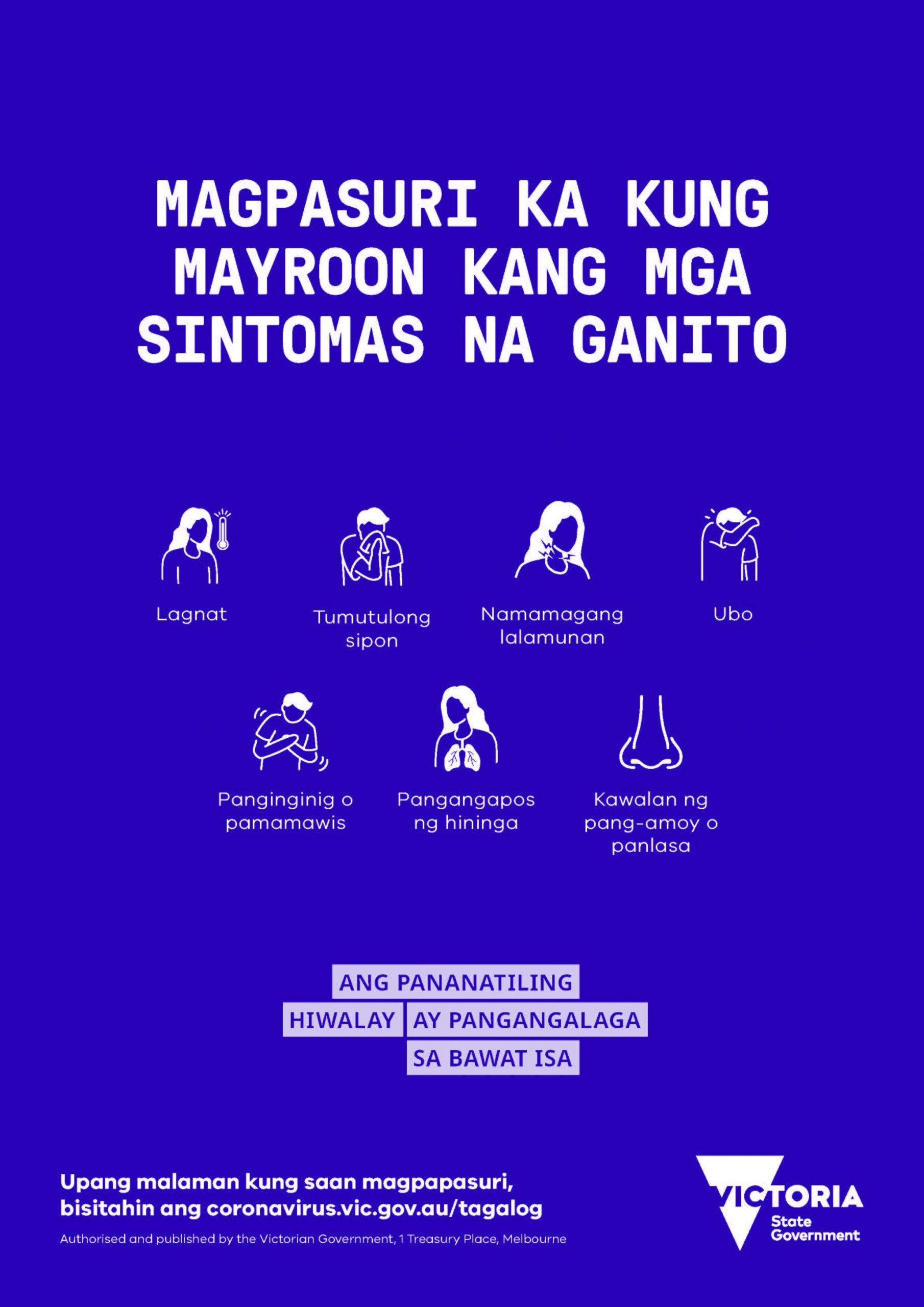
FILIPINO: Kung nakakaranas ka ng mga sumusunod na sintomas, mangyaring subukan.
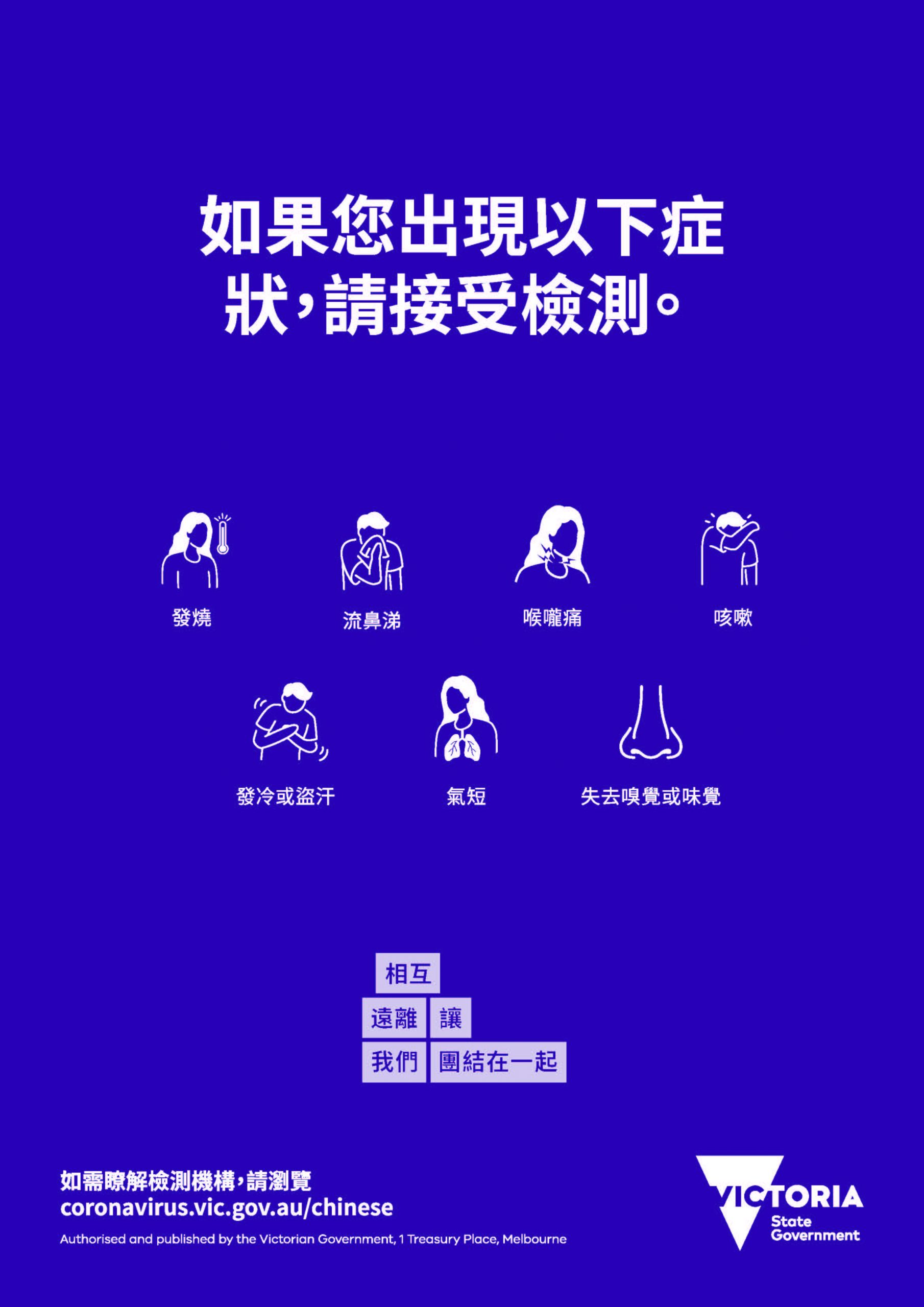
如果您出現以下症狀,請接受檢測。

保护您自己和家人 – 咳嗽和打喷嚏时请捂住

Victorian Government Issues Historic Apology to Indigenous Peoples

Australia and U.S. Finalize Expanded U.S. Military Presence and Base Upgrade Plan

7.5-Magnitude Earthquake Strikes Off Northeastern Coast of Japan

Paramount Challenges Netflix with Warner Bros Acquisition Bid

Thailand Strikes Cambodia as Border Clashes Escalate
-
 COVID-19 Around the World4 years ago
Fraudulent ivermectin studies open up new battleground
-
 Cuisine Explorer5 years ago
Cantonese Mango Sago
-
Tagalog5 years ago
FILIPINO: Kung nakakaranas ka ng mga sumusunod na sintomas, mangyaring subukan.
-
Uncategorized5 years ago
如果您出現以下症狀,請接受檢測。
-
Cantonese - Traditional Chinese5 years ago
保护您自己和家人 – 咳嗽和打喷嚏时请捂住
-
 Uncategorized5 years ago
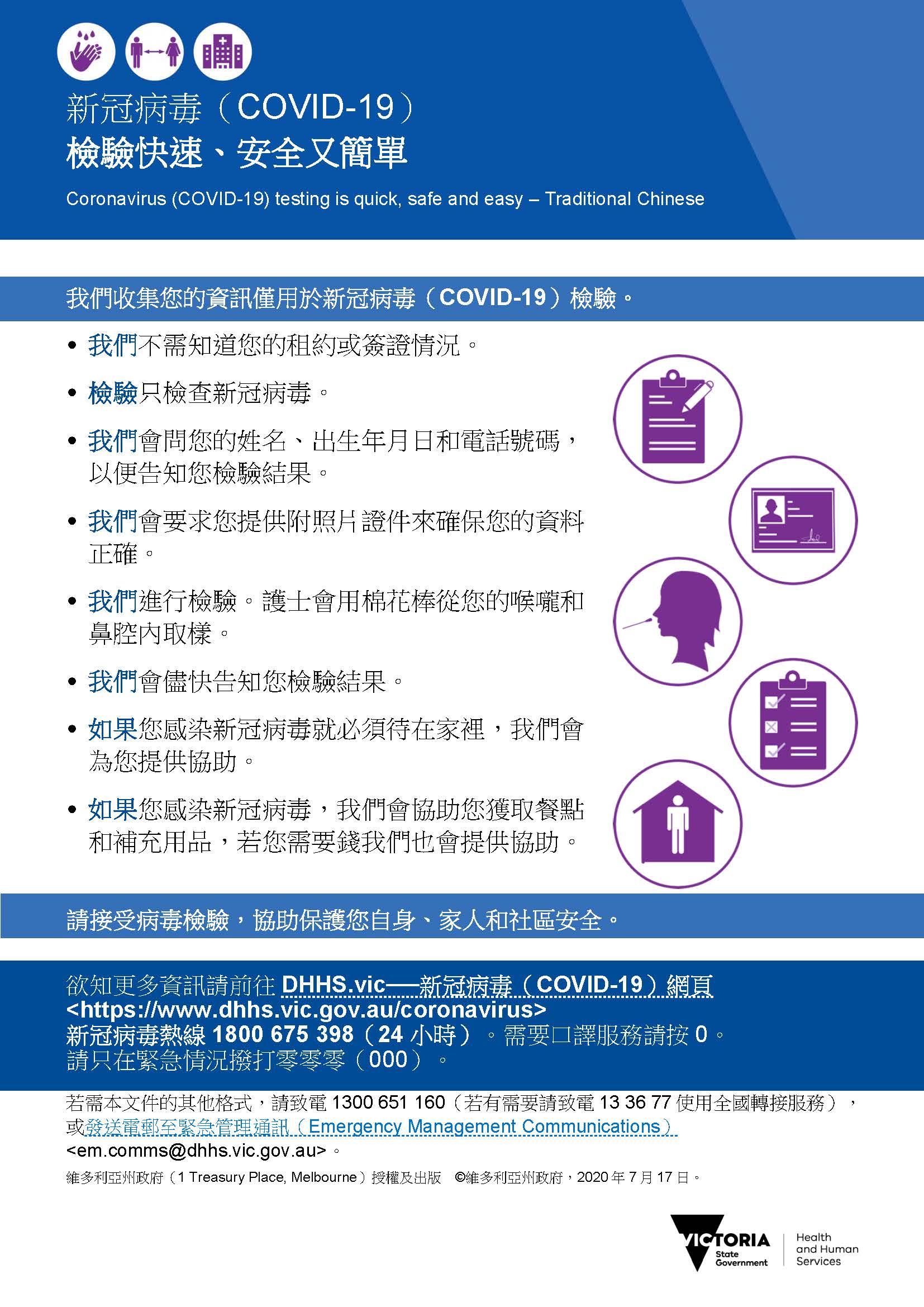
COVID-19 檢驗快速 安全又簡單
-
 Uncategorized5 years ago
How to wear a face mask 怎麼戴口罩
-
Uncategorized6 years ago
在最近的 COVID-19 應對行動中, 維多利亞州並非孤單
