
National News
Australian Government Meets With Tech Giants Over Upcoming Social Media Ban for Under-16s


National News
One Nation’s “Spot the Westerner” Video Condemned

While One Nation as a political party has been gaining traction from the Australian public, its recent approach of releasing a video on 31st January 2026 about ‘spotting the Westerner’ has been publicly and socially condemned by many sides.
The video was released by One Nation’s Victorian State Secretary Bianca Colecchia, who filmed strangers on the streets in Melbourne’s CBD and asked viewers to spot the Westerner in the same footage. She then further explained that the video is about demonstrating how multiculturalism is a failed concept, as ‘goodness in individuals can’t cancel cultural erosion brought by immigrants’, even going as far as to claiming westerners are now minorities due to new cultural populations from ‘non-culturally cohesive countries’.
This video along with Colecchia’s statements have caused immense backlash. Liberal NSW Senator replies with how this is proof that One Nation is trying to divide Australians by damaging the core of Australia’s multiculturalism, while offering zero new solution to existing problems such as housing shortages that are incited by policy failures instead.
Many others, namely Multicultural Affairs Minister Anne Aly and Ethnic Communities’ Council of Victoria chief executive Farah Farouque, also rightfully call out that the video is a selectively edited act of provocative populism, by undermining important contributions from skilled migrants. They both agree that migration is the foundation of Australia’s success, and therefore sensible Australians will reject the notion.
National News
Littleproud retains leadership, Sussan Ley’s position uncertain

National Party leader David Littleproud faced a leadership spill motion proposed by party MP Colin Boyce today. However, most observers believe he has enough support to survive the challenge and retain leadership.
The challenge stems from recent cracks between the Nationals and the Liberal Party. The Nationals withdrew from the coalition over the government’s handling of the Hate Speech Act, causing several shadow cabinet members to resign and creating a stalemate. Boyce advocated reuniting with the Liberals, warning that continued division could lead to loss of voter support.
The leadership position of Liberal Party leader Sussan Ley is also uncertain. Some party members wish to maintain stability without undermining her, while conservative supporters could challenge her in the coming weeks.
The Nationals are set to negotiate with Ley on whether to repair the coalition or allow the split to persist. Some Liberal MPs have drafted temporary shadow cabinet arrangements, potentially filling seats that have not rejoined the coalition in the short term.
National News
Former member exposes Shincheonji recruiting pastors

A former member who claims to have worked inside South Korea’s Shincheonji Church for several years told the Australian Broadcasting Corporation (ABC) that he was part of a team responsible for contacting and recruiting other church pastors. This is not ordinary evangelical outreach; it is a strategic operation with plans, lists, and progress tracking, aiming to attract entire parishes or congregations to Shincheonji.
The former member, Matthew, said the team, called the “Pastor Evangelism Team,” targeted pastors across Australia to convince them to adopt Shincheonji teachings. Once a pastor changed allegiance, they would bring their entire congregation with them. At least ten pastors reportedly had ongoing dialogues with the team, and around five showed keen interest in joining. Internal records revealed that Shincheonji had compiled over a thousand Australian churches’ and pastors’ contact details, tracking progress of communication, whether the pastor knew the church had been labeled a cult, and whether they opposed it.
Melbourne pastor Rasenberger said he had received multiple contact invitations. Some invitations appeared to be “interchurch dialogue” or “Bible study sessions” but were actually disguised recruitment activities. Upon investigation, he immediately refused and warned colleagues that it was a cult.
Shincheonji founder Lee Man-hee claims to be “divinely inspired,” teaching that only he can interpret the true meaning of the Book of Revelation and promising salvation to believers at the end of days. Mainstream Christian churches generally consider Shincheonji a fringe religion or cult rather than traditional Christianity.
The report notes that Shincheonji’s Australian branch is registered as a charity, currently enjoying certain legal protections and tax benefits. Supporters of former members and aid organizations are calling on the government to review which groups can receive such benefits to prevent cults from exploiting legal loopholes.

Pro-Trump Brazilian Influencer Arrested by U.S. ICE
German Chancellor Merz Discusses “Shared Nuclear Umbrella” with European Allies
One Nation’s “Spot the Westerner” Video Condemned
Littleproud retains leadership, Sussan Ley’s position uncertain
Starmer suggests Prince Andrew testify to US Congress

Fraudulent ivermectin studies open up new battleground

Cantonese Mango Sago
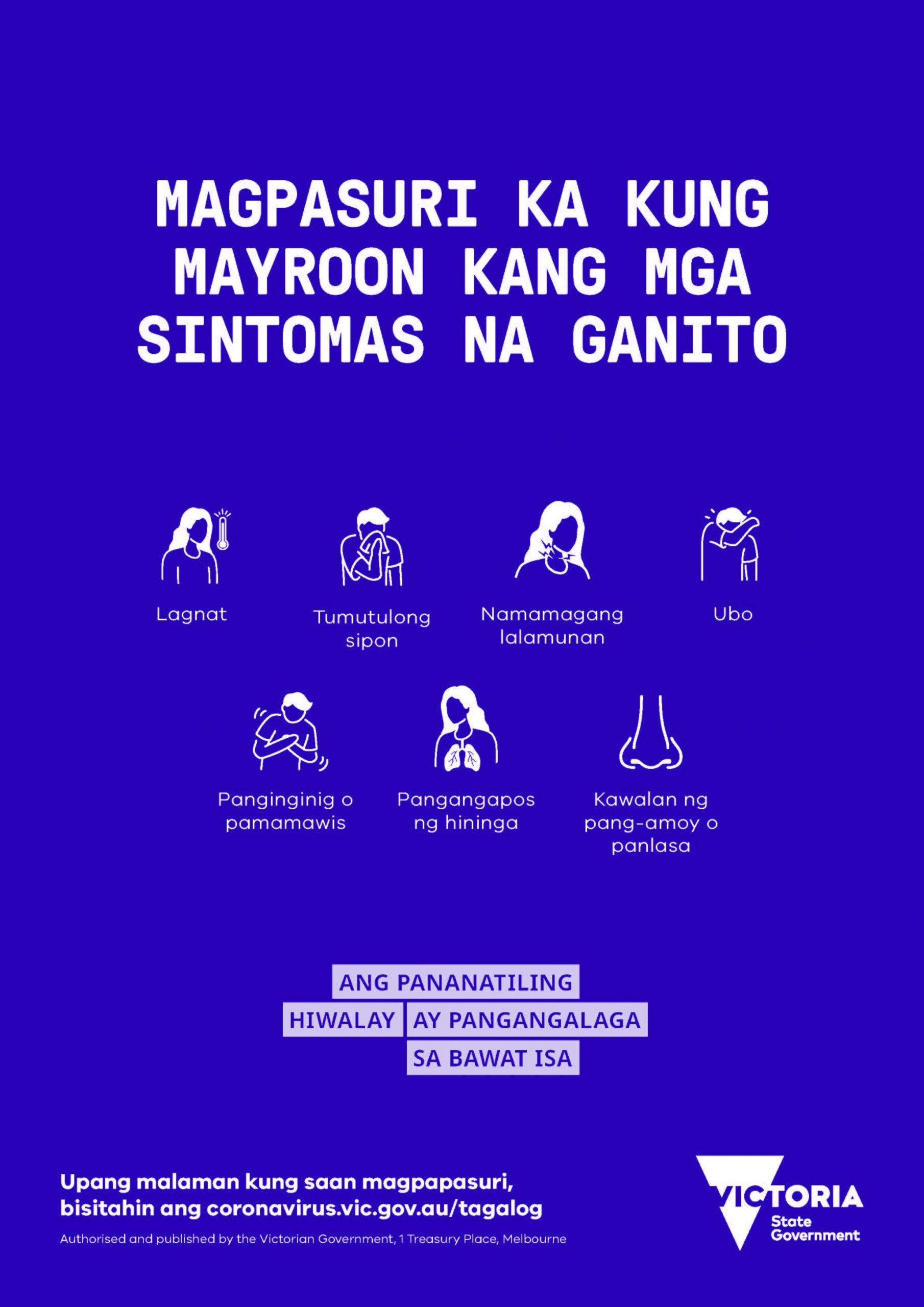
FILIPINO: Kung nakakaranas ka ng mga sumusunod na sintomas, mangyaring subukan.
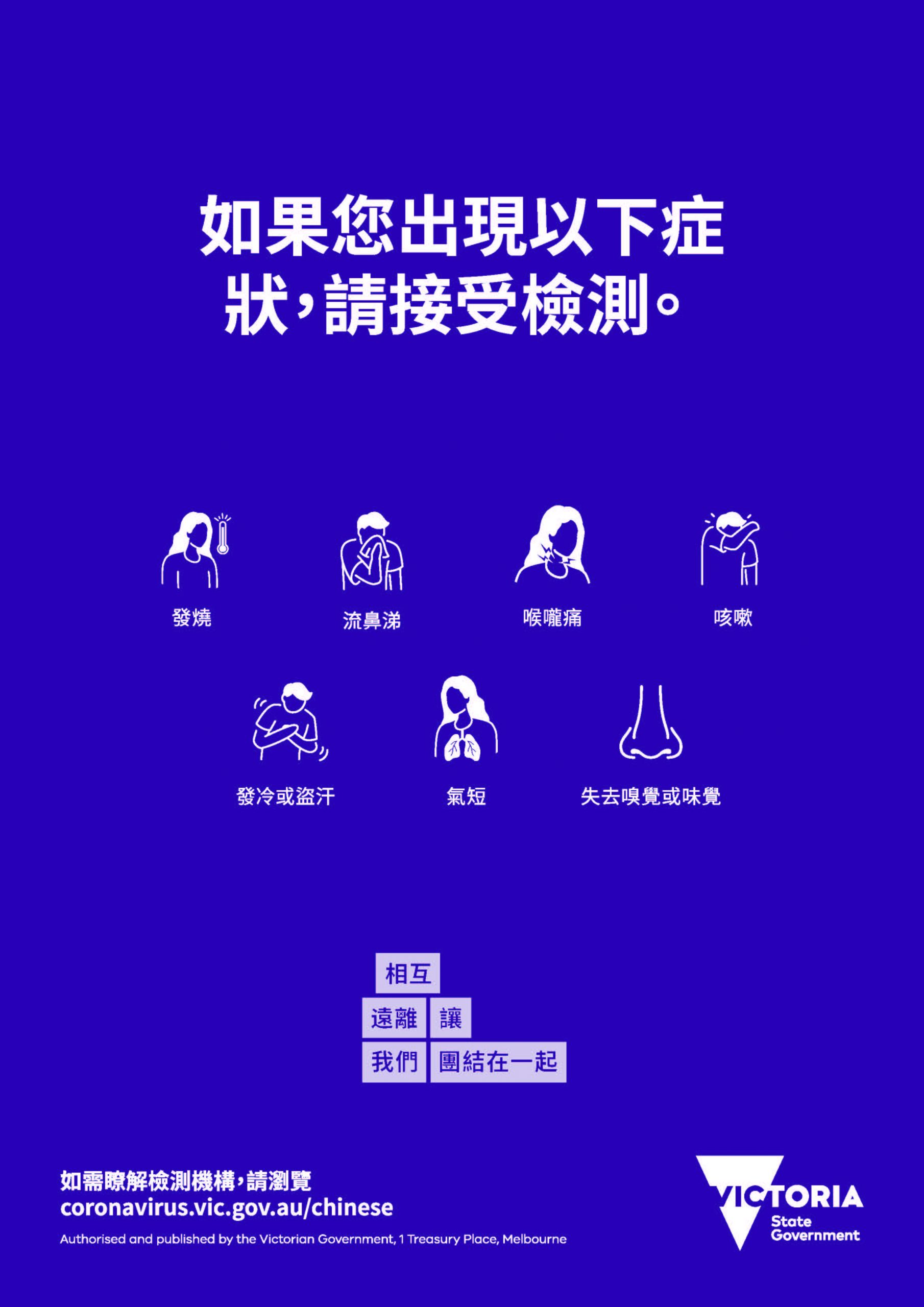
如果您出現以下症狀,請接受檢測。
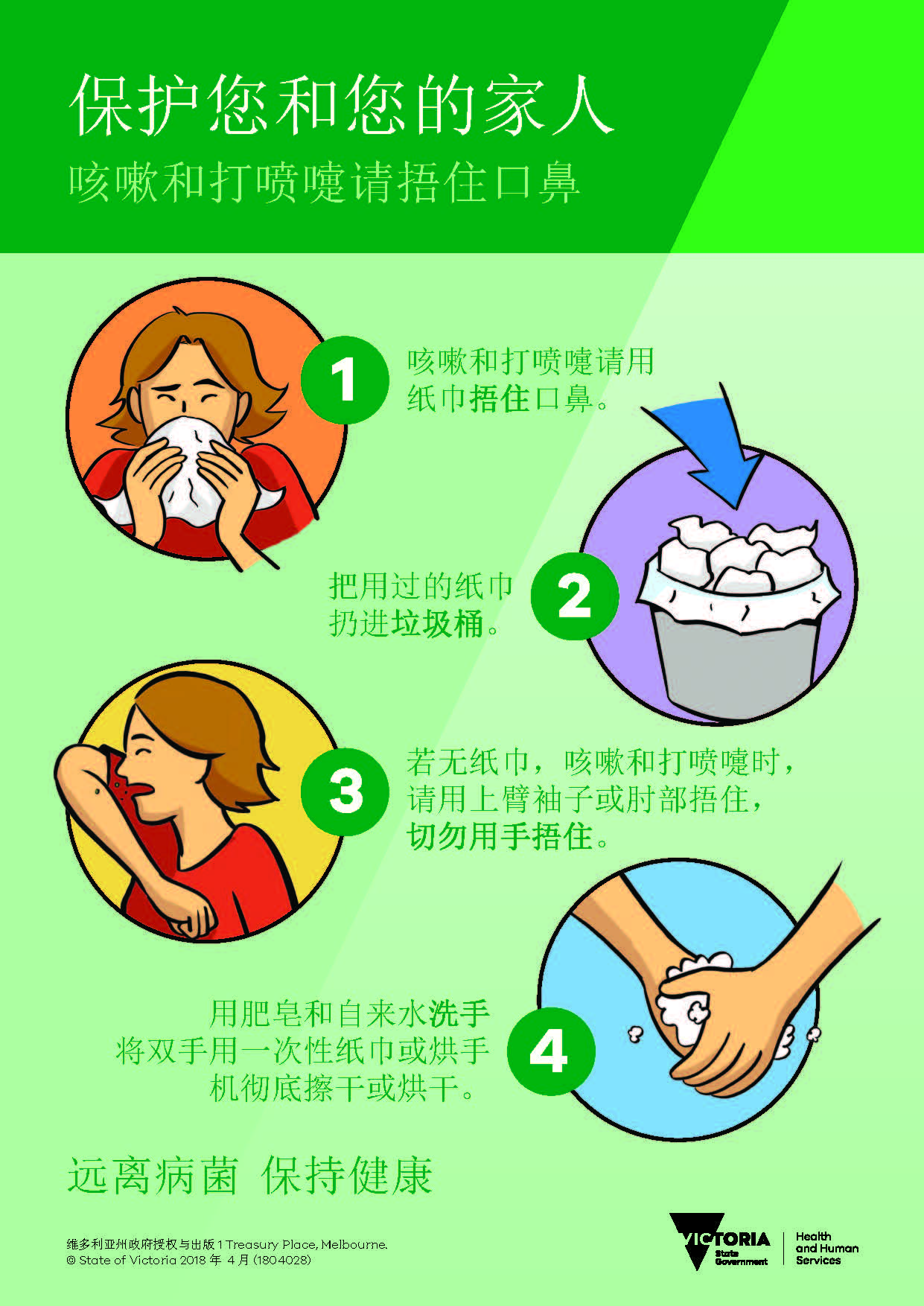
保护您自己和家人 – 咳嗽和打喷嚏时请捂住

Victorian Government Issues Historic Apology to Indigenous Peoples

Australia and U.S. Finalize Expanded U.S. Military Presence and Base Upgrade Plan

7.5-Magnitude Earthquake Strikes Off Northeastern Coast of Japan

Paramount Challenges Netflix with Warner Bros Acquisition Bid

Thailand Strikes Cambodia as Border Clashes Escalate
-
 COVID-19 Around the World4 years ago
Fraudulent ivermectin studies open up new battleground
-
 Cuisine Explorer5 years ago
Cantonese Mango Sago
-
Tagalog5 years ago
FILIPINO: Kung nakakaranas ka ng mga sumusunod na sintomas, mangyaring subukan.
-
Uncategorized5 years ago
如果您出現以下症狀,請接受檢測。
-
Cantonese - Traditional Chinese5 years ago
保护您自己和家人 – 咳嗽和打喷嚏时请捂住
-
 Uncategorized5 years ago
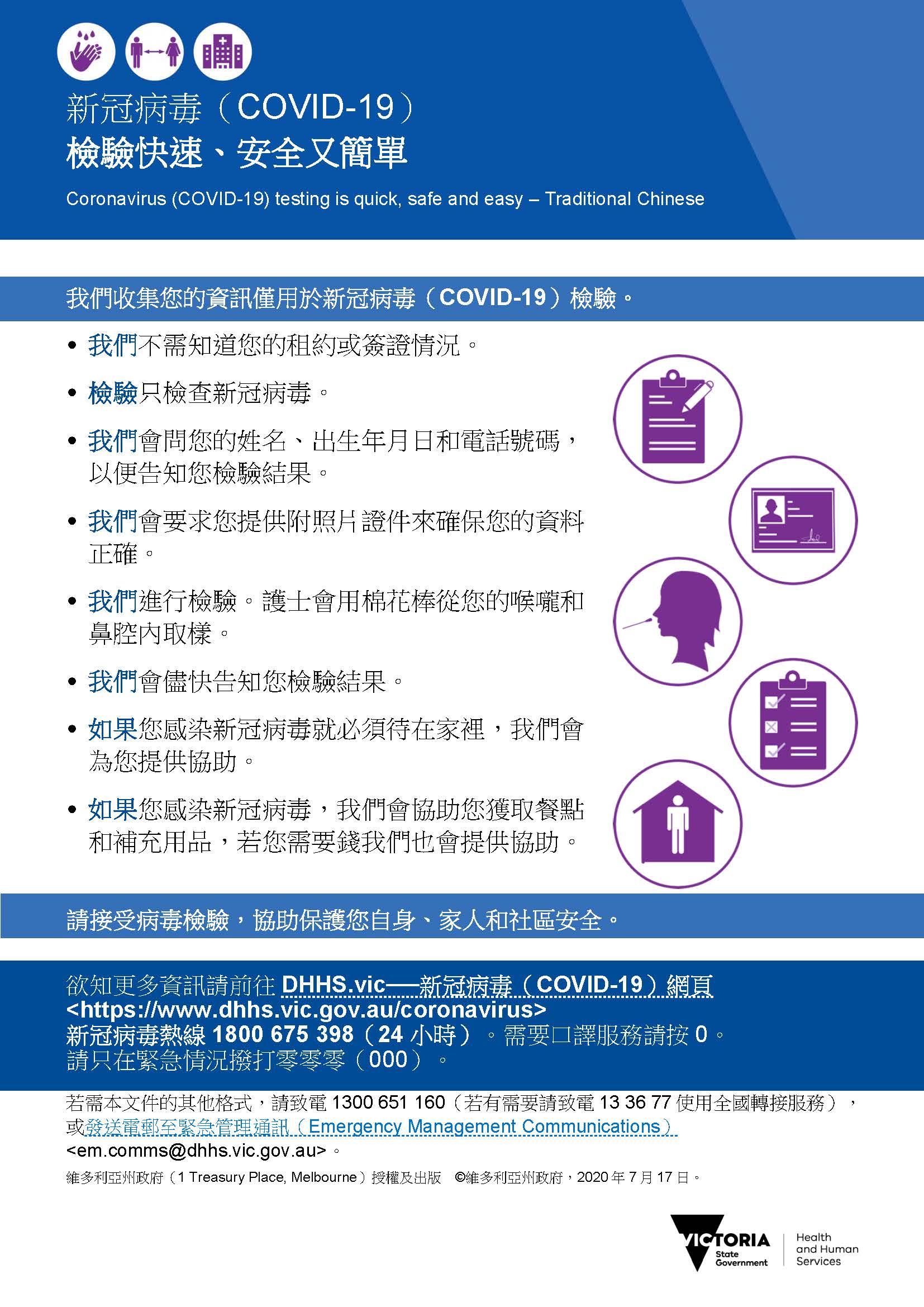
COVID-19 檢驗快速 安全又簡單
-
 Uncategorized5 years ago
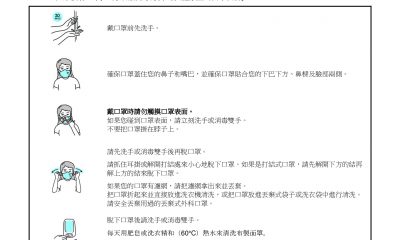
How to wear a face mask 怎麼戴口罩
-
Uncategorized6 years ago
在最近的 COVID-19 應對行動中, 維多利亞州並非孤單
