
National News
Bondi Beach Shooting Sparks Gun Control Debate

A 43-year-old man, Ahmed al-Ahmed, rushed at a gunman during a deadly shooting at Bondi Beach in Sydney, where crowds had gathered for a Jewish festival. He wrestled the gun away, potentially saving countless lives. Footage shows him bravely confronting the armed attacker and successfully neutralizing the threat, though he was shot multiple times in the process and remains hospitalized. Ahmed and his family stated that he acted out of conscience, unable to stand by while people were dying. His actions have been praised by the Australian Prime Minister, state leaders, and international figures, and a large-scale fundraising campaign has been launched to support his recovery.
The shooting has also reignited debate over gun control. Data show that several Sydney suburbs in New South Wales, such as Penrith, Blacktown, Hawkesbury, and Canterbury-Bankstown, have surprisingly high gun ownership. One suspect in the shooting legally possessed up to six firearms, many of which were registered for recreational hunting. This has prompted calls to review existing firearm laws, including limits on the number of guns an individual can own, stricter licensing requirements, and whether a nationwide gun registry is sufficient to ensure public safety.

National News
Australian Government Unveils Blueprint for Autism and Developmental Delay Programs

On February 3, the Australian government officially released a new service model report called “Thriving Kids”, aimed at providing more timely and comprehensive early intervention support for children nationwide with autism or developmental delays and their families. This initiative is part of a major reform to Australia’s National Disability Insurance Scheme (NDIS).
Under the “Thriving Kids” service model, access to support will no longer rely solely on a formal medical diagnosis. The report emphasizes providing early intervention services based on each child’s specific needs and functional difficulties during critical developmental stages, rather than forcing parents to wait for costly and time-consuming diagnostic reports and risk missing the crucial treatment window.
Federal and state governments will jointly fund stronger foundational support systems in communities, kindergartens, and schools. The plan recommends simplifying the process for parents seeking help, allowing families to more quickly access speech therapy, occupational therapy, and psychological counseling services. This means that even children not yet enrolled in the NDIS can receive professional developmental support in their everyday environments.
NDIS Minister Mark Butler stated that the reform aims to ensure “no child falls through the cracks of the system.” Autism advocacy groups have expressed cautious optimism, supporting the “needs-driven” approach while reminding the government that sufficient funding and professional staffing for foundational support are essential to avoid service gaps.
National News
One Nation’s “Spot the Westerner” Video Condemned

While One Nation as a political party has been gaining traction from the Australian public, its recent approach of releasing a video on 31st January 2026 about ‘spotting the Westerner’ has been publicly and socially condemned by many sides.
The video was released by One Nation’s Victorian State Secretary Bianca Colecchia, who filmed strangers on the streets in Melbourne’s CBD and asked viewers to spot the Westerner in the same footage. She then further explained that the video is about demonstrating how multiculturalism is a failed concept, as ‘goodness in individuals can’t cancel cultural erosion brought by immigrants’, even going as far as to claiming westerners are now minorities due to new cultural populations from ‘non-culturally cohesive countries’.
This video along with Colecchia’s statements have caused immense backlash. Liberal NSW Senator replies with how this is proof that One Nation is trying to divide Australians by damaging the core of Australia’s multiculturalism, while offering zero new solution to existing problems such as housing shortages that are incited by policy failures instead.
Many others, namely Multicultural Affairs Minister Anne Aly and Ethnic Communities’ Council of Victoria chief executive Farah Farouque, also rightfully call out that the video is a selectively edited act of provocative populism, by undermining important contributions from skilled migrants. They both agree that migration is the foundation of Australia’s success, and therefore sensible Australians will reject the notion.
National News
Littleproud retains leadership, Sussan Ley’s position uncertain

National Party leader David Littleproud faced a leadership spill motion proposed by party MP Colin Boyce today. However, most observers believe he has enough support to survive the challenge and retain leadership.
The challenge stems from recent cracks between the Nationals and the Liberal Party. The Nationals withdrew from the coalition over the government’s handling of the Hate Speech Act, causing several shadow cabinet members to resign and creating a stalemate. Boyce advocated reuniting with the Liberals, warning that continued division could lead to loss of voter support.
The leadership position of Liberal Party leader Sussan Ley is also uncertain. Some party members wish to maintain stability without undermining her, while conservative supporters could challenge her in the coming weeks.
The Nationals are set to negotiate with Ley on whether to repair the coalition or allow the split to persist. Some Liberal MPs have drafted temporary shadow cabinet arrangements, potentially filling seats that have not rejoined the coalition in the short term.

Pro-Trump Brazilian Influencer Arrested by U.S. ICE
German Chancellor Merz Discusses “Shared Nuclear Umbrella” with European Allies
Australian Government Unveils Blueprint for Autism and Developmental Delay Programs
One Nation’s “Spot the Westerner” Video Condemned
Littleproud retains leadership, Sussan Ley’s position uncertain

Fraudulent ivermectin studies open up new battleground

Cantonese Mango Sago
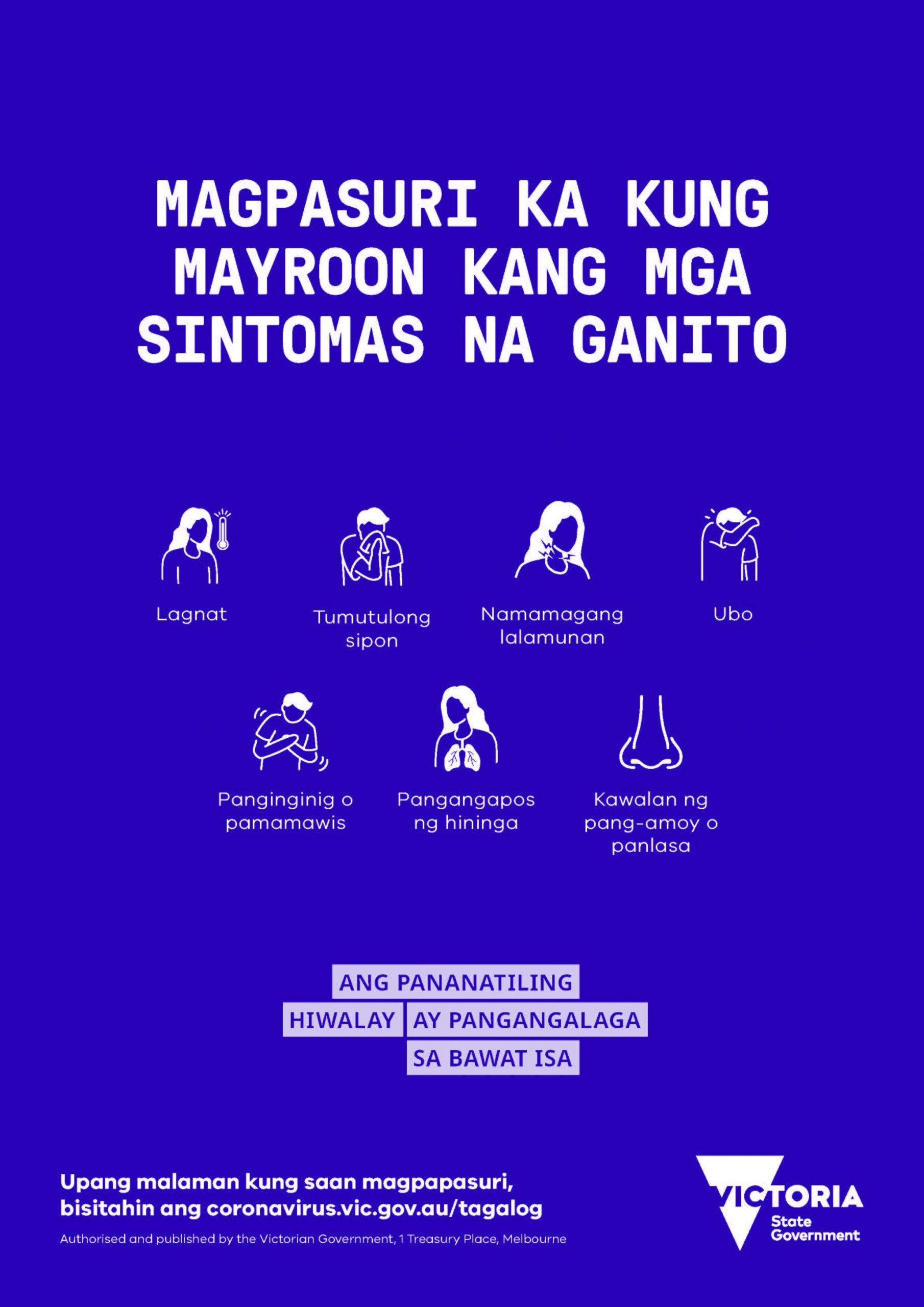
FILIPINO: Kung nakakaranas ka ng mga sumusunod na sintomas, mangyaring subukan.

如果您出現以下症狀,請接受檢測。
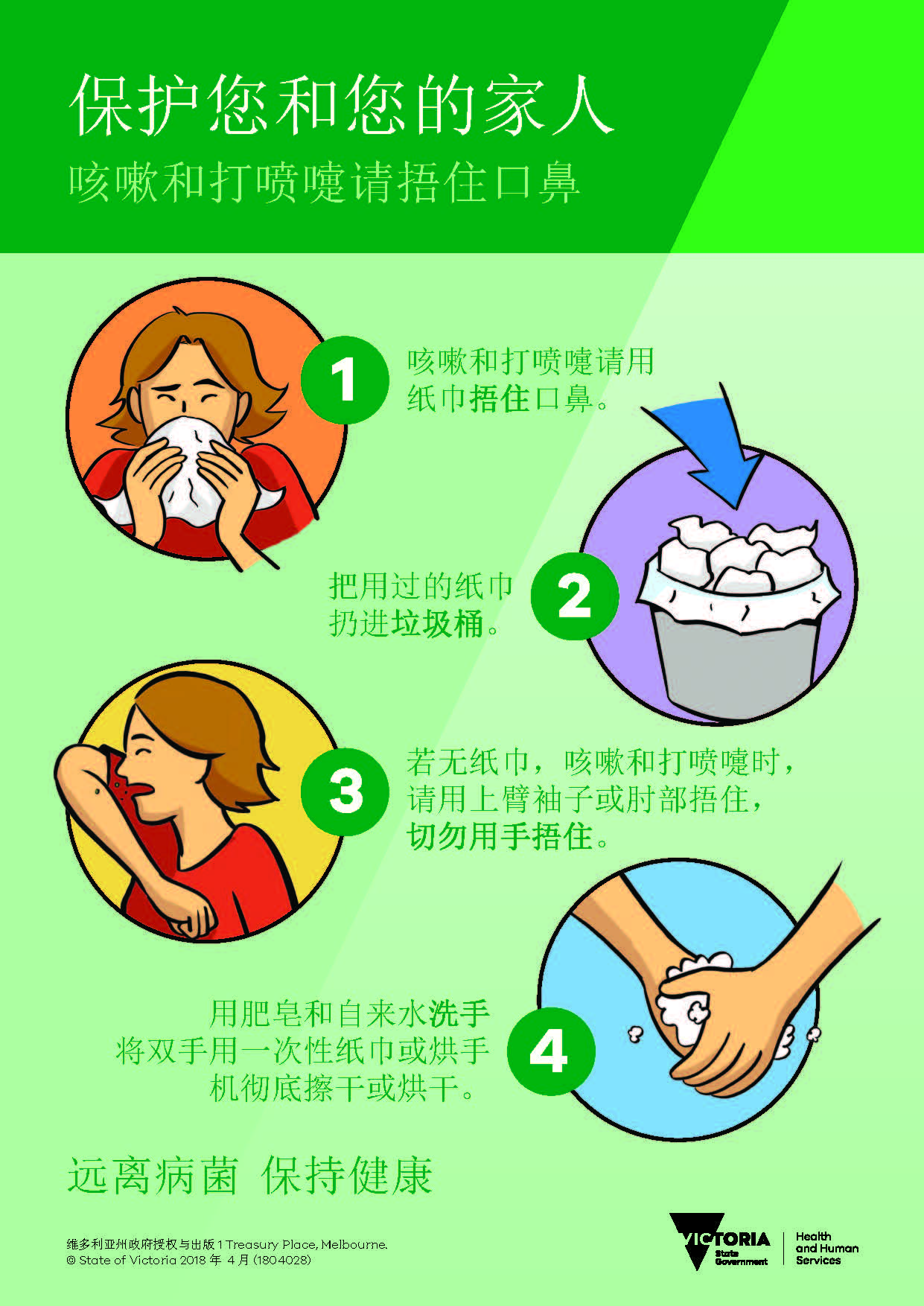
保护您自己和家人 – 咳嗽和打喷嚏时请捂住

Victorian Government Issues Historic Apology to Indigenous Peoples

Australia and U.S. Finalize Expanded U.S. Military Presence and Base Upgrade Plan

7.5-Magnitude Earthquake Strikes Off Northeastern Coast of Japan

Paramount Challenges Netflix with Warner Bros Acquisition Bid

Thailand Strikes Cambodia as Border Clashes Escalate
-
 COVID-19 Around the World4 years ago
Fraudulent ivermectin studies open up new battleground
-
 Cuisine Explorer5 years ago
Cantonese Mango Sago
-
Tagalog5 years ago
FILIPINO: Kung nakakaranas ka ng mga sumusunod na sintomas, mangyaring subukan.
-
Uncategorized5 years ago
如果您出現以下症狀,請接受檢測。
-
Cantonese - Traditional Chinese5 years ago
保护您自己和家人 – 咳嗽和打喷嚏时请捂住
-
 Uncategorized5 years ago
COVID-19 檢驗快速 安全又簡單
-
 Uncategorized5 years ago
How to wear a face mask 怎麼戴口罩
-
Uncategorized6 years ago
在最近的 COVID-19 應對行動中, 維多利亞州並非孤單
