
National News
ATO will not budge after snap meeting over credit card ban

The Australian Taxation Office (ATO) will not budge on its decision to stop accepting credit card payments from December 1, after holding a snap crisis meeting with business groups angered by the move.
Australia’s tax chief convened a meeting with business groups this morning to discuss the changes in the wake of widespread backlash. But the ATO has indicated it is not going to reverse the credit card ban, according to a spokesperson from the Australian Chamber of Commerce and Industry (ACCI), which attended the meeting.
Last week the tax office announced it would stop accepting credit card payments at the end of next month. That step came in response to the Reserve Bank of Australia’s reforms to scrap card surcharges from October 1, which the bank said was “in the public interest” and would save customers about $1.6 billion a year. The ATO said it would continue accepting credit cards until November 30 to allow for a transition period, saying it was untenable beyond that point.
Small business owners say they have been expected to absorb the fees of card transactions themselves, and have lost the option of using credit card payments to the ATO as a cash flow method. Some feared the sudden change would mean they needed to source cash quickly to begin paying by debit instead, or they would be forced to go into arrears with the ATO, and that could result in enforcement against their businesses, including possible closure.
The Council of Small Business Organisations Australia (COSBOA) said it raised issues for businesses that used credit cards as a cash flow tool and said the decision “warrants a rethink”. Master Builders CEO Denita Wawn also said the surcharge card ban and other regulatory decisions were made “without consultation” and showed a “lack of practical understanding of the impact of decisions being made by this government”.

National News
Trial of Australians charged over $1.9m investment scam in Thailand continues

The trial of five Australian men accused of defrauding Australian victims of $1.9 million in an alleged financial scam will resume at court in Bangkok.
Mark Dennis, 54, Brett Peter Dawson, 51, Nicholas John Mason, 43, Christopher Pepena, 48, and Luke Cameron Campbell, 45, were arrested by Thai authorities in 2025 during a raid on a house on the outskirts of Bangkok. Eight other foreign nationals, including Britons, Canadians and South Africans, were also arrested.
Thailand’s Central Investigation Bureau (CIB) said the Australian Federal Police (AFP) first alerted Thai authorities to the alleged scam operation, which was reportedly led by Australian national Mark Dennis and a British man. The AFP did not respond to the ABC’s queries but Thailand CIB’s Deputy Superintendent of Foreign Affairs Ekapol Panjamanond said the Australian agency had been monitoring Mr Dennis in Indonesia before he moved to Thailand. The AFP and the CIB subsequently launched a joint investigation, he said.
The defendants are charged with participating in transnational organised crime and are accused of operating an online investment fraud scheme that targeted victims in Australia through advertisements on Meta and Google. The other defendants are detained in Bangkok Remand Prison and face a maximum penalty of 15 years in prison if convicted of the charges.
Police allege that the advertisements offered investors the opportunity to buy three-year bonds with annual returns of between 8.5 per cent and 10 per cent. However, investigators believe the suspects intended to shut down the operation before the bonds matured, without the investors realising they had been defrauded.
The National Anti-Scam Centre in Australia estimated victims lost more than $837 million last year in fake investment schemes, which is the most common tactic used by scammers.
National News
Experts said election promises not enough to fix Victoria’s crumbling roads

Potholes have caused growing anger over the quality of the road network across Victoria leading into the state election.
Recently during August and September, a motorcyclist Peter “Tiki” Mason died after reportedly hitting a pothole on the Western Highway, and dozens of cars were forced off the road after hitting large potholes that opened up along the Princes Freeway at Bunyip in Victoria’s east.
Former VicRoads staff told the ABC that privatisation was partly to blame for the deterioration in road quality, despite both major parties Liberal and Labour having put potholes at the centre of their pitch to voters: In this year’s budget, Labor allocated $1 billion for pothole repair, with most of the money earmarked for regional Victoria, while the Coalition has promised to spend $5 billion addressing the problem over the next term of parliament if it wins.
Despite the parties’ promises, an auditor-general’s report in September found almost half of Victoria’s road network was in poor condition and crumbling faster than can be fixed, and it would cost more than $3 billion a year to maintain the state’s roads in their current condition.
Swinburne University associate professor of vehicle engineering Ambarish Kulkarni said the parties’ promises were not enough to fix the underlying problems affecting the state’s roads, and said the current approach was reactive rather than proactive, and if processes did not change, the same conversations about road maintenance would continue; He therefore proposed that Victoria should invest in research and new technologies, AI and drones, as well as upskilling workers to keep up with Australia’s growing population and road network.
National News
Rift grows between PM and Chinese-owned Landbridge over Darwin Port
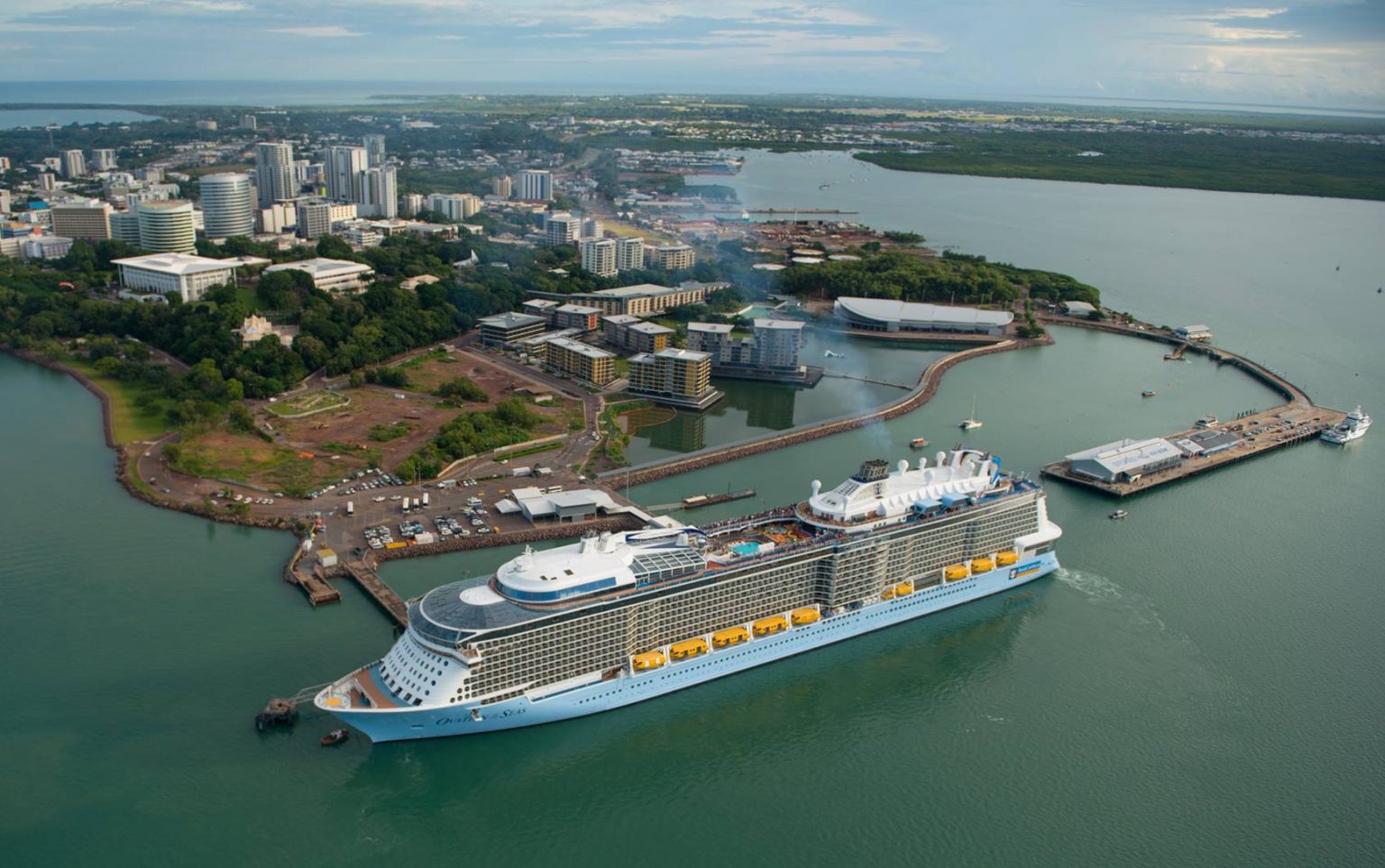
The rift between the federal government and the Chinese-owned company that holds a 99-year lease over the Port of Darwin has deepened after Landbridge reiterated it will be going ahead with a formal dispute under the Australia-China Free Trade Agreement.
PM Albanese said in Shenzhen that he was determined the federal government would go ahead with its election commitment to either acquire the Darwin Port lease or ensure it was sold to an Australian company, to return it to Australian hands before the next election. He also suggested that negotiations over his government’s plan were taking place.
The New Territories’ previous Country Liberal Party (CLP) government sold Landbridge the Darwin Port lease in 2015 to raise $500 million, to ease its burgeoning debt position, which has become the subject of intense geopolitical debate in the decade since.
In April, Landbridge lodged a case with the World Bank’s International Centre for Settlement of Investor Disputes, requesting “arbitration proceedings”, and in a recent statement seeking to refute the prime minister’s suggestion about negotiations. Landbridge also said it hoped the federal government would not make moves to strip it of the port while the international action was underway.
Maritime Union of Australia NT branch secretary Andy Burford said rather than spending money bringing a dispute in an international tribunal, workers would like to see more investment go into continuing to upgrade the port’s infrastructure. There have also been dissatisfaction with the government not fulfilling their promise to regain the port back under Australian ownership.

Hong Kong Book launch featuring migrant survivors of deadly Tai Po fire abruptly called off ahead of anniversary
Nvidia board reinstates CEO under Trump’s pressure
Trial of Australians charged over $1.9m investment scam in Thailand continues
Experts said election promises not enough to fix Victoria’s crumbling roads
Rift grows between PM and Chinese-owned Landbridge over Darwin Port

Cantonese Mango Sago
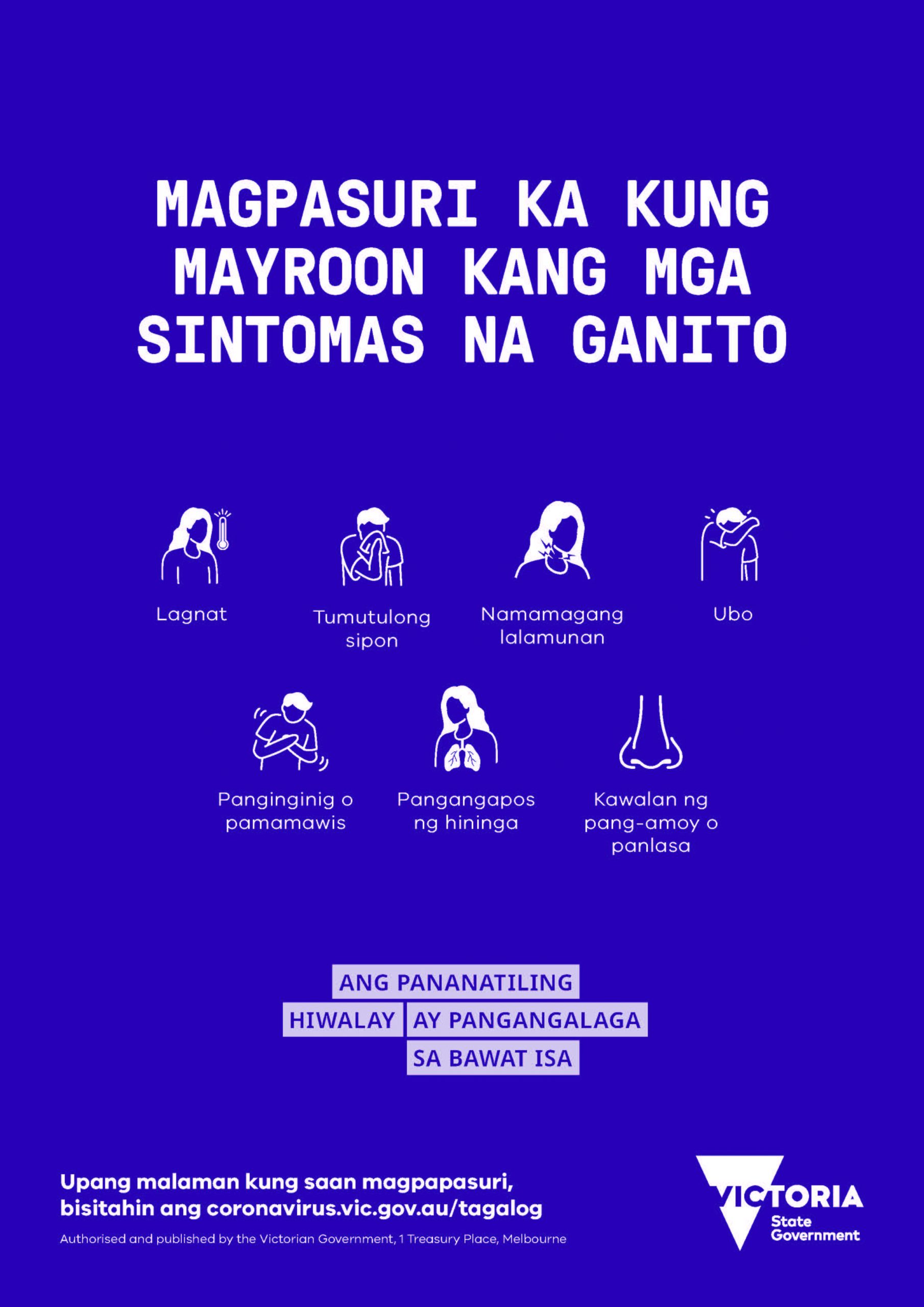
FILIPINO: Kung nakakaranas ka ng mga sumusunod na sintomas, mangyaring subukan.
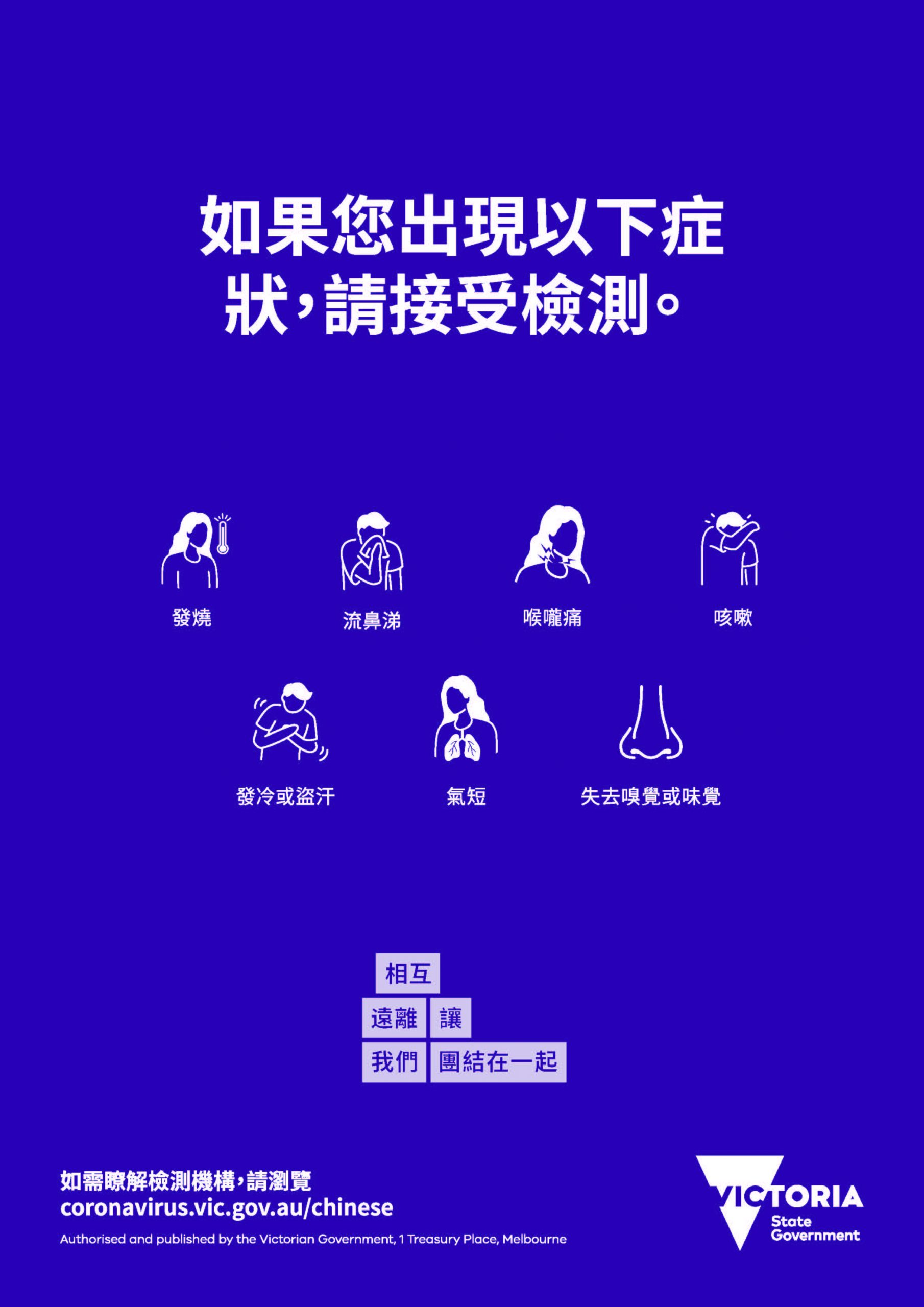
如果您出現以下症狀,請接受檢測。

How to wear a face mask 怎麼戴口罩

保护您自己和家人 – 咳嗽和打喷嚏时请捂住
UAE Fully Suspends Trade and Financial Ties with Iran
Victorian Liberal Candidate Counselled Over Volunteer Internship Program

Trump signs order banning “birth tourism” and further restricting birthright citizenship

SpaceX Rocket Debris Hits the Moon, Renewing Concerns Over Space Junk

Australia Sets New Standards for Men’s Behaviour Programs
-
 Cuisine Explorer6 years ago
Cantonese Mango Sago
-
Tagalog6 years ago
FILIPINO: Kung nakakaranas ka ng mga sumusunod na sintomas, mangyaring subukan.
-
Uncategorized6 years ago
如果您出現以下症狀,請接受檢測。
-
 Uncategorized6 years ago
How to wear a face mask 怎麼戴口罩
-
Cantonese - Traditional Chinese6 years ago
保护您自己和家人 – 咳嗽和打喷嚏时请捂住
-
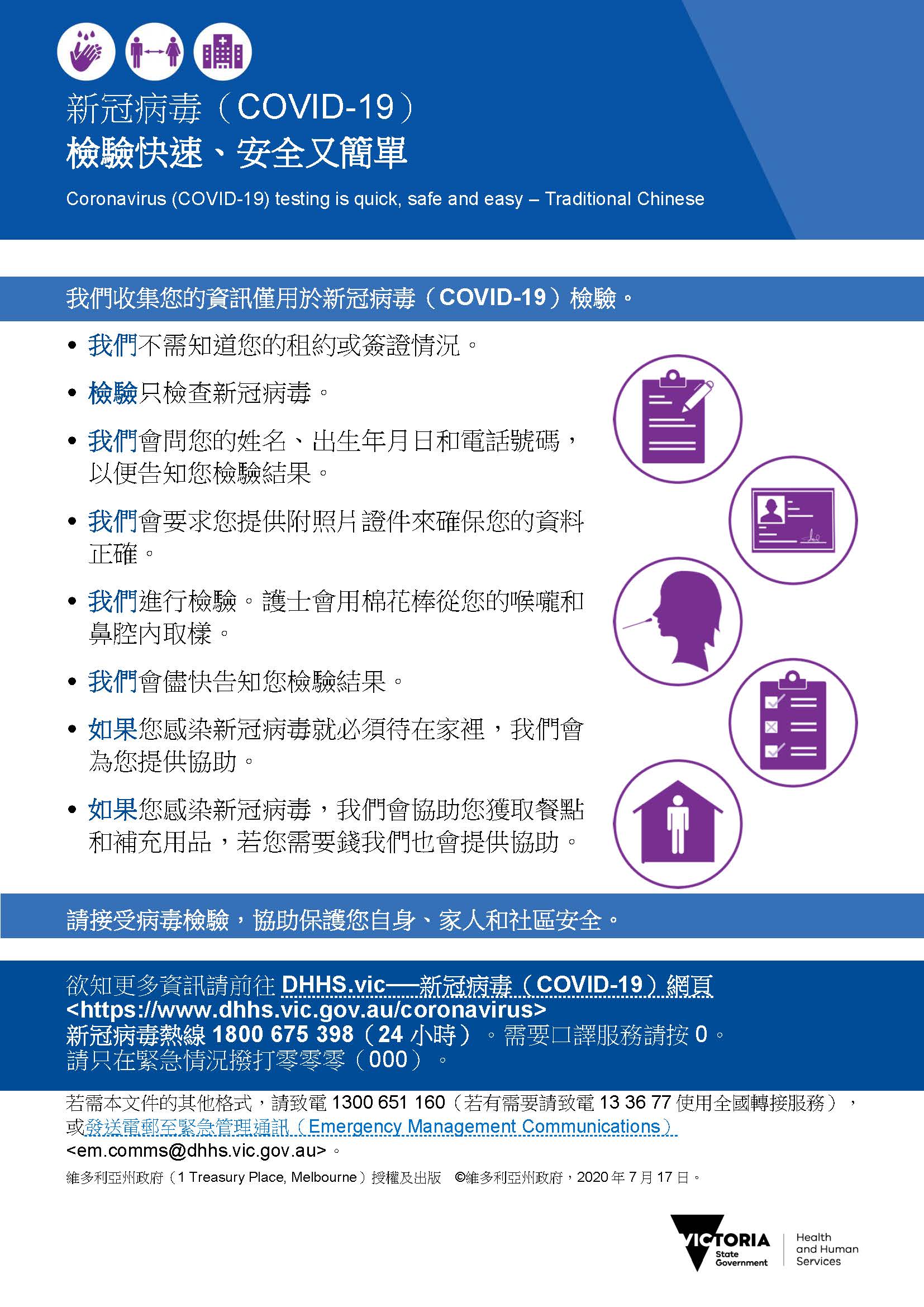 Uncategorized6 years ago
COVID-19 檢驗快速 安全又簡單
-
Uncategorized6 years ago
在最近的 COVID-19 應對行動中, 維多利亞州並非孤單
-
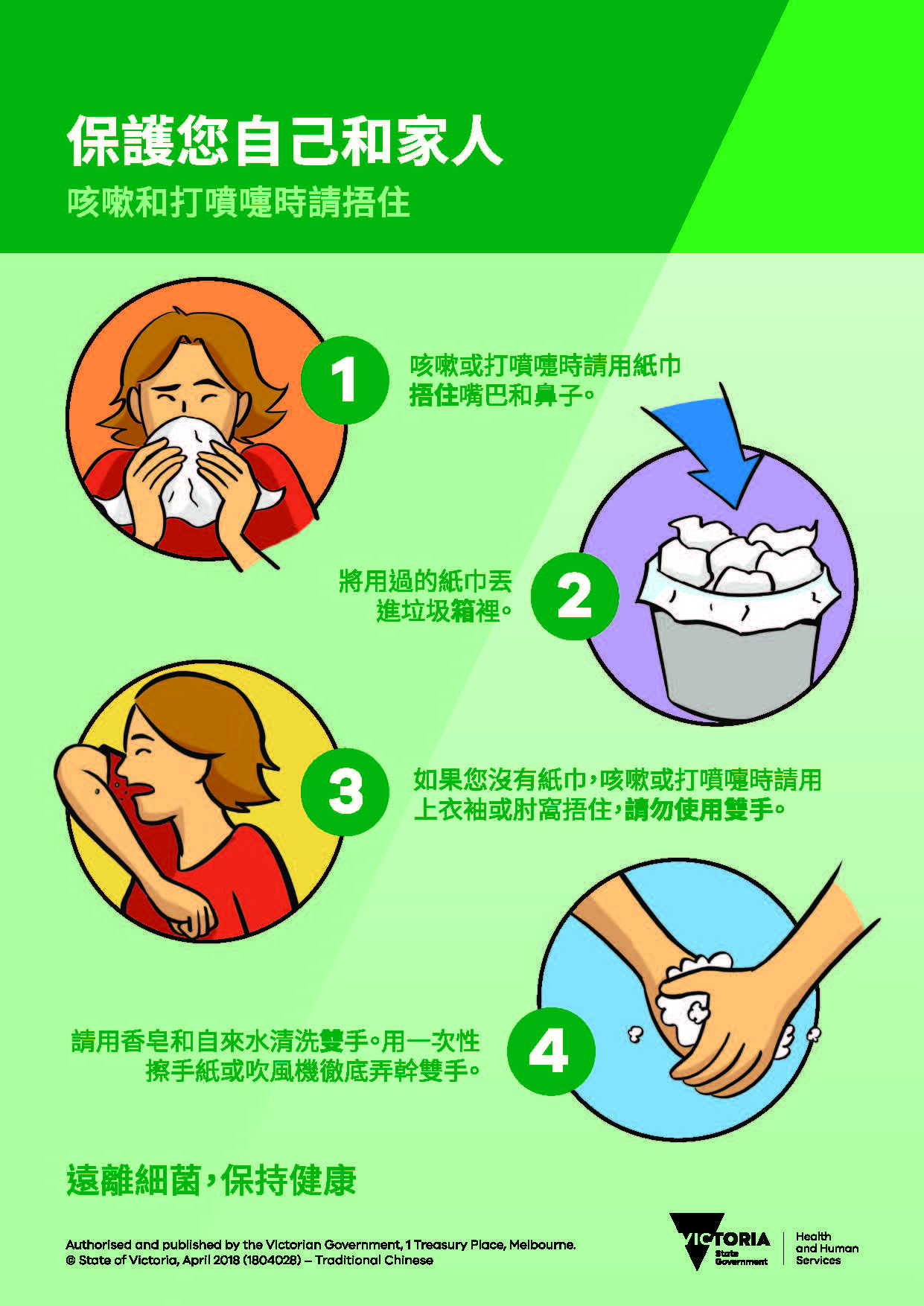 Cantonese - Traditional Chinese6 years ago
保護您自己和家人 – 咳嗽和打噴嚏時請捂住
