
National News
Fare Evasion Raises Concerns on Victoria Buses

Victoria’s Myki public transport system has long faced fare evasion issues, resulting in lost revenue. According to a recent survey, compliance is about 95.5%, with bus routes and certain train stations showing higher rates of evasion, meaning roughly 4.5% of passengers do not pay fares. In some areas, fare evasion reaches 14%, highlighting the prevalence of the issue.
To address this problem, the Victorian government has increased fines; as of 2024, the penalty for not having a valid ticket is AUD 296, among the highest globally. In addition to higher fines, the government has strengthened inspections and monitoring, adding more ticket inspectors and card readers in evasion hotspots.
However, high fines have raised concerns among social welfare groups, who argue that they disproportionately affect low-income or vulnerable groups and can punish occasional mistakes. Experts suggest that fines and inspections alone cannot solve the problem; improving the quality and convenience of public transport is a more sustainable solution. Accordingly, the Victorian government plans to launch a new contactless payment system in early 2026, allowing passengers to pay via bank card, mobile phone, or smartwatch without a Myki card. More card readers will also be installed statewide to support this transition.

National News
ATO will not budge after snap meeting over credit card ban

The Australian Taxation Office (ATO) will not budge on its decision to stop accepting credit card payments from December 1, after holding a snap crisis meeting with business groups angered by the move.
Australia’s tax chief convened a meeting with business groups this morning to discuss the changes in the wake of widespread backlash. But the ATO has indicated it is not going to reverse the credit card ban, according to a spokesperson from the Australian Chamber of Commerce and Industry (ACCI), which attended the meeting.
Last week the tax office announced it would stop accepting credit card payments at the end of next month. That step came in response to the Reserve Bank of Australia’s reforms to scrap card surcharges from October 1, which the bank said was “in the public interest” and would save customers about $1.6 billion a year. The ATO said it would continue accepting credit cards until November 30 to allow for a transition period, saying it was untenable beyond that point.
Small business owners say they have been expected to absorb the fees of card transactions themselves, and have lost the option of using credit card payments to the ATO as a cash flow method. Some feared the sudden change would mean they needed to source cash quickly to begin paying by debit instead, or they would be forced to go into arrears with the ATO, and that could result in enforcement against their businesses, including possible closure.
The Council of Small Business Organisations Australia (COSBOA) said it raised issues for businesses that used credit cards as a cash flow tool and said the decision “warrants a rethink”. Master Builders CEO Denita Wawn also said the surcharge card ban and other regulatory decisions were made “without consultation” and showed a “lack of practical understanding of the impact of decisions being made by this government”.
National News
Coalition MPs concede immigration pledge not fully costed by independent watchdog

Coalition MPs concede the party’s newly released immigration policy has not been costed in full by the Parliamentary Budget Office (PBO), despite Angus Taylor defending the plan as “budget neutral”.
Taylor, and the deputy Liberal leader, Jane Hume, have said repeatedly the Coalition “worked closely” with the independent budget watchdog on its plan to reduce net overseas migration to 100,000 for two years. Announced on Tuesday, the policy would see net overseas migration rates of 130,000 in the third year and 160,000 in the fourth.
Taylor’s office said they planned to have the policy cost before the next federal election, but had internally modelled the policy and used the PBO to fully assess the budget implications. PBO officials are not allowed to discuss costings for members of parliament but can choose to clarify references in media reports if they are incorrect or misrepresent PBO work. The PBO declined to comment on Wednesday.
Australian Chamber of Commerce and Industry boss, Andrew McKellar, rejected the planned cuts, arguing Australia had a housing supply problem, not an immigration problem. The acting prime minister, Richard Marles, warned that the Coalition plan would hurt agriculture, aged care and even defence. Business and the university sector have also warned the cuts are arbitrary, dangerous for the economy and likely to exacerbate shortages in key sectors, including health and aged care.
National News
Constitutional expert labels Albanese government’s golf club grant ‘grey corruption’

A leading constitutional expert has labelled an Albanese government decision to award a $6m grant to a golf club in the prime minister’s electorate as “grey corruption” and called the scheme under which it was given a “farce”.
Anne Twomey, a University of Sydney professor emerita, submitted the scathing assessment to a Senate inquiry into an opaque $560m invitation-only grants scheme used to fund projects Labor promised at the 2025 election, and which largely went to Labor-held seats. During the 2025 campaign, the government promised the Marrickville golf club, which is in Albanese’s electorate of Grayndler, $6m for a series of upgrades. The grant was awarded under a “closed non-competitive” process last July.
After coming under fire last month for the grant, Albanese said the funding was meant to fix problems caused by raw sewage flowing into the adjacent Cooks River. But Twomey wrote that there was no reference to this in the prime minister’s original announcement in 2025, only that it involved renovations and the harvesting of storm water to irrigate the golf course.
A scandal erupted last month when research found that the money in the program went overwhelmingly to Labor electorates. The Centre for Public Integrity found 73% of the allocated funding went to seats held by Labor MPs before the election.
Labor strongly defended the program as within the rules. The infrastructure minister, Catherine King, has said there was no conflict of interest as Albanese was not the decision-maker on the grant, and applications had been approved after they were assessed to show they met value for money.
Twomey labelled the gold club grant “grey corruption”, which she described as a “broad term that encompasses any actions where governments exercise their powers to favour private interests or political interests over the national interest”.

US man arrested as second suspect in Canada mass school shooting planned with ChatGPT
Tiananmen vigil organiser Chow Hang-tung files appeal against subversion sentence
ATO will not budge after snap meeting over credit card ban
Coalition MPs concede immigration pledge not fully costed by independent watchdog
Constitutional expert labels Albanese government’s golf club grant ‘grey corruption’

Cantonese Mango Sago
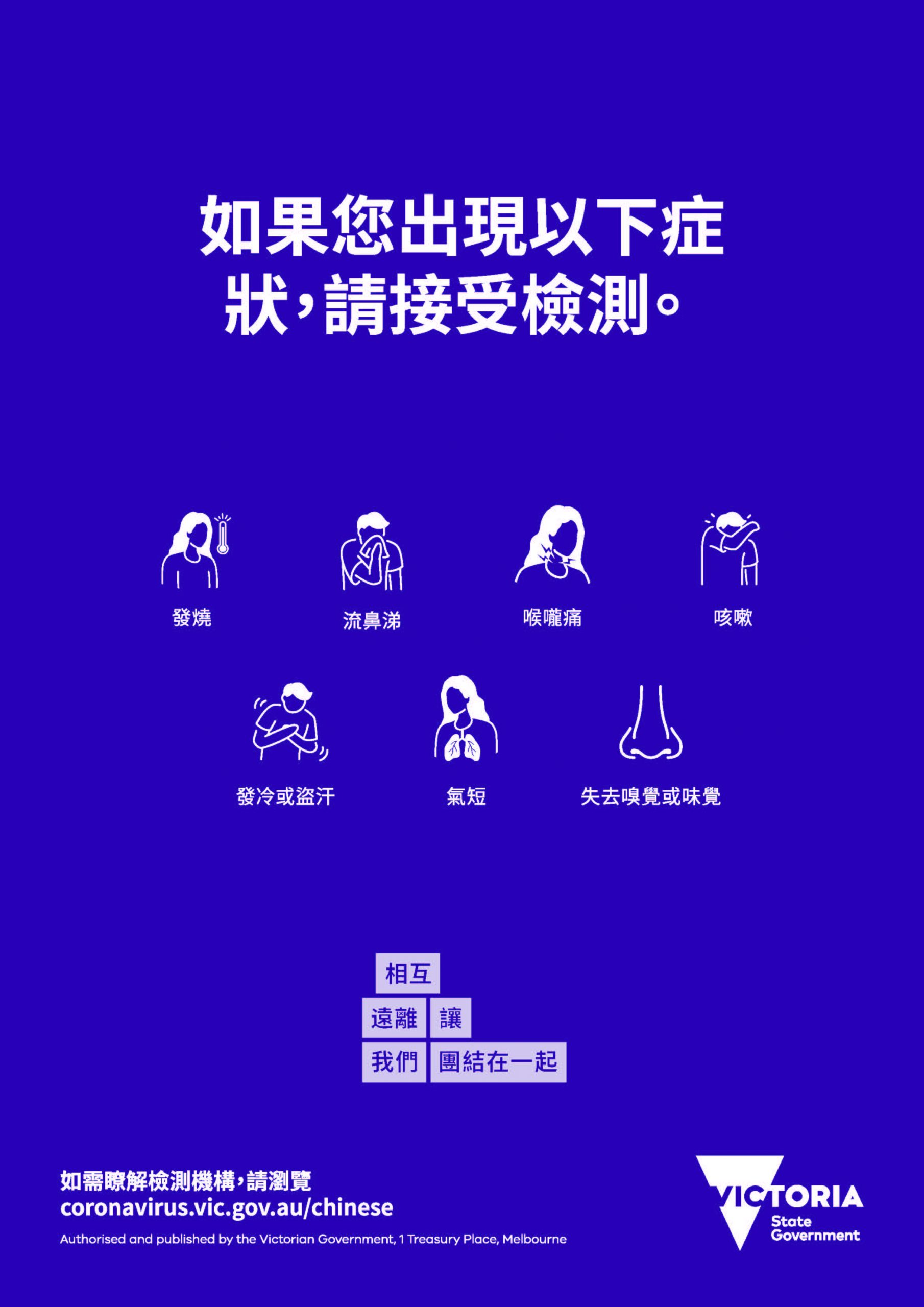
如果您出現以下症狀,請接受檢測。
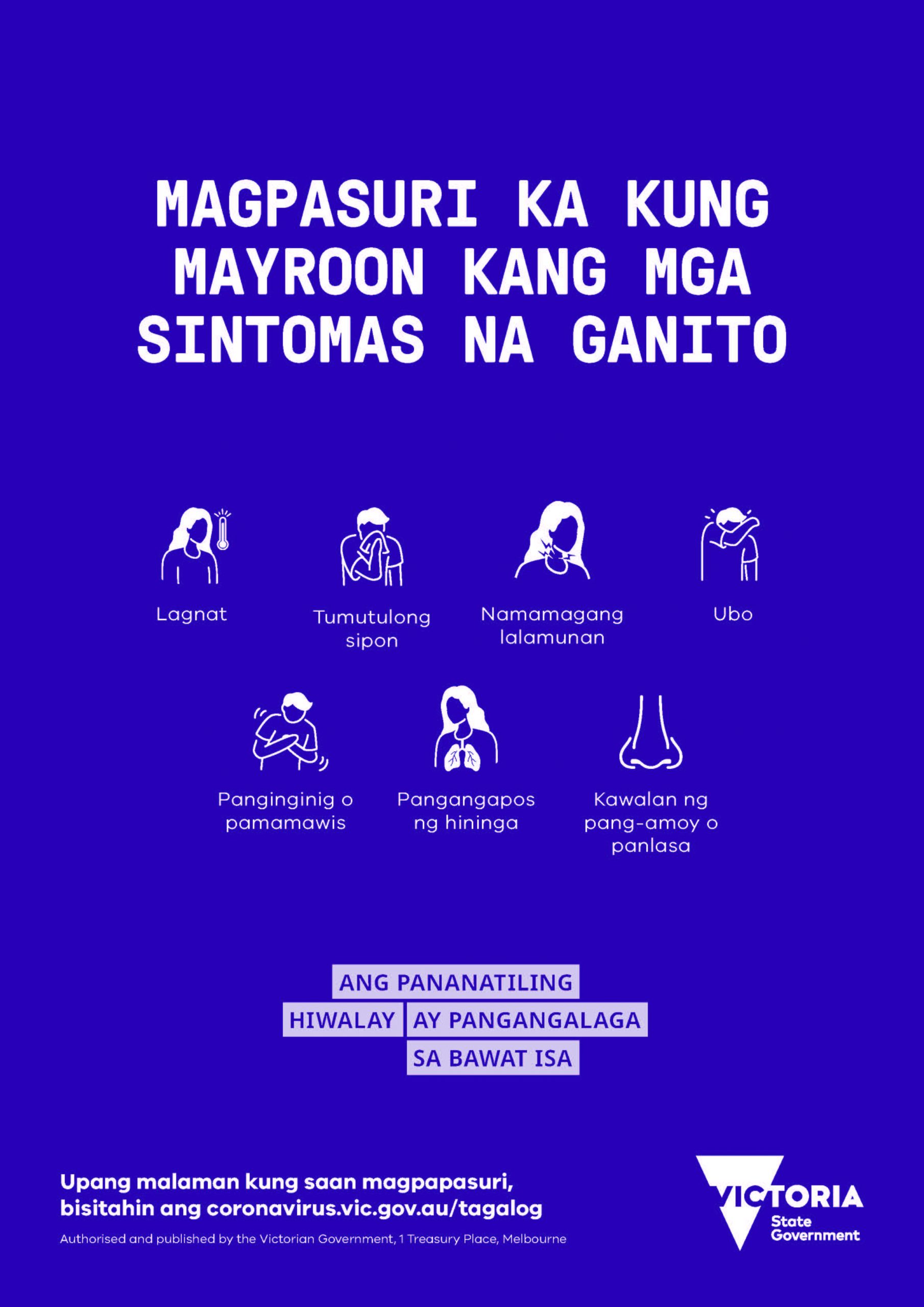
FILIPINO: Kung nakakaranas ka ng mga sumusunod na sintomas, mangyaring subukan.
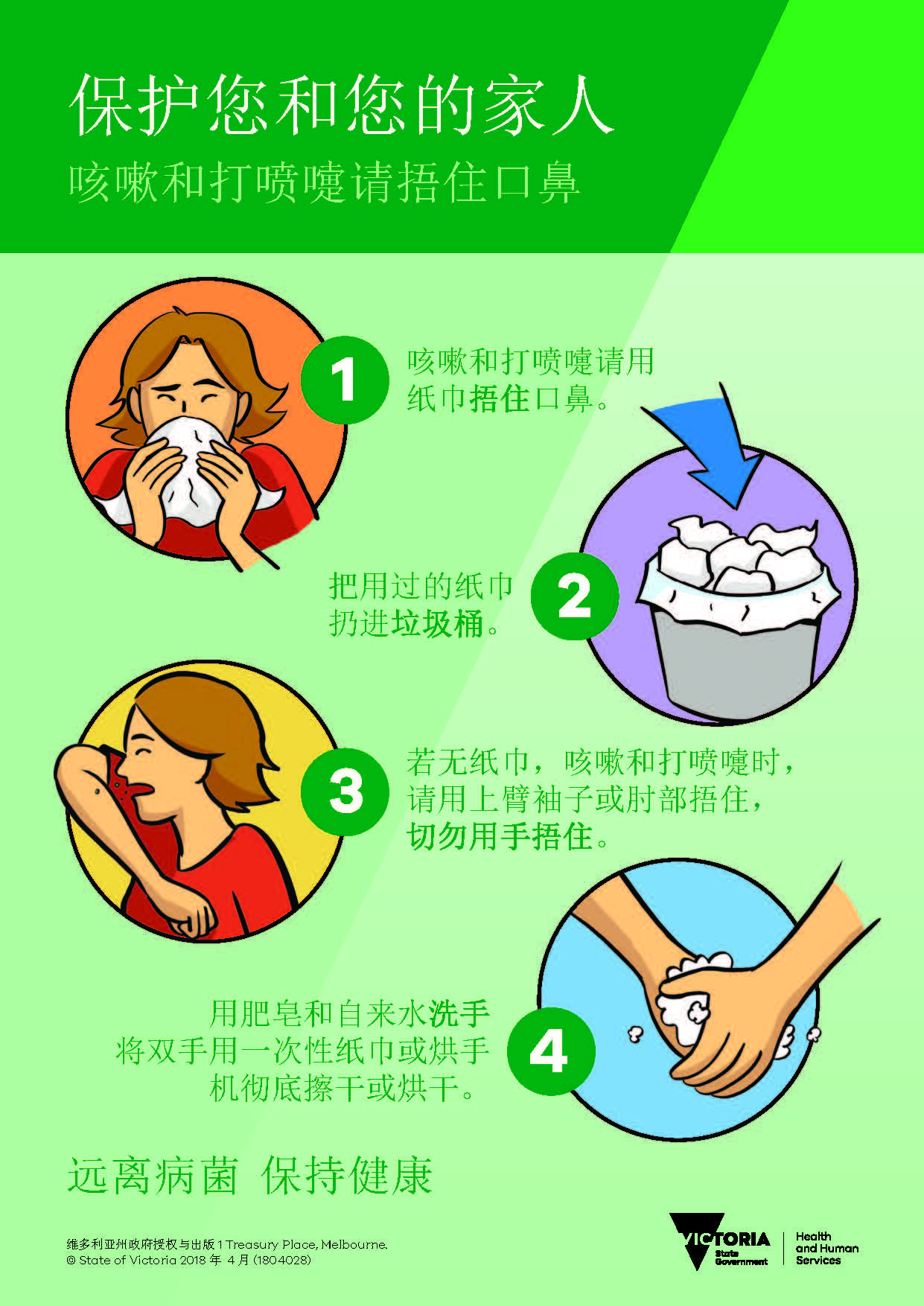
保护您自己和家人 – 咳嗽和打喷嚏时请捂住

How to wear a face mask 怎麼戴口罩
UAE Fully Suspends Trade and Financial Ties with Iran
Victorian Liberal Candidate Counselled Over Volunteer Internship Program

Trump signs order banning “birth tourism” and further restricting birthright citizenship

SpaceX Rocket Debris Hits the Moon, Renewing Concerns Over Space Junk

Australia Sets New Standards for Men’s Behaviour Programs
-
 Cuisine Explorer6 years ago
Cantonese Mango Sago
-
Uncategorized6 years ago
如果您出現以下症狀,請接受檢測。
-
Tagalog6 years ago
FILIPINO: Kung nakakaranas ka ng mga sumusunod na sintomas, mangyaring subukan.
-
Cantonese - Traditional Chinese6 years ago
保护您自己和家人 – 咳嗽和打喷嚏时请捂住
-
 Uncategorized6 years ago
How to wear a face mask 怎麼戴口罩
-
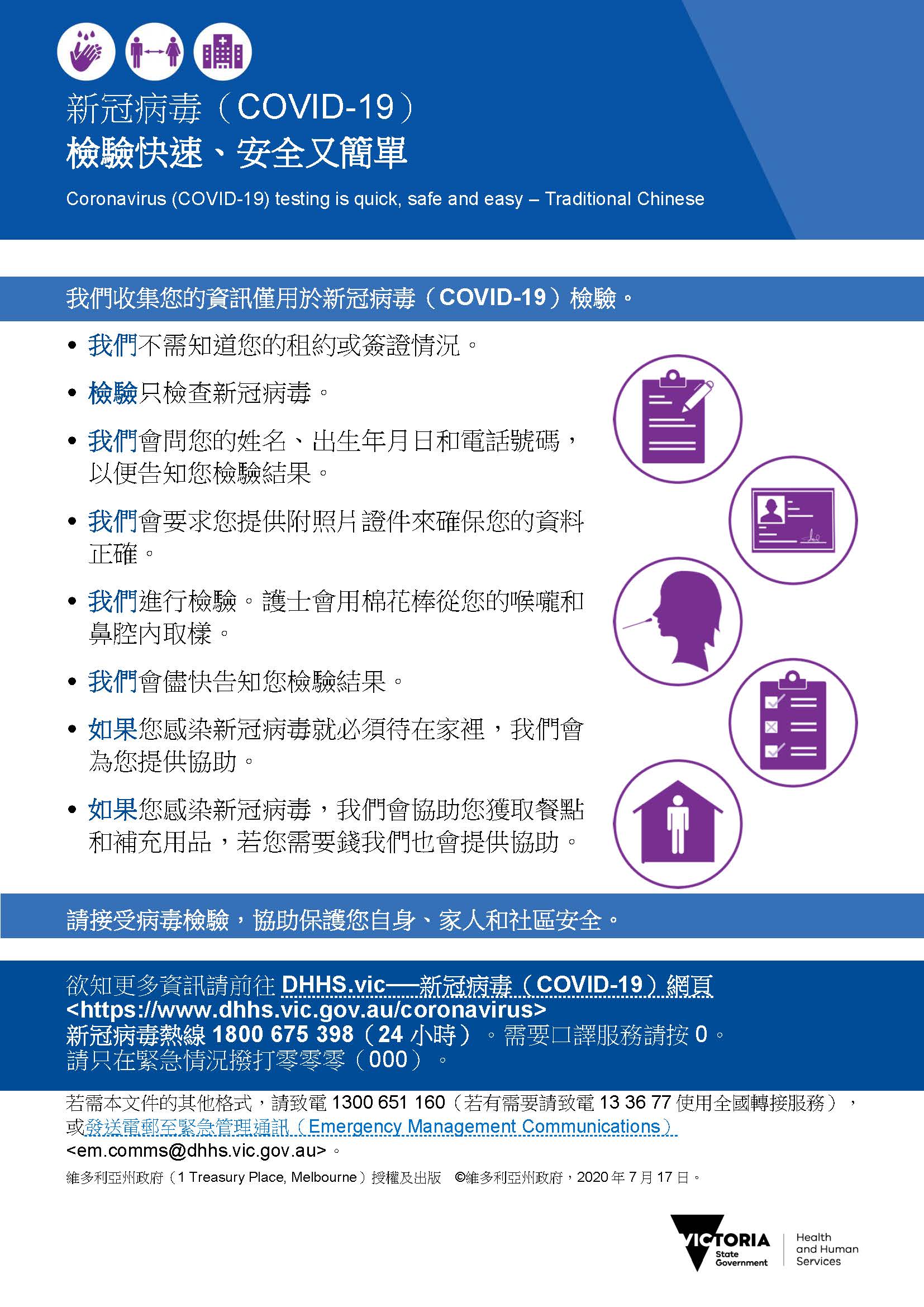 Uncategorized6 years ago
COVID-19 檢驗快速 安全又簡單
-
Uncategorized6 years ago
在最近的 COVID-19 應對行動中, 維多利亞州並非孤單
-
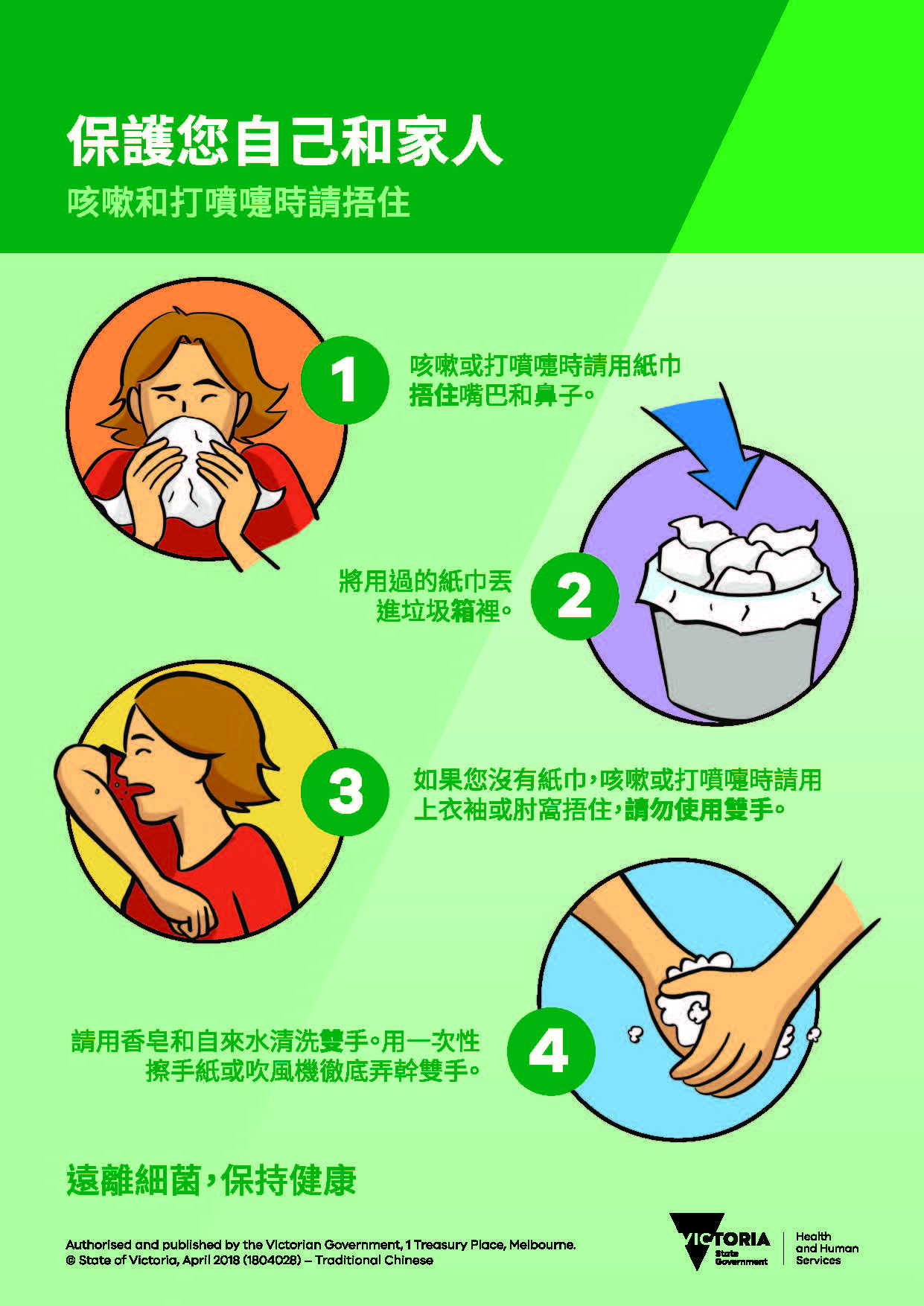 Cantonese - Traditional Chinese6 years ago
保護您自己和家人 – 咳嗽和打噴嚏時請捂住
