
National News
Severe Wildfires Spread Across Southeastern Australia, Victoria Declares Disaster

Since January 8, 2026, severe wildfires have continued across multiple areas of Australia, including New South Wales and Victoria, causing casualties and destroying around 300 homes. Additionally, tens of thousands of households have lost power, and several major roads have been closed.
The disaster coincides with record-breaking heatwaves in the southeast, with some areas exceeding 40°C. Fire danger levels were classified as extreme, making this wildfire scenario one of the most hazardous since the “Black Summer” of 2019–2020.
So far, the fires have raged for several days, mainly in Victoria, but New South Wales has also experienced significant impacts. Victoria has declared a state of emergency, with numerous residents evacuated and unidentified human remains discovered. Victorian Premier Jacinta Allen reported that 350,000 hectares of land have been destroyed so far, emphasizing that the government will continue to prioritize public safety and urging residents in threatened areas to evacuate immediately in case of flooding.
Prime Minister Anthony Albanese expressed condolences for the affected population, describing the nation’s situation as “extremely dangerous and unprecedented,” and pledged comprehensive support, including emergency financial aid, coordination of firefighting and rescue teams, temporary shelters, and reconstruction funding. He also promised the deployment of labor and air rescue resources to ensure the effectiveness and safety of disaster response operations.
Beyond the direct threat of fire, the wildfires have caused widespread air quality deterioration. Melbourne, parts of New South Wales, and the capital Canberra have experienced severe smoke, prompting health warnings for individuals with respiratory or cardiovascular conditions, as well as children and the elderly. Northern Queensland also faces the threat of tropical cyclone formation, potentially bringing heavy rain and flooding, further complicating disaster response.
Scientists note that extreme heatwaves and wildfires are linked to long-term climate change, with abnormal high temperatures and prolonged droughts being common factors behind multiple extreme disasters. Similar events may become more frequent in the future, representing a “new normal.” Fire authorities have warned that this year’s fire season could be longer than usual and urged citizens to prepare in advance, including clearing flammable materials, creating contingency plans, and storing supplies.

National News
Victorian Farm Accused of Exploiting Migrant Workers

According to an ABC report on 17 December 2025, Bulmer Farms, located in Lindenow, East Gippsland, Victoria, has been accused by the Fair Work Ombudsman of breaching the Fair Work Act. The allegations state that between December 2019 and December 2023, the farm severely underpaid 28 migrant workers, with total unpaid wages exceeding AUD 645,000.
The workers were primarily from Kiribati, Timor-Leste, and the Solomon Islands, and were employed through the Pacific Australia Labour Mobility (PALM) scheme. Reports indicate that the farm paid employees a fixed weekly wage—approximately AUD 884 to 1,105 per week—regardless of actual hours worked. However, many employees worked more than 38 hours per week, with over 7% reportedly working more than 50 hours, resulting in failures to pay legal minimum wages, overtime rates, and public holiday entitlements. The farm is also alleged to have unlawfully deducted costs for airfares, accommodation, and health insurance from workers’ pay.
Fair Work Ombudsman Anna Booth described the alleged underpayments as “completely unacceptable,” stressing that employers are legally required to pay workers for every hour worked. The farm may also have breached record-keeping and payslip obligations.
Bulmer Farms is owned by Bill Bulmer, who is also the chair of agricultural industry body Ausveg. Ausveg stated that Mr Bulmer has not been directly involved in the farm’s day-to-day operations for several years and reiterated the organisation’s commitment to supporting farmers and worker welfare, but declined to comment further on the specific case.
The matter is scheduled to be heard on 21 January 2026 in the Federal Circuit and Family Court of Australia, with each alleged breach carrying a maximum penalty of AUD 93,900.
Social justice advocates have pointed out that migrant workers often hesitate to report mistreatment due to language barriers, visa insecurity, and fear of retaliation, and have called for reforms to the PALM scheme to strengthen protections for vulnerable workers.
National News
Middle-aged Couple Killed in Bondi Beach Shooting

During the Bondi Beach shooting on 14 December 2025, dash-cam footage captured a middle-aged couple confronting two gunmen. Both were later confirmed dead.
The video first circulated on the Chinese social media platform Xiaohongshu and was later verified by mainstream outlets including the Australian Broadcasting Corporation (ABC). The footage shows the couple bravely approaching one of the gunmen as he exited the vehicle, attempting to stop him from carrying out the attack.
The couple were later identified as Boris Gurman (69) and Sofia Gurman (61), well-known local residents and familiar faces within the community. At the time the footage was recorded, the gunmen had just exited their vehicle and begun opening fire. The Gurmans attempted to restrain the attacker and seize his weapon. Boris briefly managed to grab hold of the firearm while Sofia assisted him. Tragically, the gunman regained control of the weapon and fatally shot both of them at the scene.
Following the incident, police quickly cordoned off the area and launched an investigation, while government leaders publicly condemned the terrorist attack. The couple have since been widely described as heroic civilians who attempted to stop the gunman, and they have been mourned by both the community and the media.
National News
Bondi Beach Shooting Sparks Gun Control Debate

A 43-year-old man, Ahmed al-Ahmed, rushed at a gunman during a deadly shooting at Bondi Beach in Sydney, where crowds had gathered for a Jewish festival. He wrestled the gun away, potentially saving countless lives. Footage shows him bravely confronting the armed attacker and successfully neutralizing the threat, though he was shot multiple times in the process and remains hospitalized. Ahmed and his family stated that he acted out of conscience, unable to stand by while people were dying. His actions have been praised by the Australian Prime Minister, state leaders, and international figures, and a large-scale fundraising campaign has been launched to support his recovery.
The shooting has also reignited debate over gun control. Data show that several Sydney suburbs in New South Wales, such as Penrith, Blacktown, Hawkesbury, and Canterbury-Bankstown, have surprisingly high gun ownership. One suspect in the shooting legally possessed up to six firearms, many of which were registered for recreational hunting. This has prompted calls to review existing firearm laws, including limits on the number of guns an individual can own, stricter licensing requirements, and whether a nationwide gun registry is sufficient to ensure public safety.

Scam Kingpin Chen Zhi Arrested in Cambodia and Extradited to China
Severe Wildfires Spread Across Southeastern Australia, Victoria Declares Disaster
Iran Government Nationwide Internet Shutdown, Starlink Blocked
Trump’s Arrest of Maduro Sparks Congressional Opposition
Chasing Speed, Chasing Risk: The Safety Myth Behind Modified E-Bike Policies

Fraudulent ivermectin studies open up new battleground

Cantonese Mango Sago
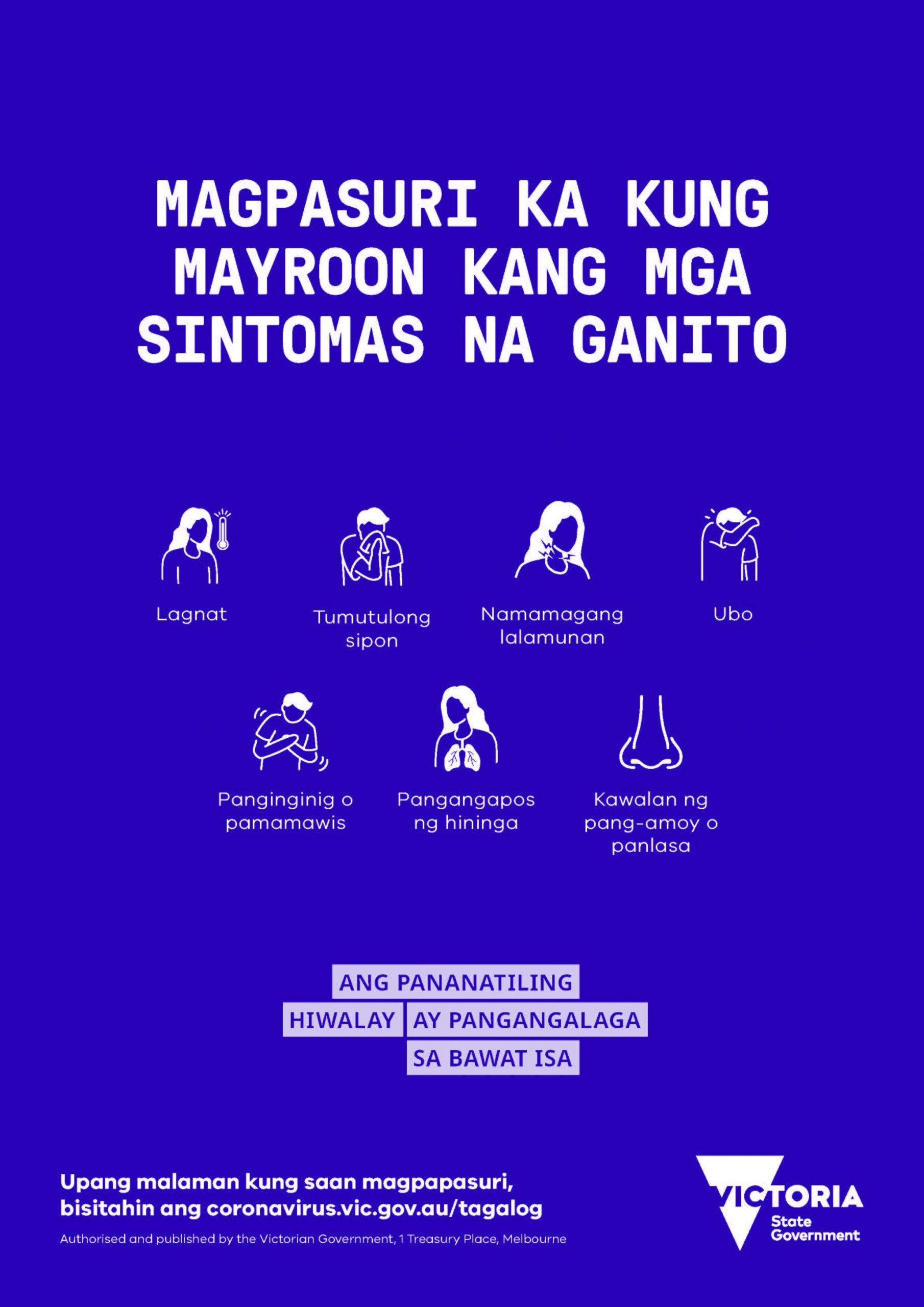
FILIPINO: Kung nakakaranas ka ng mga sumusunod na sintomas, mangyaring subukan.

如果您出現以下症狀,請接受檢測。
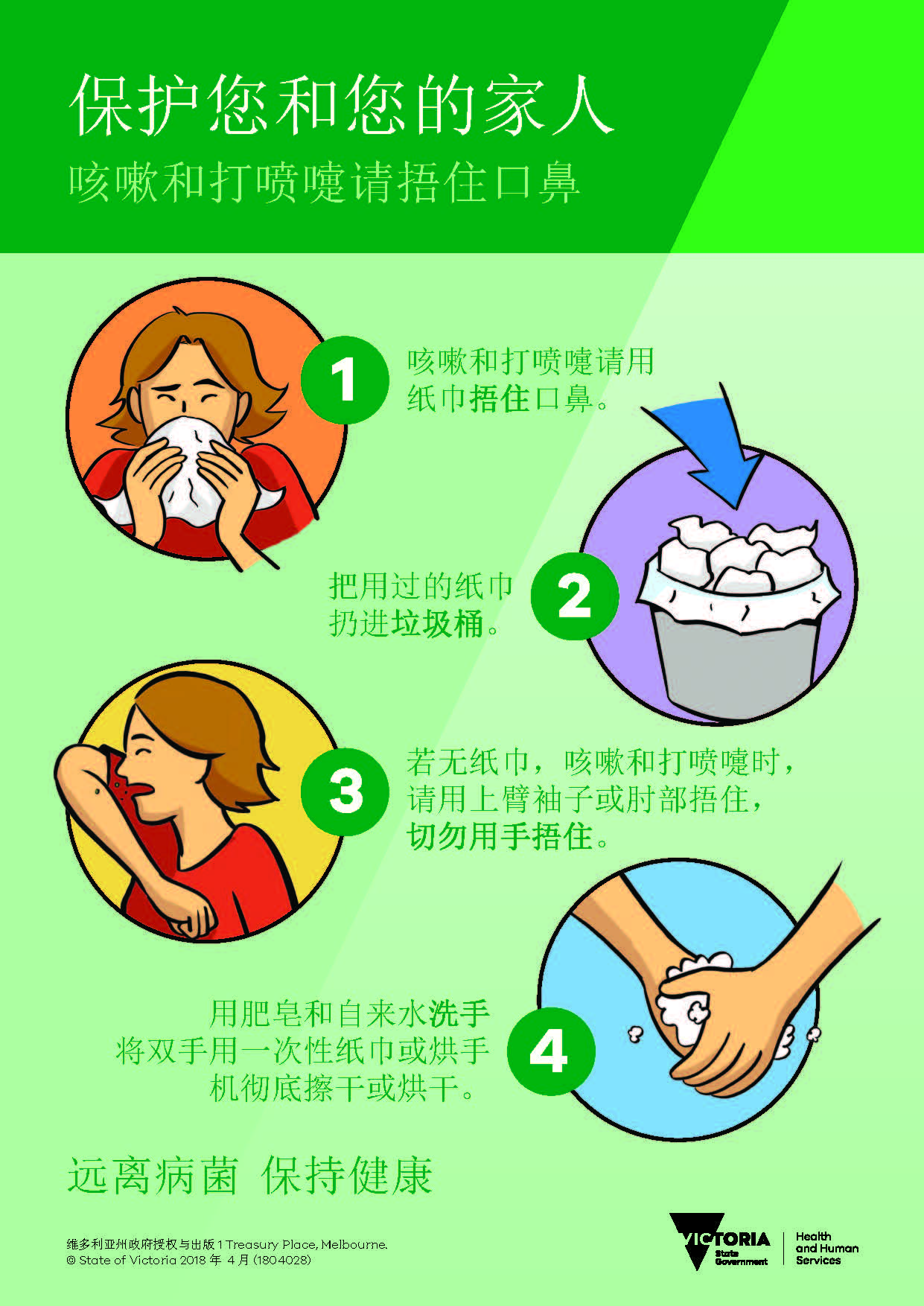
保护您自己和家人 – 咳嗽和打喷嚏时请捂住

Victorian Government Issues Historic Apology to Indigenous Peoples

Australia and U.S. Finalize Expanded U.S. Military Presence and Base Upgrade Plan

7.5-Magnitude Earthquake Strikes Off Northeastern Coast of Japan

Paramount Challenges Netflix with Warner Bros Acquisition Bid

Thailand Strikes Cambodia as Border Clashes Escalate
-
 COVID-19 Around the World4 years ago
Fraudulent ivermectin studies open up new battleground
-
 Cuisine Explorer5 years ago
Cantonese Mango Sago
-
Tagalog5 years ago
FILIPINO: Kung nakakaranas ka ng mga sumusunod na sintomas, mangyaring subukan.
-
Uncategorized5 years ago
如果您出現以下症狀,請接受檢測。
-
Cantonese - Traditional Chinese5 years ago
保护您自己和家人 – 咳嗽和打喷嚏时请捂住
-
 Uncategorized5 years ago
COVID-19 檢驗快速 安全又簡單
-
 Uncategorized5 years ago
How to wear a face mask 怎麼戴口罩
-
Uncategorized5 years ago
在最近的 COVID-19 應對行動中, 維多利亞州並非孤單
