
National News
Barnaby Joyce denies One Nation wants White Australia policy after Hanson backs mass deportations

One Nation MP Barnaby Joyce claims Pauline Hanson’s party does not support the White Australia policy but has backed the idea of “mass deportations”, including people seeking medical appointments after overstaying their visas.
In Joyce’s interview on Sunrise, he didn’t distance himself from Hanson’s comments about “mass deportations” of illegal immigrants to Australia. “As it becomes apparent that they’re not supposed to be here, they’ll be put on a plane and sent back to where they’re supposed to. We’ve got to make sure, as people present themselves for medical issues or other things, they’re removed from the country. I mean, obviously you’re going to come across them from time to time. They should be removed.”
One Nation has had to issue multiple clarifications over the weekend after Hanson’s interview with far-right British activist Tommy Robinson, where she blamed the end of the White Australia policy for creating what she sees as problems with migration.
Asked by Robinson about “the changing face of Australia due to Islamic immigration”, Hanson replied, “They opened up and got rid of the White Australian policy, then they started bringing in the different migrants.”
Just back on that Sunrise interview, Tanya Plibersek, who was also appearing alongside Barnaby Joyce, also made some comments about Hanson’s interview. “Hanson] very clearly said that the problems started after we got rid of the white Australia policy and she also backed in “mass deportation” and said that all of her members of parliament support her in that call for mass deportation.”

National News
Skincare brand accused of using AI-edited versions of competitors’ imagery

An ABC News Breakfast investigation has unearthed multiple accusations the internationally-stocked brand BodyBlendz — which was once promoted by reality star Kim Kardashian on Instagram — has used imagery made for other brands without their consent.
One of its accusers, Sydney-based photographer Lucy Alcorn, believes the case demonstrates Australia needs stronger guardrails to protect creatives against a deluge of AI-generated content. She alleges several promotional images that appeared on BodyBlendz’s Instagram account had been copied from images she shot for another skincare brand, Luna Bronze, possibly using AI.
In a statement, Stil Suncare founder Tash Hagan said she was “genuinely mind-blown”, and particularly thrown by the fact BodyBlendz’s social media post appeared to include an AI-generated face with an uncanny resemblance to her own.
A UK sunscreen brand has also accused BodyBlendz of using images similar to its own, while an Australian reality TV star has claimed BodyBlendz used their picture without consent. Luna Bronze co-founder Maddy Balderson told ABC News Breakfast that a single shoot could cost the brand $30,000 to $50,000 — a large investment the small business had to carve out every year.
BodyBlendz has previously been accused of using an image of Married At First Sight participant Martha Kalifatidis without her consent in a stockist’s 2019 advertising brochure. University of Melbourne Associate Professor of Law Jason Bosland agreed with Alcorn the legal system would benefit from introducing small claims courts; while Luna Bronze co-founder Ms Balderson said she was also worried about the potential for AI-generated imagery to mislead beauty consumers.
National News
DV commissioner expressing concern about Youths perpetrating sexual violence

Domestic, family and sexual violence (DFSV) commissioner Micaela Cronin says Australians are not scared enough of “manosphere” content drawing young Australian men into radical, violent and misogynistic views.
As Cronin enters the final 12 months of her five-year term as the first DFSV commissioner, she is particularly concerned by the rate of young people perpetrating sexual violence against one another. She said that while there were a number of factors contributing to the problem, including an increase in violence against children who then go on to replicate the behaviour, the internet is partly to blame.
Young men are routinely being fed male-supremacist content on social media, and it appears to be affecting their behaviour in the real world. Studies from Monash University and the University of Adelaide have described a rise in sustained, sexist behaviour of boys in school, which teachers link to an increased exposure to extreme, anti-women content. Almost a quarter of gen Z men believed the movement for women’s equality should be violently resisted, with researchers finding that content that is misogynistic and endorses violence against women is the most likely influence on extremist attitudes in Australia.
Cronin is urging state and federal governments to take more action to prevent misogynistic influencers online from undermining decades of work to end violence against women and children. One prevention measure the commissioner endorses is the federal government’s digital duty of care, which she said could help subdue some radical anti-women content online. But Cronin said there were still more federal and state governments needed to do, such as implement the hundreds of recommendations from previous reviews, royal commissions and inquiries into violence against women and children; These recommendations include cutting off late-night alcohol deliveries earlier in the evening, funding justice-system navigators to support those going through the courts for sexual-violence matters and investing more in frontline services.
National News
Australia seeks to change visa deal with UK after influx of Britons

Australian prime minister Albanese has told UK’s PM Andy Burnham he is looking at changing rules for British backpackers in Australia, after an increase in the number of travellers visiting popular hotspots such as Sydney.
Backpackers had previously been required to do about three months of regional work as part of visa conditions to help with the country’s work shortages in some occupations. But under the free trade agreement signed under Boris Johnson, Britons do not have to undertake the rural work that many other nationalities do as a condition of their visas. It also extended the maximum period for the visa to three years and the age limit to 35.
Albanese, who met Burnham on Monday evening at the Commonwealth heads of government meeting (Chogm) in the Caribbean, told reporters he wanted to discuss changing the agreement between the UK and Australia that removes a regional work requirement for British travellers. The Australian government has said the changes have led to traveller numbers more than doubling, from 40,000 two years ago to 87,000 last year, the majority concentrated in Sydney and beachside suburbs. The easing of visa restrictions also applies to Australians coming to the UK but fewer than 10,000 came last year.
Albanese told the Australian parliament that the numbers of Britons arriving at a small destination was putting pressure on the local workforce. Burnham confirmed to reporters that he was meeting Albanese but declined to comment on any potential changes.


Who Will Form Israel’s Next Government After the Election?
Hong Kong BN(O) visa holders exempt from UK plan to double settlement wait but face tougher requirements
Skincare brand accused of using AI-edited versions of competitors’ imagery
DV commissioner expressing concern about Youths perpetrating sexual violence
Australia seeks to change visa deal with UK after influx of Britons

Cantonese Mango Sago
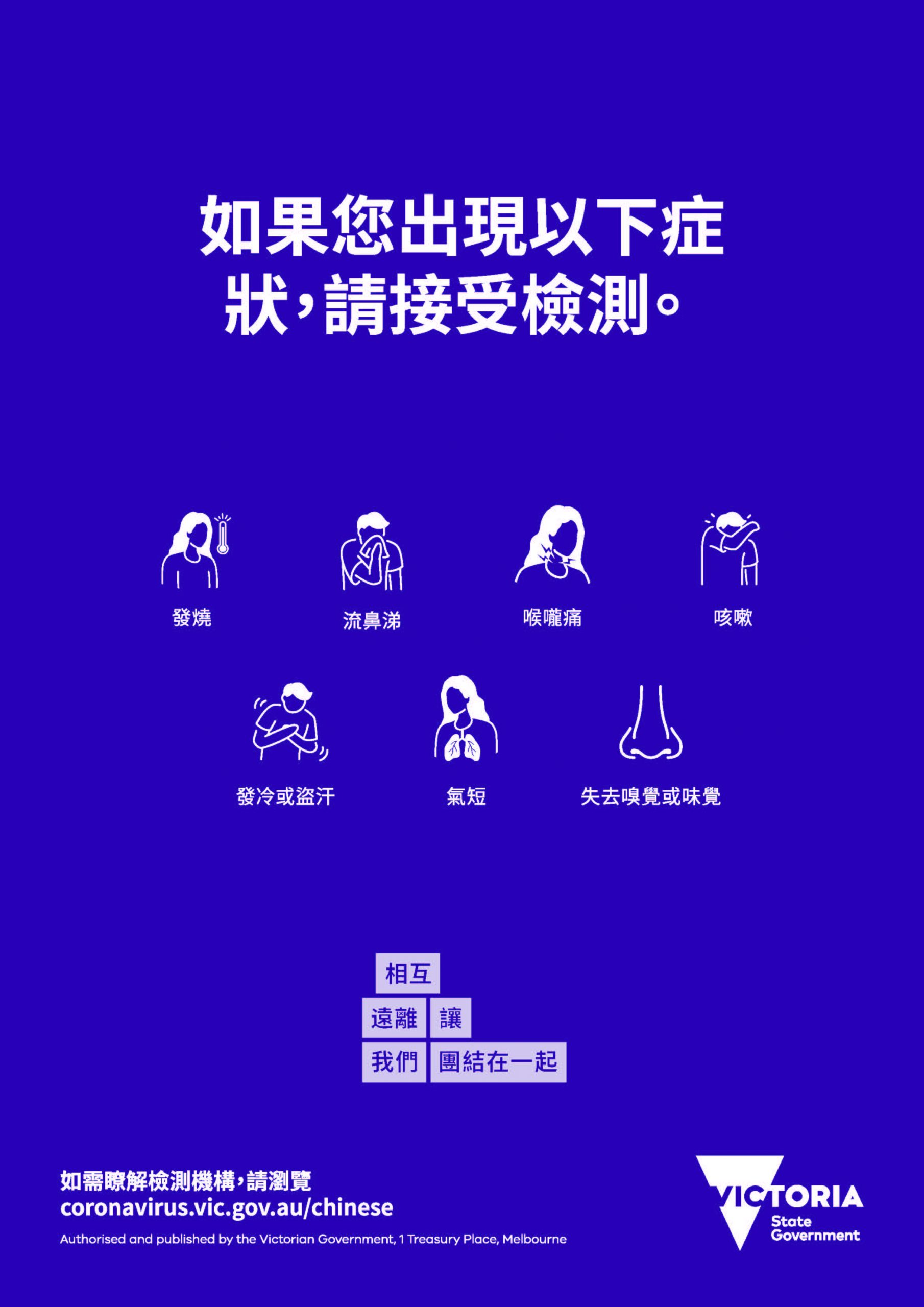
如果您出現以下症狀,請接受檢測。
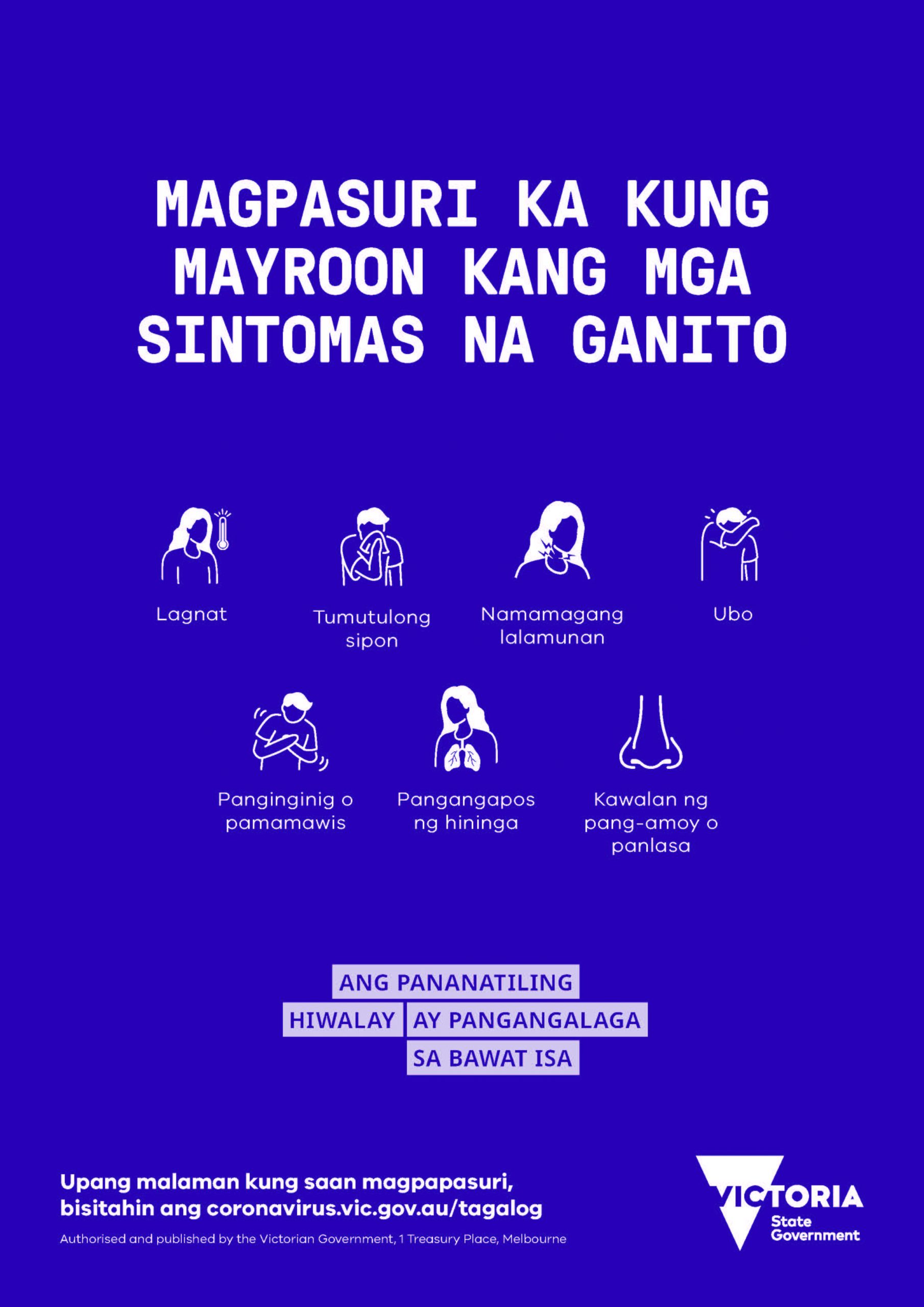
FILIPINO: Kung nakakaranas ka ng mga sumusunod na sintomas, mangyaring subukan.

How to wear a face mask 怎麼戴口罩
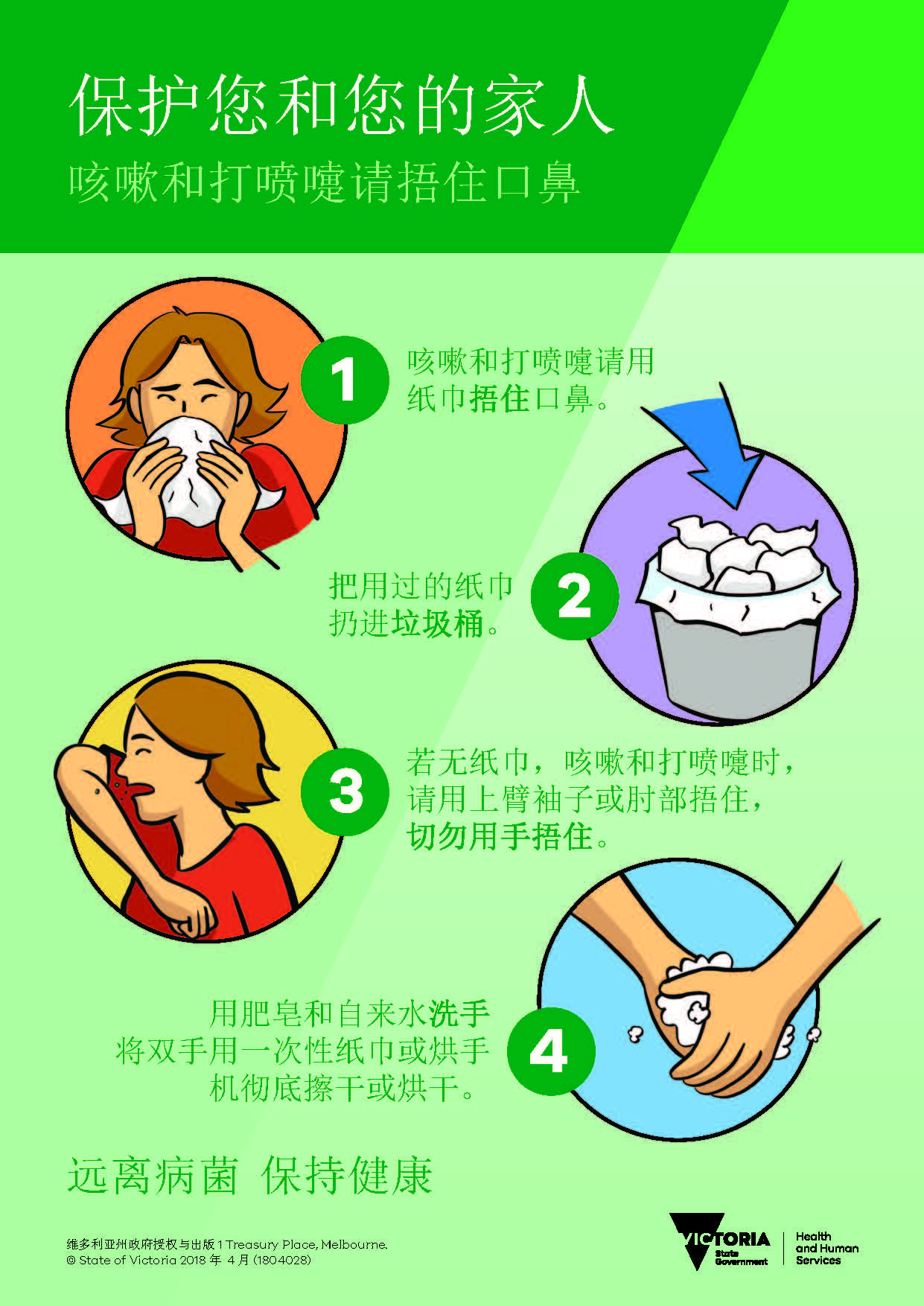
保护您自己和家人 – 咳嗽和打喷嚏时请捂住
UAE Fully Suspends Trade and Financial Ties with Iran
Victorian Liberal Candidate Counselled Over Volunteer Internship Program

Trump signs order banning “birth tourism” and further restricting birthright citizenship

SpaceX Rocket Debris Hits the Moon, Renewing Concerns Over Space Junk

Australia Sets New Standards for Men’s Behaviour Programs
-
 Cuisine Explorer6 years ago
Cantonese Mango Sago
-
Uncategorized6 years ago
如果您出現以下症狀,請接受檢測。
-
Tagalog6 years ago
FILIPINO: Kung nakakaranas ka ng mga sumusunod na sintomas, mangyaring subukan.
-
 Uncategorized6 years ago
How to wear a face mask 怎麼戴口罩
-
Cantonese - Traditional Chinese6 years ago
保护您自己和家人 – 咳嗽和打喷嚏时请捂住
-
 Uncategorized6 years ago
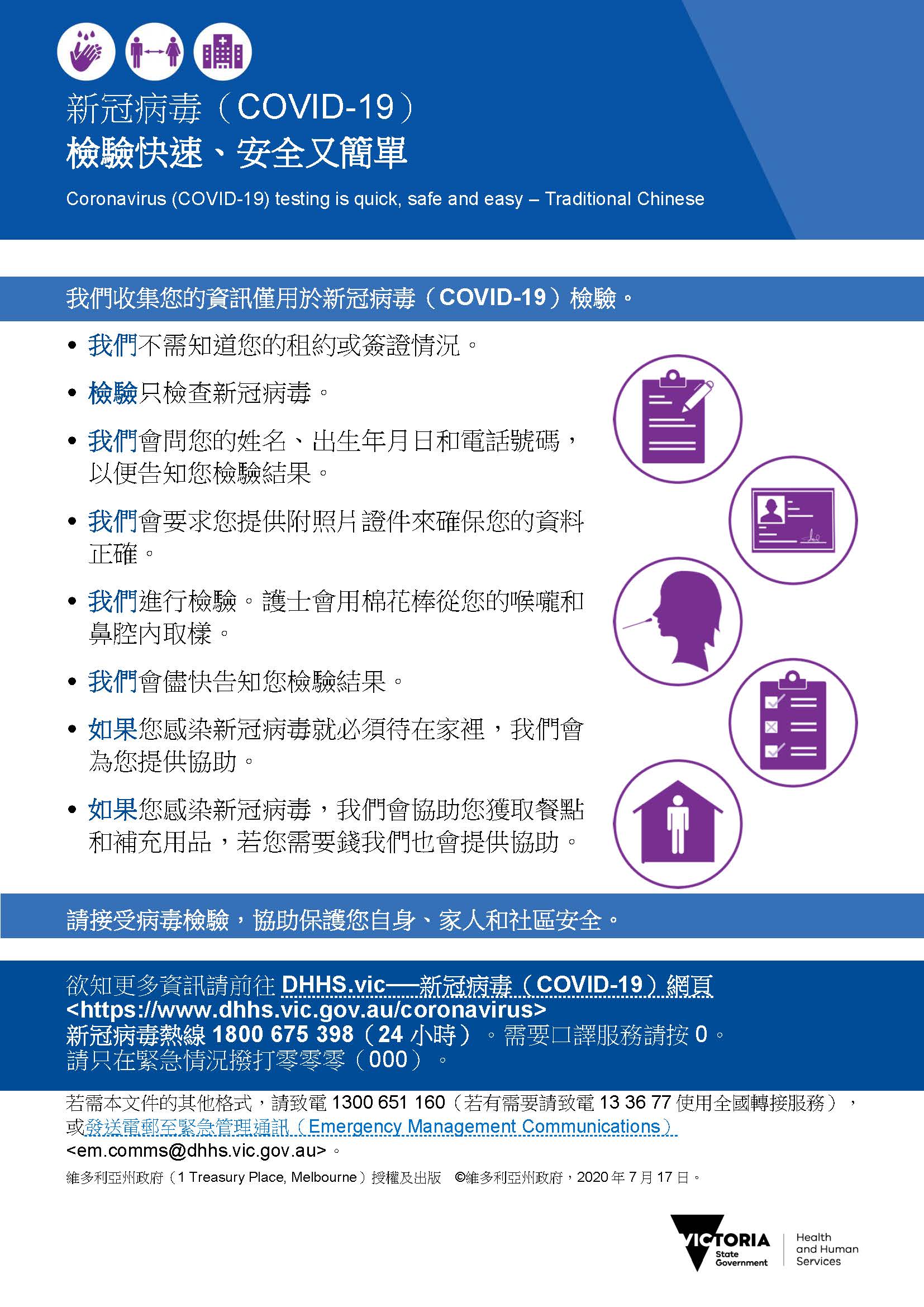
COVID-19 檢驗快速 安全又簡單
-
Uncategorized6 years ago
在最近的 COVID-19 應對行動中, 維多利亞州並非孤單
-
 Cantonese - Traditional Chinese6 years ago
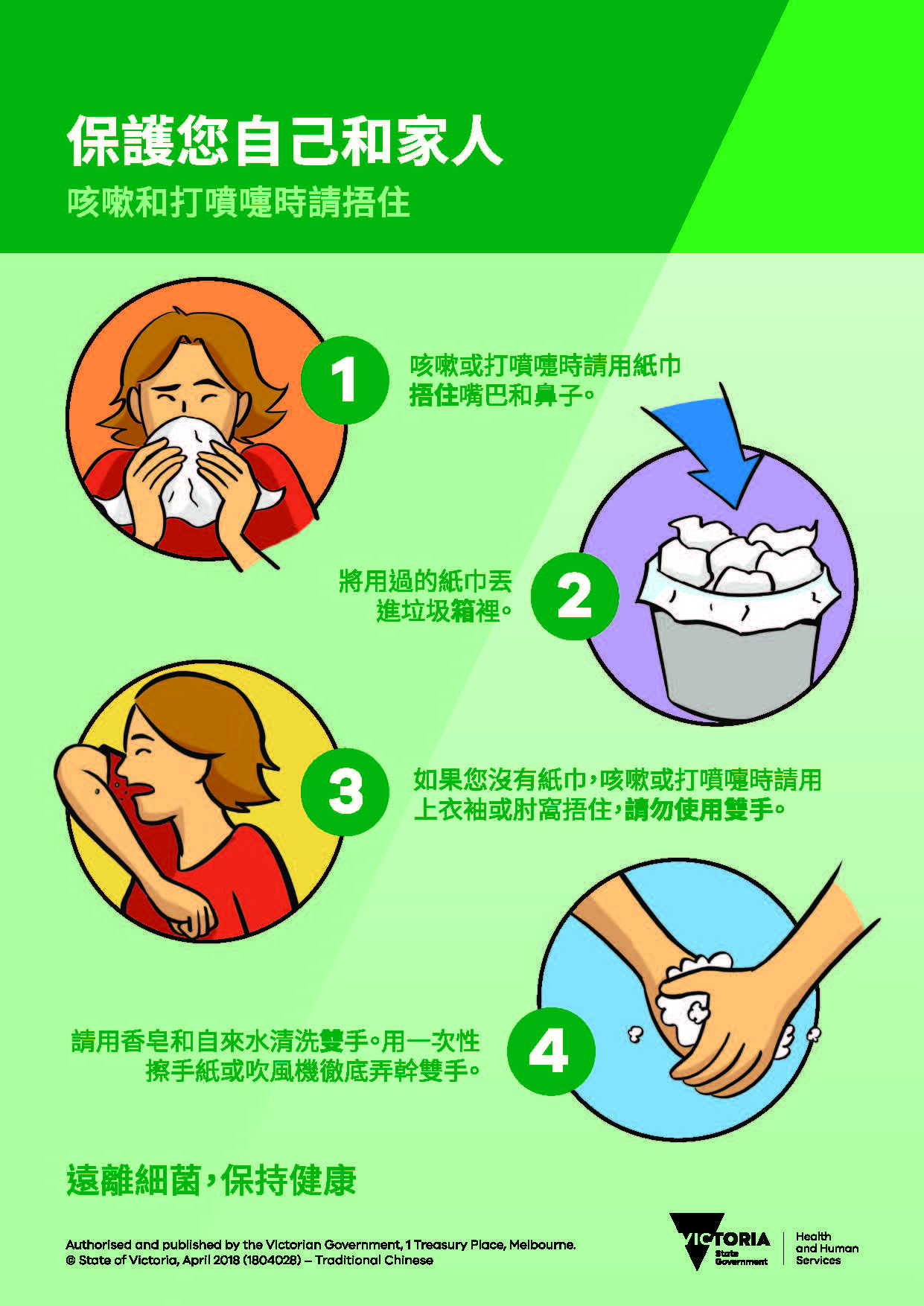
保護您自己和家人 – 咳嗽和打噴嚏時請捂住
