
Features
The New Pacific Reality Facing Australia After China’s Missile Test
Published
5 months agoon

On 6 July, a Chinese People’s Liberation Army Navy strategic nuclear submarine successfully test-fired a submarine-launched ballistic missile capable of carrying a nuclear warhead into international waters of the Pacific Ocean. The missile travelled across the Exclusive Economic Zones (EEZs) of several Pacific island countries before landing in waters near Tuvalu. Although China described the launch as a “routine training exercise”, Australia, New Zealand and several Indo-Pacific countries criticised the incident as a “provocative action that undermines regional stability”.
Coincidentally, on the same day as the missile test, Australian Prime Minister Anthony Albanese was beginning a three-day Pacific visit, during which he sought to strengthen defence, policing and economic cooperation with Fiji and other Pacific island nations. Australia not only signed the “Vuvale Union” with Fiji, which includes mutual defence commitments, but also signed the “Nakamal Agreement” with Vanuatu last month, further consolidating Australia’s role as a major security and aid partner in the region.
One side was China demonstrating its military projection capabilities across thousands of kilometres, while the other was Australia accelerating efforts to strengthen ties with Pacific island countries. Although these two events appear separate, they reflect an intensifying geopolitical competition. For Australia, the concern is not only the missile itself, but China’s growing influence in the Pacific through infrastructure investment, diplomacy, policing cooperation and security agreements, which is gradually challenging the security structure Australia has long regarded as its “strategic backyard”.
Australia No Longer Has a “Natural Security Distance”
For decades, Australia’s greatest defence advantage was not military strength, but geography.
Surrounded by oceans and located thousands of kilometres away from major powers, Australia also benefited from a natural buffer formed by Pacific island countries including Papua New Guinea, Solomon Islands, Fiji and Vanuatu to the north. This meant Australia faced few direct military threats to its mainland in the decades after World War II. Therefore, the idea that “distance equals security” has long been a key foundation of Australia’s defence strategy.
However, as China has continued to pursue military modernisation in recent years, this sense of security based on geography is gradually weakening.
Although the Chinese missile test was still some distance away from mainland Australia, the real concern for the Australian government is not where the missile landed, but the long-range military projection capability China demonstrated. Submarines have high levels of stealth, and their ability to launch long-range ballistic missiles indicates that China is gradually developing a more complete sea-based nuclear deterrence capability. It also shows that Chinese military power can now extend further across the Indo-Pacific region.
The Lowy Institute has also noted in its latest reports that as China continues to develop long-range bombers, ballistic missiles, nuclear submarines and long-endurance drones, Australia’s “natural security barrier” based on geographic distance is gradually disappearing. The report argues that over the next decade, China may not only be capable of threatening Australia through naval power, cyberattacks, disruption of undersea cables and interference with maritime trade, but may also develop the ability to directly strike Australian territory. If Beijing establishes military bases in the Pacific or deploys longer-range weapon systems in the future, major Australian ports, airports, energy facilities and transport infrastructure could potentially become targets.
Therefore, Australia’s heightened concern over the missile test is not because it believes China is about to attack Australia, but because the incident serves as a warning: the security advantage created by geographic distance is gradually shrinking. As China’s military projection capabilities continue to grow, combined with its expanding relationships with Pacific island countries, Australia must rethink how it maintains its strategic advantage in the South Pacific.
From “Strategic Neglect” to Re-engaging Pacific Island Countries
However, Australia’s real challenge is not only China’s growing military capability, but also its previous misjudgment of China’s expansion in the Pacific.
For a long time, Australia viewed Pacific island countries as its “strategic backyard”, but due to economic considerations, it adopted a cautious approach towards China’s increasing influence in the region, and at times underestimated the significance of these developments. Particularly over the past decade, China expanded its relationships with multiple Pacific island countries through the Belt and Road Initiative, infrastructure investment, foreign aid and people-to-people exchanges. Meanwhile, Australia remained more focused on trade cooperation with China and did not immediately view these developments as a security challenge.
It was only in recent years, as China’s role in the Pacific became increasingly visible, that Australia began adjusting its approach. In 2022, Solomon Islands signed a security agreement with China, allowing cooperation in policing and security areas, which raised significant concerns in Australia. The Australian government feared that Beijing could gradually establish a deeper strategic presence through what appeared to be economic and public security cooperation, potentially paving the way for future military deployments.
Against this background, the Albanese government has actively repositioned Australia’s Pacific policy by signing a series of strategically significant agreements with island nations to strengthen bilateral relations.
The recently signed Vuvale Union with Fiji represents an important step in Australia’s effort to enhance regional security cooperation. The agreement is not merely a standard diplomatic partnership, but includes a rare mutual defence commitment, requiring both sides to respond when either party faces security threats. It is Fiji’s first formal defence arrangement with another country and makes Fiji Australia’s fourth formal defence partner after the United States, New Zealand and Papua New Guinea. The agreement also includes an “open clause” allowing other Pacific island countries to join in the future, reflecting Australia’s efforts to expand its regional security network and balance China’s influence.
Beyond security cooperation, Australia is also strengthening ties through economic assistance. The Vuvale Union covers cooperation in climate change, economic development and infrastructure, with Australia committing A$1 billion over the next decade to support Fiji.
Similarly, Australia signed the Nakamal Agreement with Vanuatu last month, establishing Australia as a major aid provider and policing partner for the country. The Albanese government hopes to rebuild Australia’s influence in the South Pacific through security training, infrastructure investment and economic support.
Pacific Island Countries Are Not Choosing Only One Side: China’s Influence Is Reshaping Regional Security
However, while Australia strengthens cooperation with Pacific island countries, it must also recognise a reality: these nations are not simply aligned with Australia, but maintain different levels of cooperation with China based on their own interests.
Facing long-term challenges including climate change, limited infrastructure and economic development needs, many Pacific island countries require external funding and assistance. This has created opportunities for China to expand its economic and diplomatic influence. For Beijing, Pacific island countries are not only development partners but also part of its efforts to challenge existing US influence in the region and break through the island chain strategy. For Australia, China’s deeper engagement with these countries is gradually changing a Pacific security order traditionally dominated by Australia.
In recent years, China has not only strengthened ties through infrastructure investment and economic assistance, but has also expanded cooperation into policing and security fields. Beijing has provided multiple countries with law enforcement equipment, including drones, patrol boats and police vehicles, while strengthening police exchanges with Pacific island nations. Solomon Islands has become the most closely watched example. In 2022, Solomon Islands signed a security cooperation agreement with China, the details of which have not been fully disclosed, raising concerns in Australia and other Western countries that Beijing could establish a deeper security presence.
Following the agreement, Chinese police personnel entered Solomon Islands to provide support including firearms training, riot control tactics and policing training. China has also provided similar cooperation to other Pacific nations through personnel exchanges, equipment assistance and policing programmes. Although Beijing insists such cooperation is mainly aimed at maintaining public security, policing cooperation could become an entry point for expanding China’s security influence and further weakening Australia’s traditional role in the region.
China’s Pacific strategy is not limited to security. Over many years, Beijing has used Belt and Road-related investments and aid to build roads, stadiums, government buildings and hospitals across several island countries, gradually establishing economic and political connections. For some Pacific island nations with small populations and limited resources, Chinese funding and development projects are attractive and provide more diplomatic options.
Therefore, Pacific island countries are not simply choosing between Australia and China. Many seek to maintain security cooperation with Australia while preserving economic ties with China, balancing different powers to maximise their own interests. For example, even after signing the Nakamal Agreement with Australia last month, Vanuatu stated that it was still waiting for Beijing’s approval of another development cooperation agreement, showing that some island nations wish to retain space for cooperation with China despite receiving Australian security support.
This diplomatic balancing strategy creates greater challenges for Australia. Even if Australia views China as its main strategic competitor, neighbouring island countries may not share the same position. The real risk for Australia is not simply that Pacific island countries maintain diplomatic relations with China, but whether Beijing can gradually establish a strategic presence through long-term economic dependence, security cooperation and political influence. If China builds deeper security networks in Australia’s “strategic backyard”, or gains access to ports, communications systems or other strategic facilities, Australia’s defence advantage based on geographic distance could further decline.
Therefore, Australia’s recent efforts to increase aid, deepen policing cooperation and promote defence agreements are essentially responses to the new security pressures created by China’s expanding influence. However, the question remains whether this strategic awakening has come too late.
Who Is China Really Sending a Message To?
Observers generally believe that the missile test was not solely a response to Australia’s recent security agreements with Pacific island countries. Its primary target was more likely the United States.
By launching a long-range ballistic missile from a strategic nuclear submarine, China demonstrated that its nuclear capabilities are no longer limited to land-based missiles, but are increasingly developing into a diversified nuclear deterrence system that includes sea-based capabilities. This indicates stronger long-range projection capabilities and reflects continued progress in China’s military modernisation.
Although China has long maintained a “no first use” nuclear policy, it has continued expanding its nuclear arsenal and developing advanced military technologies in recent years. According to the US Department of Defense’s China Military Power Report, China’s nuclear arsenal has grown rapidly in recent years and is moving towards a goal of possessing more than 1,000 nuclear warheads by 2030.
If China further develops long-range bombers, strategic aviation forces and related weapons systems, it could gradually complete a “nuclear triad” structure — consisting of land-based intercontinental ballistic missiles, submarine-launched ballistic missiles and air-launched nuclear platforms — creating nuclear deterrence capabilities across land, sea and air domains. This would not only represent an increase in China’s military capability but could also alter the long-standing strategic balance in the Indo-Pacific, which has been dominated by the United States.
However, what concerns Australia and other countries is not the missile test itself, but the gap between China’s rapidly expanding military capabilities and its limited strategic transparency. While Beijing continues to modernise its military, expand its nuclear arsenal and enhance long-range strike capabilities, it has not increased transparency at the same pace, making it difficult for other countries to accurately assess its long-term strategic intentions.
Therefore, while the test may not have directly targeted Australia, it remains an important warning. China demonstrated not just a single weapons capability, but an expanding strategic projection system. As these capabilities extend closer to Australia’s surrounding waters and the Pacific region, Australia’s challenge is no longer simply traditional security concerns created by geography, but how to respond to a China with increasingly expanding military influence.
How Should Australia Respond?
China’s continued military growth does not mean Australia is already in an irreversible disadvantageous position, but it does show that the era of relying on geographic distance for security is gradually ending. Australia’s future challenge is not only how to respond to one missile test, but how to build a more resilient national security system in a rapidly changing Indo-Pacific strategic environment.
The Lowy Institute has pointed out that China continues to expand its naval forces and plans to have around 25 nuclear-powered attack submarines by 2035, compared with an estimated nine currently. In comparison, although Australia is developing nuclear-powered submarines through the AUKUS security partnership, its future fleet size will remain relatively limited. Furthermore, China’s submarine construction speed currently exceeds that of the United States, meaning the maritime balance of power in the Indo-Pacific is gradually changing.
However, researchers also emphasise that this does not mean China is preparing to attack Australia. The key concern is not whether China currently intends to do so, but that it is gradually developing the capability to do so. Australia’s defence planning cannot focus only on whether another country currently has hostile intentions, but must consider whether that country would have the ability to act militarily if circumstances change. Therefore, Australia can no longer assume “distance equals security” and must establish a more comprehensive defence strategy.
Australia’s future approach should not only involve increasing defence spending or purchasing advanced weapons. It must also improve maritime surveillance and early warning capabilities, protect undersea cables and critical infrastructure, deepen security cooperation with allies, and continue strengthening long-term partnerships with Pacific island countries. Only through these measures can Australia maintain strategic initiative in an increasingly complex Indo-Pacific environment.
Winning the Pacific Requires More Than Security Cooperation
In recent years, many Australian Pacific policies have focused on balancing China’s influence. However, if Australia views Pacific island countries merely as pieces in geopolitical competition, it risks overlooking the issues these nations actually care about. For many island countries, climate change, infrastructure shortages, healthcare limitations, youth unemployment and economic development are far more urgent than great power competition.
Taking Solomon Islands as an example, the country currently faces challenges including youth unemployment, pressure on public healthcare and rising financial burdens. Compared with geopolitical rivalry between major powers, local communities are more concerned about whether living standards can improve and whether their countries can achieve sustainable development. Australia’s previous malaria prevention programmes in Solomon Islands, which significantly reduced infection rates, provide an example of successful cooperation. Such initiatives gained local support because Australia responded to practical development needs rather than using aid purely as a strategic tool.
This demonstrates that if Australia wants to maintain long-term influence in the South Pacific, security cooperation and financial assistance alone are insufficient. More importantly, Australia must build trust. Only by responding to island nations’ development, climate and social needs through equality, respect and mutual benefit can Australia become a partner they genuinely rely on. After all, Pacific island countries are not limited to choosing between China and Australia, but will continue seeking cooperation that best serves their own interests.
China has not “won” the South Pacific, and Australia has not completely lost its influence. This will be a long-term competition for regional influence. Facing China’s growing military capabilities and expanding diplomatic and security presence in the South Pacific, Australia must redefine not only its defence strategy but also how it builds a long-term approach that protects its own security while earning the trust of regional partners in an Indo-Pacific environment where competition and cooperation coexist.

You may like
Features
Sun Yat-sen and Chinese Australians: Different Histories, a Shared Civic Identity
Published
5 days agoon
November 23, 2026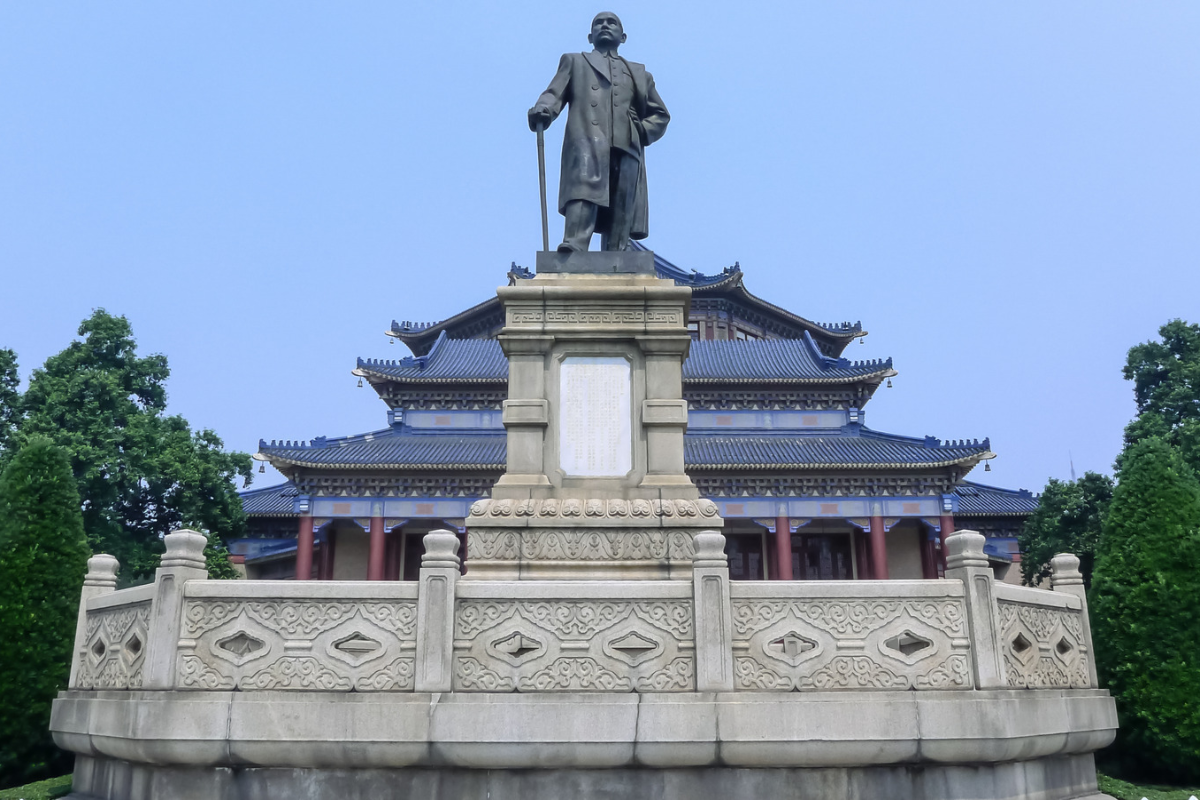
November 12, 2026, marks the 160th anniversary of Sun Yat-sen’s birth. One hundred and sixty years later, what is there left to say about him?
In modern Chinese history, he is inseparable from the 1911 Revolution, the overthrow of imperial rule and the establishment of a republic. But if we shift our focus to Australia, Sun Yat-sen offers another interesting perspective. Through the same historical figure, we can see that people collectively referred to today as “Chinese Australians” actually come from very different histories.
They Do Not Remember the Same History
We often speak of “Chinese Australians” as though they are a group with a shared background, culture and even political views. But this is far from the truth.
Some are descendants of nineteenth-century Cantonese gold miners and early Chinese merchants. Others come from Hong Kong or Taiwan, while some have roots in Malaysia or Singapore. Some have ancestral origins in China but were born in Vietnam, Cambodia or Laos before coming to Australia as refugees. There are also large numbers of people who migrated from mainland China to Australia after the Reform and Opening-up period. By the third or fourth generation, some Australians of Chinese heritage primarily speak English, and their understanding of China comes more from family stories than from their own lived experiences.
They may all be called Chinese Australians, but they do not necessarily remember the same China, nor do they necessarily understand Sun Yat-sen in the same way.
For some early Chinese Australian families, Sun Yat-sen is associated with the 1911 Revolution, overseas fundraising and the history of Chinese communities abroad. For some Malaysians and Singaporeans of Chinese descent, their memories are shaped by Chinese-language education and the history of Chinese communities in Southeast Asia. Taiwanese society has long referred to Sun Yat-sen as the “Father of the Nation”, while modern Chinese history education on the mainland describes him as an important pioneer of China’s democratic revolution. For Hong Kong people, Sun Yat-sen was educated in Hong Kong under British rule, where he developed his ideas about a democratic China. He also used Hong Kong as a base for many years to spread revolutionary ideas into China.
The same person can leave behind completely different historical memories. This is a reflection of the Chinese Australian community today.
Multiculturalism is not simply about differences between Chinese, Indian, Greek and Vietnamese communities. Even within a group collectively described as “Chinese”, there can be different languages, histories, political experiences and identities. Therefore, perhaps understanding Chinese Australians should no longer begin with the question, “What do Chinese people think?” Instead, we should first ask: “Which Chinese people are we talking about?”
Sun Yat-sen Left Behind More Than a Revolution
But if different Chinese communities understand Sun Yat-sen differently, why is he still worth revisiting 160 years later? One reason is that the historical transformation he represents was about more than the end of a dynasty.
The 1911 Revolution overthrew an imperial system that had lasted for more than 2,000 years and attempted to establish a republican system. This transformation was not the achievement of Sun Yat-sen alone, nor did it immediately turn China into a democratic country. After the establishment of the Republic of China, the country experienced warlord rule and prolonged instability. Nevertheless, the revolution brought an important question of modern politics to the forefront: did the country belong to the emperor, or did it belong to the people?
Under imperial rule, the legitimacy of political power came from the emperor. With the rise of republican ideas, the people, civil rights, elections, parliament and public participation became part of a new political vocabulary. Therefore, the modernisation represented by Sun Yat-sen was not limited to railways, industry, cities or technology. It also involved how society redefined the place of the individual.
People were not merely subjects to be governed; they should also be part of society. Ordinary people could take an interest in politics, establish organisations, openly discuss the direction of their country and demand that institutions respond to the people. This is also why the history of Sun Yat-sen and overseas Chinese communities is particularly worth remembering for Chinese Australians.
From the Crisis of the Late Qing Dynasty to the Republican Revolution
Sun Yat-sen was born in 1866 in Cuiheng Village, Xiangshan County, Guangdong, which is now Zhongshan City. At the time, the Qing dynasty was undergoing dramatic changes. Following the Opium Wars, China suffered a series of defeats and faced unequal treaties and the expansion of foreign powers. By the end of the nineteenth century, the defeat in the First Sino-Japanese War further deepened the sense of crisis among intellectuals and overseas Chinese about the country’s future. Could the Qing government still transform China into a modern nation through reform?
Different people proposed different answers. Reformists represented by Kang Youwei and Liang Qichao hoped to retain the emperor and introduce constitutional monarchy within the existing political system. Sun Yat-sen, however, gradually moved towards a different path. He believed the problem was not simply that certain policies needed reform, but that the entire imperial system itself needed to be changed.
Sun Yat-sen later summarised his political philosophy as the Three Principles of the People: nationalism, democracy and people’s livelihood. Among them, the principle of democracy placed particular emphasis on the people’s right to participate in politics, and on the idea that a government’s legitimacy should not come solely from hereditary imperial authority.
Of course, the 1911 Revolution did not immediately establish a stable democratic China. Sun Yat-sen soon resigned as provisional president, and Yuan Shikai succeeded him. Nevertheless, the revolution brought a fundamental question to the centre of Chinese politics: were people merely subjects to be governed, or did they have the right to participate in shaping their country’s future?
For Chinese people living in Australia, Singapore, Malaya, the United States and elsewhere at the time, what they witnessed was not simply a change of government in China. They saw a society in which ordinary people had previously had few opportunities to participate in politics beginning to embrace newspapers, political parties, public speeches, fundraising, political organisations and open debate about the country’s political system. Overseas Chinese communities themselves also became participants in this political transformation on an unprecedented scale.
They did not necessarily take up arms, but they could donate money, publish newspapers, establish associations and spread political ideas. Even outside China, they could influence the country’s future. This is the most significant intersection between Sun Yat-sen and the history of Chinese Australians: the revolution brought not only the overthrow of the Qing dynasty, but also a new way of thinking — ordinary people could participate in shaping society, and public affairs were not solely the concern of those in power.
Why Did the Revolution Find Support in Australia?
Sun Yat-sen himself never visited Australia, but his revolutionary network established connections with Chinese communities in Australia at a very early stage.
In the early twentieth century, Chinese communities in Melbourne and Sydney discussed China’s future through Chinese-language newspapers, public speeches, fundraising and political organisations. Some supported Sun Yat-sen’s republican revolution, while others backed the constitutional monarchy reforms advocated by Kang Youwei and Liang Qichao. Even within the same Chinese community, people were already openly debating whether China should pursue “revolution” or “reform”.
Newspapers were the battleground of the time. In 1898, Chinese merchants in Sydney pooled their funds to establish the Tung Wah Times. It initially supported the Qing dynasty’s reform movement, and its circulation reached a peak after Liang Qichao visited Australia in 1900. However, there were disagreements within the newspaper’s editorial team. Thomas Chang Luke, a former editor of the Tung Wah Times, advocated republicanism and fell out with the newspaper. After leaving, he founded the Chinese Times in Melbourne in February 1902 and repeatedly criticised the Tung Wah Times for supporting constitutional monarchy. By 1910, the Chinese Times had openly endorsed republicanism. In 1919, it became the official newspaper of the Kuomintang in Australia. One newspaper was based in Sydney and the other in Melbourne. The two Chinese-language publications debated each other from afar, while their readers formed the Chinese Australian community of the time.
In other words, political diversity among Chinese Australians did not suddenly emerge in recent decades. It was already present more than a century ago.
What is even more noteworthy is that most of these Chinese Australians who supported reform and revolution in China did not return there as a result. They continued to run businesses, work and raise families in Australia, while using the economic resources, community networks and relatively greater freedom to publish and form associations that they had gained in Australia to participate in public affairs in a distant China.
This was an early form of transnational civic participation. Their experiences also raise a question that remains worth considering today: if migrants care about their place of origin, does that mean they do not belong to Australia?
Today, Ukrainians living in Australia care about the war in Ukraine; Iranian Australians pay attention to human rights issues in Iran; and Indian, Lebanese, Hong Kong and other migrant communities also maintain cultural, family and even political connections with their places of origin.
Migrants do not have to cut off their entire past the moment they set foot in Australia. What truly matters is how these different histories and identities can eventually find their place within Australia’s democratic system.
Australia Offers More Than Just Freedom
This is where the story of Sun Yat-sen connects with Australian society today. Australia’s multiculturalism allows people from different backgrounds to preserve their languages, religions, cultures and historical memories. Its democratic system further provides a shared public space where people with different backgrounds can express their views, establish organisations, participate in politics, criticise the government and even disagree with one another.
Democracy has never been just about “what am I entitled to do?” It also involves “what am I willing to do for this society?” If the people are the owners of society, they should not only enjoy the freedoms provided by the system, but also take responsibility for participating in it.
Taking part in community organisations, paying attention to public policy, understanding candidates’ platforms, expressing opinions and helping those around us, as well as the most basic act of voting, are all part of civil society.
In a way, this echoes the history of overseas Chinese communities participating in China’s reforms more than a century ago. Today, if we have become Australian citizens, we are already part of this political system.
The power of the people is no longer just about supporting a revolution in a distant land. It is about how we participate every day in the society in which we actually live.
From Overseas Chinese to Australian Citizens
When many early Chinese migrants arrived in Australia, they saw themselves as “overseas Chinese”. Australia was where they worked, while China was the home they ultimately intended to return to. But over more than a century, this identity has continued to evolve.
Some were born in Australia, while others have built their families here. Some still speak Chinese, while the next generation of others speaks only English. Some care deeply about China, Hong Kong or Taiwan, while others see themselves primarily, or even exclusively, as Australians.
A mature multicultural society should not expect everyone from the same ethnic group to hold identical political views. What truly brings people together may not be a shared history, but a shared system of civic institutions.
We can have different understandings of Sun Yat-sen, come from different places, retain our own cultural identities and even hold completely opposing views on many political issues. But as long as we live in the same democratic society, we need to learn how to live together despite our differences.
Perhaps this can be described as a form of cross-cultural democracy — not one that requires different ethnic groups to abandon their own histories, but one that allows people from different historical backgrounds to become part of the same political community.
After Commemorating Sun Yat-sen, How Do We Participate Today?
Therefore, when commemorating the 160th anniversary of Sun Yat-sen’s birth in 2026, what is truly worth looking back on may not simply be what happened in 1911. A more important question is how we understand the role of “the people” in society more than a century later.
During Sun Yat-sen’s lifetime, people faced the challenges of imperial rule, revolution and the establishment of a republic. Today, living in Australia, we are in a completely different environment. We already live under a mature parliamentary democratic system, with the rights to vote, form associations, freedom of speech and participate in public affairs.
But the existence of these institutions does not mean democracy will function automatically. Democracy still requires people to participate.
On November 28 this year, Victoria will hold its state election. More than a century ago, Chinese Australians had to publish newspapers and raise funds to influence the future of a distant country. Today, a single vote can directly influence the places where we live every day: how long people have to wait for hospital treatment, whether roads and public transport improve, whether older people and children receive proper care, and whether multicultural society continues to be respected. For registered voters, voting is both a right and, under Australia’s compulsory voting system, an obligation. Please do not stay away because you think “one vote doesn’t matter” or “politics has nothing to do with me”. Regardless of which party or candidate you support, please vote on November 28 and spend ten minutes getting to know your candidates before heading out. Democracy does not operate automatically. It needs every person who is willing to participate.
More than a century ago, Chinese Australians used newspapers, community organisations and fundraising to try to change the future of a distant country. Today, Chinese Australians are no longer simply overseas Chinese observing the politics of another country. Many are Australian citizens, voters, community workers, business owners and professionals. Some have also entered local, state and federal politics. Our identities have changed, and so have the ways in which we participate in society. But one thing remains unchanged: a modern society is built not only by its government, but also collectively by the people who are willing to participate in it.
Freedom gives us choices; democracy gives us a voice; and civic responsibility reminds us not to take these rights for granted. Therefore, revisiting Sun Yat-sen today does not mean that all Chinese Australians must share the same historical assessment of him. On the contrary, precisely because we come from different places and carry different memories, we need to learn how to participate, discuss and take responsibility within our shared Australian society.
Perhaps this is the most important lesson that Sun Yat-sen’s story leaves for Chinese Australians 160 years later: although we may have different pasts, we can still participate in shaping the same future.
Features
What Will the US Government Look Like After the Democrats’ Landslide Victory?
Published
5 days agoon
November 23, 2026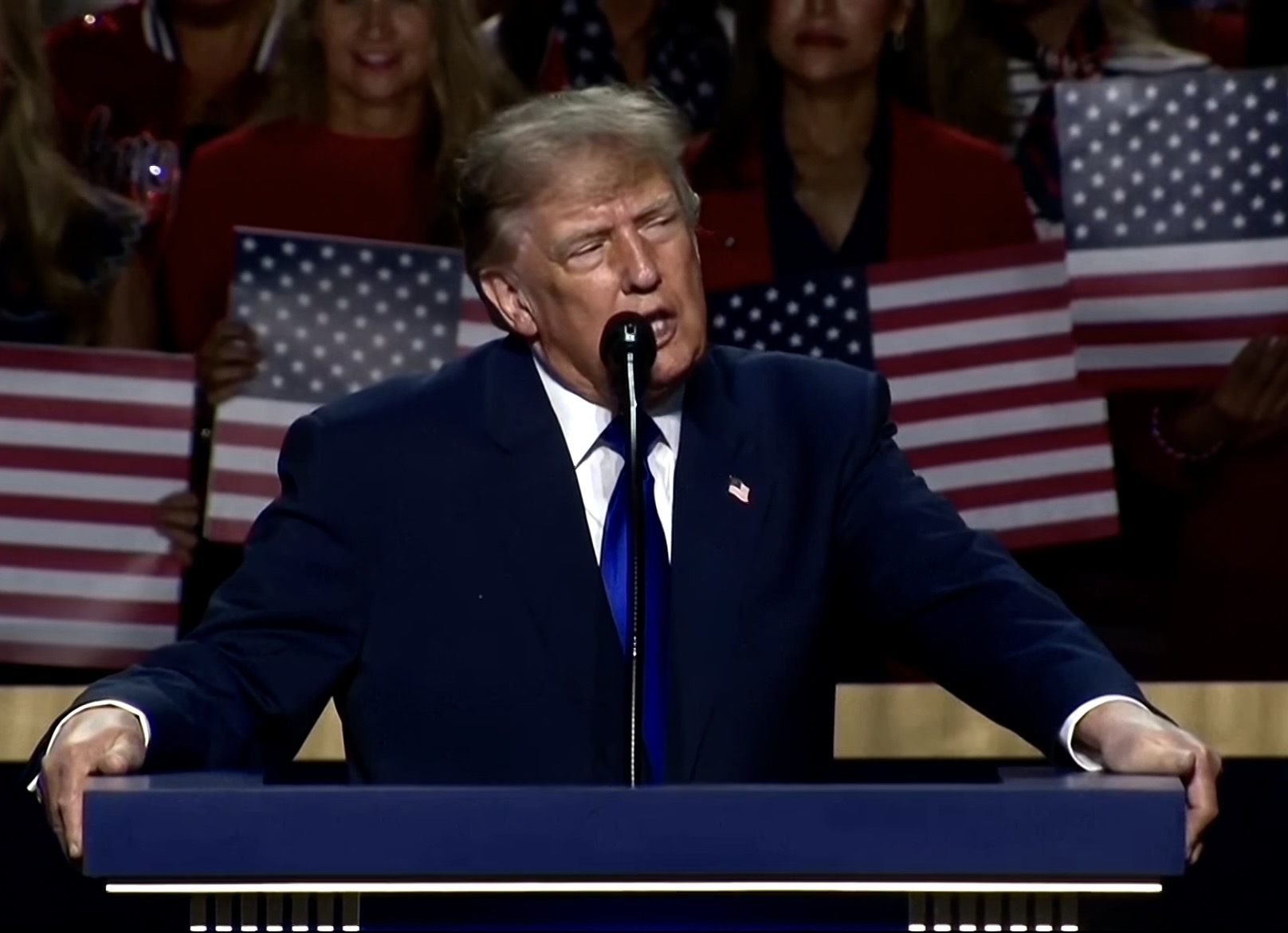
The US midterm elections have concluded, with the Democrats successfully regaining control of both the House of Representatives and the Senate, ending the Republicans’ dominance of Congress over the past two years. How will this election reshape the scope of Donald Trump’s powers for the remainder of his term? Can the Democrats genuinely hold the White House in check, and will US technology and foreign policies shift as a result?
Is This a Rejection of Trump or an Endorsement of the Democrats?
As of November 16, the Democrats had secured at least 55 seats in the Senate and won at least 256 seats in the House of Representatives, with counting still underway in some electorates. Approximately 124 million people voted nationwide, the second-highest turnout since 1914 and around 12 million more than the 112 million recorded in 2022. This reflects increased voter attention and participation in this election.
The rising cost of living was one of the main reasons behind the Republicans’ poor performance. High prices for food, petrol and energy have placed greater financial pressure on households. An SSRS voter survey found that nearly 80 per cent of respondents said inflation had a moderate or severe impact on their households, while 62 per cent believed rising prices were linked to the policies of the Trump administration. Even as the government emphasised economic growth, voters found it difficult to ignore the continuous increase in everyday expenses.
The war with Iran also cost Trump support. He had previously won votes with his “America First” agenda and opposition to overseas wars. However, the US and Israel launched military action against Iran in February this year, driving up energy prices. The SSRS survey found that 63 per cent of respondents believed the decision to strike Iran was wrong, while 74 per cent said the conflict had influenced their vote. This reflects dissatisfaction among some voters over Trump’s failure to fulfil his promise to avoid overseas conflicts.
Controversies surrounding immigration enforcement and Trump’s political style further limited the Republicans’ ability to win over moderate voters. Voting preferences among Latino and Black voters also shifted, suggesting that the support the Republicans had gained in some minority communities in recent years may not be sustainable.
However, the Democrats’ victory should not be interpreted as voters fully embracing their political ideology. It was more an act of accountability towards the governing party than a comprehensive mandate for the Democrats. Voters certainly want the Trump administration to face greater scrutiny, but if the Democrats can only oppose the White House without presenting concrete solutions on issues such as the cost of living, healthcare and immigration, the political significance of this victory may be limited.
How Much Will Trump’s Power Be Constrained After Congress Changes Hands?
With the Democrats regaining control of both chambers of Congress, the Trump administration will face more rigorous congressional oversight. Democratic lawmakers in the House can use congressional committees to hold hearings, request government documents and summon officials to testify. They can investigate the business interests of the Trump family, the Department of Homeland Security and immigration enforcement operations, as well as the government’s handling of files related to Jeffrey Epstein. These investigations may not necessarily lead to legal consequences, but they could increase political pressure on the White House.
The Senate, meanwhile, has the power to confirm appointments to senior Cabinet positions and federal judicial posts. Democrats can block some of the president’s nominees. If a vacancy arises on the Supreme Court during Trump’s term, the Senate’s position could also affect whether a new justice is confirmed.
Although the Democrats control both chambers of Congress, policies they propose still need to be signed by the president to become law. If Trump disagrees, he can veto legislation. Unless Democrats can secure the support of some Republican lawmakers, it will be difficult to override a veto. Therefore, even though the Democrats have regained control of Congress, this does not mean all their proposed reforms can be implemented.
Impeachment is another option the Democrats could consider. The House of Representatives can bring impeachment charges, but removing the president from office requires the support of two-thirds of the Senate. Given this high threshold, the Democrats’ majority alone would not be enough to achieve that outcome.
More importantly, Trump still controls the executive branch and retains considerable authority over foreign affairs, defence and military decisions. Congress can restrict the government’s room to manoeuvre through legislation, budgetary powers and investigations, but it cannot unilaterally take over the White House’s decision-making authority. The Democrats’ return to control of Congress means more checks and political battles, not the immediate loss of Trump’s presidential powers.
Will American Politics Become Even More Polarised?
The Democrats’ return to control of Congress reflects voter dissatisfaction with the Trump administration, but it does not mean American politics has shifted towards supporting all of the Democrats’ proposals. Their next challenge is to turn the promises made during the election campaign into actual policies.
Trump, on the other hand, may not back down simply because Congress has changed hands. If Congress refuses to support White House policies, Trump may rely more heavily on executive orders and existing legal powers to advance his agenda. However, these measures could still face legal challenges in the courts. The White House may also portray Democratic investigations and obstruction as political persecution, using this narrative to consolidate support among its base and turn political conflict into a tool for mobilising voters.
This situation could deepen divisions between the two parties. Democrats need to demonstrate to their supporters that they can hold Trump accountable, while Republican lawmakers must balance their support for the president with the need to respond to moderate voters. If both sides prioritise political interests over policy negotiations, budget negotiations and major legislation could reach a deadlock, affecting the government’s operations.
Therefore, the election may not bring a fundamental shift in the direction of American politics. Instead, the redistribution of power will usher in a new phase of political confrontation between the two parties. When oversight turns into ongoing conflict, whether checks and balances can coexist with effective government becomes a more important question.
The Future Direction of Artificial Intelligence Development in the US
Following the US midterm elections, the artificial intelligence (AI) industry may also face a new political environment. With the Democrats gaining an advantage in Congress, alongside the election of governors and lawmakers who support stronger regulation in several states, the Trump administration’s previous AI policy of encouraging investment and reducing regulatory restrictions may face greater scrutiny.
During this election, the construction of data centres became a major issue in several local communities. Many voters are concerned that large data centres consume significant amounts of electricity and water, potentially driving up electricity bills, placing additional pressure on local infrastructure and creating environmental impacts that may not be borne by technology companies.
With the Democrats controlling Congress, they are expected to increase scrutiny of technology companies. This could include demands for higher model safety standards, public disclosure of energy and water usage data, and greater accountability for AI’s impact on employment and society. Some lawmakers have also proposed restricting data centre expansion or even suspending certain projects. However, proposals to halt data centre development altogether are unlikely to pass Congress. Trump can also exercise his presidential veto, creating further obstacles to regulatory reforms.
This does not mean the US will slow down its AI competition with China. Both Republicans and Democrats regard artificial intelligence as a key technology affecting economic strength and national security. Competition over advanced chips, semiconductor equipment and sophisticated AI models is expected to continue. The real disagreement lies in how much regulation the US should impose in exchange for safer and more responsible technological development.
Meanwhile, technology companies have also begun responding to opposition from local communities. For example, OpenAI has proposed covering the electricity and infrastructure upgrade costs required by its data centres, while pledging to reduce water consumption in cooling systems and disclose energy and water usage data. This reflects a growing awareness among companies that if the costs of AI infrastructure are borne by local residents, public opposition could slow the development of the entire industry.
Therefore, the future debate over US AI policy is not simply about whether technology companies should be regulated. It is about how the industry can maintain its technological lead and respond to competition from China without sacrificing people’s livelihoods, the environment and public safety.
How US Domestic Politics Could Shape the International Landscape
The US midterm elections will not only affect domestic politics, but also change how other countries deal with Washington. With the Democrats regaining control of Congress, they can use their budgetary and oversight powers to check the White House. However, Trump still retains authority over foreign policy and military decisions. The key question is whether the administration can secure sufficient domestic support to implement its foreign policy.
The war with Iran is one example. Democrats may demand that the White House explain the costs, objectives and legal basis of its military actions, increasing the political pressure to continue the conflict. However, Trump can still decide whether to maintain military operations based on his own judgement. Iran will also continue to monitor US military deployments and sanctions, rather than judging Washington’s position solely on the basis of the change in congressional control.
The war in Ukraine presents a similar situation. Democrats may push to maintain assistance to Ukraine and strengthen sanctions against Russia, but the actual level of support will still depend on congressional funding, developments on the battlefield and Trump’s foreign policy approach. If the US pushes for a peace agreement, congressional support will also be an important factor in arrangements involving long-term security commitments and sanctions against Russia.
As for US-China relations, Trump may negotiate with Beijing on tariffs and market access in pursuit of trade gains. However, neither party has abandoned its concerns about China’s technological and military development. Semiconductors, artificial intelligence and supply chain security will remain key areas of competition between the two countries. In other words, there may be room for an improvement in economic and trade relations, but technological and security competition may not ease.
On Taiwan, Democrats may strengthen oversight of US arms sales to the island, but Trump can still include the Taiwan issue in negotiations with China. Taiwan cannot assume that Democratic control of Congress guarantees stronger US support, just as Beijing cannot assume that Trump will abandon the US strategy in the Taiwan Strait in exchange for trade benefits.
Ultimately, America’s international influence will not disappear simply because control of Congress has changed hands. However, both allies and rivals must consider whether Washington’s policies can be sustained. When foreign policy decisions are influenced by domestic political rivalry, other countries’ confidence in and expectations of US commitments may be affected, even if America maintains its existing positions.
How Should Australia Rethink Its Own Position?
For Australia, the issue raised by the US midterm elections is not simply whether Washington will change its foreign policy direction after the Democrats regain control of Congress. It is whether America’s security commitments can remain stable through changes of government.
The US has long been one of Australia’s most important security and defence allies. However, the Trump administration has previously called on allies to increase defence spending and has applied pressure on them over trade and security issues. This shows that even allied relationships are influenced by domestic American politics. Even if the Democrats use Congress to hold the White House in check, they may not be able to prevent the president from adjusting foreign and military policies. For Australia, the real risk is that America’s policy direction and commitments may change with a new administration and shifts in its political environment.
This is particularly important for Australia’s defence cooperation. Through the ANZUS alliance and AUKUS, Australia and the US have established close cooperation in intelligence sharing, military deployments, nuclear-powered submarines and advanced military technology. These projects involve long-term investment and depend on the US continuing to provide technology, resources and political support. If domestic US politics affects defence budgets, technology transfers or military deployments in the Indo-Pacific, Australia’s defence plans could also be affected. Even though both major US parties broadly support maintaining America’s influence in the Indo-Pacific, the specific approaches and allocation of resources may still change.
On the other hand, Australia also has its own economic considerations. China is one of Australia’s major trading partners, and exports of minerals, energy and agricultural products are closely tied to the Chinese market. This means Australia relies on the US for security while maintaining close economic ties with China. If Washington changes its China policy due to domestic political developments, or even demands that its allies align with it on trade, technology and security issues, Australia could face greater pressure. Excessive reliance on the US could limit Australia’s room to respond when policies change. However, weakening security cooperation in pursuit of economic and trade interests also carries risks.
Therefore, what Australia needs to consider is not simply choosing between the US and China, but how to increase its own strategic autonomy while maintaining its alliances. In addition to investing in defence and its domestic defence industry, Australia also needs to strengthen energy security, critical minerals and supply chain security, while deepening cooperation with Japan, South Korea, India and Southeast Asian countries to avoid excessive dependence on any single country.
Of course, strategic autonomy does not mean distancing itself from the US. America remains an irreplaceable defence partner for Australia, and cooperation between the two countries plays an important role in Indo-Pacific security. However, Australia cannot place its security entirely in the hands of its allies. Instead, it should develop the ability to make independent assessments and respond to changing circumstances while maintaining cooperation.
Features
The Death of Jianming Feng: Who Sees the Migrant Workers on the Margins of the System?
Published
2 weeks agoon
November 13, 2026From the gig economy and urban safety to migrant worker protections, a tragedy exposes systemic issues
On the evening of 6 November 2026, in Melbourne’s CBD, near Queen Victoria Market, a food delivery rider was found lying in a pool of blood on Frederick Way.
His name was Jianming Feng. He was 47 years old and came from Xi’an, Shaanxi Province, China. He had lived and worked in Australia for many years, making a living through food delivery. According to his family, he had always lived frugally, hoping to send as much of his income as possible back to his hometown to support his parents, wife and two children. For him, every delivery order was more than just a job. It was also a source of livelihood for a family living far away.
On the night of the incident, Jianming Feng and another delivery rider noticed someone tampering with their parked vehicles. The two approached the individual to confront them, and a confrontation subsequently broke out. Jianming Feng was stabbed and later died in hospital, while the other rider was also injured. Police subsequently arrested a 51-year-old man and charged him with murder and intentionally causing serious injury, among other offences. The case remains subject to judicial proceedings, and criminal liability must be determined by the court in accordance with the law.
The news sparked deep grief within the Chinese community. Members of the public and community representatives held memorial events and organised fundraising efforts for the victim’s family. Within a short period, the community demonstrated a moving sense of solidarity and compassion.
However, as we mourn Jianming Feng’s death, we should also ask a deeper question:
Why might someone who spends every day travelling through the city’s streets to deliver food to the public lack adequate safety protections while doing their job? Does our system truly recognise the circumstances these workers face?
A Criminal Case, or a Wider Warning to Society?
First, it is important to be clear: Jianming Feng’s death was a serious violent crime. Without sufficient evidence, the incident should not be reduced to the direct consequence of any particular social group, mental illness or individual policy.
Currently available public information is insufficient to establish whether the suspect was homeless, had a long-term mental health condition, or whether the case was directly connected to food delivery platforms’ deduction policies. These questions require police investigations, judicial proceedings and reliable evidence, rather than public speculation.
However, avoiding the treatment of unverified details as facts does not mean we cannot question the systemic issues behind the incident.
A tragedy can raise several issues that deserve serious attention from society: public safety in the CBD, mental health and homelessness support, occupational safety for platform workers, and the rights of temporary visa holders and migrant workers.
Government officials and the City Council have emphasised that people have the right to live and work safely on the streets. This is essential. But if public discussion stops at increasing patrols, strengthening law enforcement and cracking down on crime, we may overlook another important question: Do the people who work on our streets every day have adequate institutional protections?
Food Delivery Platforms: Flexible Work, or Risks Shifted onto Workers?
Food delivery platforms have made urban life more convenient and provided a source of income for many new migrants, international students and other workers. Workers can accept orders through their phones and, to some extent, arrange their own working hours. Platforms, meanwhile, connect customers, restaurants and delivery riders.
However, this model raises an important question: when platforms control mechanisms such as order allocation, ratings, income calculations and account management, while riders are classified as independent contractors, how should responsibilities be distributed between the two parties?
Independent contractor status should not become an excuse for platforms to avoid reasonable responsibilities. Riders have to bear the costs of their vehicles, fuel and maintenance, as well as the risks associated with their work. If an accident occurs, can they access adequate insurance and support? When problems arise with an order, are the platforms’ deduction and appeals systems fair and transparent?
These issues are not new. Previous surveys conducted by the Transport Workers’ Union of Australia have already highlighted the difficulties food delivery riders face in securing workplace protections. A 2019 survey involving 234 riders found that approximately 75 per cent of respondents held temporary visas. A 2020 union survey also found that among respondents who had been injured, approximately 81 per cent said they had received no support from their platforms. These findings relate to specific years and survey samples and should not be treated as representative figures for all delivery riders across Australia today. However, they demonstrate that these problems have existed for some time.
From 17 August 2026, Australia’s first minimum standards order covering eligible food delivery platform workers officially came into effect. It covers matters including minimum income calculations, vehicle expenses, insurance, record-keeping, platform consultation and dispute resolution. This is an important development and reflects the government’s recognition that platform workers still require a certain level of institutional protection, even if they are not classified as traditional employees.
However, the new standards do not mean that all riders automatically become employees, nor do they guarantee protection for every working hour, accident or occupational risk. Having regulations in place is one thing, but are they being properly enforced? Is the insurance coverage adequate? Do platforms have clear support and reporting mechanisms when riders encounter dangerous situations? These are all issues that require ongoing scrutiny.
Following Jianming Feng’s death, the Transport Workers’ Union raised questions about platform safety responsibilities and deduction arrangements, and called on WorkSafe to investigate. The union also relayed reports from riders who said they had been charged for meals that were lost or stolen. HungryPanda, meanwhile, stated that the company did not have a policy automatically requiring riders to compensate for stolen meals, and that there was no evidence linking Jianming Feng’s death to its meal compensation arrangements.
We should not treat the union’s allegations as established facts, but neither should the platforms’ denials put an end to further questions. What needs to be clarified is whether platforms’ everyday management practices are fair, whether riders have safe and reasonable procedures to follow when facing theft, threats or other dangerous situations, and whether platforms place workers’ personal safety ahead of commercial efficiency.
“Migrants” Are Not a Homogeneous Group
Jianming Feng had lived in Australia for many years. However, there is insufficient publicly available information to confirm his specific visa category or work rights status. We should not assume that he was working illegally, nor should we portray all food delivery riders as illegal workers.
This distinction is particularly important.
When discussing migration, Australian society often groups people from different backgrounds under the broad label of “migrants”. But migrants are not a group of people who share the same living conditions or enjoy exactly the same rights.
Some have obtained permanent residency, while others have become Australian citizens. Some hold student visas, others hold work visas, while some are on bridging visas or going through other specific immigration processes. Work rights, access to healthcare and eligibility for welfare benefits vary between visa categories and should not be treated as the same.
Some new migrants have professional qualifications, stable employment and established social networks. Others, however, may be restricted to unstable, long-hour and higher-risk jobs because of language barriers, difficulties getting their qualifications recognised, financial pressures or visa restrictions.
They are equally part of Australian society and play a role in keeping cities running every day. But do they have sufficient information to understand their rights? When faced with unpaid wages, deductions, workplace injuries or unfair treatment, do they know where to seek help? If they fear losing their jobs or affecting their visa status, would they dare to make a complaint?
These are questions that governments, unions, community organisations and platform companies need to address together.
More importantly, temporary visa holders should not automatically be equated with illegal workers, just as independent contractors should not automatically be regarded as having no workplace rights. Australia already has relevant laws and regulatory frameworks. What needs to be examined is whether these systems can effectively cover workers across different employment arrangements and immigration statuses.
Urban Safety Requires More Than Increasing Police Presence
Jianming Feng’s death has also renewed public attention on safety in Melbourne’s CBD.
Public safety certainly requires effective law enforcement, appropriate police deployment and a serious response to violent crime. However, a safe city cannot be built through policing and criminal penalties alone.
Accommodation support for homeless people, mental health services, crisis intervention, community services and public space management are equally important components of urban safety.
If people have been living on the streets for extended periods without access to appropriate accommodation and support, the government needs to examine whether existing services are sufficient. If someone experiences a serious mental health crisis, it is also worth asking whether medical and social support systems can intervene in time.
However, we must avoid drawing a direct link between mental illness, homelessness and violence. The vast majority of people with mental health conditions do not harm others. The real policy challenge is how to ensure that those in need receive appropriate treatment and support early, while also safeguarding the wider community.
Similarly, an overall decline in crime statistics does not mean residents’ safety concerns can be dismissed. Broad figures can help governments understand trends, but they cannot replace the lived experiences of residents, business owners and night-time workers. Governments need to address both the trends reflected in the data and the specific concerns raised by the community.
The Responsibility of the Media and Community: Mourning Must Be Followed by Questions
Following the incident, mainstream Australian media reported on the circumstances of the case, the suspect’s court appearances, community memorials and the government’s response to public safety concerns. Some reports also went further to examine working conditions on food delivery platforms and rider safety. Therefore, it would be inaccurate to say that the media completely ignored these issues.
However, we can still raise another question: as media attention gradually shifts elsewhere, will the protections afforded to platform workers, the circumstances faced by migrant workers and the regulatory responsibilities shared between government agencies continue to receive attention?
A murder case may dominate headlines for several days, but institutional reform requires sustained public scrutiny. If, after the incident, people only remember a memorial, a fundraising campaign and a few promises to strengthen public safety, without continuing to ask how platforms protect riders, how governments regulate the industry and how workers can seek help, the public lessons of this tragedy may gradually disappear.
The Chinese community demonstrated a strong sense of solidarity during this incident, and that deserves recognition. However, the community’s role should not be limited to fundraising, memorial events and expressing grief to the government.
We also need to develop a more sustained capacity for advocacy: helping workers understand their workplace rights and visa regulations; ensuring that those in need know how to access legal, medical and social services; establishing communication channels with unions, community organisations and government agencies; and demanding that platforms make their safety and complaints procedures more transparent and effective.
The responsibility of community representatives is not only to speak on behalf of the community, but also to bring the circumstances of those whose voices are rarely heard into public discussion.
Re-examining Society Through the Life of One Individual
Jianming Feng’s death is, first and foremost, an irreparable loss for a family. His wife has lost her husband, his two children have lost their father, and his elderly father has lost his son. No matter how many policies the government introduces in the future, nothing can return this family to the way things were.
We should not use his death as a political slogan, nor should we assign blame to any particular group or institution before the investigation is complete.
But respecting the deceased means more than holding memorials and making donations. True respect means allowing his experience to remind us that, even in a prosperous city, there are still people who work long hours in all weather conditions, potentially without adequate protection. And in a society that takes pride in its multiculturalism, there are still migrant workers whose voices have not genuinely made their way into the centre of policymaking and public discussion.
Multiculturalism in Australia should not be reflected solely through festivals, food, languages and cultural performances. More importantly, it should be reflected in fair working environments, equal institutional protections, meaningful participation in society, and accessible avenues for seeking help when anyone encounters difficulties.
A truly inclusive society does not simply welcome people from different backgrounds to come here. It must also ensure that they receive the respect and protection they deserve when working, living and building families here.
Jianming Feng’s life cannot be brought back. But we can choose not to let this tragedy become just another fleeting news story.
Moving from mourning to accountability, and from sympathy to reform, is the least we owe him, his family and everyone who works tirelessly on the margins of our cities.
Listen Now

US Government backs Musk’s plan for space-based data centres
UK lawyer warns China’s misuse of Interpol to target dissidents
NSW MP backtracks after requesting state funeral for conservative politician
Australian news outlets demand content protection from AI scraping
Liberal Senator defects to One Nation

Cantonese Mango Sago
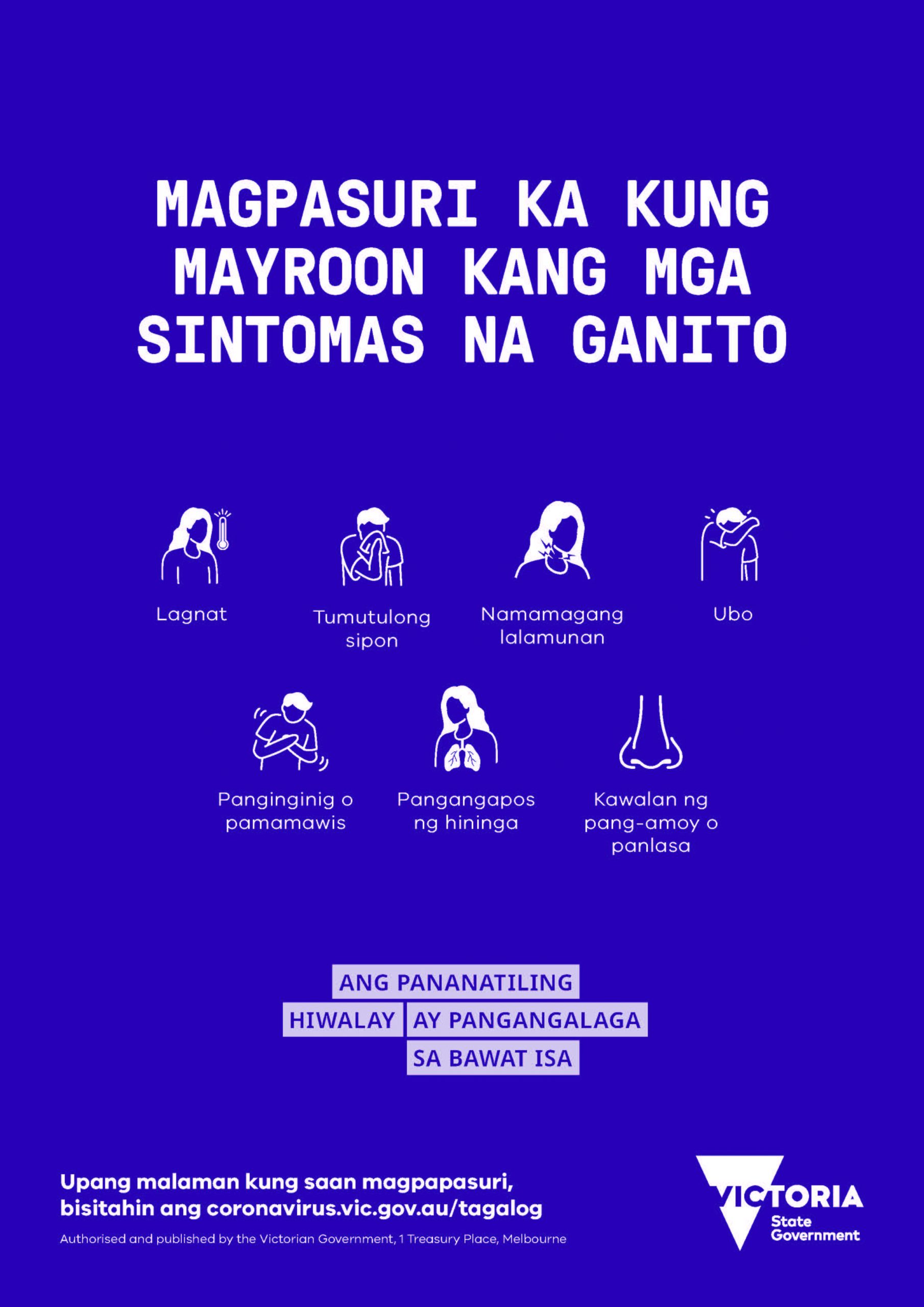
FILIPINO: Kung nakakaranas ka ng mga sumusunod na sintomas, mangyaring subukan.
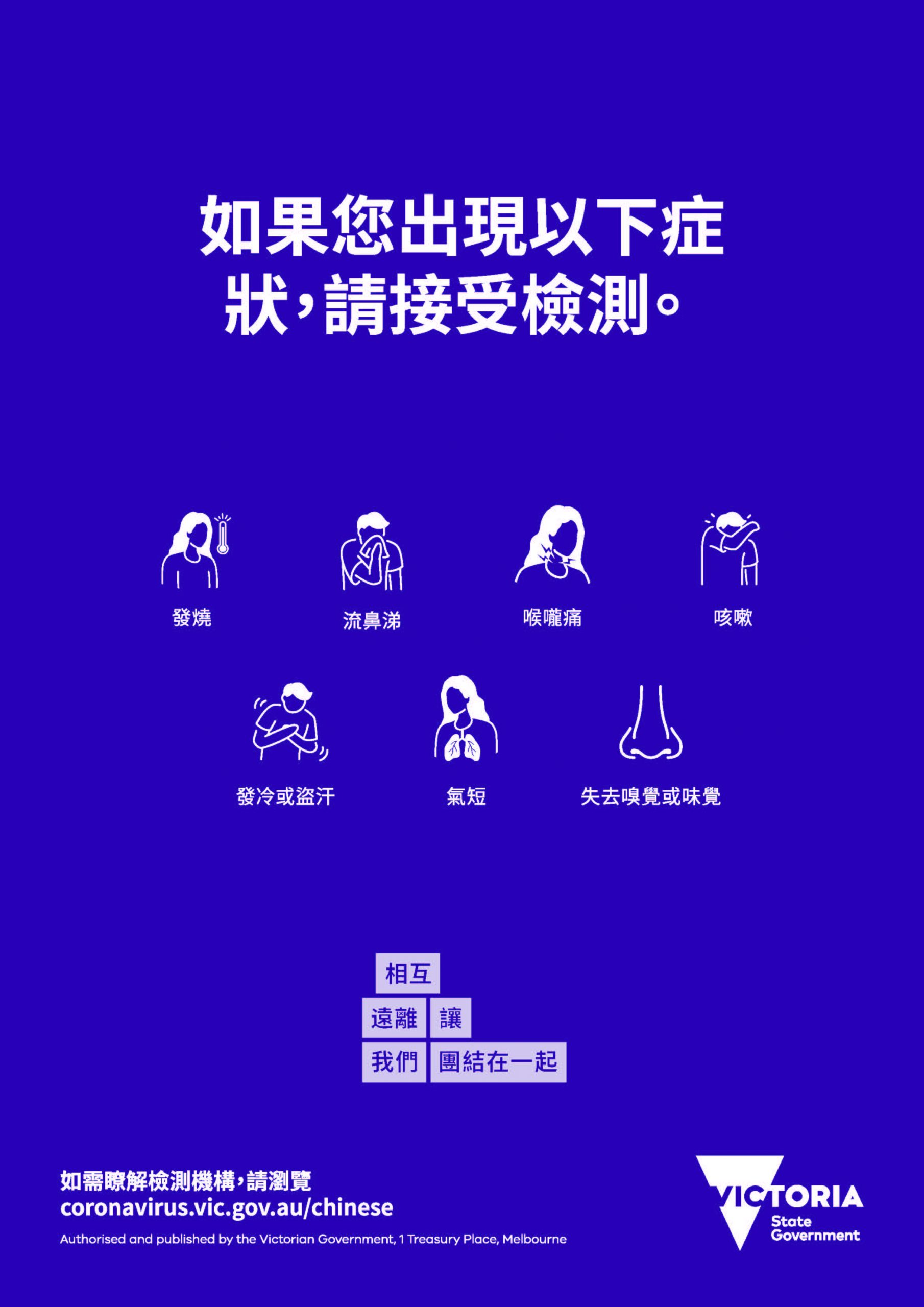
如果您出現以下症狀,請接受檢測。

How to wear a face mask 怎麼戴口罩

保护您自己和家人 – 咳嗽和打喷嚏时请捂住
UAE Fully Suspends Trade and Financial Ties with Iran
Victorian Liberal Candidate Counselled Over Volunteer Internship Program

Trump signs order banning “birth tourism” and further restricting birthright citizenship

SpaceX Rocket Debris Hits the Moon, Renewing Concerns Over Space Junk

Australia Sets New Standards for Men’s Behaviour Programs
Trending
-
 Cuisine Explorer6 years ago
Cantonese Mango Sago
-
Tagalog6 years ago
FILIPINO: Kung nakakaranas ka ng mga sumusunod na sintomas, mangyaring subukan.
-
Uncategorized6 years ago
如果您出現以下症狀,請接受檢測。
-
 Uncategorized6 years ago
How to wear a face mask 怎麼戴口罩
-
Cantonese - Traditional Chinese6 years ago
保护您自己和家人 – 咳嗽和打喷嚏时请捂住
-
 Uncategorized6 years ago
COVID-19 檢驗快速 安全又簡單
-
Uncategorized6 years ago
在最近的 COVID-19 應對行動中, 維多利亞州並非孤單
-
 Cantonese - Traditional Chinese6 years ago
保護您自己和家人 – 咳嗽和打噴嚏時請捂住
