
National News
ATO will not budge after snap meeting over credit card ban

The Australian Taxation Office (ATO) will not budge on its decision to stop accepting credit card payments from December 1, after holding a snap crisis meeting with business groups angered by the move.
Australia’s tax chief convened a meeting with business groups this morning to discuss the changes in the wake of widespread backlash. But the ATO has indicated it is not going to reverse the credit card ban, according to a spokesperson from the Australian Chamber of Commerce and Industry (ACCI), which attended the meeting.
Last week the tax office announced it would stop accepting credit card payments at the end of next month. That step came in response to the Reserve Bank of Australia’s reforms to scrap card surcharges from October 1, which the bank said was “in the public interest” and would save customers about $1.6 billion a year. The ATO said it would continue accepting credit cards until November 30 to allow for a transition period, saying it was untenable beyond that point.
Small business owners say they have been expected to absorb the fees of card transactions themselves, and have lost the option of using credit card payments to the ATO as a cash flow method. Some feared the sudden change would mean they needed to source cash quickly to begin paying by debit instead, or they would be forced to go into arrears with the ATO, and that could result in enforcement against their businesses, including possible closure.
The Council of Small Business Organisations Australia (COSBOA) said it raised issues for businesses that used credit cards as a cash flow tool and said the decision “warrants a rethink”. Master Builders CEO Denita Wawn also said the surcharge card ban and other regulatory decisions were made “without consultation” and showed a “lack of practical understanding of the impact of decisions being made by this government”.

National News
NSW Police less likely to divert Aboriginal children from court compared to non-Aboriginal ones

NSW police are less likely to divert an Aboriginal child from court compared to a non-Aboriginal child, new data shows.
Under the NSW Young Offenders Act, police can give children a diversion if they have allegedly committed a crime, which aims to reduce a young person’s contact with the court system and likelihood of repeat offending. A diversion can take the form of a warning, a caution or an intervention.
But a report released today by the NSW Bureau of Crime Statistics and Research (BOCSAR) found Aboriginal children were 30 per cent less likely to receive a court diversion from police compared to non-Aboriginal children. BOCSAR executive director Jackie Fitzgerald said this disparity existed “even when the alleged offence is eligible for diversion under the Young Offenders Act”.
BOCSAR research labelled the overall disparity as “concerning”, because part of the Young Offenders Act was aimed at reducing the over-representation of Aboriginal children in the justice system. Fitzgerald also said a young person’s “cooperation with police”, and “any bias treatment” were potential reasons that could not be captured by the data.
Superintendent Phil Hallinan from the Youth Crime Command told 702 ABC Sydney he welcomed the report, but said the raw data does not tell the whole story. He added that social determinants which could lead to a child entering the criminal justice system in the first place, including an unstable home life or exposure to alcohol and drug abuse, were not considered as reasons why a young person would not be diverted.
National News
Victorian government pledges to introduce DV disclosure scheme if re-elected

The Victorian government has joined the opposition in promising to introduce a domestic violence disclosure scheme if it wins the state election.
Labor today announced it will introduce Clare’s Law if re-elected on November 28, as well as banning smart glasses in more settings. People would be able to ask police if their partner has a history of violence and abuse under the proposed laws, named after the UK scheme introduced after the murder of British woman Clare Wood.
Labor’s announcement also includes promises to ban people convicted of family violence and sexual offences from using dating apps, along with greater investment in frontline support.
The Victorian opposition promised in July to introduce a domestic violence disclosure scheme within 100 days if it wins office, but did not respond to questions regarding the implementation of Clare’s Law at the time.
National News
NSW premier responds to NSW One Nation candidate’s claim about Australians

The New South Wales premier Chris Minns and the Australian Human Rights Commission have criticised comments by Stuart Bonds who heads One Nation’s upper house ticket in NSW, after Bonds said Australians faced demographic replacement unless “mass migration” was curtailed.
Bonds will be the first candidate on the rightwing party’s NSW upper house ticket and on current polling is likely to be elected in March’s state election. He made incendiary remarks at an anti-immigration rally in Sydney’s CBD on Sunday, claiming that Australians are being ‘demographically replaced’ by migrants.
Bonds claimed that the “socialist plan” was to “destroy and bring down and tear down the fabric of your civilisation” pointing to European countries “on fire”, making Australia go down a path “of becoming a special economic zone within Asia,” and that it needed to “re-establish ourselves as a proud Australian nation”.
Minns criticised Bonds’ comments as ‘outrageous and racist’. The race discrimination commissioner, Giridharan Sivaraman, said comments that some Australians were superior to others sowed “division and hate”, especially when Australia has always been shaped by successive generations of people who came from around the world, as well as having the longest continuous culture.

UN climate chief warns about contagious high fossil fuel prices
Fresh attempt to impeach US Defense Secretary Pete Hegseth introduced in Congress
NSW Police less likely to divert Aboriginal children from court compared to non-Aboriginal ones
Victorian government pledges to introduce DV disclosure scheme if re-elected
NSW premier responds to NSW One Nation candidate’s claim about Australians

Cantonese Mango Sago
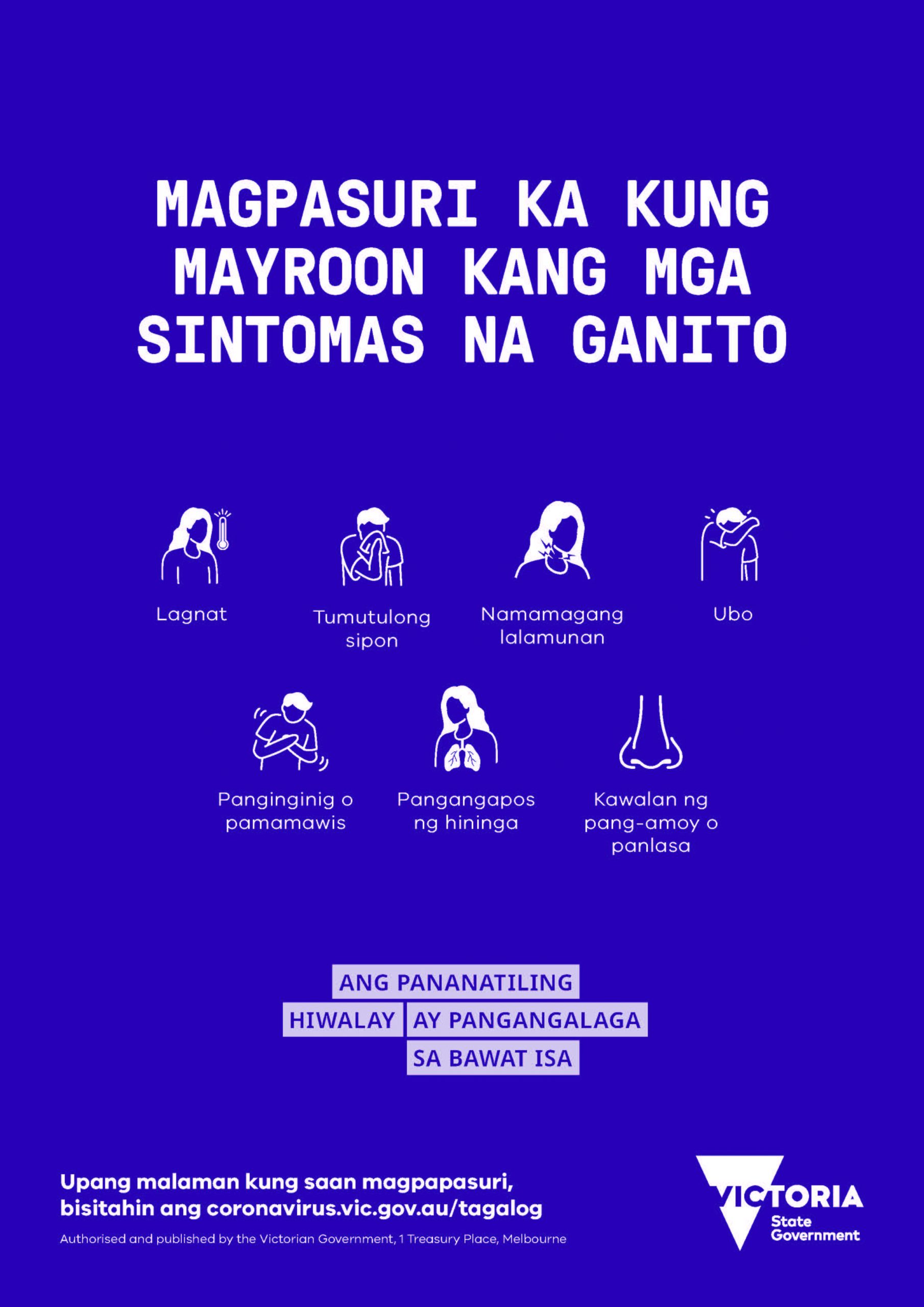
FILIPINO: Kung nakakaranas ka ng mga sumusunod na sintomas, mangyaring subukan.
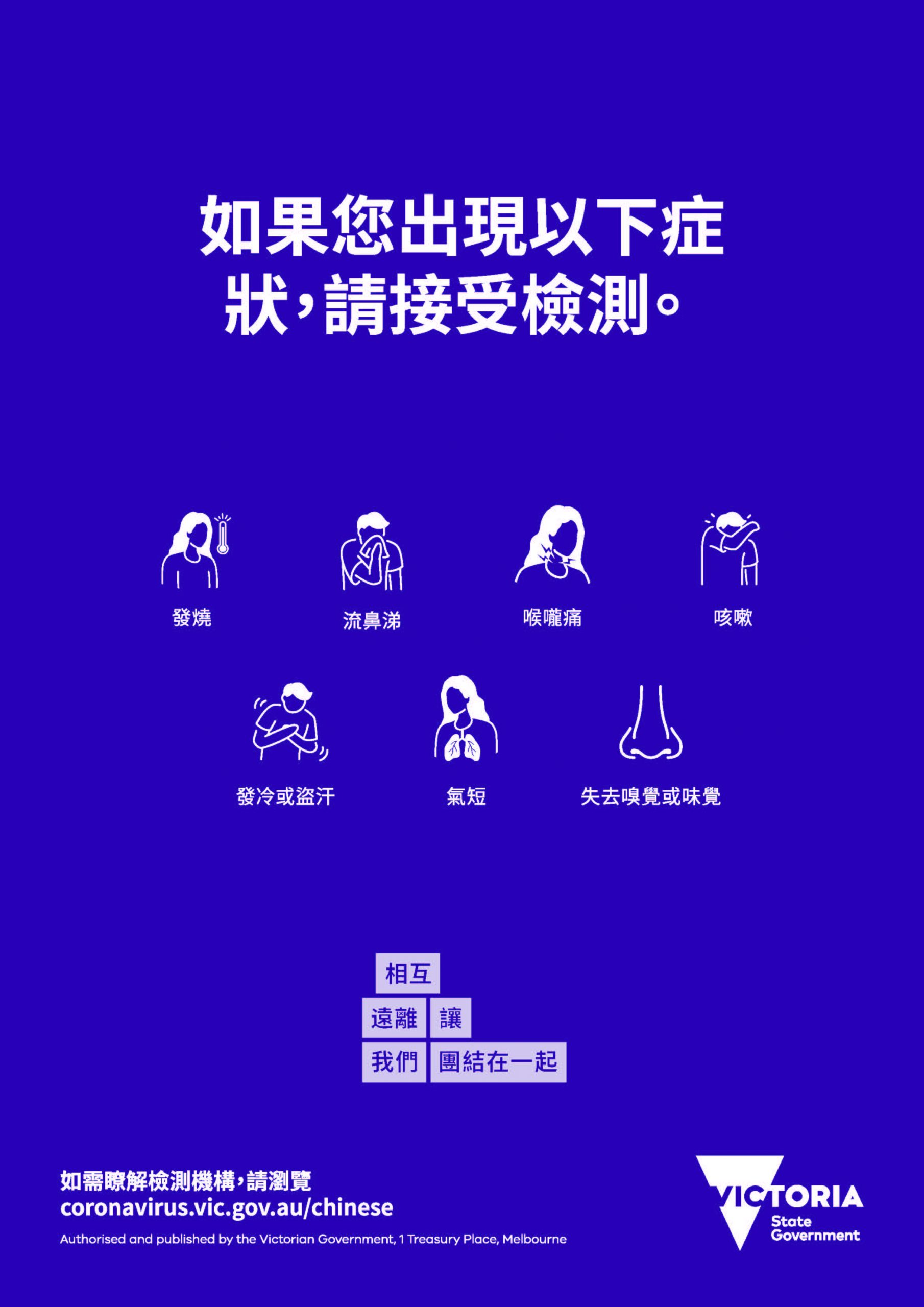
如果您出現以下症狀,請接受檢測。

How to wear a face mask 怎麼戴口罩
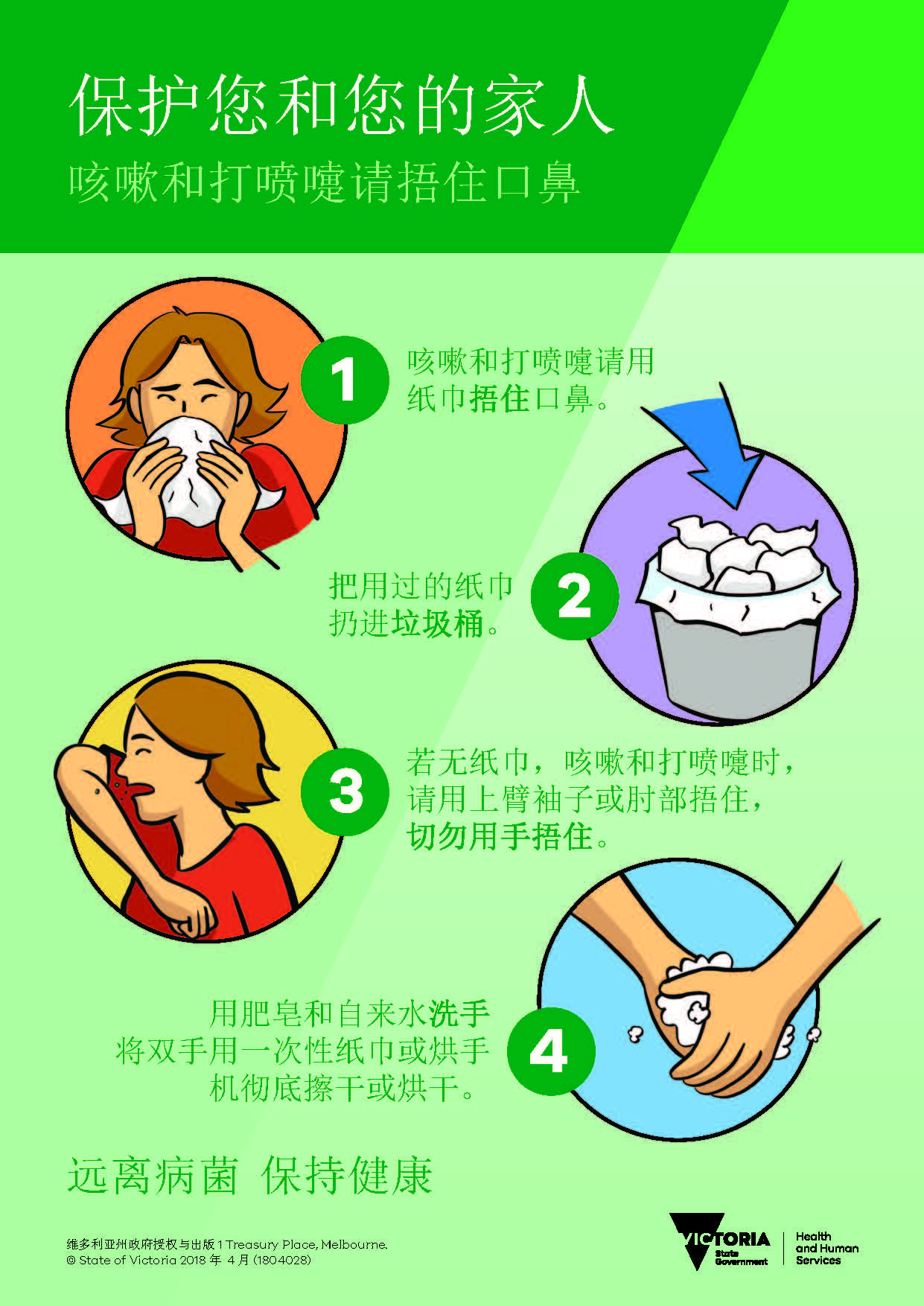
保护您自己和家人 – 咳嗽和打喷嚏时请捂住
UAE Fully Suspends Trade and Financial Ties with Iran
Victorian Liberal Candidate Counselled Over Volunteer Internship Program

Trump signs order banning “birth tourism” and further restricting birthright citizenship

SpaceX Rocket Debris Hits the Moon, Renewing Concerns Over Space Junk

Australia Sets New Standards for Men’s Behaviour Programs
-
 Cuisine Explorer6 years ago
Cantonese Mango Sago
-
Tagalog6 years ago
FILIPINO: Kung nakakaranas ka ng mga sumusunod na sintomas, mangyaring subukan.
-
Uncategorized6 years ago
如果您出現以下症狀,請接受檢測。
-
 Uncategorized6 years ago
How to wear a face mask 怎麼戴口罩
-
Cantonese - Traditional Chinese6 years ago
保护您自己和家人 – 咳嗽和打喷嚏时请捂住
-
 Uncategorized6 years ago
COVID-19 檢驗快速 安全又簡單
-
Uncategorized6 years ago
在最近的 COVID-19 應對行動中, 維多利亞州並非孤單
-
 Cantonese - Traditional Chinese6 years ago
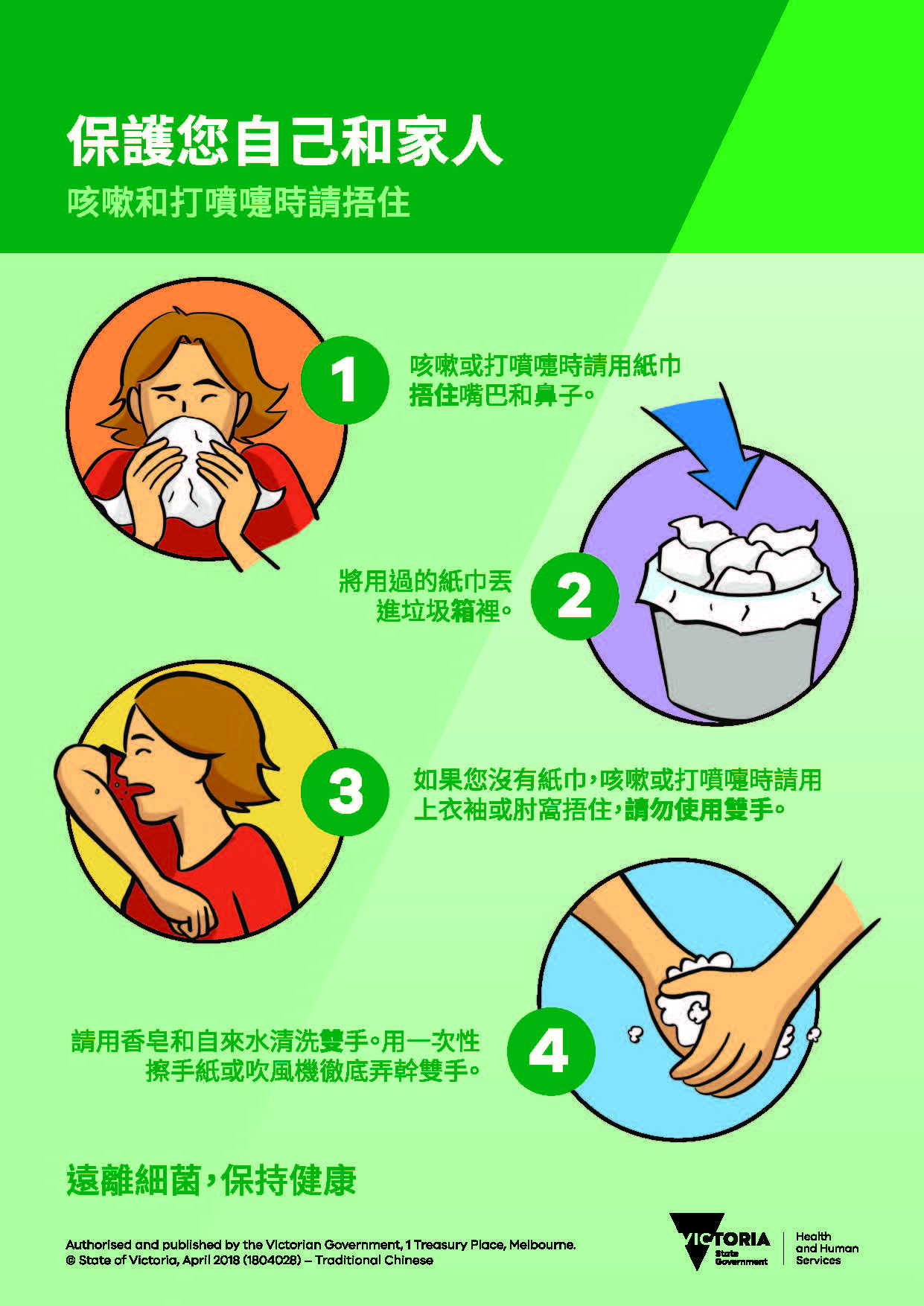
保護您自己和家人 – 咳嗽和打噴嚏時請捂住
