
National News
Australia’s under-16s social media ban faces legal backlash

Australia’s world-first social media ban for users under 16 will face its first major legal challenge in the High Court today, nearly a year after taking effect.
The policy, which came into effect in December last year, requires social media platforms to take reasonable steps to prevent Australians under 16 from creating or keeping an account. Since then, nearly 5 million social media accounts have been blocked from the 10 affected platforms: Facebook, Instagram, Threads, Snapchat, X (formerly Twitter), TikTok, YouTube, Kick, Reddit and Twitch.
Online giant Reddit and advocacy group the Digital Freedom Project argue the ban is unconstitutional because it excludes young people from civic engagement. Led by Libertarian NSW MP John Ruddick, the Digital Freedom Project is also suing the eSafety commissioner for allowing the ban to place an unreasonable burden on Australia’s implied freedom of political communication.
The Digital Freedom Project argued there was a “fundamental disconnect” between the law’s intention and its reality: many children under 16 had found ways to dodge age-assurance technologies to keep their accounts or create new ones, and that potentially harmful content was still available even without an account.
The group drew global headlines when it named two 15-year-olds as co-plaintiffs in its original contest against the Commonwealth, but the teens were removed from the case over concerns they would be held personally liable for legal costs should the matter fail. While Reddit and the Digital Freedom Project’s legal bids are separate, they are challenging the law on the same constitutional ground and have been joined by the High Court into a single special case.

National News
NSW council refuses to show world-renowned Gaza artwork

A New South Wales local council has refused to show a world-renowned artwork about children killed in Gaza after asking organisers to investigate hiring “armed guards” to counter the risk of “community conflict” over the mural.
The organisers, Shoalhaven Friends of Palestine, were aiming to show the Wall of Tears installation by American artist Phil Buehler at the Shoalhaven Regional Gallery in Nowra on Tuesday, following the work being exhibited around Australia, including on the front lawns of Parliament House in Canberra in September. The massive artwork pays homage to the 18,457 children killed in Gaza between 7 October 2023 and 19 July 2025 and was first shown in New York on 29 January to coincide with the second anniversary of the death of Hind Rajab, a five-year-old left to bleed out among the bodies of six family members after their car was targeted by an Israeli tank.
Shoalhaven city council asked the group to “investigate” the use of “armed guards” in a risk assessment seen by Guardian Australia. The perceived risks included “protest, counter-protest, community conflict” and “verbal abuse, intimidation or disruption arising from politically sensitive subject matter”. The group was also asked to reduce the exhibition window from eight days to three days and restrict attendance to RSVPs only in the gallery with “locked doors”, and also to no longer advertise the event due to potential “reputational risk” for the gallery or council due to their decision to host the exhibition.
One of the organizers wrote to the council stating she was “deeply disappointed” by the decision and said the “very suggestion that armed guards might be necessary for an exhibition commemorating dead children is deeply disturbing”. The organizers have now arranged for the work to be installed at Berry Uniting Church on Thursday, while the council has not responded to media about what had triggered the safety concerns.
National News
Digital backlash sees writing test return to pen and paper for year 5 students from 2028

Australia’s education ministers have agreed that the National Assessment Program – Literacy and Numeracy (NAPLAN) will return to a pen and paper test for year 5 students from 2028 in response to a growing backlash against technology in the classroom.
The testing revealed Australian students were spending an average 2.6 hours per day using digital devices compared to the OECD average of 1.7 hours per day. NAPLAN tests have also consistently shown one third of Australian students aren’t meeting challenging but reasonable expectations in foundational literacy and numeracy which one expert called a “national tragedy”.
Ministers were also considering reforms to the primary school maths curriculum and new additions to the national curriculum to address anti-Semitism.
New South Wales Deputy Premier and Education Minister Prue Car said this is a response to the evidence suggesting that excessive screen time has been harmful for students and their outcomes. She is also pushing for tests in years 7 and 9 to also be pen and paper tests and the Australian Curriculum Assessment and Reporting Authority (ACARA), which administers NAPLAN, will provide advice on this.
National News
Sydney inland artists unite against AI proposal

Prime minister Albanese is facing growing discontent within his own electorate as creatives push back against the federal government’s proposal to allow AI companies to scrape everything Australians create online.
Albanese’s seat of Grayndler in Sydney’s inner west is home to more than 3,000 cultural and creative businesses, and 10% of its workers are employed in cultural and creative fields – compared with 4.2% nationally. He has held it on a safe margin for three decades, and has spoken of its high representation of live music, theatre and artist spaces with pride.But now, as Labor considers giving AI companies access to Australian creatives’ works by default as it pursues a compromise with US tech giants, locals are reacting with dismay.
Labor is mulling over the copyright changes in a suite of reforms surrounding AI, including datacentres, energy and the economy. While Albanese has promised “the strongest possible protection”, warning it would be “theft” if creatives weren’t paid for their work, creative industries are alarmed that AI companies have requested a weakening of copyright law to train their models using Australian material. Some AI companies have said making licensing agreements under existing copyright law would be too difficult, while Anthropic has suggested an “opt-out” model which would allow it to scrape content unless a rights holder objected, prompting warnings from Coalition senators and the recording industry that this could amount to an acquisition of property by the government.
Labor’s proposals were leaked in September as senior personnel from OpenAI, the creator of ChatGPT, met Labor ministers and warned that Australia’s copyright laws were preventing the company from training models locally.
The federal government’s draft laws are expected by the end of the year, with consideration in parliament due in 2027. Artists from the area are saying that AI could be “good for humanity” but is now an “extraction industry mining for profit for the few”. Some also state that AI has been useful in their practice, but having to opt out is “outrageous”, and no one would post anything if free content can just be churned out by an AI machine.

French pupils resume school blockades as country braces for more protests
Chinese Communist Party outlines closer scrutiny of officials
NSW council refuses to show world-renowned Gaza artwork
Digital backlash sees writing test return to pen and paper for year 5 students from 2028
Australia’s under-16s social media ban faces legal backlash

Cantonese Mango Sago
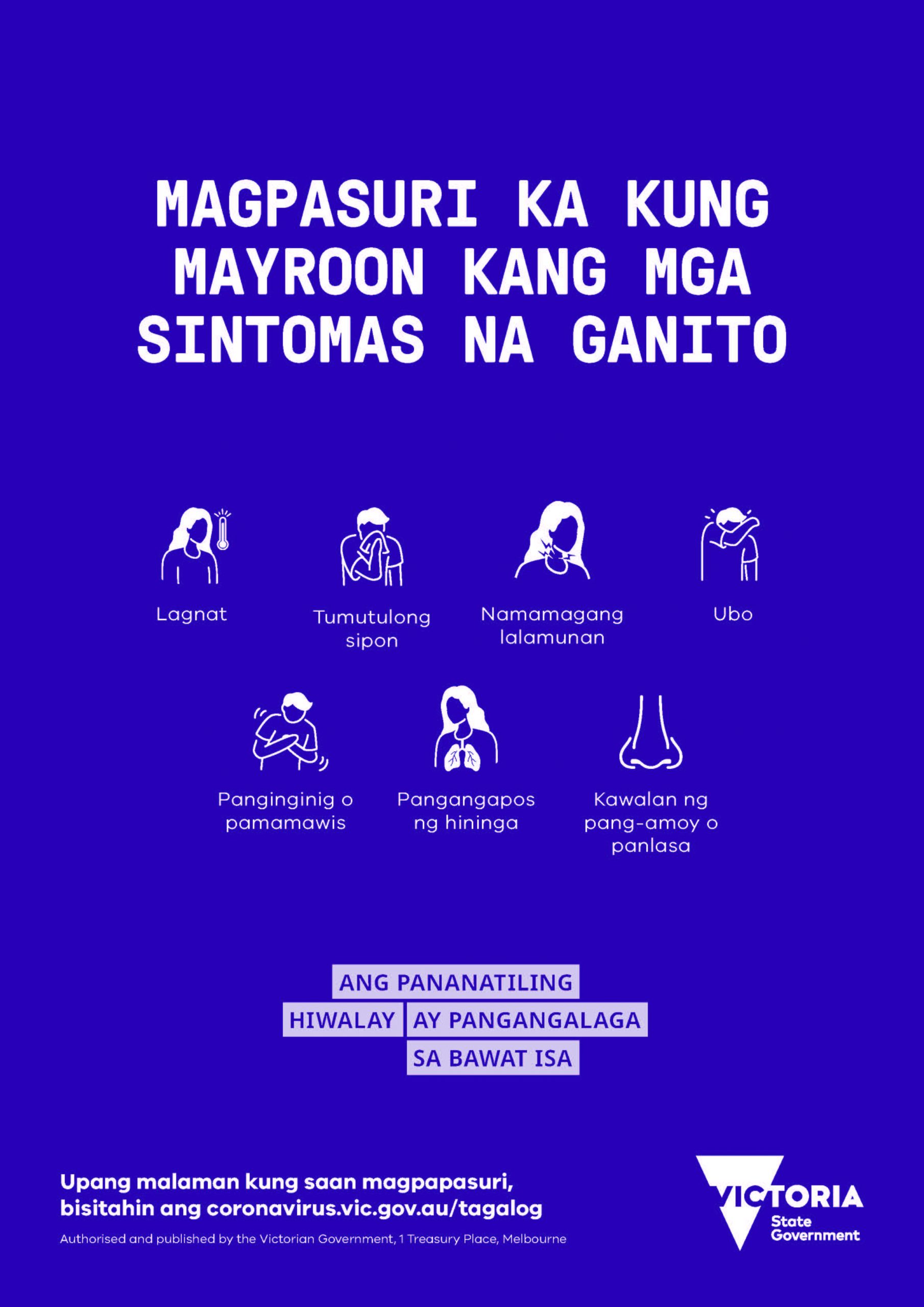
FILIPINO: Kung nakakaranas ka ng mga sumusunod na sintomas, mangyaring subukan.
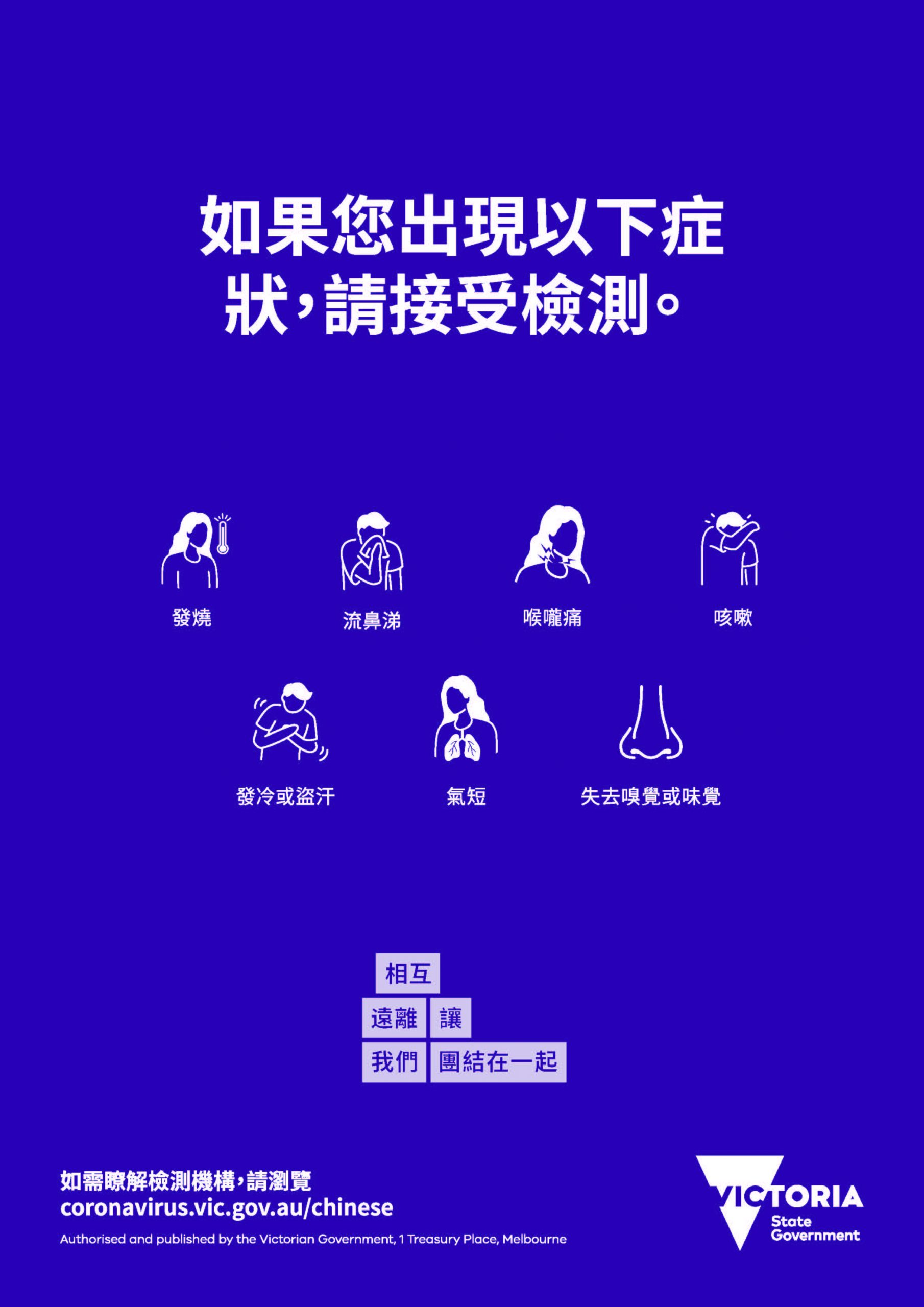
如果您出現以下症狀,請接受檢測。

How to wear a face mask 怎麼戴口罩
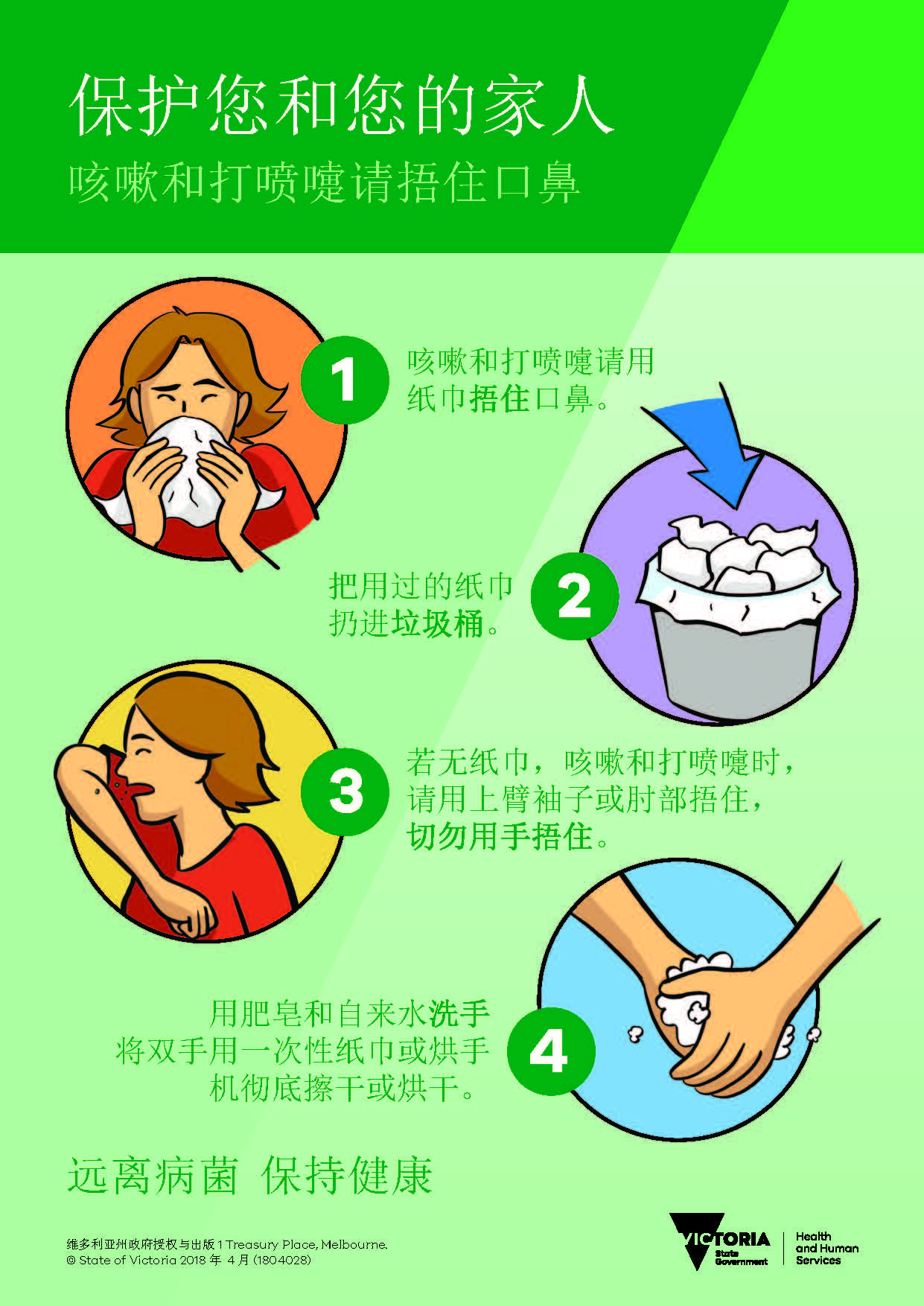
保护您自己和家人 – 咳嗽和打喷嚏时请捂住
UAE Fully Suspends Trade and Financial Ties with Iran
Victorian Liberal Candidate Counselled Over Volunteer Internship Program

Trump signs order banning “birth tourism” and further restricting birthright citizenship

SpaceX Rocket Debris Hits the Moon, Renewing Concerns Over Space Junk

Australia Sets New Standards for Men’s Behaviour Programs
-
 Cuisine Explorer6 years ago
Cantonese Mango Sago
-
Tagalog6 years ago
FILIPINO: Kung nakakaranas ka ng mga sumusunod na sintomas, mangyaring subukan.
-
Uncategorized6 years ago
如果您出現以下症狀,請接受檢測。
-
 Uncategorized6 years ago
How to wear a face mask 怎麼戴口罩
-
Cantonese - Traditional Chinese6 years ago
保护您自己和家人 – 咳嗽和打喷嚏时请捂住
-
 Uncategorized6 years ago
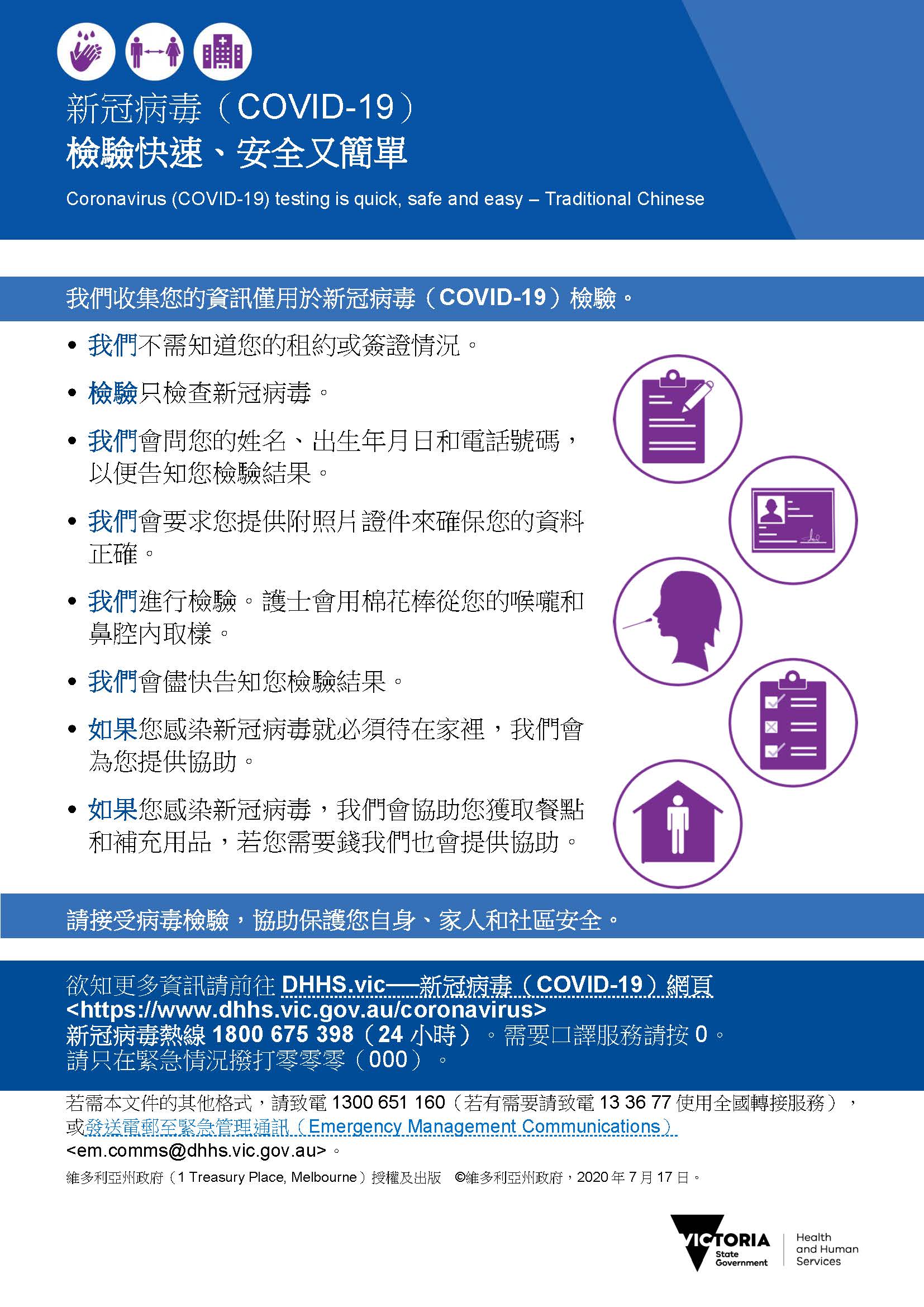
COVID-19 檢驗快速 安全又簡單
-
Uncategorized6 years ago
在最近的 COVID-19 應對行動中, 維多利亞州並非孤單
-
 Cantonese - Traditional Chinese6 years ago
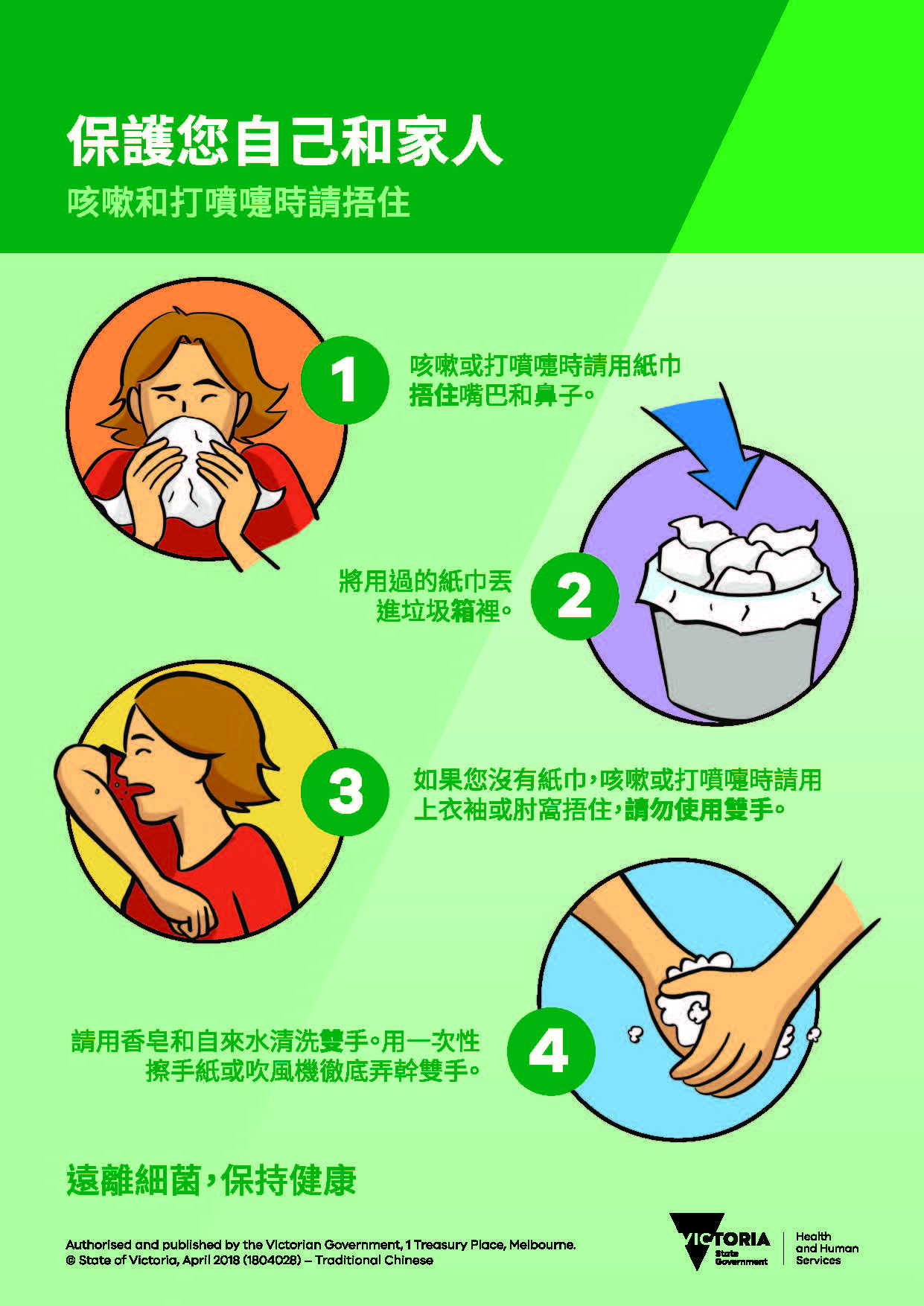
保護您自己和家人 – 咳嗽和打噴嚏時請捂住
