
National News
Victorian government pulls VCE accreditation from community language schools

Victoria’s education authorities have shocked multicultural communities with a decision to stop allowing community language schools to teach Victorian Certificate of Education (VCE) subjects from 2027.
In a statement, a Department of Education spokesperson said CLV and community language schools would not be authorised to deliver VCE subjects after December 31. It is unclear how many community language school teachers the decision will impact.
CLV chief executive officer Oksana King said the organisation acknowledged the seriousness of the compliance concerns, and believed this process could have been managed through a more supportive, collaborative and proportionate approach. She also called on the government to consider a conditional accreditation extension and help the body find a way for compliant community language schools to retain accreditation in the longer term.
Kevin Hu, the principal of Xin Jin Shan Chinese Language and Culture School, said the school was “shocked” by the decision. He stated that this decision disregards the achievements that community language schools have attained in language education across Victoria over the past few decades, by depriving thousands of students of the opportunity to pursue VCE language studies through these schools, dismissing the outstanding contributions of hundreds of dedicated teachers, and will severely jeopardise the future engagement of tens of thousands of students in the continued study of various languages.
Mr Hu condemned the Victorian Labor Party for having “abandoned its multicultural policy and turned its back on multicultural communities”. The Greek Community of Melbourne also said it was notified of the decision in a “most disturbing email” late on Friday in the midst of the Microsoft outage.

National News
Albanese signs on to Trump’s AI supply chain pact before leaders’ meeting at Quad summit

Prime Minister Albanese signed on to a US-led pact to secure the technologies and critical infrastructure for artificial intelligence supply chains.
The Quad leaders’ summit in the Philippines’ capital of Manila will be Trump’s first, in either of his presidencies. President Trump, fresh from a crushing midterms result, will take centre stage in gatherings of Asian leaders and prepare for historic three-way talks with Xi Jinping of China and Russia’s Putin this week.
Designed to firm up supply chains for chips and critical minerals components, the San Francisco Declaration was crafted to promote cooperation in the face of China’s efforts to control areas of AI development. Part of the Pax Silica international accord, officials said the agreement would help ensure Trump worked with partners to set standards in AI, rather than relying on others for leadership.
Federal government sources said the intense international efforts, including Albanese’s attendance at the Apec leaders’ meeting in Shenzhen, China, at the end of the week, was about maintaining engagement with Trump in the final two years of his presidency and stopping the US from withdrawing from global leadership.
Jennifer Parker, a non-resident fellow at the Lowy Institute, said criticism of Albanese’s involvement in the annual international summit season was shortsighted, and disagreed that Australia was working to keep the US engaged in the Asia Pacific region.
National News
Australian Climate Change Minister launches bold climate agenda at COP31

Australian Climate Change Minister and COP31 president of negotiations Chris Bowen released the 18-page draft in Türkiye today, Australian time, but warned it would not be the final version of the document and was designed to spark debate.
Bowen said Türkiye and Australia chose to release the draft cover decision earlier than at other events to allow more time for delegates to debate the points raised and reach consensus. Funding for climate adaptation projects could also triple to at least $US120 billion ($178 billion) by 2035 and more of the world’s energy use could go electric under goals set out in the document that one climate group said had the “strongest language” of its kind.
The document was based on submissions from 160 countries and more than 500 pages of feedback, Bowen said, and detailed 144 provisions. They range from calling for an immediate transition from fossil fuels, using stronger language than agreed at the COP28 summit and for developed nations to target net zero by 2030 and net-negative emissions by 2040, earlier than many existing commitments.
Other proposals in the draft include increasing electricity’s share of global energy use to 35 per cent by 2035, known as the 35-by-35 pledge, boosting climate adaptation funding, and expanding carbon capture and cutting methane emissions.
Provisions in the draft recognised escalating dangers posed to the climate, Greenpeace Australia Pacific spokesman Simon Bradshaw said, and would put national targets to the test. Representatives were expected to deliver strong feedback on some proposals, including an accelerated fossil fuel phase-out, Bowen said, but the draft needed to be ambitious.
National News
Gender-diverse Australian sailors barred from US submarines despite AUKUS deal

AUKUS is effectively forcing the Australian navy to comply with a US ban on transgender people in the military with gender-diverse navy recruits prevented from starting a career in nuclear submarines because they would not be safe training on US boats.
Internal Australian defence force documents show transgender and non-binary sailors and officers are explicitly banned from Australia’s nuclear submarine training program because of US policies. An internal defence briefing, released under freedom of information laws, said while ADF policy on equality and inclusion was unchanged, “US government policy is different”.
At a women in defence event in October, Rear Adm Tish van Stralen was asked how the defence force was “managing the recruitment of gender-diverse and LGBTQ+ Australians into the nuclear submarine pathway” given the US directive. Van Stralen, one of the highest-ranking women in the Australian navy, said the ADF was a diverse and equal opportunity employer; But she also said potential recruits for the nuclear submarine program were told the ADF was “subject to policies and laws in other countries, so we have to be very mindful”.
Van Stralen said the navy would seek alternative career paths for gender-diverse recruits prohibited from the nuclear submarine program. She said the UK, Australia’s other Aukus partner, had “more liberal policies” and that training opportunities “may arise in the UK”.
US President Trump signed an executive order in January 2025 – the first week of his second term as president – which banned transgender service personnel and said gender-diverse people were unfit to serve; this might be correspondent to the current ban on them despite the AUKUS deal.

Trump planning to embark on Asia trip in apparent foreign policy push before end of term
Eurovision organisers criticise Malaysian removal of LGBT+ footage in first Asian contest
Albanese signs on to Trump’s AI supply chain pact before leaders’ meeting at Quad summit
Victorian government pulls VCE accreditation from community language schools
Australian Climate Change Minister launches bold climate agenda at COP31

Cantonese Mango Sago
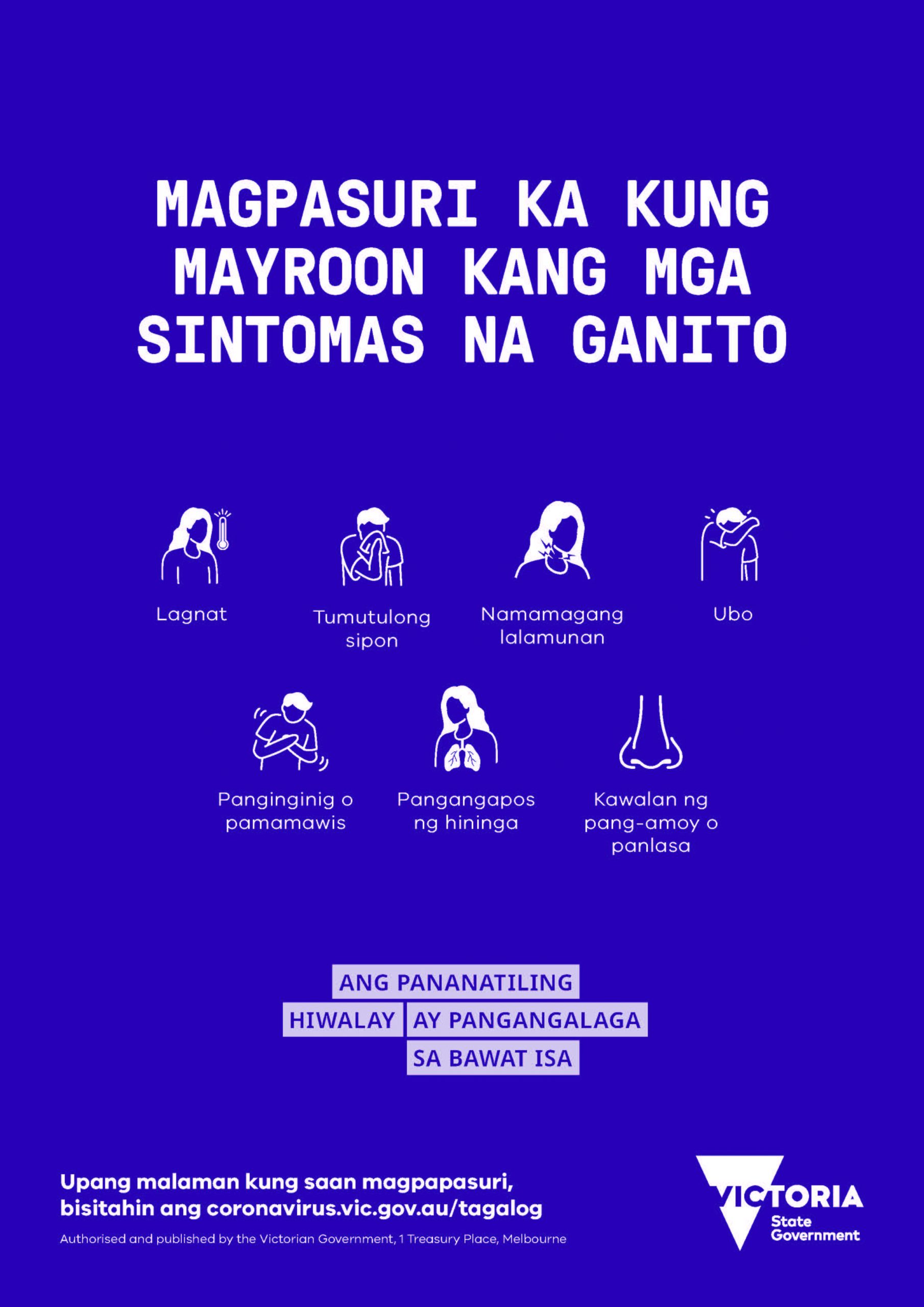
FILIPINO: Kung nakakaranas ka ng mga sumusunod na sintomas, mangyaring subukan.
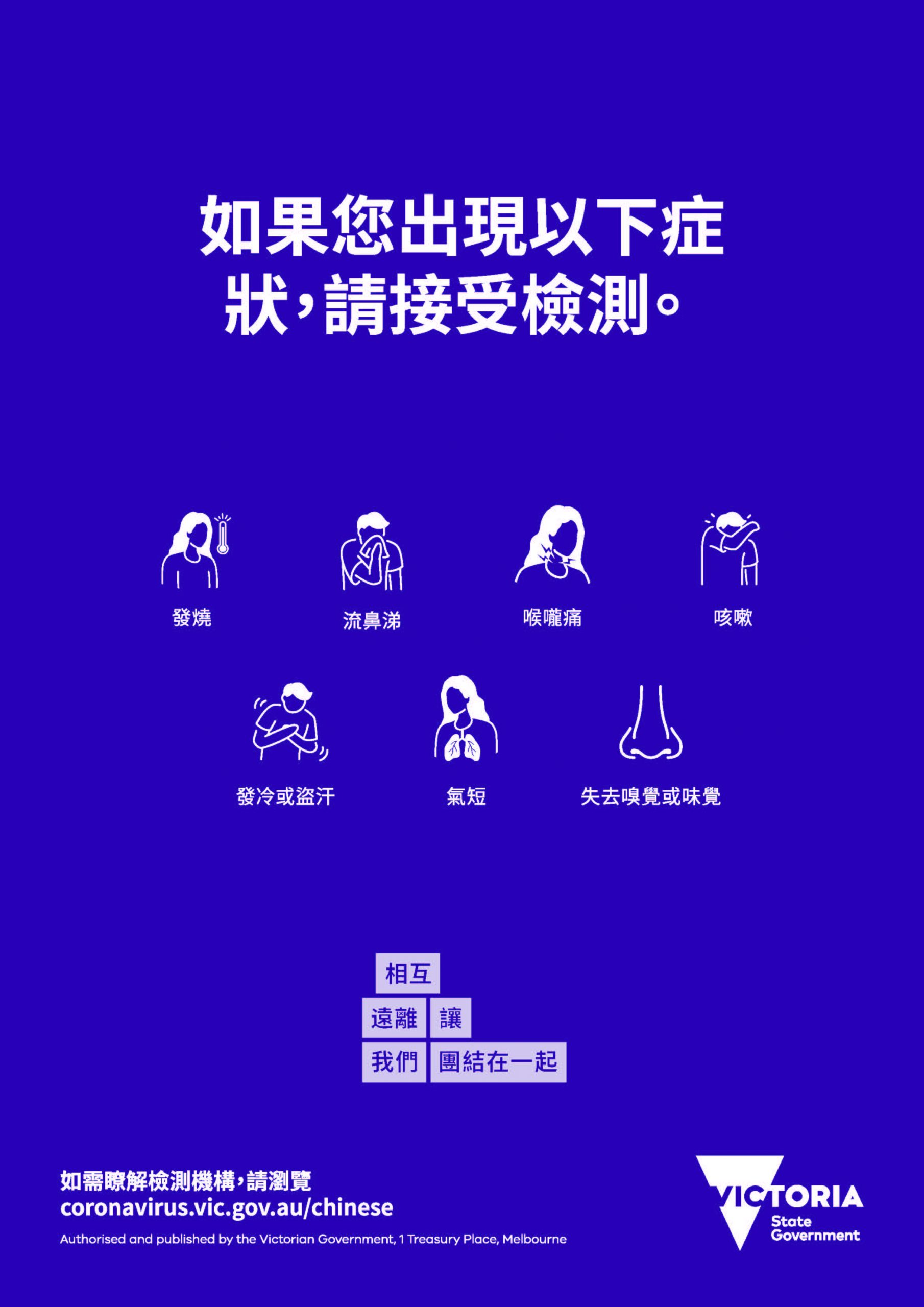
如果您出現以下症狀,請接受檢測。

How to wear a face mask 怎麼戴口罩
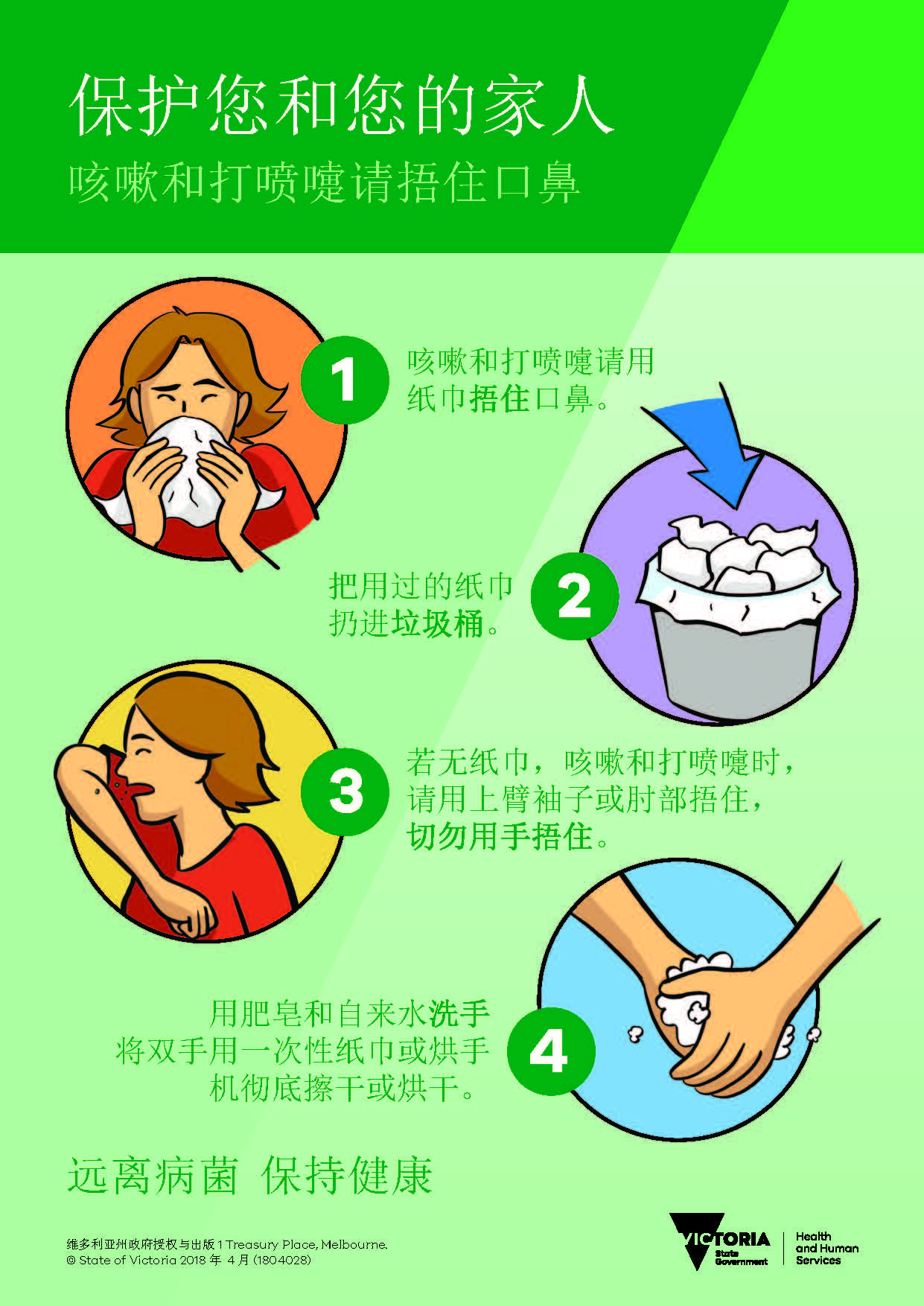
保护您自己和家人 – 咳嗽和打喷嚏时请捂住
UAE Fully Suspends Trade and Financial Ties with Iran
Victorian Liberal Candidate Counselled Over Volunteer Internship Program

Trump signs order banning “birth tourism” and further restricting birthright citizenship

SpaceX Rocket Debris Hits the Moon, Renewing Concerns Over Space Junk

Australia Sets New Standards for Men’s Behaviour Programs
-
 Cuisine Explorer6 years ago
Cantonese Mango Sago
-
Tagalog6 years ago
FILIPINO: Kung nakakaranas ka ng mga sumusunod na sintomas, mangyaring subukan.
-
Uncategorized6 years ago
如果您出現以下症狀,請接受檢測。
-
 Uncategorized6 years ago
How to wear a face mask 怎麼戴口罩
-
Cantonese - Traditional Chinese6 years ago
保护您自己和家人 – 咳嗽和打喷嚏时请捂住
-
 Uncategorized6 years ago
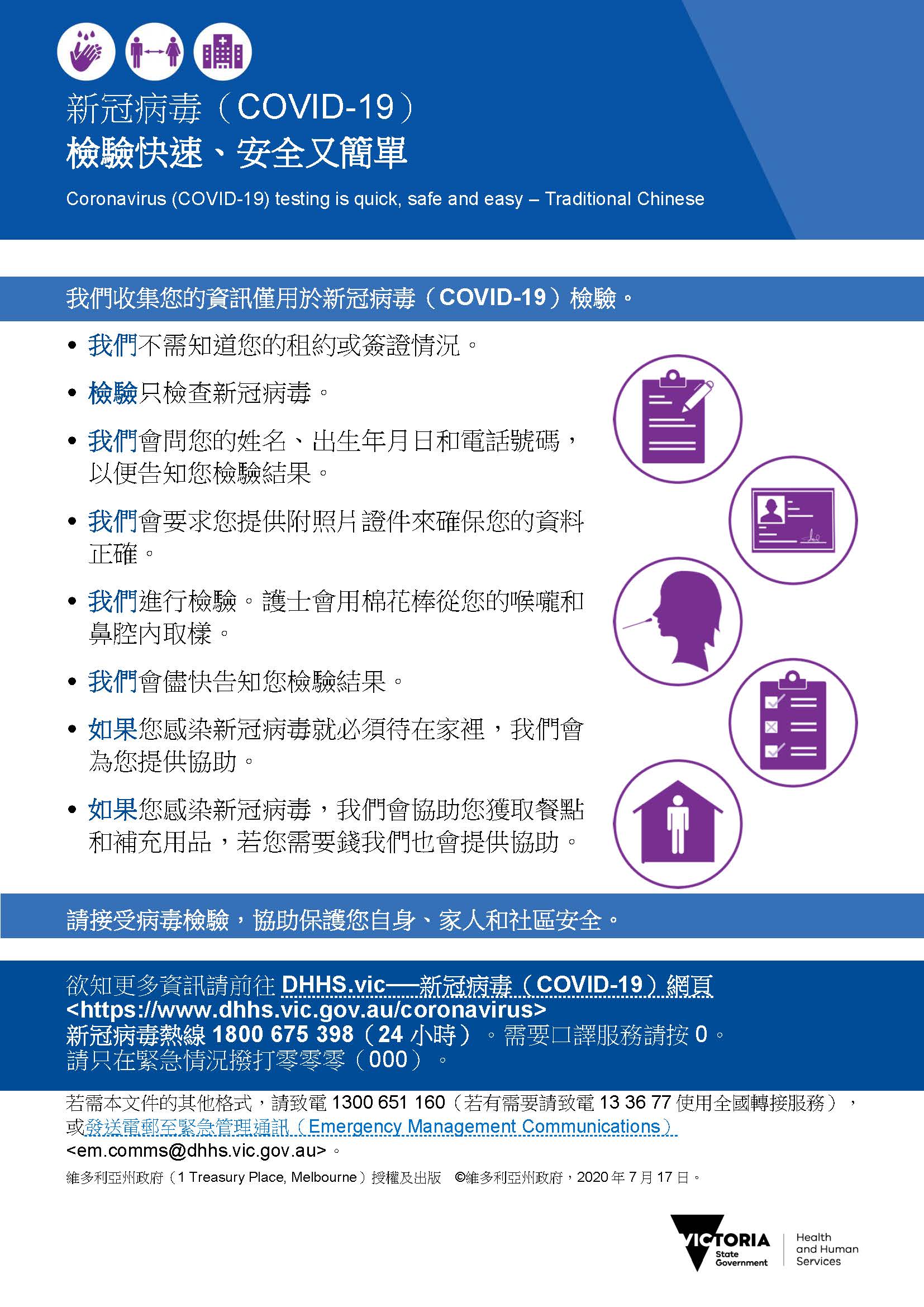
COVID-19 檢驗快速 安全又簡單
-
Uncategorized6 years ago
在最近的 COVID-19 應對行動中, 維多利亞州並非孤單
-
 Cantonese - Traditional Chinese6 years ago
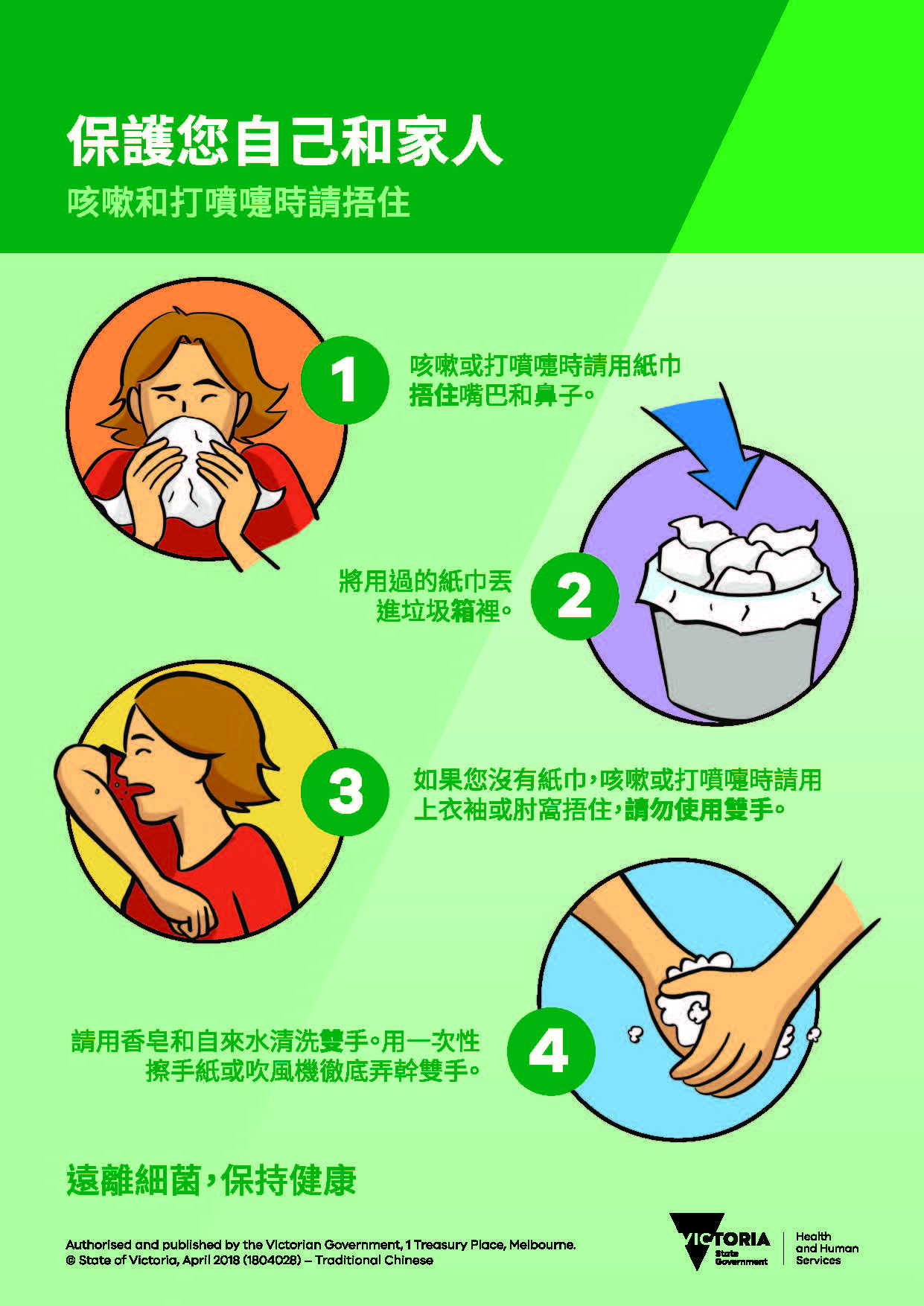
保護您自己和家人 – 咳嗽和打噴嚏時請捂住
