Features
Early Childhood Education: The Gap Between Family and Institutional Care
Published
9 months agoon
Joshua Dale Brown, a 26-year-old early childhood educator, had worked in various childcare centers across Melbourne over the past seven years. In July this year, he was revealed to have allegedly committed prolonged sexual abuse against eight young children.

He now faces over 70 charges, including child sexual assault, production of child abuse materials, and contaminating objects with intent to cause fear and anxiety.
This case is shocking. How could a man gain repeated access to children over seven years abusing them and recording child sexual abuse materials, without anyone noticing or stopping him? Sexual violence typically occurs within the family, but this case unfolded in what is widely considered one of the safest spaces: a childcare center. These centers are presumed to be staffed by professionally trained carers and closely regulated by the government. Yet, even such a system failed to prevent these crimes. This forces us to reflect: Does our childcare system genuinely protect children?

From Historical Support System to Modern Dilemma
The rise of early childhood care systems was originally a response to the women’s liberation movement and changes in the labor market. In the mid to late 20th century, more women entered the workforce, prompting a redivision of family roles. Societies began building systems to help dual-income families, including parental leave, childcare subsidies, and childcare institutions.
In Australia, starting in the 1990s, the government promoted childcare subsidies and regulatory policies aimed at ensuring basic care for children while also boosting the labor force and stimulating the economy. Initially, these efforts supported countless families and opened new career paths for many women.
However, as reliance on childcare services grows and long-term investment lags, the system has begun to show signs of strain. What began as a “supplemental role” has now become the only option for many families. Childcare is no longer merely a support service but a daily necessity. The system has taken on responsibilities that were once shared by families and communities, yet without matching oversight or investment. As a result, it is now overburdened and unbalanced, creating opportunities for people like Joshua Brown to exploit it.
A System of Short-Term Employment
A look at Joshua Brown’s employment history shows that between 2019 and 2025, he worked at 20 different childcare centers in Melbourne. Some jobs lasted only a day, others a week or a month, which were clearly temporary and part-time roles, allowing him to move frequently between centers.
In such a flexible and short-term employment system, regular staff have little opportunity to truly get to know temporary employees, their backgrounds, or behavioral patterns. Sometimes, they can’t even recall their names. This makes it nearly impossible to build effective monitoring relationships. Temporary workers often appear for just a day or two before moving on, making misconduct hard to detect, document, or report. Young children, with their limited memory and verbal skills, often cannot identify their abusers or even recall temporary staff, making it difficult to lodge complaints or raise red flags.
As society pushes for gender equality, more women are returning to work, drastically increasing the demand for childcare. Yet with supply failing to keep up, Australia’s childcare industry faces a severe workforce shortage. In response, the government expanded subsidies in the 1990s to speed up the sector’s growth. While this improved supply, it also triggered quality and oversight problems.
Currently, Australia’s childcare services include long day care centers, community preschools, family daycare, and in-home care. Nearly 70% of these services are run by for-profit private entities, with the rest managed by community or non-profit organizations. Private providers often cut costs by offering low wages and hiring a large number of part-time or casual workers. This leads to high staff turnover and inconsistent care quality. Many centers do not employ enough supervisory staff, or avoid hiring experienced workers due to budget constraints. This creates unmonitored environments where temporary staff operate alone, leaving children vulnerable to abuse by those with harmful intent.
A Shortcut to Immigration
Another issue stemming from the labor shortage is the use of childcare roles as a pathway to immigration. The government has listed early childhood carers as skilled migration occupations. As a result, many people view these jobs as a way to stay in Australia. After completing university degrees, some enroll in diploma-level childcare programs to become certified carers.
However, childcare work is demanding: low pay, high responsibility, emotional intensity, and strict standards. Unless someone genuinely loves working with children, many treat the job merely as a stepping stone for visa eligibility or permanent residency.
But are these individuals truly equipped for the role? Many education providers now offer one-year crash courses tailored for these migrants. Can such short-term training genuinely prepare them to care for children safely and competently? This risks degrading the quality of care and increases safety concerns for children.
Is the Current Regulatory System Effective?
While demand for childcare rises, the regulatory system is failing to keep up. Between 2013 and 2023, available places in Early Childhood Education and Care (ECEC) increased by 50%, with long day care capacity up 69%. By 2023, nearly half of one-year-olds and 90% of four-year-olds were enrolled in ECEC services.
However, rapid expansion hasn’t guaranteed quality. According to the National Quality Standard (NQS), as of 2025, about 10% of centers are still rated as only “Working Towards” the minimum benchmark.
Australia’s main regulatory framework, which is the National Quality Framework (NQF), overseen by the Australian Children’s Education & Care Quality Authority (ACECQA), evaluates centers on seven criteria, including curriculum, child safety, staff qualifications, and governance.
Though the NQF outlines assessment procedures, it does not specify how often centers must undergo formal reviews or on-site visits. With over 10,000 ECEC services nationwide and limited resources, actual inspections are infrequent. In a sector plagued by labor shortages and high turnover, relying on self-reporting and risk-based audits is insufficient to identify problems early.
In fact, Joshua Brown had been reported twice in the two years before his crimes were exposed, accused of handling children roughly. These allegations were confirmed via an internal investigation by the center operator, G8. The incidents were reported to the Victoria Reportable Conduct Scheme and the Commission for Children and Young People. Yet despite verified misconduct, the Commission chose not to reassess his Working with Children Check. Instead, he was suspended, given a disciplinary warning, and later returned to work. This raises serious concerns about whether authorities fully grasped the potential risks and whether someone capable of harming children should have been allowed to return to childcare work.
Reforming the System at Its Core
While discussions around regulatory mechanisms are necessary, perhaps we also need to reconsider: is regulation truly the most effective long-term solution? Certainly, strengthening background checks, increasing inspection frequency, and adding risk reporting mechanisms are all important, but these are largely reactive measures. If we truly hope to prevent such tragedies at their root, a more effective approach may lie in raising the professional standards and ethical awareness of childcare workers for cultivating their respect for and understanding of child development. This must begin with education, not just qualifications and certificates.
Currently, many fast-tracked childcare certificate programs focus only on meeting the “minimum passing requirements” and fail to instill a genuine sense of mission or responsibility in caregivers. If Australia can invest in long-term, in-depth, and value-oriented training and internship programs, it would help workers truly grasp the professional nature of the job and its impact on young lives. Only then can the culture of the industry gradually shift, and broader society begin to respect childcare as a legitimate profession. This kind of structural educational reform may be costly, but its long-term benefits far outweigh the reactive costs of investigations and disciplinary actions.
To fundamentally improve the culture of childcare systems, education must focus on cultivating a deep understanding and respect for child development, not just acquiring the minimum certificate. An ideal training system should include modules on child psychology and behavioral development, professional ethics, identifying and supporting mental health concerns, and should offer sufficient hands-on internships and professional supervision. Moreover, ongoing professional development and cross-disciplinary collaboration are essential to improving the overall quality of care. Only in this way can we nurture caregivers with a sense of mission and professional integrity when people are truly equipped to safeguard children’s safety and development.
The Role and Responsibility of Parents
This case also reveals profound shifts in modern family dynamics and their potential consequences. In the past, raising and caring for children was seen as a non-negotiable responsibility of parents. In traditional families, many mothers acted as full-time caregivers, providing constant protection and a stable attachment figure for the child. While the societal view of “stay-at-home moms” carried gender stereotypes, children did have a relatively consistent care environment and familiar adults around them.
However, with dual-income households becoming the norm, more and more parents now outsource childcare to daycare centers, after-school programs, or government services. Even full-time parents often, due to life pressures or personal needs, choose to delegate some of their caregiving responsibilities to friends, family, or through personal time. Within the family, caregiving roles are diversifying. Parents naturally hope their children can grow up in a safe and protected environment, but they also want affordable, flexible, and convenient services. This contradiction has created a structural dilemma: an overreliance on external resources that are increasingly overstretched.
Under pressure to keep costs down, both the government and the industry often prioritize expansion over quality, turning the childcare system into a low-cost service to “look after children,” rather than a space that genuinely supports children’s holistic development. When parents are no longer seen as the primary caregivers, and instead treat childcare as a basic public service, the problem is no longer just whether the service meets a certain quality threshold. Instead, it becomes a question of whether society has misplaced the core responsibility for a child’s growth. When a child’s safety and wellbeing are left in the hands of whoever can offer the cheapest service, it’s sadly no surprise when tragedies occur.
After the Joshua Brown case came to light, many of the affected children’s parents expressed deep shock and guilt. Some admitted that it had never even occurred to them that their child might experience such horror in a center supposedly built for safety. But the reality is that young children cannot clearly articulate their experiences or feelings, as they rely on parents to actively observe, listen, and guide them. For example, parents can ask at pick-up time: “Who did you play with today? What activities did your teacher do with you? Do you like your teacher?” These seemingly simple conversations not only promote parent-child bonding, but can help detect unusual behavior or emotional changes. If a child shows signs of resisting school, anxiety, sadness, or physical discomfort, parents must stay alert and consider whether something inappropriate may have occurred.
In addition, parents should be proactive in engaging with the childcare center, such as attending parent meetings, reviewing quality assessments, monitoring staff turnover, and building open communication with caregivers. When parents raise their awareness and level of involvement, it creates pressure and oversight on institutions as well, driving broader improvements in the system.
Of course, the burden of responsibility cannot rest solely on parents. A sound system and robust oversight remain essential. But in a context where gaps still exist and resources remain tight, parents are often the last line of defense for protecting their children. If society continues to outsource caregiving responsibilities entirely to a marketized, privatized system without appropriate checks, accountability, or risk mitigation, we will only continue to see tragedies like this repeated.
You may like
Features
Imaginary Fairground, Turned Into Imaginary Red Line
Published
2 days agoon
April 15, 2026
Hong Kong singer Hins Cheung was once regarded as one of the few mainstream artists who took a clear stand on political issues. Whether it was supporting Taiwan’s Sunflower Student Movement or participating in Hong Kong’s Umbrella Revolution, his stance over the past decade was far from ambiguous.
However, this singer, who has long established a solid foundation in the Hong Kong music scene, has recently undergone a visible pivot. Not only did he publicly “admit fault” for his past remarks, but he also announced his participation as a mentor in a Hong Kong government “rehabilitation special project” targeting youth involved in the Anti-Extradition Law Amendment Act (ELAA) movement, leading young people on exchange trips to mainland China. This series of sudden moves has raised questions: why would an artist who is no longer dependent on the mainland market and is certainly no novice choose such a definitive shift in stance at this time?
Former Stances
Now 45, Hins Cheung was born in Guangzhou but has long centered his career in Hong Kong, where he successfully built a prominent status in the industry. Looking back at his past public words and deeds, it is clear he was not an artist who kept his distance from political topics.
In 2014, when the Sunflower Student Movement erupted in Taiwan against the Cross-Strait Service Trade Agreement, Cheung posted a black-and-white photo of holding hands on social media with the caption, “Students on the other shore, keep going!”, which was interpreted as support for the movement. In September of the same year, during Hong Kong’s Umbrella Revolution, he joined artists like Anthony Wong to record the protest anthem “Who Has Not Spoken Out?” and was reportedly involved in street demonstrations and hunger strikes.
These expressions caused Cheung’s career in the mainland Chinese market to be blocked multiple times. This included his scheduled participation in the 2017 program Singer, from which he was forced to withdraw—and his recorded segments deleted—due to public pressure and boycotts.
A “U-Turn” to Admit Fault?
Last week, the pro-establishment media Wen Wei Po published a full-page interview with Hins Cheung, high-profilely announcing his joining of the Security Bureau’s “Positive Guidance Project” as a mentor. According to his account, he was “deeply moved by the project” and proactively contacted the authorities to participate.
In the interview, he stated he would soon serve as a guest speaker and plans to personally lead participants to mainland China in the first half of the year so that young people can “see the real development of the country with their own eyes.” He described China’s rapid development as a positive influence on youth and called on young people to take the initiative to understand the national situation and strengthen their national identity.
More strikingly, he took the initiative to apologize for his past remarks, attributing his previous stances to “youthful impulsiveness” and being “influenced by the social atmosphere.” He stated that the way he interpreted certain past remarks and works was “inappropriate,” leading to public questioning of his feelings and stance toward the country and Hong Kong, for which he offered a “sincere apology.” He emphasized that with age and experience, he now has a deeper understanding of the “big picture,” feels regret for his past actions, and promised “not to repeat similar mistakes.”
External Speculation
Naturally, various speculations have emerged regarding Cheung’s “U-turn.” Some believe this is a typical case of “bowing for one’s career,” choosing a new side under market pressure. Others suggest it may involve financial pressure on his agency, Emperor Entertainment Group, in recent years; under the dual squeeze of debt and market contraction, the company may need to reshape the political image of its artists and corporate identity as a whole to mend ties with the mainland market and return to lucrative opportunities up north.
While these views may have their merits, the true reason is known only to those involved. However, explaining it solely through “interest calculation” seems overly simplistic.
After all, given Cheung’s age, status, and economic foundation, he is not an artist who desperately needs market opportunities to survive. The stances he expressed over the past twenty years should logically be the result of thought rather than a momentary impulse. Can such convictions really be abandoned entirely due to career fluctuations? Or is there a more powerful driving force behind it?
Another Wave of Political Maneuvering?
It is noteworthy that after the event gained traction, the response from certain quarters of public opinion was equally telling.
In an opinion piece published by HK01, the author interpreted Cheung’s “apology” as a “trial in social restoration,” arguing that this was not just an artist’s personal choice but a symbolic case of Hong Kong society attempting to heal divisions and guide youth “back to the right path.”
On the surface, this discourse seems to provide a macro-analytical framework, but the identity of the author is worth noting. Besides being a singer, Cheung has ventured into the catering industry, investing in high-end French restaurants. The author of the article, Chan Ka-wa, holds multiple titles including Chairman of the Hong Kong Catering Industry Association and the Hong Kong Mainland Catering Industry Association, as well as a visiting professor at the All-China Federation of Industry and Commerce. As a figure in the catering industry, his rapid authorship of a lengthy commentary on a shifting artist—combined with his ties to mainland officials and business circles—makes it hard to believe this is merely a personal opinion. This article feels less like a standard editorial and more like an “explanation” (exegesis) meant to provide a narrative framework for Cheung’s transformation that is understandable, or even acceptable, to the public.
This is, of course, an inference, but it suggests that Cheung’s declaration is more than just entertainment gossip; it carries the weight of a calculated political operation.
Why Hins Cheung?
So, why Hins Cheung specifically?
Beyond his influence in the Hong Kong music scene, his family background is a distinct feature. According to public records, his ancestral home is Beijing; his grandfather was a Tsinghua University graduate, his maternal grandfather held a high-ranking military position, and his father served as a Party Secretary. In the Chinese context, such a background is often described as “red to the core” (roots in the revolution).
While family background does not dictate personal stance, some speculate whether there was pressure from the family level or even more direct influence. However, these claims currently lack concrete evidence.
Nevertheless, this incident is just the tip of the iceberg. Using cultural and entertainment figures to shape a certain political atmosphere is nothing new.
“Listen to the Party”
In the Chinese political-cultural system, taking a stance is never just an expression of personal opinion—especially in the highly influential fields of performing arts and culture. Practitioners are often seen as having a duty to serve as role models.
To put it more directly: the more influential a person is, the harder it is for them to hold a “purely personal” stance.
This logic did not start today. Historically, whether during eras emphasizing political loyalty or through contemporary, subtle public opinion management, the monitoring and regulation of public figures’ stances have always existed. The difference lies in the form: it has shifted from direct pressure to more imperceptible operations—such as through market mechanisms, social pressure, and policy environments—eventually forming a tacit understanding of “knowing what to do without being told.”
In this environment, an artist’s influence is both an asset and a risk. When influence grows, their stance can no longer be seen as purely personal. To some extent, they have been integrated into a larger narrative. Thus, by applying pressure to make them politically controlled and submissive—making them “listen to the party”—their original voice no longer matters. What is preserved is only the voice that is permitted.
The Sorrow of the Artist
Every Lunar New Year, almost all Chinese people hear the song “Gongxi Gongxi.” It sounds lighthearted and festive, but its origin is far heavier than the melody. It was written after the end of the War of Resistance Against Japanese Aggression; its original intent was not just to celebrate the New Year, but to express the sentiment of “bitterness ending and sweetness arriving” after the war. Its creator, Chen Gexin, was a man repeatedly squeezed by his era.
Chen participated in anti-Japanese cultural movements and collaborated with underground Communist Party members to write resistance songs. Later, when Shanghai fell, he worked under the Wang Jingwei regime to survive. After the war, he was arrested as a traitor but was released and fled to Hong Kong. After the founding of the PRC, he chose to return due to his communist background, but was eventually denounced during the Anti-Rightist Movement and died in a labor camp.
From the Anti-Japanese War to the Civil War to the early political movements of the PRC, Chen Gexin spanned a tumultuous era. He tried to survive and create across different times but could never escape the political environment. In other words, no matter how he adjusted, he could not avoid the fate of being purged.
In a way, this is the sorrow of the artist. Creation should be an individual expression, but under certain systems, it often cannot break free from the political framework.
These stories are worth repeating not because they are unique, but because they are so universal. For creators within a power structure, whether they choose to stay close, stay away, or even “not take a stand,” that choice can itself become a stance.
Key Opinion Leaders without Opinions
This demand for taking a stand does not stop at the cultural world; it applies to religion as well. Wang Mingdao, a leading figure in China’s independent Christian church in the mid-20th century, was imprisoned for years for refusing to cooperate with official religious policies and insisting on institutional autonomy. Even after briefly yielding under pressure, he chose to publicly retract his concession, resulting in further decades in prison.
The backgrounds of these cases may differ, but the underlying logic is consistent. Whether an artist, a writer, or a religious leader, as long as they possess the ability to influence the public, it is difficult to escape the regulation and expectations placed upon their stance.
Looking at the present, Hins Cheung belongs exactly to this category. He is not just a singer, but a public figure with broad influence—a Key Opinion Leader (KOL). An opinion leader’s words and deeds have a demonstration and diffusion effect; their opinion is never just their own, but something that influences a segment of society.
Consequently, his change in stance is not just a display of personal motivation, but a reflection of a familiar operational logic: the greater the influence, the more one needs to be incorporated into the system. Once incorporated, original autonomy is gradually eroded.
Perhaps what is more worth considering is that while these situations mostly happened in mainland China in the past, a similar logic is now appearing in Hong Kong. When “needing to take a stand” slowly becomes the norm, what truly changes is not just one artist’s position, but the social imagination of “what can and cannot be said.” Spaces that were once taken for granted may be quietly narrowing.
The “Soft Resistance” They Fear
Whenever a society enters a period of upheaval, popular culture often becomes the last space that isn’t fully co-opted. People search for an outlet for their emotions in music, film, literature, and even sports. This isn’t just entertainment or comfort; it is a form of identity and collective connection.
Because of this, culture is never a field unrelated to politics. On the contrary, it is often the part that is hardest for politics to control fully, yet the most permeable.
This explains why various local pop culture phenomena in Hong Kong—from the craze surrounding the boy band MIRROR to the support for local films and the Hong Kong football team—are not just entertainment events, but outlets for social sentiment.
These emotional investments are natural, but the problem arises when they become overly dependent on certain public figures, placing personal spiritual hopes on a carrier that is inherently unstable. In other words, by placing too much expectation on certain cultural symbols or artists, we simultaneously push them into a position where they are more easily exploited by political forces.
This also explains why Hong Kong and mainland officials have recently emphasized the so-called “soft resistance.” They know very well that what is truly influential isn’t just political activity or policy, but culture itself. Compared to direct confrontation, these subtle emotional connections and the ideologies they trigger are the hardest forces to control.
And because they are hard to control, they need to be co-opted.
Thus, what we see is not just censorship and restriction, but a set of more delicate operations. First, have artists proactively take a stand; then have works “naturally” align; then gradually narrow the expressive space for theater, film, and literature. When “kneeling” no longer needs to be explicitly demanded but becomes an industry consensus, the frog is boiled in warm water, and culture loses its original edge.
A Small Pawn
In this incident, beyond the focus on Hins Cheung’s shift, we cannot ignore the Security Bureau project he is participating in.
The “Positive Guidance Project” claims to provide “rehabilitation opportunities” for young people who “went down the wrong path” during the 2019 anti-extradition protests. Looking back at the 2019 movement, over 7,000 people were arrested, many of whom were never prosecuted. Now, this group may be incorporated into a sort of re-education or guidance mechanism, including organized trips to China to learn about “national development” and “national security.”
This arrangement feels less like providing an opportunity and more like a directional reshaping. Through collective activities, visits, sharing, and role models, it builds a narrative that is deemed acceptable.
In this process, an influential artist like Hins Cheung becomes the most suitable intermediary—possessing fame, having held different past stances, and being popular among the youth. To some extent, Cheung is just a small pawn in this political transformation project, working for the Hong Kong government to “rebrand” the youth. The grander blueprint behind this is what is truly concerning.
The Imaginary Red Line
In recent years, Hong Kong media has seen more “rehabilitation stories”—from Tong Ying-kit, the first person convicted under the National Security Law, to Hins Cheung’s confessional-style interview. On the surface, these are personal stories of reform, but in reality, they transmit a set of value judgments: what is right and wrong, and what counts as “returning to the right track.”
It is worth noting that Cheung’s phrasing is not radical. He did not loudly proclaim loyalty or use intense political language. Instead, he emphasized “looking at the big picture,” “being good for the youth,” and “starting anew.” This moderate tone makes the transformation look reasonable, even carrying a hint of moral high ground. But for that very reason, it is more persuasive and harder to question. This is the “sugar-coated pill” strategy—besides traditional harsh laws, there is a hope to use “sugar” to soften the public, using personal stories to wrap and make a new political narrative more acceptable.
Furthermore, when the “red line” does not need to be clearly drawn but is instead internalized through countless case studies, people naturally learn how to self-adjust. Over time, what truly disappears is not just certain remarks, but the very imagination of the freedom to “have different thoughts.”
Finally, to quote the song ” Imaginary Fairground,” written by Wyman Wong and sung by Hins Cheung: “Even if you have no choice in the era you were born into, and the world is pale, it still accommodates thoughts.”
In today’s Hong Kong, are thoughts still accommodated?
Features
Coalition proposes social media screening; immigration and asylum policies tightened
Published
3 days agoon
April 14, 2026
Australia’s opposition has put forward a tough new immigration policy which, if the Coalition comes to power, would introduce Trump-style social media screening for all visa applicants, including tourists, alongside broader tightening of immigration and asylum rules. Opposition leader Taylor accused the government of allowing migrants with “subversive intent” into the country and claimed that some migrants represent a “net burden” on Australia.
Taylor said a new “safe country list” would be created to determine which countries are considered safe for return. Asylum claims from these countries would be fast-tracked for rejection. The policy would also reinstate temporary protection visas, which were abolished in 2023.
The proposed measures further include increased enforcement resources to track, arrest and deport non-citizens who have exhausted all legal avenues but remain in the country. Visa holders would also be required to comply with a binding “Australian values statement”, and those who breach principles such as the rule of law, tolerance and equality of opportunity could have their visas cancelled and be deported. Waiting periods for non-citizens to access social welfare would also be extended, while legal aid funding would be reduced.
On security grounds, the policy proposes reviewing more than 2,000 Palestinians granted visas following the October 7, 2023 attacks and the Gaza conflict, despite them having already been cleared by Australian security agencies. Taylor argued that individuals from conflict zones may still pose risks.
Commentary:
Such policies risk labelling certain groups or regions in advance as “risks” or “burdens”, potentially deepening social division and anti-immigrant sentiment. Expanding social media screening also raises concerns about privacy and fundamental rights, effectively requiring applicants to surrender aspects of their private digital lives. When “values” become a selection criterion, questions remain over how these standards are defined, whether they are applied transparently and fairly, or whether they may be influenced by political bias.
More broadly, the policy may also conflict with Australia’s longstanding humanitarian values. Denying entry based on background or expression risks weakening the country’s commitment to protecting those fleeing conflict and hardship, and may deter genuine applicants in need of assistance.
Ben Roberts-Smith was once a recipient of the Victoria Cross for Australia, lionized as a hero for his military achievements in Afghanistan. However, the tide turned completely the moment he was arrested at Sydney Airport on Tuesday morning after a flight from Brisbane. He currently stands accused of committing war crimes during his service and could potentially face life imprisonment.
At a time of high tension between the United States and Iran, this major scandal involving a renowned Australian soldier raises a critical question: what exactly are war crimes?
The Fall of Roberts-Smith
Roberts-Smith joined the Australian Army in 1996 at the age of eighteen. From then until his discharge in 2013, he participated in various military operations spanning Iraq, Fiji, and Afghanistan. These honors made him one of Australia’s most highly decorated soldiers, once regarded as a national hero with accolades including the Victoria Cross, the Medal for Gallantry, and the Commendation for Distinguished Service.
However, prior to this year’s trial, Roberts-Smith had been under scrutiny since 2017 regarding reports that he had killed a teenager suspected of spotting his patrol. In 2018, The Age, The Sydney Morning Herald, and The Canberra Times published a series of articles alleging his involvement in war crimes, including the murder of civilians and ordering subordinates to execute captives. These allegations included kicking a handcuffed man off a cliff before ordering a soldier to shoot him, as well as ordering the execution of an elderly man and a disabled man—Roberts-Smith allegedly even permitted other soldiers to use the disabled man’s prosthetic leg as a celebratory drinking vessel. Despite Roberts-Smith’s attempts to sue for defamation, the court found substantial evidence supporting the truth of these claims.
While Roberts-Smith attempted to use the defamation suit to overturn the accusations, his claims were dismissed. The subsequent prosecution and trial will now determine if he will be sentenced to life imprisonment.
The Terrors of War and Related Crimes
It is shocking to many that a national hero from a democratic, civilized country like Australia could commit such atrocities against unarmed civilians. Yet, the reality is that war crimes are not a new occurrence.
The general definition of war crimes involves willful killing, torture, taking hostages, and the intentional targeting of civilians during armed conflicts. Based on the actions described above, Roberts-Smith has regrettably violated several of these rules, such as harming elderly, captive, or disabled civilians, and is thus being judged by the court.
As uncomfortable as it is to admit, nearly every nation—whether communist or capitalist, Eastern or Western—has been linked to war crimes at some point. Some cases, such as the Nanjing Massacre conducted under Lieutenant General Hisao Tani, General Iwane Matsui, and Prince Asaka, are so overt that the perpetrators were historically condemned and punished. However, when nations use excuses like “not targeting settlements directly” or justify bombings by citing the “tyranny” of another nation, we often fail to apply the label of war crimes to similar atrocities.
The Current Political Climate

Today, similar disasters are repeating in the contemporary age. The difference is that nations now employ various tactics to avoid being caught in the direct manner Roberts-Smith was. As most definitions of war crimes were established in the 20th century, they are increasingly failing to keep pace with the evolving excuses used by modern politicians.
For instance, U.S. President Donald Trump, in an effort to force Iran to reopen the Strait of Hormuz, not only set deadlines for infrastructure strikes but also threatened to target power plants and bridges nationwide. This “maximum pressure” has resulted in humanitarian disasters, including the interruption of electricity and water. Reports indicate that thousands of civilians have died in airstrikes, including the accidental bombing of non-military targets like schools. Furthermore, long-standing economic sanctions have led to the collapse of the healthcare system, leaving innocent patients and the poor as pawns in a political game. Meanwhile, Trump has repeatedly deflected responsibility, claiming all bombings of innocents were accidental, even as the civilian death toll in Iran continues to rise.
Additionally, Russia’s ongoing military operations in Ukraine have been widely condemned for expanding attacks on population centers and critical infrastructure, separating countless Ukrainians from their families. Similarly, the long-standing conflict between Israel and Palestine—involving the destruction of neighborhoods and the recent passage of a death penalty law—has sparked international concern and anger regarding the actions of the Israeli government and Benjamin Netanyahu, with some labeling them as racist or even genocidal.
Why, then, have these actions not faced the same judicial scrutiny by the United Nations or other governments as crimes committed by individuals? Why does this double standard exist, and why has the definition of war crimes not been updated to ensure governments are held responsible for the bombing of unarmed civilians?
Worst of all, what if one nation eventually monopolizes military power, launching weapons and deploying troops without consequence? Would the laws of war crimes become extinct, leaving innocents permanently in harm’s way? Therefore, we must recognize that if the definition of war crimes fails to evolve alongside modern warfare, we risk entering an era of unchecked aggression where the protection of the innocent becomes a relic of the past.
The “Self” at the Center

Today, the entire globe sits under the shadow of war. Those who initiate conflict—whether it is Putin leading the Russian invasion of Ukraine, Netanyahu enacting the blockade of Gaza to hunt Hamas, or Trump attacking Iran over nuclear disarmament—all believe they have “rational” justifications for war. Yet, in the pursuit of these wars, they fail to consider the fundamental right to life of the people living in those nations. We find that they are much like Roberts-Smith: they commit war crimes unacceptable to the world simply because they focus on their own interests, treating the existence of the “enemy” population as non-existent.
For Putin, the idea of national rejuvenation or state honor blinds him to the large-scale death and suffering of both Russian soldiers and Ukrainians. For Netanyahu, a sense of national pride and the goal of curbing Hamas terrorism leads to discrimination against Palestinians, resulting in many deaths under unjust conditions. For the Iranian government, the focus is on proving their stance to the U.S., even as their own civilians die regularly and remain isolated from the outside world. As for Trump, the goal is to eliminate the threat of Iranian nuclear weapons and declare his distaste for “tyranny,” even if this is achieved at the expense of the Iranian people.
With great power comes great responsibility—a principle that applies to everyone from military personnel to government leaders. Can those in power exercise their authority properly without killing those they perceive as enemies? Looking at the world today, the answer remains deeply worrying.
Listen Now

Berlin conference raises over £1bn in aid for Sudan humanitarian crisis
Vietnam visit to China strengthens bilateral strategic cooperation
Australia may see aged care AI boom
Australia activates new mechanism to procure 100 million litres of diesel
Israel–Lebanon 10-day ceasefire takes effect; Lebanon accuses Israel of shelling southern villages
Cantonese Mango Sago
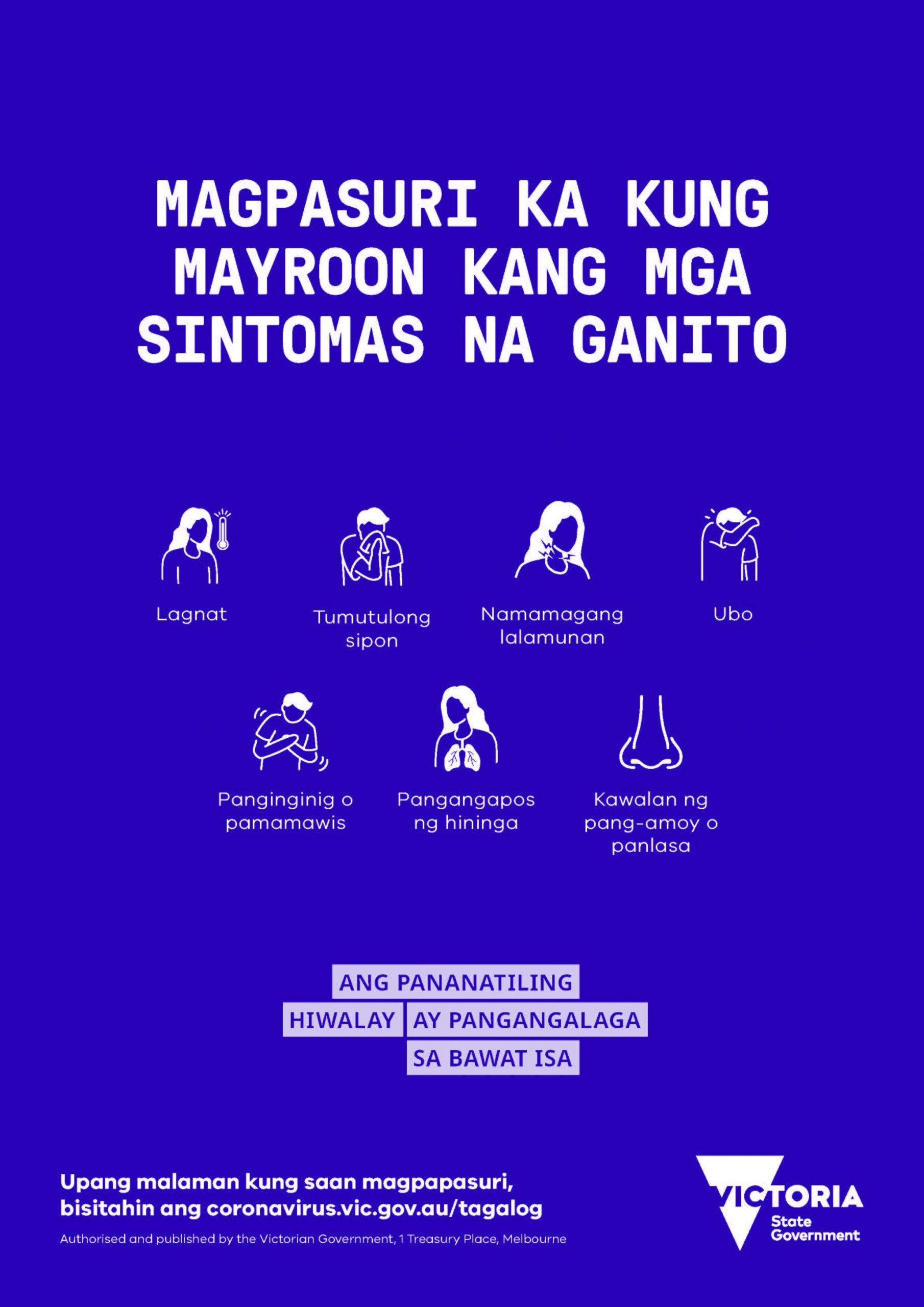
FILIPINO: Kung nakakaranas ka ng mga sumusunod na sintomas, mangyaring subukan.
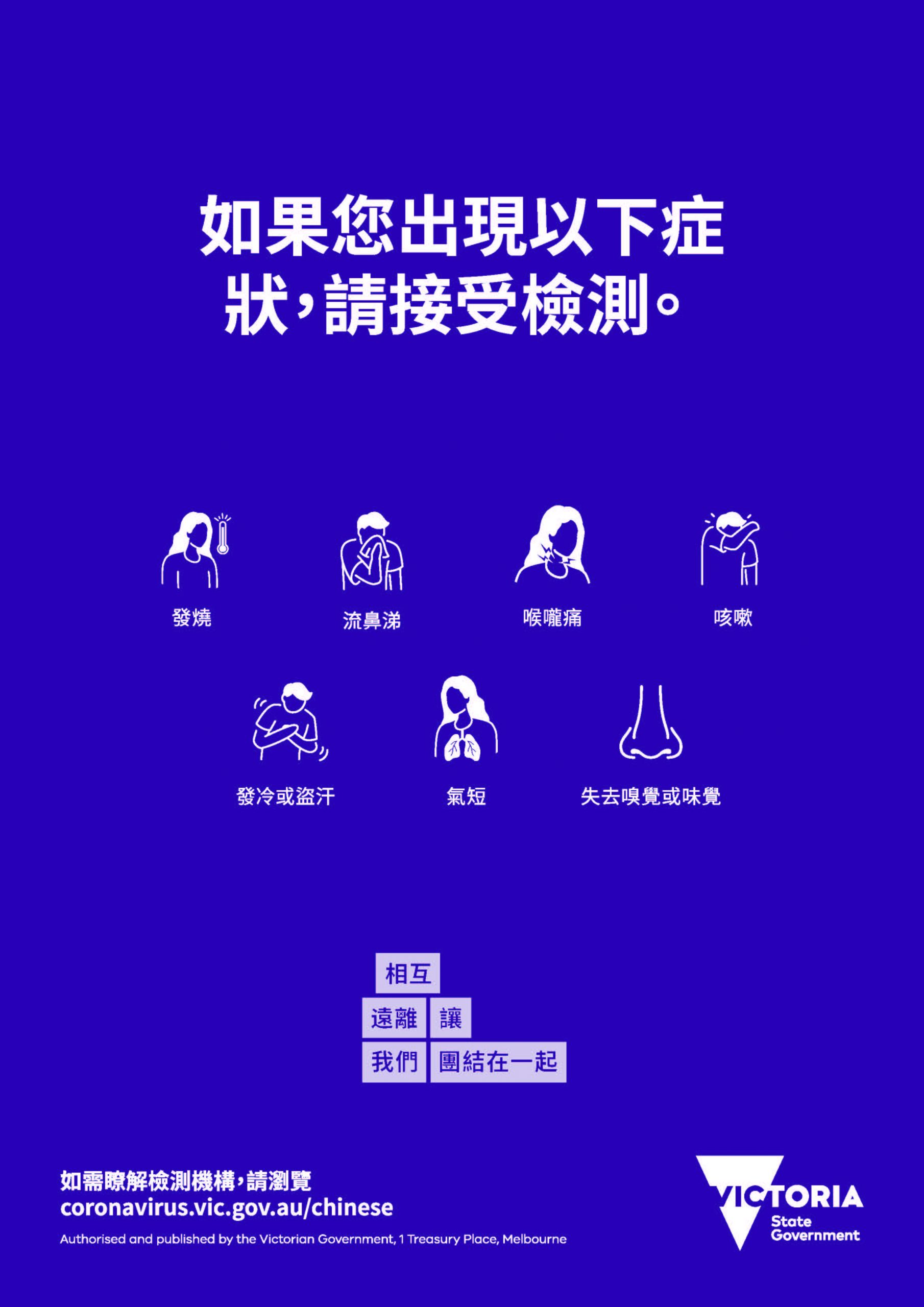
如果您出現以下症狀,請接受檢測。
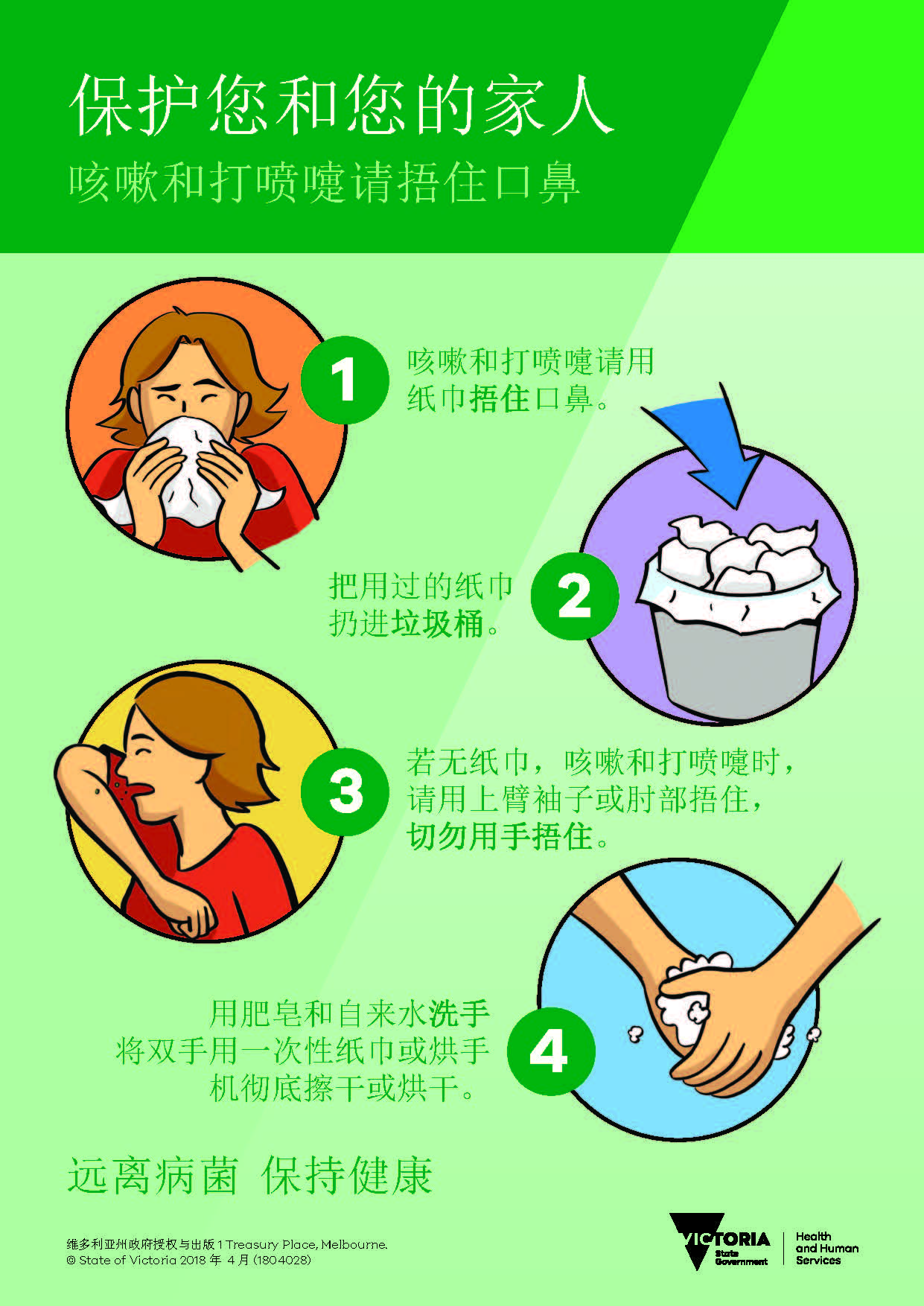
保护您自己和家人 – 咳嗽和打喷嚏时请捂住
How to wear a face mask 怎麼戴口罩
Berlin conference raises over £1bn in aid for Sudan humanitarian crisis
Vietnam visit to China strengthens bilateral strategic cooperation
Australia may see aged care AI boom
Australia activates new mechanism to procure 100 million litres of diesel
Israel–Lebanon 10-day ceasefire takes effect; Lebanon accuses Israel of shelling southern villages
Trending
-
Cuisine Explorer6 years agoCantonese Mango Sago
-
Tagalog6 years agoFILIPINO: Kung nakakaranas ka ng mga sumusunod na sintomas, mangyaring subukan.
-
Uncategorized6 years ago如果您出現以下症狀,請接受檢測。
-
Cantonese - Traditional Chinese6 years ago保护您自己和家人 – 咳嗽和打喷嚏时请捂住
-
Uncategorized6 years agoHow to wear a face mask 怎麼戴口罩
-

Uncategorized6 years agoCOVID-19 檢驗快速 安全又簡單
-
Uncategorized6 years ago
在最近的 COVID-19 應對行動中, 維多利亞州並非孤單
-
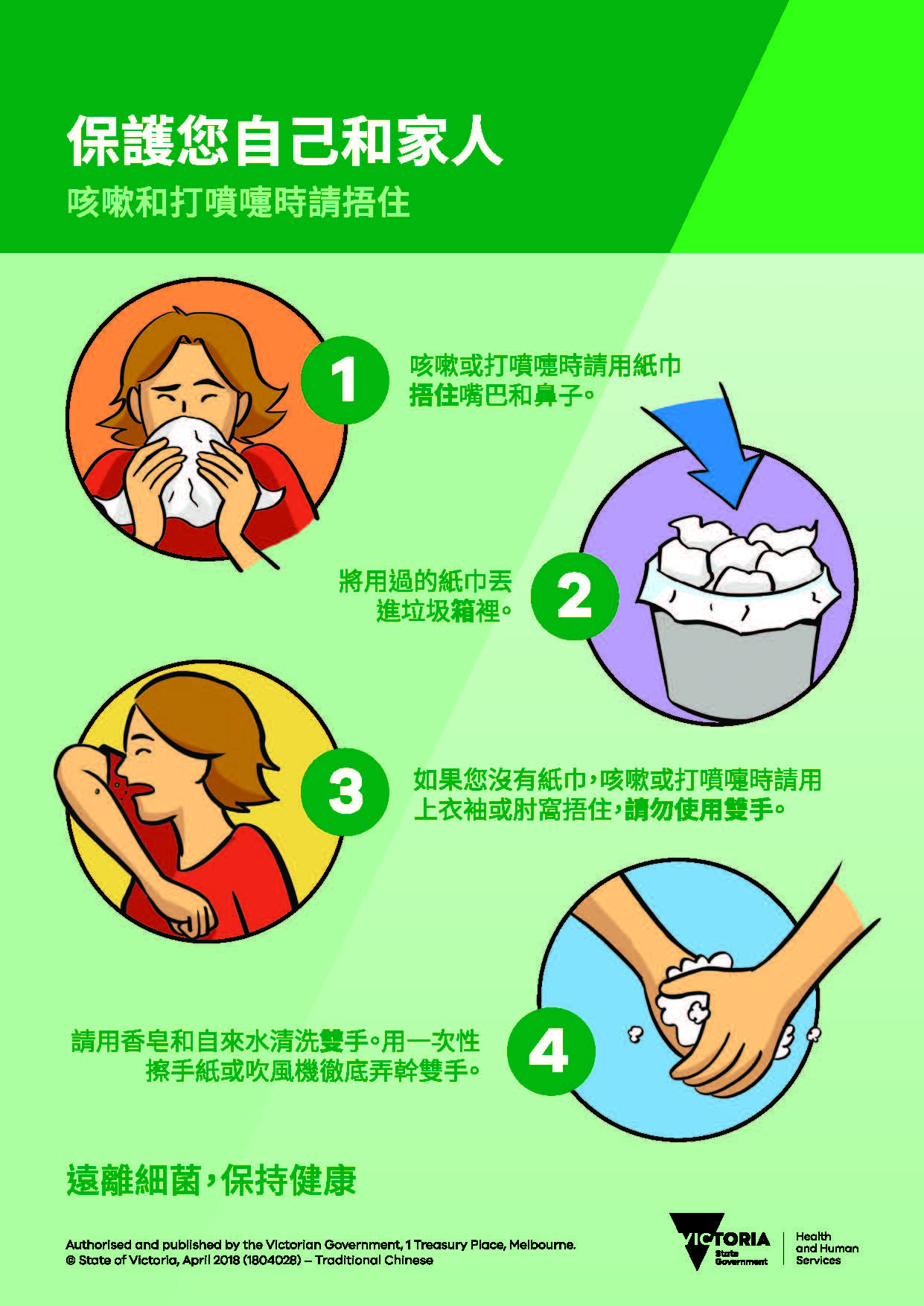
Cantonese - Traditional Chinese6 years ago保護您自己和家人 – 咳嗽和打噴嚏時請捂住