Features
The Impetus Behind “Thriving Kids”
Published
1 month agoon

The National Disability Insurance Scheme (NDIS) was designed as a support program for people with disabilities, with autistic individuals being one of its major beneficiary groups. According to statistics, approximately 290,900 Australians are autistic, meaning roughly 1 in every 90 people falls on the autism spectrum. Among children and adolescents under the age of 25, the prevalence of autism is significantly higher than in the adult population.
Since its implementation, many parents have become heavily reliant on the funding and assistance provided by the NDIS. For some families, it represents their only source of meaningful support. In August last year, the government proposed the Thriving Kids program, though details remained vague for an extended period. After a long period of stagnation, a full policy framework was finally released this year. However, the more pressing question is this: to what extent have Australian parents come to treat disability-related programs for children as a central pillar of support—and to what extent has the government itself encouraged this dependency?
The Background of NDIS and Thriving Kids

The NDIS was originally designed to support individuals with long-term, severe, and permanent disabilities. However, during implementation, its scope expanded rapidly. A large number of autistic children and children with developmental delays entered the scheme, causing participation numbers and costs to far exceed initial projections and placing significant financial strain on the government.
In response, and in an effort to return the system to its original focus on significant and permanent needs while addressing fiscal sustainability, the Australian government announced a new support model—Thriving Kids—in August 2025. This program forms part of the broader “Foundational Supports” framework and is designed for children aged eight and under with low to moderate support needs, including developmental delay or autism.
Thriving Kids emphasizes early identification, information linkage, parent guidance, and timely professional intervention, without requiring a formal disability diagnosis or long-term individualized plans. The federal and state governments jointly committed approximately $4 billion to the initiative. The program is scheduled to begin rollout in October 2026, with full implementation by January 2028. Following this, eligibility criteria under the NDIS Act will be progressively revised so that children with low to moderate needs are redirected to Thriving Kids, while children with severe and significant functional impairments remain supported under the NDIS.
Unlike the NDIS’s annual individualized funding packages, Thriving Kids prioritizes community-based early intervention, delivered through schools, early childhood centres, and local health services. The intent is to provide families with earlier, more practical support, reduce reliance on complex diagnostic processes, and ease long-term financial pressure on the NDIS. The program was designed by the Department of Health with an expert advisory group chaired by pediatrician Frank Oberklaid, alongside consultations with disability advocacy groups and family representatives.
It is important to note that Thriving Kids was not directly completed under Bill Shorten’s leadership. While Shorten was a central architect of the NDIS and promoted the concept of “foundational supports,” he announced his departure from federal politics in September 2024 and stepped down in February 2025 to become Vice-Chancellor of the University of Canberra. The concrete design, naming, and implementation of Thriving Kids were formally announced and advanced in 2025 by his successor, Health Minister Mark Butler.
Despite its intentions, the foundation of Thriving Kids is not entirely sustainable. Limited resources, broad coverage, and reliance on intergovernmental and local coordination place long-term strain on the system. This indirectly encourages some parents to offload responsibilities that would otherwise fall within ordinary parenting onto formal support structures, fostering dependency on Thriving Kids or similar subsidies.
The Pathologies of Parental Dependence
A persistent belief in society holds that as long as parents secure the “best possible support,” autistic children will naturally lead happy lives. This assumption is fundamentally flawed.
Recent data show that children aged 5–7 account for approximately 11–12% of participants in relevant programs, with a high proportion diagnosed with autism. This figure far exceeds historical trends, driving NDIS costs upward to unsustainable levels. Some government officials have bluntly acknowledged that many children were included simply because parents believed this was the only way to obtain support. This implies that not all approved cases genuinely require intensive, long-term resources; rather, parental anxiety combined with institutional incentives has driven a rush to secure whatever assistance is available.
Why are parents so eager to be “first in line”? The answer lies in the chronic delays within the public education and healthcare systems. Comprehensive assessments through public child development services typically take 6 to 24 months, and in some cases over three years. Even after GP referral and initial contact within six weeks, full assessments and meaningful intervention involve long waiting lists. In this context, the NDIS becomes the only system capable of delivering immediate, tangible assistance—speech therapy, occupational therapy, assistive devices, and sensory regulation tools. Over time, parents internalize the belief that failure to enter the system means falling behind entirely, leading to growing reliance on subsidies and gradual withdrawal from active parenting responsibility.
This is where the problems begin.
In extreme cases, parents come to treat the NDIS as an all-encompassing caregiver, outsourcing the roles of therapist, educator, and support system. Understandable justifications are often cited—caregiver exhaustion, lack of family support, or absence of non-institutional resources—resulting in a mentality of “since services are involved, I no longer need to intervene as much.” The outcome is predictable: children struggle socially, behavioural issues escalate, and teachers and peers bear the consequences. Parents then attribute these outcomes solely to “autism itself,” rather than reflecting on the effects of excessive outsourcing and responsibility transfer. Over time, children become institutionally labelled without acquiring real-world adaptive skills.
When children grow up embedded in highly institutionalized service pipelines—continuous assessments, therapies, reports, and reassessments—they learn not how to navigate social situations or self-adjust, but how to wait for instructions and passively respond to professionals. This environment steadily erodes autonomy and problem-solving capacity, particularly for high-functioning autistic individuals. These children often have genuine potential to learn social rules and adapt behaviour, yet are conditioned to function only in therapy rooms, becoming helpless once professional scaffolding is removed. Ultimately, they internalize a dangerous message: “I cannot live without experts.”
Within this framework, every emotional outburst, refusal, or mistake is easily interpreted as further evidence that “more intervention is needed.” Normal developmental behaviours that could have been guided and corrected are prematurely pathologized. This deepens parental anxiety and leads children to internalize the belief that they themselves are fundamentally defective, eroding self-esteem and self-efficacy. Some children even develop dependency patterns: when discomfort or frustration arises, they expect external agents to “fix the problem,” weakening self-regulation and accountability while intensifying parent–child conflict.
Another direct consequence of excessive service intervention is the hollowing out of the parental role. Daily routines, emotional guidance, and boundary-setting—core elements of parenting—are increasingly delegated to therapists, social workers, or support staff. Over time, parents’ understanding of their children becomes fragmented, reduced to diagnostic labels and professional jargon, while intuitive knowledge built through daily interaction is lost. When services are interrupted, reduced, or transitioned, these families become more fragile and conflict-prone, unsure whether they even know how to parent anymore.
More troubling still, overreliance on services leads to the “gentle abandonment” of high-functioning autistic children. As children become more withdrawn, some parents choose accommodation over guidance—avoiding challenges, discouraging risk-taking, and prioritizing surface-level emotional calm. As a result, children’s social worlds shrink, and remaining developmental potential in socialization, adaptability, and self-management is slowly stripped away. Support transforms from a tool into a substitute; from a bridge into a protective shield that blocks growth. The most devastating consequences often emerge only in adulthood, when institutional support fades and individuals find themselves unable to cope with unstructured reality—not due to lack of ability, but because they were never allowed to practice independence. The cycle then repeats in the next generation.
Compounding this problem is the reality that many children receiving services may simply be developing at a slower pace, rather than having long-term, severe impairments. In a system heavily dependent on diagnoses and subsidies, developmental variation becomes over-medicalized. Temporary delays are treated as permanent deficits, diverting substantial resources toward children who might otherwise catch up naturally. Meanwhile, individuals with severe autism or multiple disabilities—those who truly require intensive, lifelong support—are pushed aside, delayed, or overlooked in resource competition. When limited public funds are used to soothe anxiety and patch systemic gaps rather than meet actual need, the entire support system loses fairness and strays from its original purpose.
Support Without Indulgence
An effective support system should strengthen families, not replace them. Government services must function as tools, not long-term substitutes. The core objective should not be the number of therapy hours delivered, but a clear delineation of which supports are temporary and which responsibilities must ultimately return to families and children.
First, support must prioritize parent capacity-building, not one-way resource delivery. Rather than indiscriminately outsourcing services, funding should focus on parent training, behavioural guidance, and in-context coaching. Community-based parent–child workshops can teach positive behaviour management strategies and simulate social scenarios where parents observe and guide in real time. When parents acquire these skills, children’s progress in social interaction, emotional regulation, and self-management becomes more stable and transferable to school and community settings. Success metrics should shift from service completion to parental independence.
Second, systems must include clear exit mechanisms and staged goals. All support plans should have defined timelines and transition points, with regular evaluations of readiness for reduced services and increased autonomy. A high-functioning autistic child, for example, may achieve sufficient self-regulation and basic social interaction after six months of parent-led guidance and light intervention, at which point professional involvement should be gradually reduced. Systems without exit strategies merely manufacture lifelong dependency.
Third, policy must clearly differentiate responses to developmental delay versus long-term disability. Support for the former should be light, short-term, and centred on families and schools; the latter requires stable, long-term resourcing. Accurate triage ensures that high-need groups receive priority while preventing low-need children from becoming service-dependent through over-intervention. Evidence consistently shows that misallocation of resources undermines equity and harms those most in need.
Finally, systems must reaffirm an uncomfortable but essential truth: support is not a replacement for parenting. No policy can substitute for parental presence. A healthy support ecosystem expects parents to re-engage, not retreat. Support should act as a bridge, not a shield—enabling children to develop independence, tolerate frustration, and explore the world.
Parental dependence, excessive service intervention, and resource misallocation are not merely side effects of one policy, but symptoms of a broader societal immaturity in understanding responsibility, care, and public resources. If support systems provide subsidies and substitution without demanding parental accountability, children’s autonomy will erode and high-need populations will be neglected. Policymakers must recognize that the purpose of support is empowerment, not replacement. Families, communities, and public systems must complement—rather than substitute—one another. Without this balance, even the most carefully designed programs such as Thriving Kids or the NDIS will only fill short-term gaps, failing to cultivate independence or long-term wellbeing for autistic individuals.
You may like
After starting this column in late January, I received inquiries from readers and engaged in in-depth discussions with parents of individuals with autism. These interactions have given me further insights into the support programs currently being launched by Rejoice.
A 74-year-old father emailed with a query. During our phone call, he shared that his 37-year-old son had worked as a teacher after graduating from university but had few friends. After the COVID-19 pandemic, he began isolating himself at home, becoming addicted to the internet, refusing to talk with family, and cutting off contact with friends. He asked if our program could help his “autistic” son. I could hear his deep concern, knowing his advancing age made him uneasy about his son’s future, hoping someone could offer support. As a father myself, I deeply felt his anxiety—the helplessness and sorrow of seeing his son become isolated from others, knowing he himself would one day depart and be unable to do more for his son. However, his son did not exhibit obvious symptoms of autism. Perhaps his son needed a counselor’s assistance to uncover the reasons behind his withdrawal and refusal to share his inner world, which would allow for more effective support.
Our program supports individuals assessed by professionals as having autism who, from childhood, failed to acquire appropriate social skills through life experiences. We aim to better prepare them for the workforce. This reader’s son’s issue seems unrelated to autism; it’s more likely a personal choice to live in isolation due to life experiences. Still, his son is undoubtedly a lonely person.
Children with Autism
Following Australia’s implementation of the NDIS, the proportion of children aged 5–7 assessed as having autism or developmental delays is exceptionally high: 13% of boys and 7% of girls in this age group. This rate is significantly higher than in other countries, leading many to question these assessments. The federal government’s current “Thriving Children” initiative aims to address these concerns. The government’s stance is that regardless of whether these children have developmental delays or autism, if their teachers, early childhood educators, doctors, or parents have reason to believe the child needs help, there should be no delay. The government should provide one to two years of support first, assess the situation, and then make a decision. The rationale is that professional assessments take time, and delaying support risks missing the window for intervention, potentially leading to greater burdens later. Under the principle of “better safe than sorry,” providing initial support allows reassessment when the child is older and the situation clearer, determining whether NDIS coverage is warranted. This approach becomes the solution.
This highlights how challenging it is to accurately diagnose autism in very young children. Parents, being the closest to their children, often lack the experience for objective assessment. Since the NDIS offers substantial resources to assist them, parents frequently perceive their child as having more “special” needs requiring support, leading them to be more proactive in seeking resources. Consequently, the likelihood of receiving an autism diagnosis in early childhood is often influenced by parents’ understanding of the NDIS and their level of advocacy.
This raises a critical question: Are these resources being utilized effectively? For those who secure NDIS funding, should resources be directed toward educating parents on general child development? Or should they focus on equipping parents to navigate the unique challenges of raising a child with developmental needs? Alternatively, should resources support parents in their day-to-day caregiving? Or should they be directed toward direct training for the children themselves? Or, as is currently the case with most NDIS support, allocated toward professional therapeutic activities or non-professional developmental activities? It appears the government lacks a clear plan for this, and NDIS participants are largely at the discretion of their parents.
Current policies indicate the government is willing to provide more support during the initial school adaptation phase. However, beyond this stage, continued assistance often requires additional assessments.
Autistic Individuals in Adolescence
By the adolescent years (ages 9-12), children often establish established social patterns. While parents continue daily care, these children develop greater self-care abilities. During this phase, parental regulation and management gradually decrease. Activities arranged for children increasingly consider their interests, capabilities, and preferences.
During this period, most parents have accepted their child’s autism diagnosis and increasingly seek additional activities or resources to support their child’s development. Unfortunately, systematic programs designed to promote social skills development remain scarce, and few organizations are willing to provide such services. Historically, these activities have relied on government funding allocated to organizations supporting children with autism. The implementation of the NDIS, in principle, offers more possibilities for adolescents at this stage. Yet, in practice, we have not witnessed a significant emergence of such developmental support services.
Adolescents with Autism
After turning 12, adolescents with autism, like their peers, enter adolescence. They may exhibit rebellious behavior and begin to form ideas about their future development. Communication issues frequently lead to arguments between parents and adolescents during this period, often resulting in strained parent-child relationships.
While typical adolescents navigate this phase, parents and families of adolescents with autism often experience a deterioration in their close relationships that may prove difficult to repair later—a regrettable outcome. Parents during this period frequently lack awareness of available resources to support their child’s development.
Adolescents at this stage begin to have certain academic expectations, presenting greater challenges for those with autism. They often struggle to complete project-based assignments with peers and are more susceptible to being overlooked or bullied. Some experience declining academic performance and lose interest in learning. Interestingly, research indicates that individuals with autism exhibit two distinct peaks in intellectual ability: one at an IQ of 85 and another at an IQ of 115. This means that while a portion of them have intellectual abilities below average, an equal number possess above-average intelligence. However, this is not reflected in their academic performance. This indicates that many intellectually capable autistic adolescents fail to demonstrate their potential in school, resulting in average grades.
More often than not, their difficulty in establishing close communication with others makes learning itself challenging. Some feel the school system is unsuitable for them, opting instead for vocational training and abandoning further academic opportunities.
Can they find a job?
However, even with vocational training, it doesn’t guarantee that these autistic adolescents will be able to establish cooperative working relationships with others on the job. Consider this: if a young person has spent over a decade without training in social interaction, lacking practical social engagement and understanding, even completing secondary or tertiary education offers no guarantee they will collaborate seamlessly in the workplace.
Among parents inquiring about Rejoice’s training program, most have children in Year 12 or beyond. They express concerns about their children transitioning from school to the workforce, knowing that most employers require employees to possess basic interpersonal skills.
This precisely aligns with Rejoice’s program objectives. The NDIS does provide funding to support individuals with disabilities in transitioning from school to the workplace. However, most organizations focus on adaptation programs for individuals with physical disabilities or intellectual impairments, targeting repetitive and simpler tasks. For high-functioning individuals with autism, who often possess higher learning capabilities, suitable job training support is rarely provided. They frequently rely on their own efforts, resulting in an unemployment rate exceeding 20% among high-functioning autistic individuals—a deeply disappointing outcome.
It is evident that facilitating the transition of high-functioning autistic individuals into the workplace should not be overlooked. Given the significant investment made by society and parents in equipping them with knowledge and skills during their formative years, why can’t society allocate more resources to enable them to realize their potential, find fulfillment in their work, and contribute back to society?
Mr. Raymond Chow
Features
The U.S.-Iran War Stalemate: Where Do Nations Go From Here?
Published
3 days agoon
March 10, 2026
As of press time, the military strikes launched by Israel and the United States against Iran had persisted for over nine days. Airstrikes and missile attacks continued across multiple regions within Iran, Israel, and the Persian Gulf. According to multiple media reports, since the conflict erupted, the US-Israel coalition has targeted thousands of military and infrastructure sites in Iran. Iran has retaliated by launching multiple waves of missiles and drones toward several countries in the region.
This conflict rapidly escalated within a short timeframe, spreading to a broader region. However, based on media reports and the extent of damage to military facilities on both sides, Iran has clearly suffered the destruction of most of its military equipment under the powerful military force of the U.S. and Israel, including air and missile strikes. Nevertheless, since the U.S. has not deployed ground troops for direct attacks, the development of Iran’s political situation remains highly uncertain. The intertwining of energy supply chains, regional security dynamics, and great power competition means the war’s impact extends far beyond the conflict between the United States, Israel, and Iran.
Against the backdrop of escalating hostilities, a core question emerges: How will this war conclude?
Why did the conflict erupt?
The U.S. and Israeli military actions against Iran were not impulsive decisions by President Trump, but rather the culmination of long-standing tensions. The backdrop stems primarily from three intertwined threads: the Iranian nuclear issue, proxy conflicts in the Middle East, and the long-term strategic competition over regional power dynamics.
For years, Israel has consistently viewed Iran’s nuclear program as a fundamental threat to its national security. For a nation significantly smaller in size and population than Iran, and perpetually operating in a hostile environment, the acquisition of nuclear weapons by its adversary would fundamentally alter the entire strategic balance. Consequently, Israel has consistently adopted an extremely hardline stance on Iran’s nuclear issue, repeatedly hinting at the possibility of military action to prevent Tehran from developing nuclear weapons.
The United States has long sought to curb Iran’s nuclear program through sanctions, diplomatic negotiations, and intelligence operations. However, over a decade of diplomatic efforts has yielded limited results. While nuclear talks repeatedly stalled, Iran’s influence in the Middle East continued to expand. Organizations such as Lebanon’s Hezbollah, Iraqi Shia militias, and Yemen’s Houthi rebels all maintain varying degrees of close ties with Tehran. For Israel and the United States, these forces constitute a “network of proxies” spanning the Middle East, threatening regional security and control.
The ultimate trigger was the collapse of the third round of nuclear talks held in Geneva on February 26. For Washington and Tel Aviv, the possibility of resolving the nuclear issue through negotiations had significantly diminished. The failure of these talks symbolized the near exhaustion of diplomatic avenues.
In the early hours of February 28, the United States and Israel launched a massive airstrike operation dubbed “Operation Epic Fury,” marking the formal outbreak of this long-simmering conflict.
Yet as hostilities unfolded, a perplexing question emerged: Was this war based on a coherent and well-defined strategic plan?
Washington’s Strategic Ambiguity
In the conflict’s early stages, the U.S. government’s stated justifications appeared inconsistent, reflecting internal divisions in Washington over the war’s objectives.
Secretary of State Rubio initially stated that U.S. intervention primarily aimed to support Israeli military operations and protect American bases in the Middle East from retaliatory attacks. Yet shortly thereafter, during a meeting with the German Chancellor, Trump claimed his decision to use force was largely intuitive, based on his belief that Iran might be preparing a preemptive strike.
It took several days for the administration to gradually consolidate its official narrative around “destroying Iran’s nuclear capabilities.” Yet even then, contradictory signals persisted within Washington. During the conflict’s first week, the Speaker of the U.S. House of Representatives publicly declared: “We are not at war, nor do we intend to be at war.”
These contradictory statements inevitably raised external doubts about whether the U.S. had entered a high-risk conflict without a comprehensive strategic consensus.
When the political objectives of a war remain poorly defined, a more fundamental question emerges: What exactly should this war achieve, and under what circumstances would it be declared over?
Iran’s Internal Dilemma
Following the outbreak of conflict, signs of internal discord emerged within Iran’s decision-making circles. Reports indicate that Iranian President Pezeskian publicly apologized for Iran’s airstrikes against Gulf nations, only to retract his statement shortly after facing criticism from domestic hardliners. Concurrently, air raid alerts and air defense interceptions occurred in Qatar, the United Arab Emirates, and other locations. This contradictory messaging has been interpreted by many observers as evidence of significant discord between Iran’s government and its military establishment.
This situation is closely tied to Iran’s long-established military command structure. Multiple reports indicate that former Supreme Leader Ayatollah Khamenei had delegated portions of operational command authority to regional military districts during his lifetime. Some local commanders even possessed the autonomy to select targets or launch missiles independently.
This decentralized structure was originally designed to enhance wartime survivability, ensuring military operations could continue even if central leadership suffered casualties. However, this system also introduces new risks. When command authority is dispersed across multiple tiers, local commanders acting under insufficient information or ambiguous political signals may lead to miscalculations and escalation of conflict, creating a disconnect between political and military directives.
More critically, the recent “decapitation strikes” targeting Iran’s leadership by the U.S. and Israel have intensified this uncertainty. Multiple senior Revolutionary Guard commanders have been killed in succession, including the Supreme Leader himself in an early airstrike. While Iran’s military operations have not immediately collapsed, the rift between its political and military command structures may be widening.
Iran’s Counterstrike
In terms of military strength, the United States and Israel undeniably hold overwhelming advantages in technology, intelligence capabilities, and advanced weapon systems. For Iran to attempt to defeat its adversaries through conventional military confrontation on the battlefield is virtually impossible. Tehran clearly recognizes this, hence its military actions increasingly resemble an “asymmetric response”: not pursuing decisive battlefield victories, but instead seeking to raise the adversary’s costs of sustained warfare through multiple means.
For instance, Iran is well aware of its geographical and military limitations. While the U.S. mainland lies thousands of miles away, making direct strikes difficult, U.S. military bases scattered across the Middle East—particularly facilities in Arab nations—fall well within the range of Iranian missiles and drones. Thus, attacks on targets in Qatar, the UAE, Kuwait, Oman, and Iraq carry not only military significance but also send clear political signals.
Beyond military strikes, Iran’s other key bargaining chip is the Strait of Hormuz. This narrow waterway is one of the world’s most critical energy transport routes, through which approximately one-fifth of the world’s seaborne oil is shipped to global markets. Any disruption to shipping would rapidly destabilize global energy markets. Iran need not fully block the strait—merely creating a credible threat or sporadic interference could drive up oil prices and heighten market anxiety, compelling the international community to focus on the conflict and seek de-escalation.
However, this strategy of escalating risks to exert political pressure carries significant costs. Tehran may hope Gulf states will pressure Washington under energy and security pressures, but if attacks escalate, the outcome could backfire: rather than aligning with Iran, these nations may instead increase reliance on U.S. and Israeli military protection due to security threats. Long-term, this dynamic could further erode Iran’s diplomatic maneuvering space in the region, deepening its isolation within the Middle East’s political landscape.
Chain Reaction in the Middle East
Conflicts in the Middle East invariably carry significant spillover effects. Should hostilities escalate further, neighboring nations and non-state armed groups could easily become entangled, transforming what began as a bilateral dispute into a regional crisis. The Persian Gulf region, home to vital energy transport routes and military bases, renders the entire area particularly sensitive during times of conflict.
The current tensions have already begun affecting multiple nations with complex relationships with Iran. Iran has launched missiles and drones toward Qatar, the United Arab Emirates, and Oman. These nations maintain cooperative ties with Iran while preserving delicate political distance: Qatar shares one of the world’s largest offshore natural gas fields with Iran; the UAE has long served as a vital trade corridor for Iran; and Oman has repeatedly played a key mediating role in past U.S.-Iran negotiations.
Precisely for this reason, these nations have traditionally sought to maintain a certain equilibrium between the United States and Iran. However, should hostilities continue to escalate, they may find it difficult to sustain this neutral stance. When both energy security and national security are threatened simultaneously, Gulf states will likely be forced to choose between safeguarding their interests and yielding to geopolitical pressures. At that point, a conflict originally confined to the United States, Israel, and Iran could gradually evolve into a broader regional confrontation.
China’s Dilemma
Despite Iran’s longstanding classification as part of the “anti-Western camp,” Tehran received virtually no substantive support when war actually broke out. Partner nations including Russia, China, and North Korea largely confined themselves to diplomatic statements without taking direct military action.
Among nations maintaining ties with Iran, China’s stance has drawn particular attention.
Beijing has long been one of Iran’s largest oil buyers. Under Western sanctions, China often secures Iranian oil at lower prices, fostering a degree of economic interdependence between the two countries. Moreover, China’s energy structure relies heavily on the Middle East. Overall, over half of China’s oil and a significant portion of its natural gas originate from the region. Iranian and Venezuelan oil account for approximately 13% and 4% of China’s imports, respectively. Should war disrupt shipping through the Strait of Hormuz, China’s energy security would be directly threatened.
However, at the same time, Trump’s visit to China under these circumstances and his public criticism of U.S. military actions may have repercussions. Moreover, Beijing has shown a tendency this year to adopt a more conciliatory and proactive stance in handling Sino-U.S. relations. Therefore, even if Beijing expresses sympathy for Iran diplomatically, it must exercise restraint in actual policy, avoiding direct criticism of the U.S. and Israel, let alone providing tangible assistance.
Allies Absent
This situation reflects a reality: Iran’s relationships with these nations are largely based on mutual interests and geopolitical cooperation, rather than genuine military alliances. Many countries maintain ties with Iran primarily for energy, geopolitical, or counterbalancing purposes against the West. Yet when conflict escalates to the point of potential direct confrontation with the United States and Israel, few nations are willing to shoulder the risks.
Take Russia, for instance. While Moscow publicly condemned the U.S.-Israel military operations and called for diplomatic solutions, it showed no inclination toward direct military intervention. For Russia, the costs of direct confrontation with the U.S. or Israel in the Middle East would be prohibitively high, yielding limited strategic gains.
Other nations closely allied with Iran have adopted similar stances. While North Korea has issued strong political condemnations of U.S.-Israeli actions, it has provided no tangible military support. Latin American allies, grappling with their own domestic instability, are ill-equipped to offer meaningful geopolitical assistance.
Overall, these nations’ responses have largely remained diplomatic, revealing Iran’s profound isolation in terms of genuine security alliances. This restraint is not accidental but a calculated strategic choice. For these “anti-Western bloc” allies, direct involvement in a war between Iran and the U.S.-Israel axis carries immense risks and could trigger uncontrollable global conflict—costs far outweighing any potential gains.
Within this framework, despite Iran’s numerous diplomatic partners, it would likely bear the brunt of military and political pressure almost entirely alone should war erupt.
The U.S.-Israel Strategic Calculus
As hostilities escalate, external attention increasingly focuses on two critical questions: Will the U.S. deploy additional ground forces? Could the Iranian regime collapse as a result?
Current indications suggest that the U.S. and Israel’s strategy resembles a high-intensity “pressure campaign” rather than an immediate full-scale invasion aimed at regime change.
On the energy front, Iran has attempted to leverage the Strait of Hormuz as a bargaining chip. However, the U.S. has pledged to provide escort services for oil tankers and insurance arrangements for crude oil shipments to mitigate energy supply risks. In other words, Washington seeks to neutralize Iran’s most critical economic weapon.
Politically, Trump has repeatedly stated publicly that he hopes for regime change within Iran, rather than direct overthrow by external forces. He has even called on the Iranian people to “take over their own government” after the conflict, describing this as potentially “the only opportunity in generations.”
However, this strategy also carries significant costs. Cheap drones can force adversaries to continuously launch expensive interceptor missiles. Only once the ammunition stockpiles of an air defense system are significantly depleted can the real striking force potentially emerge. According to estimates by the Washington think tank CSIS, the daily military cost for the U.S. forces in the current conflict approaches $900 million. Using expensive missiles to intercept low-cost drones may be effective in the short term, but it is difficult to sustain in the long run.
Can the Iranian regime be overthrown?
Historical experience shows that airstrikes alone have rarely succeeded in toppling a well-armed regime.
In 2003, the United States deployed massive ground forces to invade Iraq before toppling Saddam Hussein’s regime. Similarly, the downfall of Libyan leader Muammar Gaddafi in 2011 occurred only through the combined effects of NATO airstrikes and ground offensives by anti-government forces.
Therefore, Washington currently appears to favor internal regime change within Iran. Yet this scenario carries significant uncertainty. However, the successful coordinated precision strikes by the U.S. and Israel targeting Iranian leadership at the war’s outset marked the first conflict in history primarily focused on eliminating government leaders and destroying military infrastructure. Experts remain divided on whether this approach can achieve political change without occupation.
For Iran, however, the objective of this war may not be to “defeat” the adversary, but rather to ensure the “survival” of its leadership to continue governing. As long as the regime does not collapse entirely, Tehran still hopes to restore its military and political influence in the future. Whether this is wishful thinking will likely become apparent soon.
Should the conflict ultimately lack a decisive outcome, the Middle East may revert to a familiar dynamic: nuclear issues, economic sanctions, and regional power struggles intertwined, while U.S.-Iran relations shift toward prolonged proxy conflicts, sanctions standoffs, and cyber warfare—creating a cold confrontation characterized by “no war, no peace; talks amid disruption.”
Looking back at history, from Afghanistan to Iraq to Kosovo, the United States has repeatedly become entangled in protracted and complex wars in the Middle East and surrounding regions. Reality has repeatedly demonstrated that starting a war is often far easier than ending one. If the conflict drags on, the real test may only just be beginning—not only for Iran, but equally for Washington. May the people affected by war find peace.
Features
The New Aged Care Act Under Bureaucracy: Who Decides the Fate of the Elderly?
Published
1 week agoon
March 6, 2026
Australia’s new Aged Care Act, vigorously promoted by the government in recent years, officially took effect on November 1 last year. This reform was originally described as “a once-in-a-generation system overhaul.” However, since its implementation, some experts and media outlets have raised questions about its operational details, pointing out that the system may fail to protect the rights of the elderly as intended.
A recent Guardian report revealed that the algorithm used in the government’s Integrated Assessment Tool (IAT) for evaluating care needs may underestimate seniors’ actual requirements. This could result in some seniors receiving lower funding levels after reassessment. Even Lynda Henderson, an expert consultant who helped design the questionnaire, admitted she fears having to use the system herself in the future. She explained that when the questionnaire was developed, they were unaware the government would use algorithms to determine seniors’ care resources.
This controversy extends beyond technical issues, touching on a core contradiction in Australia’s aged care reform: When the government attempts to enhance efficiency through standardized decisions based on data and technology, does it simultaneously diminish the roles of clinical expertise and humanized care?
In fact, Australia’s aged care system has long grappled with multiple problems, including systemic loopholes, uneven resource allocation, and complex, lengthy administrative processes. For our ethnic minority communities, language barriers and cultural differences may further hinder seniors’ access to necessary and appropriate support.
Over the coming year, Sameway will continue to monitor developments and challenges within Australia’s aged care system alongside our readers, progressively exploring this critical issue affecting millions of seniors and their families. This article serves as the inaugural installment of this series.
From Royal Commission Reforms to the Digital Assessment System
The introduction of the IAT stems from the 2021 Royal Commission into Aged Care Quality and Safety. After a two-year investigation, this Royal Commission delivered scathing criticism of Australia’s aged care system. The inquiry highlighted systemic issues including inconsistent service quality, inadequate oversight, and unfair resource allocation, with some care facilities even exhibiting “neglect and abuse.”
The Commission consequently recommended comprehensive government reforms, including enacting a new Aged Care Act and implementing a more consistent assessment system to ensure equitable access to necessary care services for seniors. This reform aimed to address a major flaw in the previous system where different agencies used disparate assessment methods, leading to vastly different outcomes for the same senior across regions or facilities.
The government subsequently launched the “Support at Home” home care reform program, with the IAT serving as the core assessment tool for the entire system. In practice, assessments are typically conducted by trained clinical staff with medical or health professional backgrounds. During home visits or telephone interviews, they input data on the senior’s health status, mobility, cognitive abilities, and daily living needs into the system. Responses are then scored and categorized according to government-defined algorithms, converting results into one of eight home care funding levels. This determines the care tier and financial assistance the senior qualifies for.
Home Care Subsidy Level 1 provides approximately $10,731 AUD annually; Level 2 provides approximately $16,034 AUD; Level 3 provides approximately $21,966 AUD; Level 4 provides approximately $29,696 AUD; Level 5 provides approximately $39,697 AUD; Level 6 provides approximately $48,114; Level 7 provides approximately $58,148; and Level 8 reaches up to $78,106. The funding gap between the lowest and highest levels exceeds $60,000, indicating a substantial variation in support across different classification tiers.
By establishing a nationally unified assessment system, the government aims to determine an elderly person’s subsidy tier through a single evaluation, thereby reducing administrative procedures and waiting times.
Concerns Over the Accuracy of the Assessment System
Although the reform aims to streamline procedures and reduce waiting times, multiple issues persist in practice. The application and assessment process itself takes time: after submitting an application, seniors should theoretically be contacted by an assessor within 2 to 6 weeks to schedule an in-person or phone assessment. However, in high-demand areas, actual wait times can extend to several months. After the assessment is completed, it typically takes another two weeks to receive the government’s “Decision Letter.” Once eligibility is approved and the individual enters the national waiting list, they must further wait for the government to allocate the corresponding care funding. According to My Aged Care estimates as of November 1, 2025, the wait times from eligibility approval to service commencement are: Emergency Priority cases up to approximately 1 month, High Priority cases 1.5 to 2.5 months, Medium Priority cases 8 to 9 months, and Standard Priority cases potentially 10 to 11 months. However, these are only estimates and not guarantees.
This also means that the IAT score reflects only the status at the time of application submission and cannot immediately reflect changes in the senior’s health. By the time seniors actually receive assessment results or funding arrangements—often at least a year later—their physical condition has frequently changed from the initial assessment. High-risk seniors may consequently be assigned to lower priority levels, leading to mismatched support and inadequate care.
Furthermore, while the IAT was designed by experts in psychology, psychometrics, and statistics, this does not guarantee its assessment results are entirely accurate or free from controversy. Any evaluation tool based on questionnaires and scoring mechanisms inevitably involves a degree of subjective judgment. When interacting with seniors, assessors must interpret their physical condition, cognitive abilities, and living needs based on interview content, observations, and professional experience. However, variations in understanding and judgment may exist among different assessors.
Additionally, assessor quality and support influence outcomes. Assessment results partially depend on the assessor’s clinical experience, professional judgment, and comprehension of the senior’s situation. Some assessors may lack adequate training or be unable to conduct thorough interviews due to time constraints and workload pressures. Complex issues such as the elderly person’s health status, psychological needs, living environment, and cultural background may not be fully understood through just one or two home visits or phone calls. Even when background information is provided by social workers or family members, it may not fully reflect the elderly person’s actual needs. This is particularly true for those living alone or without children to care for them, where insufficient information directly impacts assessment accuracy.
Algorithms and Government Overreach Under Bureaucracy
While the nationwide standardized assessment system ostensibly emphasizes fairness and efficiency, numerous critics and frontline care workers point out that algorithms frequently underestimate seniors’ actual needs. Some seniors whose health has deteriorated are instead assigned to lower-need tiers after reassessment, receiving funding and services that fail to match their real requirements. This design often overlooks issues that are difficult to quantify. Such scoring systems convert complex health and living situations into a series of standardized questions, then assign seniors to different funding tiers based on calculated scores. Yet crucial questions remain unanswered: How exactly are these answers converted into scores? How are the weights of different factors determined? What constitutes “high risk”? These critical judgments often lack transparency within the algorithms.
More critically, an older adult’s situation rarely boils down to a single functional issue. Instead, it involves intertwined risks stemming from cognitive decline, social isolation, chronic illnesses, and living conditions. These hard-to-quantify factors are difficult to capture through a few standardized questions. When systems attempt to measure an older adult’s circumstances using fixed questions and numerical scores, they inevitably oversimplify complex human experiences. While the assessment system may appear administratively consistent and efficient, it risks underestimating genuine care needs in practice, categorizing some of the most vulnerable seniors as “low-need” individuals.
A more significant issue is that assessors under the new system lack the authority to review or override algorithmic outcomes. Previous policies allowed evaluators to adjust IAT results when necessary, incorporating individual goals or professional judgment. However, since the new Elderly Care Act took effect, policy explicitly prohibits assessors from altering home care funding levels except in extremely rare exceptions (such as end-of-life or rehabilitation care). This means that in practice, professional assessors can only input data, with the final decision resting entirely with the system’s algorithm. The true reflection of seniors’ needs is compressed or even ignored.
The government engaged experts in psychology, psychometrics, and statistics to provide research recommendations and design questionnaires. While this appears to be an assessment system underpinned by professional research, the entire decision-making process ultimately remains entirely within the government’s control. The professional judgment of assessors often struggles to be fully reflected within an algorithm-driven assessment mechanism.
This tool originated from the Royal Commission on Aged Care’s push for standardized and human-centered assessments. However, by imposing “rule-based” algorithms that restrict human intervention, it has effectively created a dehumanized bureaucratic process that prioritizes financial control over the realities of seniors’ lives. Assessors are reduced to data entry clerks within the system, and the information they input is ultimately processed by algorithms that overlook details like seniors’ genuine needs or family pressures. True accountability requires transparency in algorithmic principles, restoring clinical decision-making authority, and prioritizing the elderly above procedural constraints.
Systems can be revised, but health waits for no one
When assessment outcomes fail to align with actual needs, the consequences extend far beyond administrative procedures—they directly impact seniors’ lives and safety. Misclassification leads to delayed services and reduced support, forcing families to bridge care gaps themselves during lengthy appeals and reassessment processes. But for seniors without children nearby, or even without family support, who can they turn to?
Theoretically, the system offers remedial measures—such as requesting reassessment within 28 days, submitting additional evidence, or raising concerns through service providers. Yet reality is often harsher. Reassessments take time, and during this wait, the elderly’s health continues to deteriorate. When administrative procedures lag behind the pace of health decline, those genuinely needing support may ultimately face more severe crises before receiving appropriate services.
Has a system designed to enhance efficiency and consistency inadvertently repeated past failures that overlooked humanity and individual differences? Technology should serve as a tool to assist professional judgment and strengthen empathetic care, not replace it.
Yet this month, when questioned about accountability, Minister for Aged Care Sam Rae repeatedly emphasized that the IAT classification algorithm “does not replace assessors’ judgment,” but rather “relies on assessors to first document their recommendations within the IAT,” asserting that assessors still play a critical role in ensuring high-quality outcomes. Yet the government has yet to address core questions like “when the algorithm is activated” and “who designed it.” Its statements increasingly resemble delaying tactics and evasion—soothing public concerns rather than delivering genuine accountability.
As Australia’s population rapidly ages, ensuring the aged care assessment system centers on “people” rather than processes or algorithms is no longer merely a matter of policy design. It reflects society’s commitment to the dignity, empathy, and fairness owed to its elders. If the system fails to adapt promptly, these seemingly isolated issues today may evolve into a crisis of trust across the entire elder care system. The price will be paid by Australia’s most vulnerable citizens.
Listen Now

AI Develops New Drugs for “Intractable” Diseases Like Parkinson’s
China Plans to Pass “Law on Promoting Ethnic Unity and Progress” to Accelerate Assimilation Policies for Ethnic Minorities
British Tourist Charged in Dubai for Sharing Iran Attack Video
NSW Police Test Drone Enforcement as Community Surveillance Concerns Emerge
Netanyahu Issues Threat to Iran’s New Supreme Leader
Cantonese Mango Sago
FILIPINO: Kung nakakaranas ka ng mga sumusunod na sintomas, mangyaring subukan.

如果您出現以下症狀,請接受檢測。
保护您自己和家人 – 咳嗽和打喷嚏时请捂住
How to wear a face mask 怎麼戴口罩
AI Develops New Drugs for “Intractable” Diseases Like Parkinson’s
China Plans to Pass “Law on Promoting Ethnic Unity and Progress” to Accelerate Assimilation Policies for Ethnic Minorities
British Tourist Charged in Dubai for Sharing Iran Attack Video
NSW Police Test Drone Enforcement as Community Surveillance Concerns Emerge
Netanyahu Issues Threat to Iran’s New Supreme Leader
Trending
-
Cuisine Explorer6 years agoCantonese Mango Sago
-
Tagalog6 years agoFILIPINO: Kung nakakaranas ka ng mga sumusunod na sintomas, mangyaring subukan.
-
Uncategorized6 years ago如果您出現以下症狀,請接受檢測。
-
Cantonese - Traditional Chinese6 years ago保护您自己和家人 – 咳嗽和打喷嚏时请捂住
-
Uncategorized5 years agoHow to wear a face mask 怎麼戴口罩
-
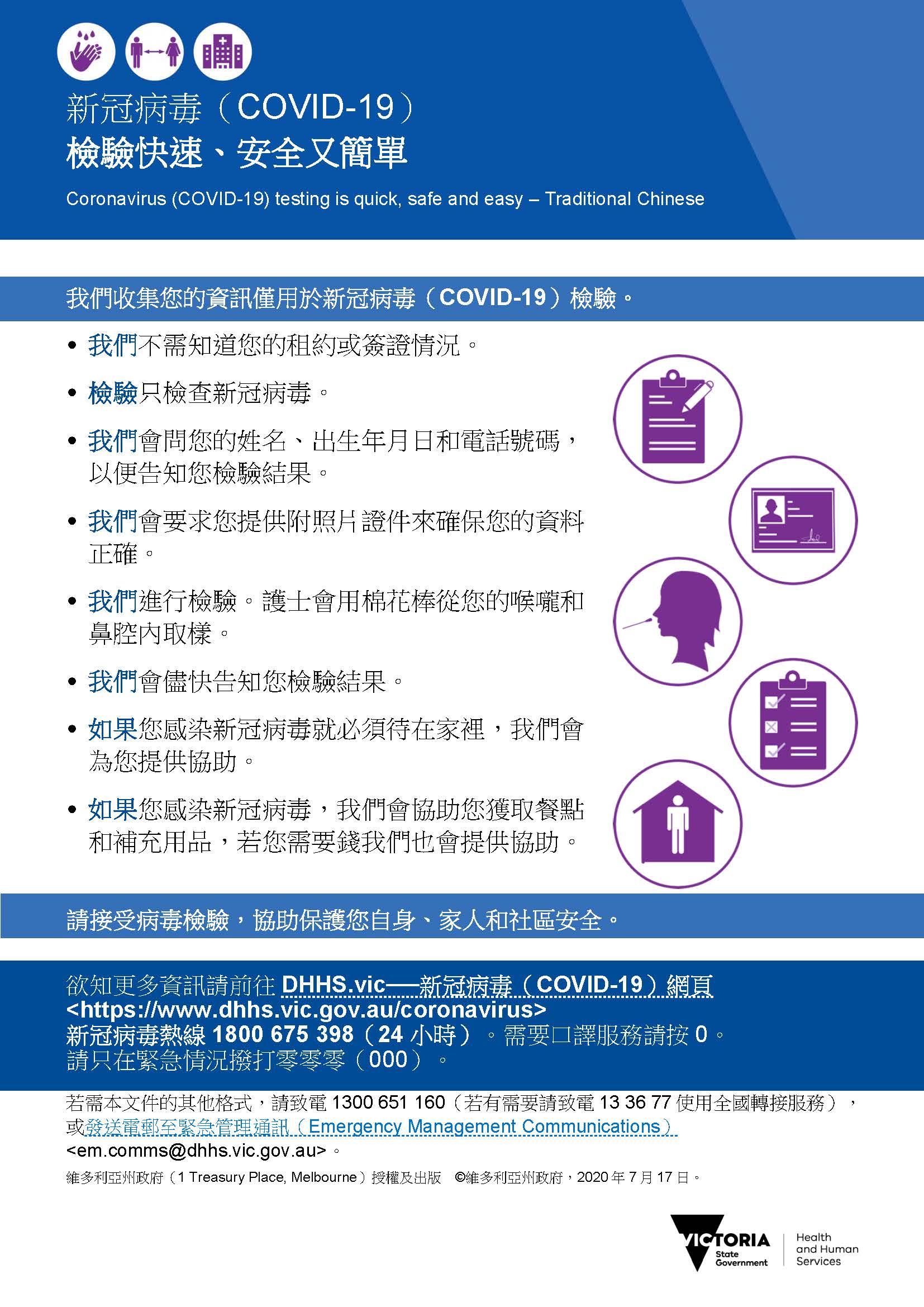
Uncategorized6 years agoCOVID-19 檢驗快速 安全又簡單
-
Uncategorized6 years ago
在最近的 COVID-19 應對行動中, 維多利亞州並非孤單
-

Cantonese - Traditional Chinese6 years ago保護您自己和家人 – 咳嗽和打噴嚏時請捂住