
National News
‘Emotional intimacy’ from AI chatbots would be banned under Australia’s digital duty of care laws

The federal government wants to ban AI chatbots which seek to create “emotional intimacy” after prime minister Albanese raised the alarm in a heartfelt speech about children treating these agents as their “best friend”.
But Labor is coming under increasing pressure to empower the telecommunications ombudsman to become a watchdog for social media and AI to give Australians an external complaints mechanism and allow the “naming and shaming” of big tech.
The digital duty of care bill passed the House of Representatives on Wednesday and will be debated by the Senate in coming weeks. The government hopes to pass the bill by the end of 2026, but its pathway through the upper house remains unclear. The Greens support the bill, while the Coalition has said it will not vote for it, though Labor still appears keen to win the opposition’s support and remains open to amendments.
The planned framework would apply new online safety standards to social media, games, apps and chatbots. Labor said it would place “an overarching obligation” on tech platforms “to provide a safe online environment for all Australians” and replace a range of existing online codes and standards with a broader duty-of-care requirement to protect users from certain “harmful” content. It would also require social media platforms to offer an “opt-out” feature for its algorithm and suggested content.
The communications minister, Anika Wells, has suggested content that that promotes misogyny, terrorism, suicide, self-harm and eating disorders would be captured by the laws. On Wednesday, the government accepted amendments from crossbencher Kate Chaney which would add certain AI chatbot activity to the list of harms, requiring platforms to ban “material or conduct that simulates emotional intimacy and encourages or fosters a child’s dependence on it in place of human relationships”.
The opposition voted against the bill in the House, alongside One Nation. Political opponents have accused Labor of an “Orwellian” system of “censorship” and of seeking to influence conversations online – claims Wells strongly denied. The bill now moves to the Senate, where the Greens have set up an inquiry to probe the laws due to report back in late November.

National News
Australia may be headed for recession according to economist

Australia’s unemployment rate has surged to its highest level in five years, raising concerns the Reserve Bank’s battle against inflation could tip the economy into recession.
But some economists say a unique recession indicator that tracks the speed unemployment is rising could be triggered as early as December if unemployment maintains its current rate of increase.
Australia’s jobless rate jumped to 4.9 per cent in October, to its highest level since 2021. It was higher than economists’ expectations. Almost 44,000 jobs were lost last month, leaving more than 750,000 Australians unemployed.
Australia has traditionally defined a “technical recession” as six months in a row of contracting economic output. However, when working with that definition, policymakers cannot confirm if an economy is in a technical recession for up to nine months after the recession has started. Some economists argue that that definition of a “technical recession” can also fail to reflect the damage that can occur from economic weakness or abrupt but short downturns.
Independent economist Saul Eslake said relying on GDP figures to identify a downturn meant “you’re really looking in the rear-vision mirror rather than in the windscreen in order to see what’s going on”, adding that the Sahm rule, which is a real-time recession indicator created by former Federal Reserve economist Claudia Sahm, provided a good early warning of a possible recession, preventing the need to wait for GDP figures to confirm a downturn months after the fact.
National News
Australia urged to wean off imported fossil fuels amid global supply shocks

The Grattan Institute has warned Australia imports too much of its fuel and that the country must brace for more global supply shocks – like those from the war in Iran.
Grattan’s fuel plan report, Fuelling the Future, warns this “leaves us dangerously exposed to supply disruptions and price hikes”. Under a plan already attracting criticism from business groups, Grattan urged diesel handouts to mining and primary industries be curbed in favour of incentives for electric trucks and a huge expansion of the EV charging network, especially when Australia imports 97% of its liquid fuel.
The report argues that the US-Israel war in Iran has driven up inflation and cost Australians nearly $18bn, and the federal government directly at least $3bn, creating an opportunity the government “should seize” to boost fuel security. Very little liquid fuel is produced or refined in Australia, with only two domestic oil refineries. But rather than boosting that number, Grattan says Australia should lower its reliance on imported fuels and fossil fuels generally by shifting towards EVs, including an ambitious target of 650,000 electric trucks nationwide by 2050.
Tania Constable, the chief executive of the Minerals Council of Australia, rejected the Grattan proposal, claiming that Australia should be focused on increasing domestic production, expanding refining capacity and building more resilient supply chains, in order to avoid increasing costs for miners, farmers, freight operators and regional businesses.
National News
Australia’s Unemployment Rate Hits Five-Year High

The latest data released Thursday by the Australian Bureau of Statistics (ABS) shows that Australia’s seasonally adjusted unemployment rate rose to 4.9% in October from 4.7% the previous month, marking the highest level in nearly five years.
The data indicates that while overall employment continued to grow slightly, the number of people seeking work increased further due to a high labor force participation rate, combined with businesses slowing their hiring pace amid rising borrowing costs and inflationary pressures.
Economists analyze that the cooling of the labor market reflects that the Reserve Bank of Australia’s (RBA) earlier interest rate hikes are gradually taking effect. Currently, Australia’s inflation rate remains at a relatively high level of 4.3%, and the RBA raised the official cash rate to 4.85% earlier this month to curb rising prices.
The Treasurer stated that the government is closely monitoring global economic uncertainties and the pressures that high interest rates are placing on households and businesses. He emphasized that the job market as a whole remains resilient and that the government will continue to support those affected by rising living costs through targeted measures.

Hong Kong security chief hits out at The Washington Post over ‘scaremongering’ op-ed by wanted activist
South Korean minister quits due to AI cheating scandal
Australia may be headed for recession according to economist
Australia urged to wean off imported fossil fuels amid global supply shocks
COP31 ends without deal after climate change talks break down

Cantonese Mango Sago
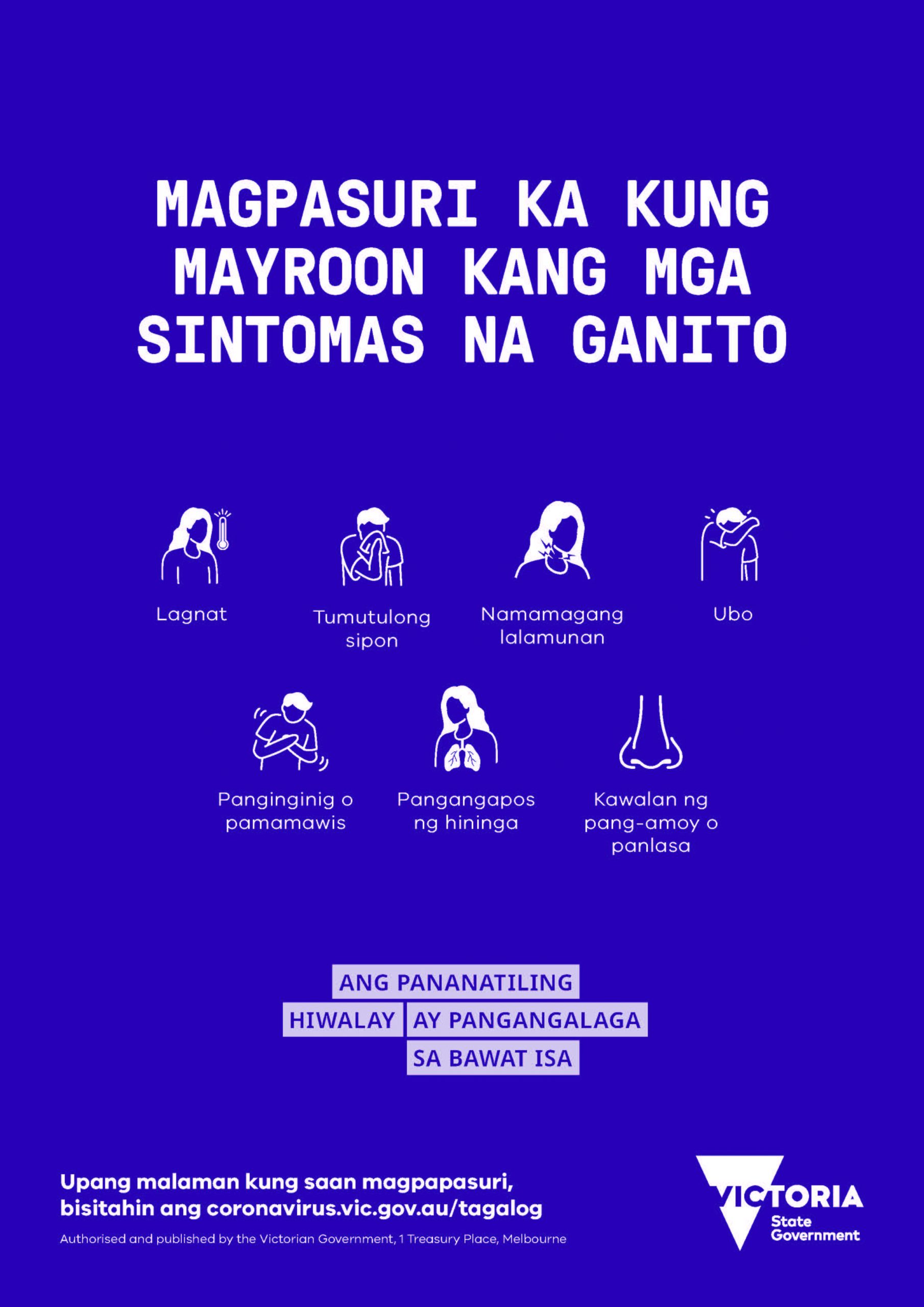
FILIPINO: Kung nakakaranas ka ng mga sumusunod na sintomas, mangyaring subukan.
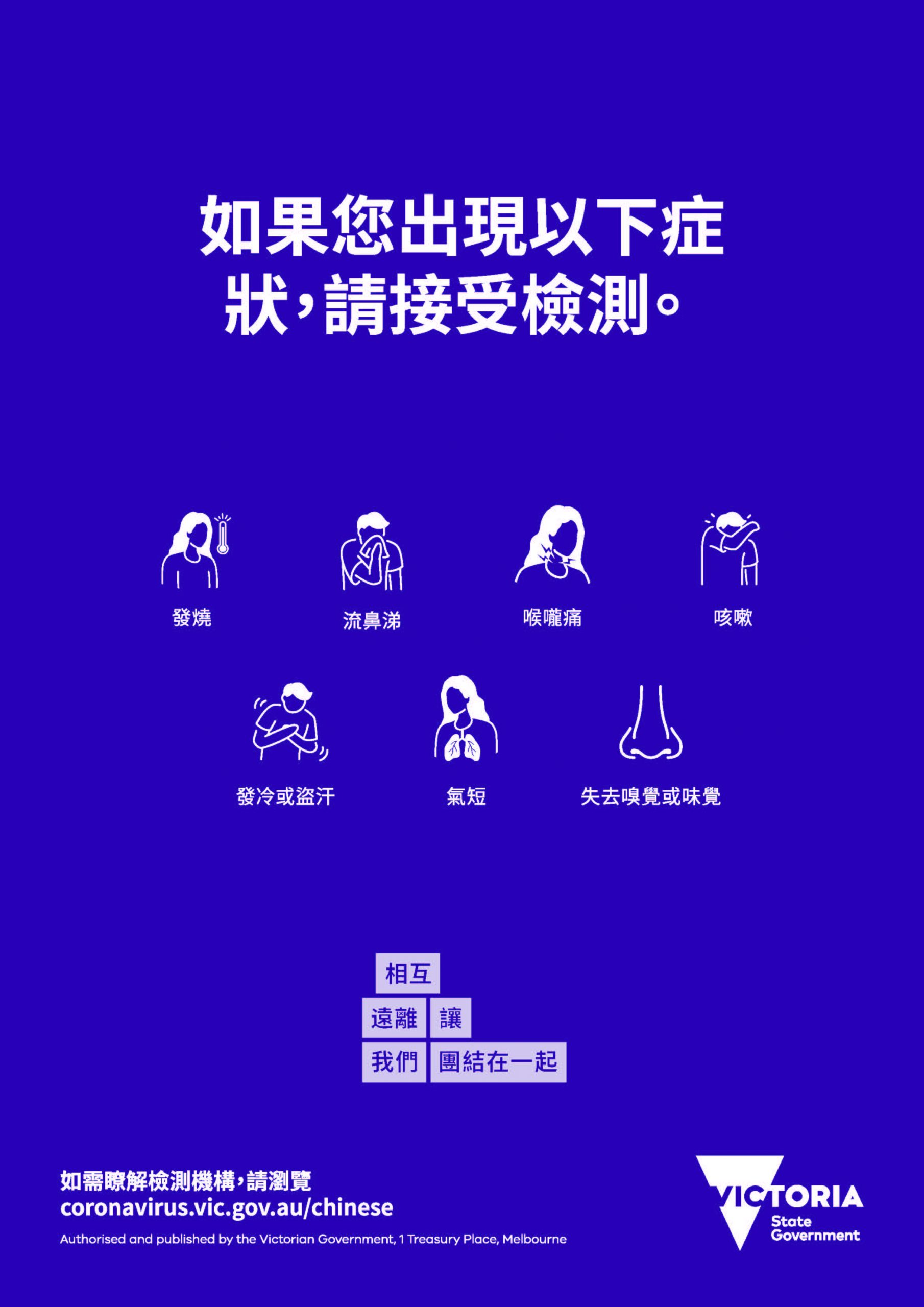
如果您出現以下症狀,請接受檢測。

How to wear a face mask 怎麼戴口罩
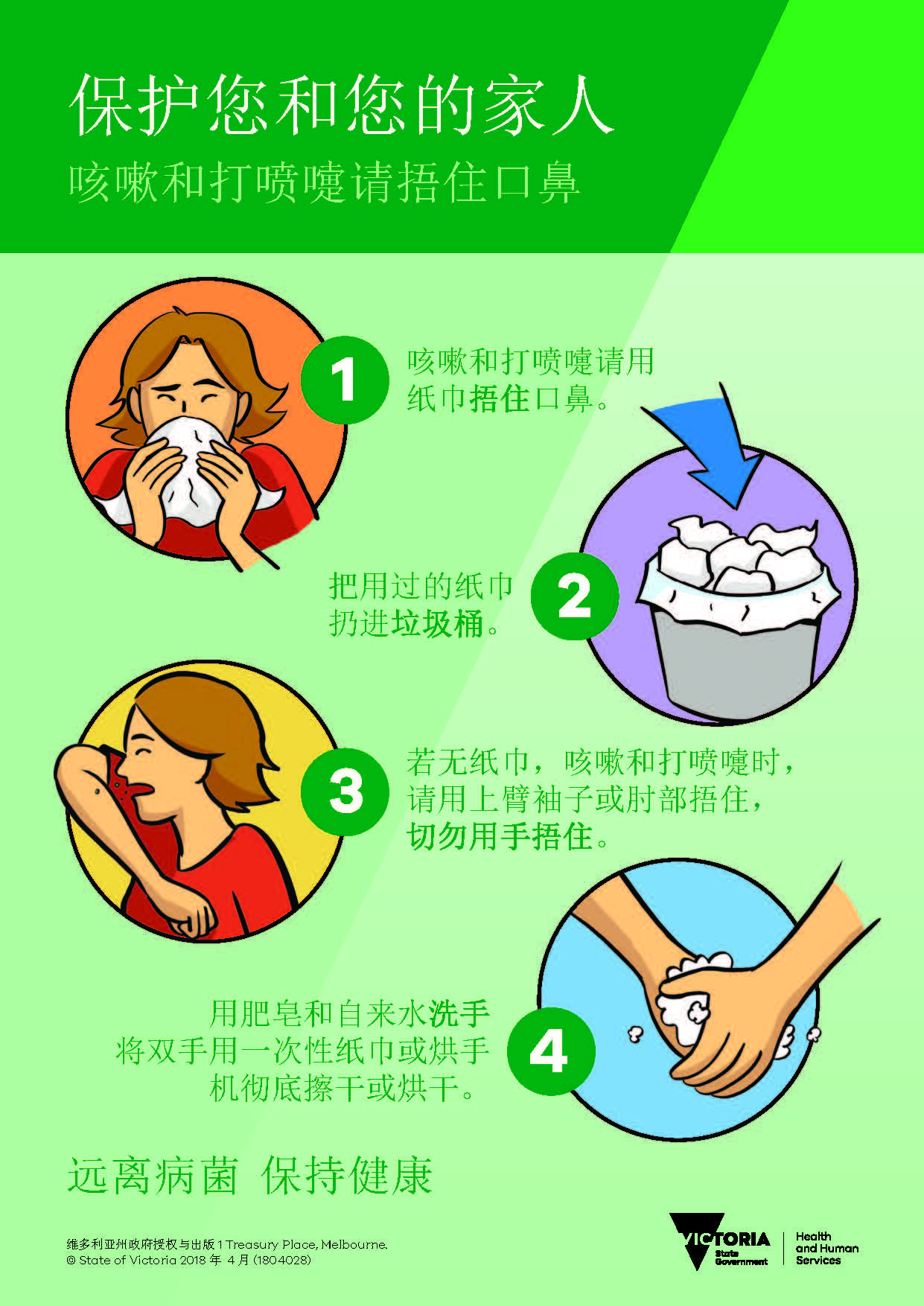
保护您自己和家人 – 咳嗽和打喷嚏时请捂住
UAE Fully Suspends Trade and Financial Ties with Iran
Victorian Liberal Candidate Counselled Over Volunteer Internship Program

Trump signs order banning “birth tourism” and further restricting birthright citizenship

SpaceX Rocket Debris Hits the Moon, Renewing Concerns Over Space Junk

Australia Sets New Standards for Men’s Behaviour Programs
-
 Cuisine Explorer6 years ago
Cantonese Mango Sago
-
Tagalog6 years ago
FILIPINO: Kung nakakaranas ka ng mga sumusunod na sintomas, mangyaring subukan.
-
Uncategorized6 years ago
如果您出現以下症狀,請接受檢測。
-
 Uncategorized6 years ago
How to wear a face mask 怎麼戴口罩
-
Cantonese - Traditional Chinese6 years ago
保护您自己和家人 – 咳嗽和打喷嚏时请捂住
-
 Uncategorized6 years ago
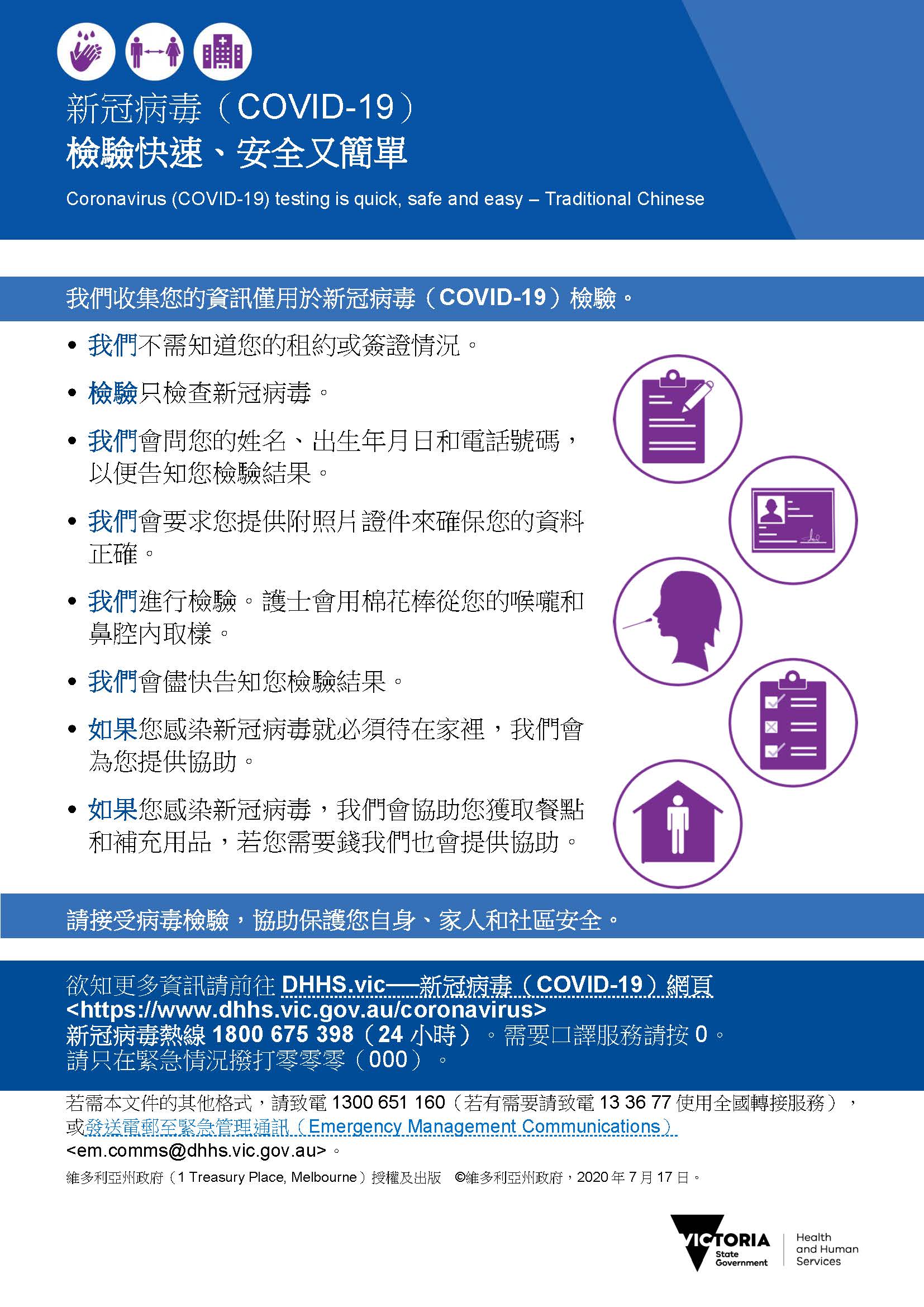
COVID-19 檢驗快速 安全又簡單
-
Uncategorized6 years ago
在最近的 COVID-19 應對行動中, 維多利亞州並非孤單
-
 Cantonese - Traditional Chinese6 years ago
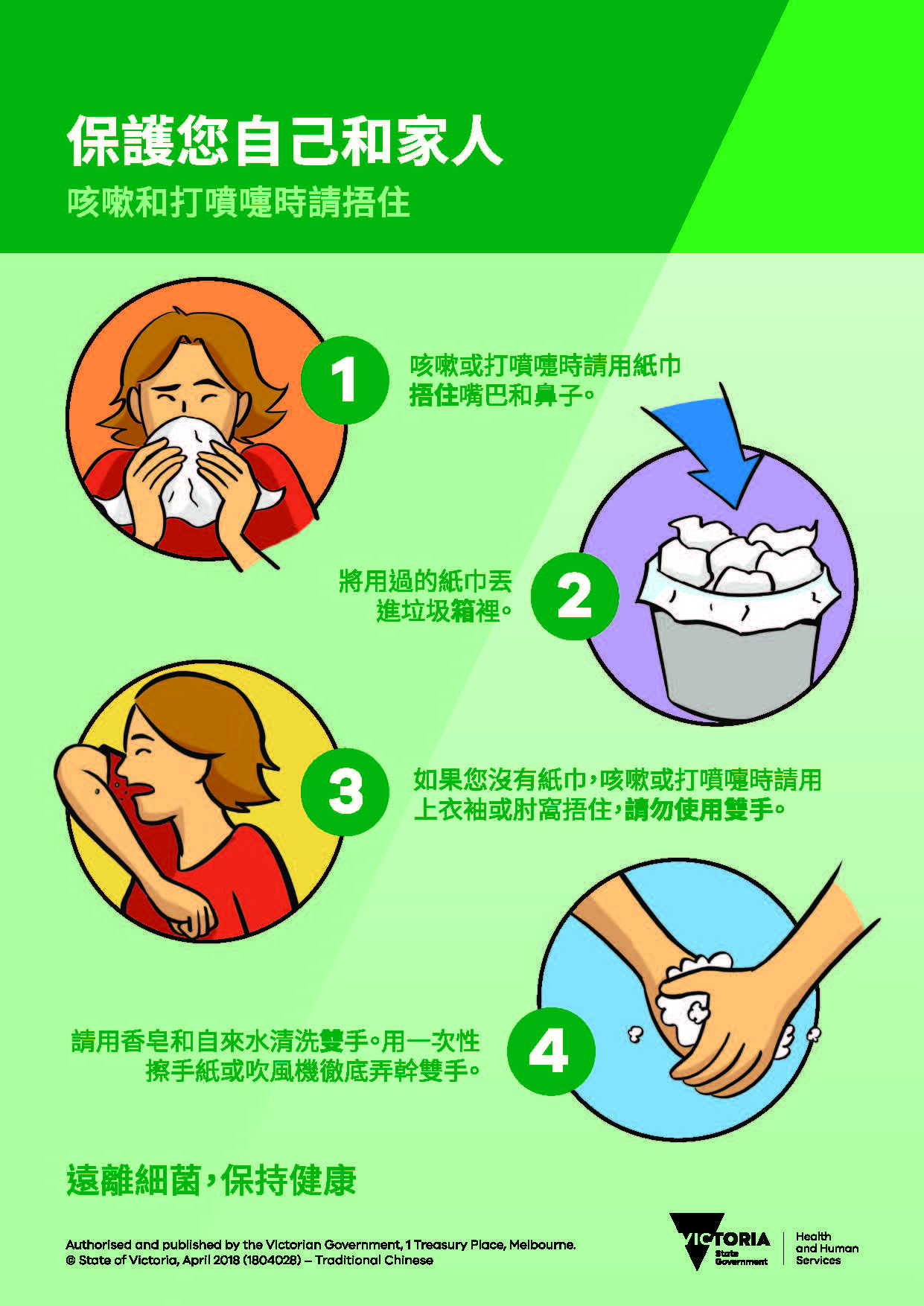
保護您自己和家人 – 咳嗽和打噴嚏時請捂住
