
National News
WA government seeks reimbursement from Deloitte over flawed university report

The Western Australian government has said it is “extremely disappointed” and is seeking an “expedited” cost recovery from the multinational consultancy firm Deloitte after errors were discovered in a report about a potential university merger, including AI-hallucinated references and hundreds of millions of dollars in cost discrepancies.
The Western Australia government paid Deloitte $166,000 for a feasibility study on merging the University of Western Australia, Curtin University and Murdoch University. Deloitte considered three merger options between the three universities, with “low”, “mid” and “high” cost scenarios, and broke down the calculations of those costs in the report’s appendix. Under the “high” cost scenario of a merger between Curtin and UWA, the report calculates the “total costs to day 1” as $514m, and “post day 1” over five years at $145m. The total cost of those two payments is $659m but the report wrote $399m – a $260m discrepancy.
Deloitte is already under pressure after it was revealed in the media this month that the same report contained hallucinated AI references, leading the state opposition to label it “AI slop”. The consultancy firm admits in its report it used generative AI to “support the collation of research, synthesis of information and editorial proofing” and had earlier dismissed the errors as “minor”.
A spokesperson for the WA government told Guardian Australia that the Department of Energy and Economic Diversification had written to Deloitte to expedite the cost recovery process for the report. Prof Stephen Bartos, an expert in public sector governance at the University of Canberra, said the errors discredited the report.

National News
Australia’s Unemployment Rate Hits Five-Year High

The latest data released Thursday by the Australian Bureau of Statistics (ABS) shows that Australia’s seasonally adjusted unemployment rate rose to 4.9% in October from 4.7% the previous month, marking the highest level in nearly five years.
The data indicates that while overall employment continued to grow slightly, the number of people seeking work increased further due to a high labor force participation rate, combined with businesses slowing their hiring pace amid rising borrowing costs and inflationary pressures.
Economists analyze that the cooling of the labor market reflects that the Reserve Bank of Australia’s (RBA) earlier interest rate hikes are gradually taking effect. Currently, Australia’s inflation rate remains at a relatively high level of 4.3%, and the RBA raised the official cash rate to 4.85% earlier this month to curb rising prices.
The Treasurer stated that the government is closely monitoring global economic uncertainties and the pressures that high interest rates are placing on households and businesses. He emphasized that the job market as a whole remains resilient and that the government will continue to support those affected by rising living costs through targeted measures.
National News
Data centre pollution warned to rival coal power stations

Australia’s rapid data centre rollout could add 39 million tonnes of greenhouse gases into the atmosphere in a decade if allowed to be powered primarily by fossil fuels, the Climate Council has warned.
This is based on nine proposed data centres the report identifies as the biggest potential polluters because of their electricity demand, which is roughly the same as the annual emissions of a country like Sweden.
Australia currently has around 165 operational data centres, making it one of the top five locations around the globe even before a series of hyper-scale data centres have been developed. The energy market operator forecasts that within a decade, data centres could use as much electricity as nearly all the homes in New South Wales and Victoria today.
Climate Council chief executive Amanda McKenzie said the demand by the artificial intelligence expansion could set back Australia’s climate targets, and Australia needed mandatory national standards that would require large projects to bring on new renewable energy and storage within three years of approvals.
The federal government is expected to introduce legislation for large data centres and AI infrastructure early next year, with developers expected to bring on their own new clean energy to match their demand.
National News
Albanese defies critics for Apec summit photo with Putin

Albanese has appeared in a leaders’ photo with Vladimir Putin at the Apec summit in China, despite Australia’s Ukrainian community urging the prime minister to protest against the ongoing Russia-Ukraine war.
After arriving in the Chinese tech capital, Shenzhen, on Wednesday, Albanese said he would respect the wishes of China as the hosts of this week’s Asia-Pacific Economic Cooperation summit and take part in the photo. He appeared in a group shot that included Putin, the US president, Donald Trump, and China’s Xi Jinping at the summit banquet on Wednesday night. The traditional leaders’ group photo is due to be taken on Thursday morning.
It is the first time Putin has had a place at the forefront of a grouping of world leaders in nearly a decade. Other leaders including Canada’s Mark Carney said they would take part, despite foreign affairs ministers at this month’s G20 talks in the United States refusing to pose with Russia’s Sergei Lavrov.
Don Rothwell, a professor of international law at Australian National University, said posing with Putin risked undermining trust in the international criminal court, where the Russian has been indicted as a war criminal over his invasion of Ukraine and the four-year war. The Australian Federation of Ukrainian Organisations chairwoman, Kateryna Argyrou, had urged Albanese to boycott the event.

Hong Kong whistleblower of student app scandal charged with doxxing
EU ‘to close door’ to talks on long-term UK ties until Burnham has decided on Brexit
Australia’s Unemployment Rate Hits Five-Year High
Data centre pollution warned to rival coal power stations
Albanese defies critics for Apec summit photo with Putin

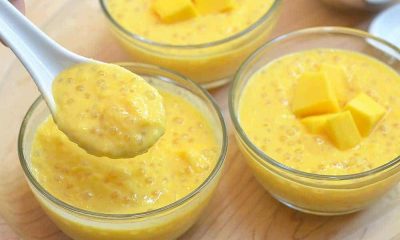
Cantonese Mango Sago
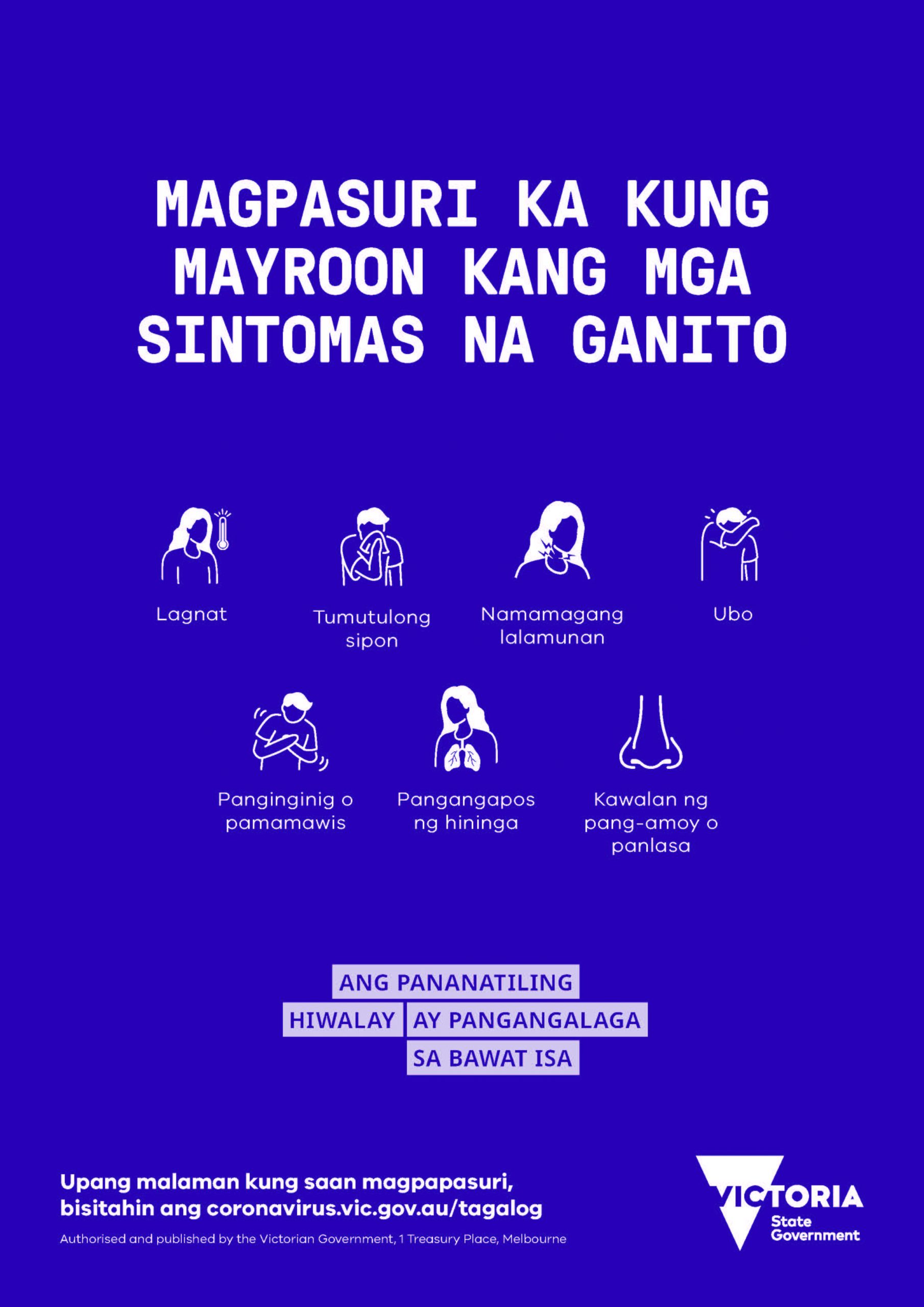
FILIPINO: Kung nakakaranas ka ng mga sumusunod na sintomas, mangyaring subukan.
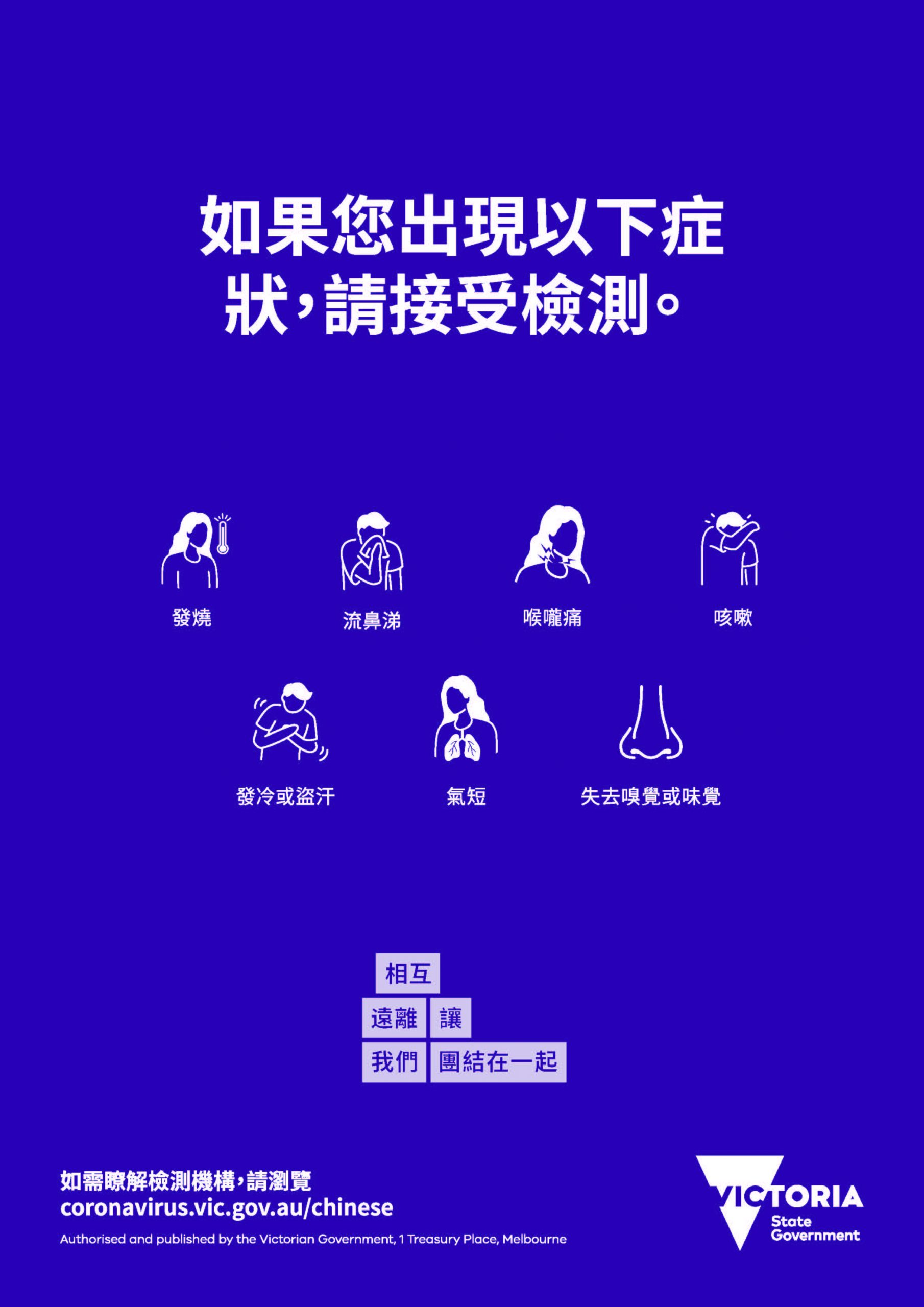
如果您出現以下症狀,請接受檢測。

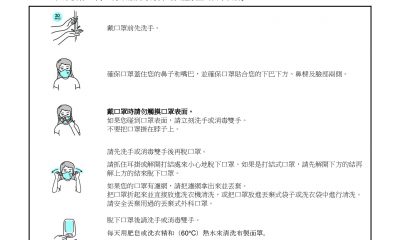
How to wear a face mask 怎麼戴口罩
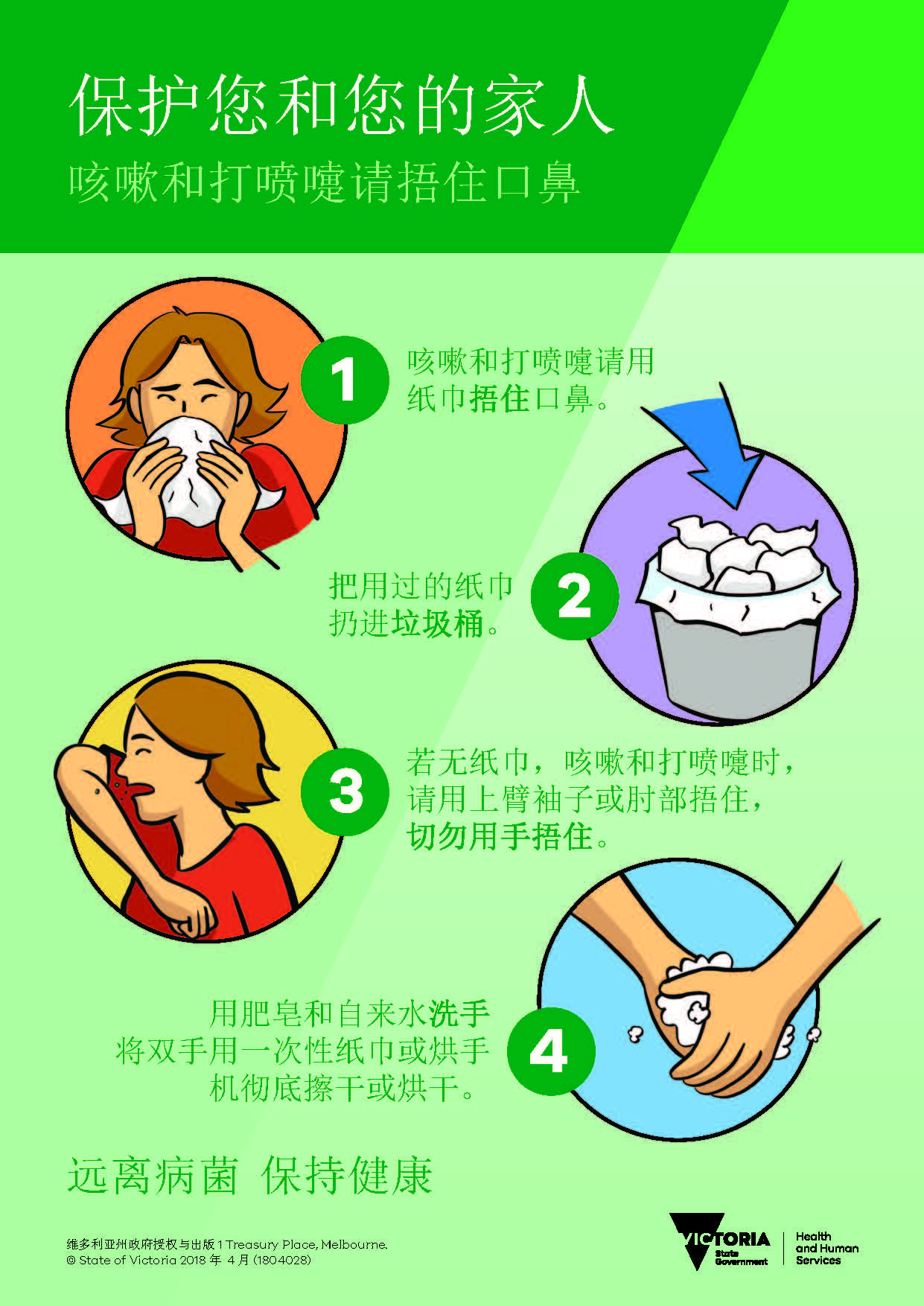
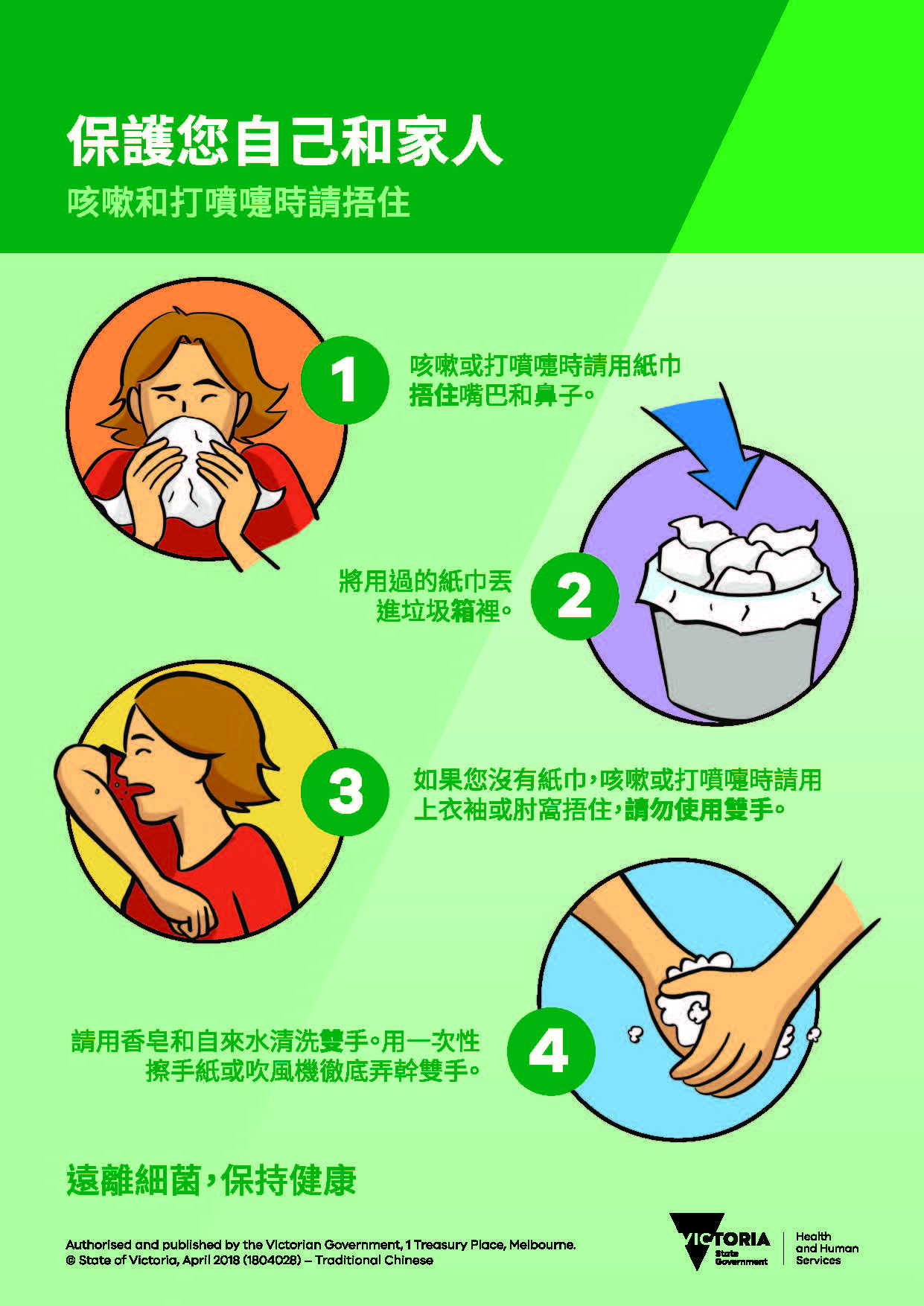
保护您自己和家人 – 咳嗽和打喷嚏时请捂住
UAE Fully Suspends Trade and Financial Ties with Iran
Victorian Liberal Candidate Counselled Over Volunteer Internship Program

Trump signs order banning “birth tourism” and further restricting birthright citizenship

SpaceX Rocket Debris Hits the Moon, Renewing Concerns Over Space Junk

Australia Sets New Standards for Men’s Behaviour Programs
-
 Cuisine Explorer6 years ago
Cantonese Mango Sago
-
Tagalog6 years ago
FILIPINO: Kung nakakaranas ka ng mga sumusunod na sintomas, mangyaring subukan.
-
Uncategorized6 years ago
如果您出現以下症狀,請接受檢測。
-
 Uncategorized6 years ago
How to wear a face mask 怎麼戴口罩
-
Cantonese - Traditional Chinese6 years ago
保护您自己和家人 – 咳嗽和打喷嚏时请捂住
-
 Uncategorized6 years ago
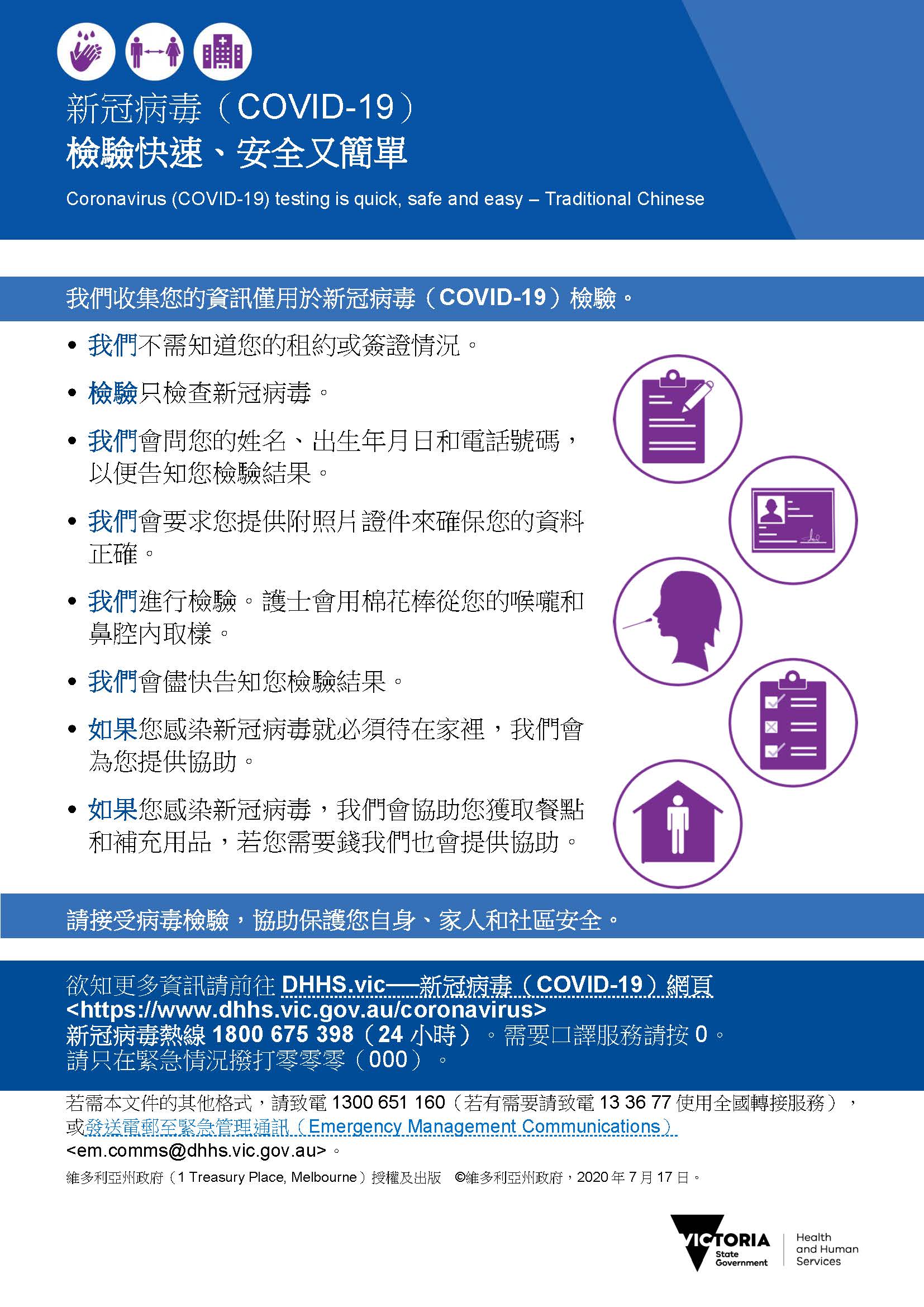
COVID-19 檢驗快速 安全又簡單
-
Uncategorized6 years ago
在最近的 COVID-19 應對行動中, 維多利亞州並非孤單
-
 Cantonese - Traditional Chinese6 years ago
保護您自己和家人 – 咳嗽和打噴嚏時請捂住
