Connect with us

Daily News

Australian right-to-disconnect laws come into effect

Published

on

Article/Blessing CALD Editorial;Photo/Internet

Australia’s new right-to-disconnect laws, which allow workers to ignore work-related calls or emails outside paid hours, came into effect on Monday.

The news laws aim to ensure employees are compensated for all work time, addressing the unpaid work done by workers who are ‘off the clock’.

According to the Australia Institute, this figure amounts to an average of 5.4 hours a week per worker.

The laws exclude emergencies and high-income earners and also won’t apply to small businesses for another year.

The rules have sparked political debate, with Opposition Leader Peter Dutton pledging to repeal them if elected.

Critics argue the laws could increase red tape and reduce productivity, while supporters believe they will improve work-life balance and reduce mental health claims.

Businesses have been urged to prepare for the new laws by reviewing policies and ensuring clarity on the new rules, in order to avoid legal consequences.

Continue Reading

Daily News

Southeast Asia Floods Leave More Than 1,300 Dead

Published

on

Southeast Asia has been hit by consecutive cyclones and storm systems in recent days, triggering severe floods and landslides across Indonesia, Sri Lanka, and Thailand. The disaster continues to worsen, with the death toll surpassing 1,300 and hundreds more residents missing. Rescue operations are still under way.

Indonesia has suffered the most severe impact. A rare equatorial cyclone caused massive flooding across Sumatra. According to updated official figures, the national death toll has been revised from 753 to 712, with more than 500 people still missing. Across three provinces, around 1.2 million residents have been forced to evacuate.

In Langkat, North Sumatra, large numbers of houses have been destroyed, and entire villages were swallowed by mud and water. Many survivors have returned to inspect what is left of their homes, with some saying the villages they had lived in all their lives had completely vanished, and all daily belongings were buried in mud. Many residents are still sheltering in roadside mosques and temporary camps. They accuse local authorities of failing to provide adequate food, medical supplies, or assistance. Some reported residents fighting over small amounts of instant noodles and eggs.

In Sri Lanka, about 218,000 people are staying in temporary shelters, and the death toll has risen to 465. Thailand has reported 176 deaths. Millions of people across the region have been affected, with major damage to infrastructure and agriculture.

As conditions worsen, Indonesian president Prabowo is under increasing pressure to declare a national emergency, though he has not yet done so. During a visit to the disaster zone, Prabowo pledged to rebuild infrastructure and urged local governments to respond more proactively to climate change. However, many disaster victims remain unconvinced, saying government promises do not address their urgent needs. One villager appealed directly to the president: “Our homes have been washed away — we have nowhere to live now.”

Continue Reading

Daily News

US–Russia Talks Fail to Yield Results; No Progress in the Russia–Ukraine War

Published

on

After US envoys Steve Witkoff and Jared Kushner held talks in Moscow with Russian president Vladimir Putin, the Kremlin announced that there had been “no further progress” toward ending the war in Ukraine, with no breakthrough on core issues. Senior Kremlin official Yuri Ushakov said that as the details of the negotiations remain undisclosed, substantial progress was limited — especially with no sign of compromise on territorial matters.

Before the meeting, Putin issued a stern warning to Europe, saying that if Europe “seeks war,” Russia is “ready,” and he criticised Europe’s counterproposals as “completely unacceptable.” These counterproposals were made in response to the “updated peace framework” that the US and Ukraine presented in Geneva last week. A previously leaked package of “28 US proposals” had called for Ukraine to make territorial concessions, sparking strong backlash from Europe and Kyiv.

The Trump administration has made several attempts in recent months to push for negotiations, including a Putin–Trump summit in Alaska in August and talks with Ukrainian president Volodymyr Zelenskiy, but none have produced meaningful progress. Zelenskiy has insisted that Ukraine needs a “peace with dignity” and reiterated that Russian aggression must not be rewarded.

On the battlefield, Putin claimed that Russian forces had captured the strategic eastern Ukrainian city of Pokrovsk, though this claim has not been independently verified. The UK Foreign Office estimates that nearly 100,000 Russian soldiers have been killed or wounded in the surrounding area over the past year. The city, which had a prewar population of around 60,000, has long been regarded as a key logistics hub for Ukrainian forces and is now largely reduced to ruins and empty buildings.

Continue Reading

Daily News

Chinese Beverage Chains Flood Into Hong Kong and Other Global Cities
Published

on

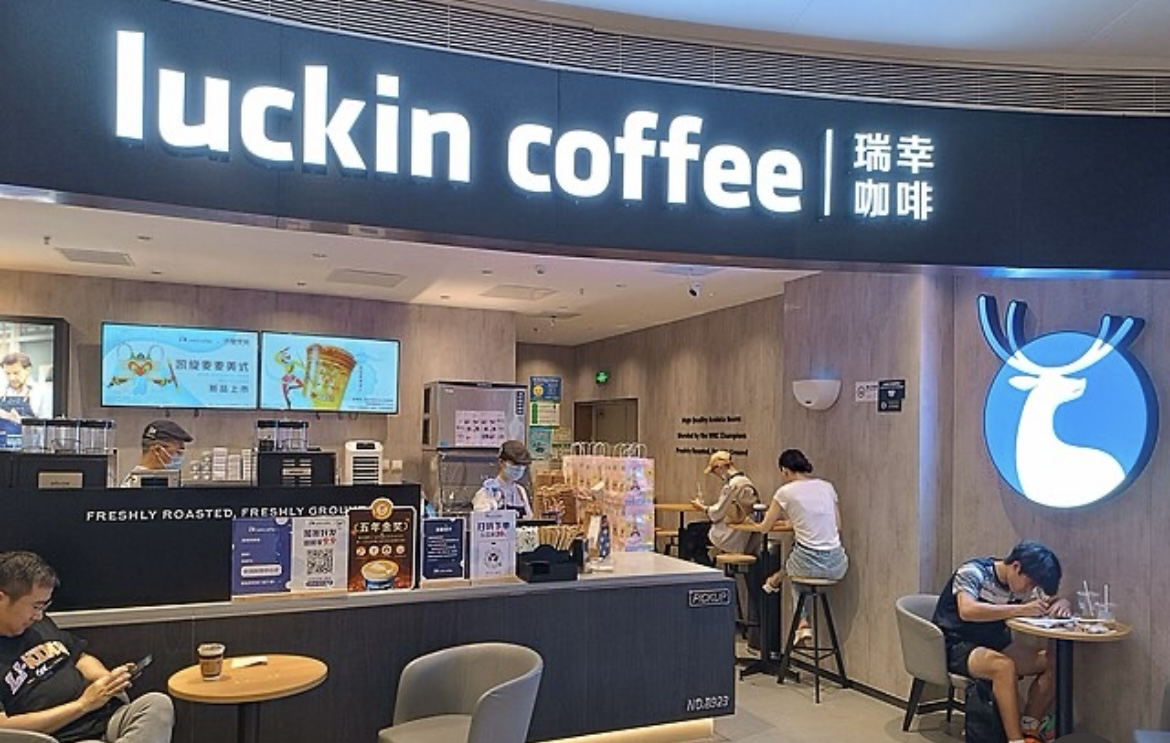
According to the BBC, Chinese coffee and tea chains are rapidly expanding into major cities around the world. Luckin Coffee, after entering Singapore in 2023, accelerated its expansion and opened five stores in Hong Kong on the same day in late 2024. In 2025, it further expanded into Central Hong Kong and New York’s Manhattan, with more than 20 outlets in Hong Kong by the end of the year. Its aggressive low-price strategy stands out: in Hong Kong, first-time users can get their first cup for just HK$15.9 — far below the HK$40-plus price of a medium latte at Starbucks. In some locations, Starbucks stores have closed and been replaced by new-style Chinese tea brands.

Luckin’s expansion strategy centres on a “takeaway-focused mini-store” model, relying on app-based ordering, cashier-less operations, and dense store placement to reduce costs. Experts note that as the Chinese domestic market nears saturation, overseas markets have become the main source of growth. In the US, Luckin is also offering a US$1.99 first-cup discount and introducing more localised products to boost competitiveness.

Other Chinese brands are expanding quickly as well. Mixue Bingcheng has opened nearly 5,000 overseas stores across more than ten countries; ChaBaiDao (TeaBae) has opened over 200 outlets in Malaysia and is increasing its market share in Southeast Asia through digitalised operations and low-price strategies.

Experts say the core appeal of these Chinese brands overseas lies in their “value for money” and “rapid product iteration.” Compared with Starbucks’ emphasis on the “third space,” Chinese brands better align with young consumers’ habits of “takeaway and on-the-go consumption.”

Continue Reading

Trending