
National News
NDIS Reforms Leave People with Disabilities Stuck in Hospitals

Several Australians with disabilities have been forced to remain in hospital beds due to funding cuts under the National Disability Insurance Scheme (NDIS), even though they are medically ready for discharge.
Emily Livingstone from Western Australia, who has relapsing-remitting multiple sclerosis, could have been discharged, but her new NDIS support plan only allocates two hours of daily living assistance per day, insufficient for safe independent living in the community. Livingstone described feeling “like being in prison,” with her physical condition deteriorating due to prolonged hospitalization and lack of appropriate daily support.
The National Disability Insurance Agency (NDIA) responded that while some participants face challenges, the NDIS is designed to supplement mainstream services (such as housing) rather than replace them. State and territory governments remain responsible for services for the homeless and provision of temporary or long-term housing.
As of March 31, 2024, 2,689 NDIS participants nationwide remained hospitalized, of whom more than 1,125 (over 40%) were medically ready for discharge but could not leave due to lack of home support or suitable placements. By June 2025, the average wait from medical clearance to actual discharge was approximately 16 days. The situation is partly due to legislative reforms at the end of 2024, which revised certain disability definitions and participant plan reassessment processes, resulting in substantial reductions in support hours. Advocates warn this could force participants into group homes, prolonged hospitalization, or even life-threatening situations.

Daily News
NDIS Plans to Be Computer-Generated

Daily News
Victorian Government U-Turns, to Criminalize “Coercive Control”

National News
Victoria Police Admit Eight Years of Illegal Weapons Searches

A Short Break Before Continuing the Journey
A Glimmer of Hope Amid Disaster
Tai Po Inferno Was a Man-Made Disaster
One Year Countdown: Support for Both Major Parties Declines – Where Is the 2026 Victorian Election Heading?

Southeast Asia Floods Leave More Than 1,300 Dead

Fraudulent ivermectin studies open up new battleground

Cantonese Mango Sago
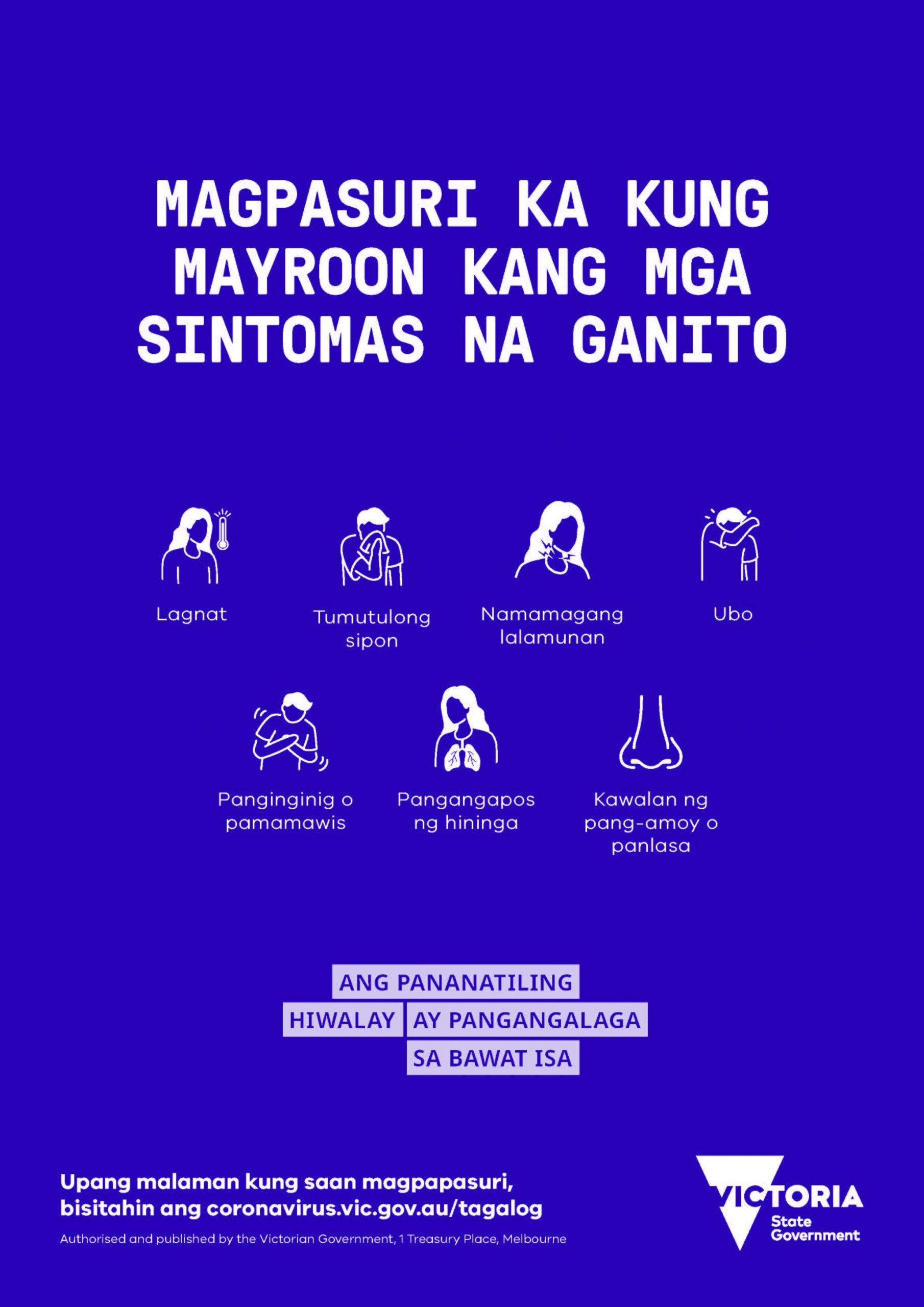
FILIPINO: Kung nakakaranas ka ng mga sumusunod na sintomas, mangyaring subukan.
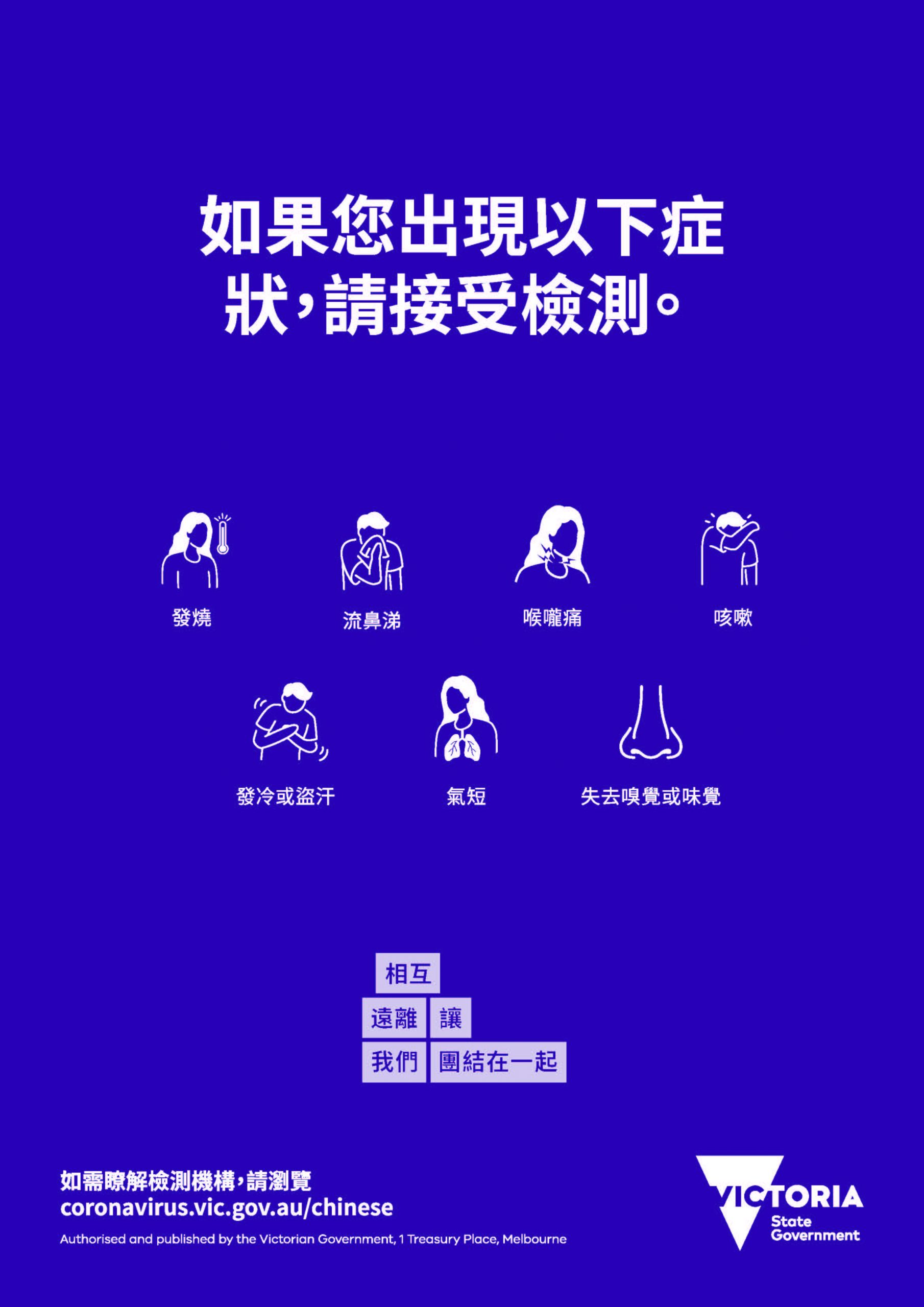
如果您出現以下症狀,請接受檢測。
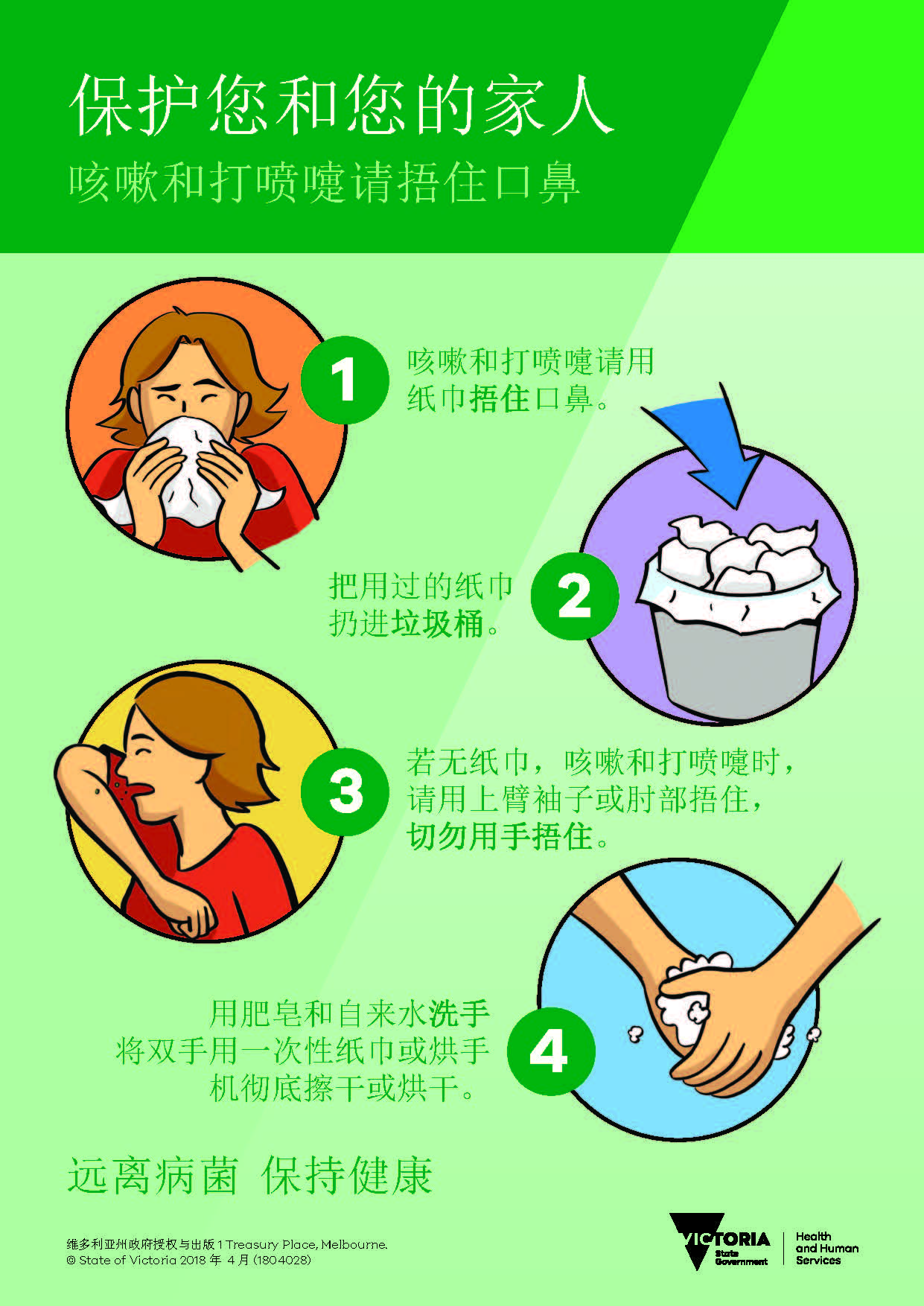
保护您自己和家人 – 咳嗽和打喷嚏时请捂住
Southeast Asia Floods Leave More Than 1,300 Dead

US–Russia Talks Fail to Yield Results; No Progress in the Russia–Ukraine War

Chinese Beverage Chains Flood Into Hong Kong and Other Global Cities

NDIS Plans to Be Computer-Generated

China and Russia Jointly Pledge to Firmly Resist Japanese Militarism
-
 COVID-19 Around the World4 years ago
Fraudulent ivermectin studies open up new battleground
-
 Cuisine Explorer5 years ago
Cantonese Mango Sago
-
Tagalog5 years ago
FILIPINO: Kung nakakaranas ka ng mga sumusunod na sintomas, mangyaring subukan.
-
Uncategorized5 years ago
如果您出現以下症狀,請接受檢測。
-
Cantonese - Traditional Chinese5 years ago
保护您自己和家人 – 咳嗽和打喷嚏时请捂住
-
 Uncategorized5 years ago
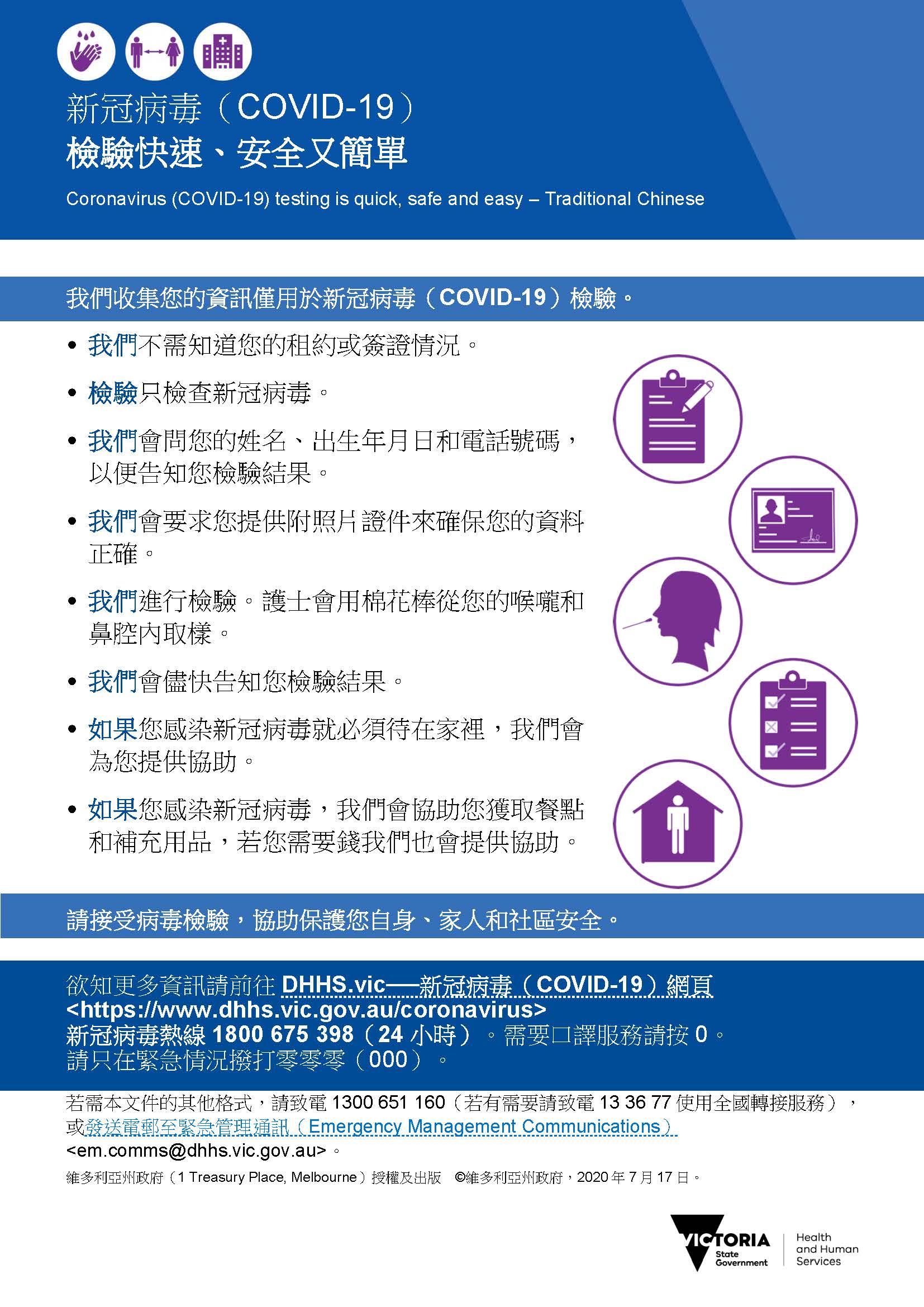
COVID-19 檢驗快速 安全又簡單
-
 Uncategorized5 years ago
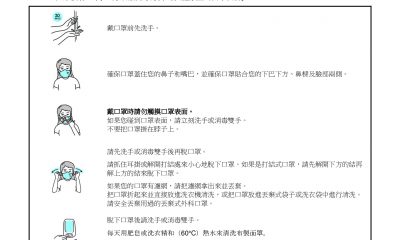
How to wear a face mask 怎麼戴口罩
-
Uncategorized5 years ago
在最近的 COVID-19 應對行動中, 維多利亞州並非孤單
