
National News
New South Wales Anti-Protest Law Ruled Unconstitutional

On October 16, 2025, the New South Wales Supreme Court ruled that a law granting police expanded powers to disperse protesters near places of worship was unconstitutional.
The ruling followed a challenge by the Palestine Action Group (PAG) against the state government’s new law passed in February 2025. PAG’s lawyers argued that the vague wording of the law made it difficult for both protesters and law enforcement to clearly understand its scope. As a result, many people might self-censor and refrain from political protests in public spaces for fear of being removed or charged.
The law was part of a broader set of reforms introduced by the state government in response to recent antisemitic incidents. One provision prohibited obstructing the entrances of places of worship or harassing, threatening, or intimidating people entering these places, with violations carrying a maximum two-year prison sentence. The law also gave police “move-on” powers near or inside places of worship, regardless of whether the protest targeted the religious site itself.
Justice Anna Mitchelmore ruled that the law placed an “impermissible burden” on the freedom of political communication implied in the Australian Constitution. The “in or near” move-on powers were not limited to protests directed at the religious site, making the law overly broad and creating a chilling effect on lawful protests.
The state argued that the law had an “obvious and legitimate purpose” of protecting worshippers from verbal or physical harassment, threats, or intimidation. Michael Sexton SC, representing New South Wales, contended that the “in or near” wording applied only to protests directly targeting the site. However, Mitchelmore noted that the law was aimed at protests in general, not only those involving an immediate threat or harassment. In areas of civic significance, such as Town Hall or Hyde Park, protest routes often pass close to places of worship, and the law imposed burdens beyond what the Constitution permits.
PAG spokesperson Josh Lees said after the ruling that the group had never staged protests targeting religious sites, and the law extended police powers to any protest near such locations. NSW Greens MP Sue Higginson criticized the government for overreaching and restricting civil liberties under a climate of panic.

Daily News
NDIS Plans to Be Computer-Generated

Daily News
Victorian Government U-Turns, to Criminalize “Coercive Control”

National News
Victoria Police Admit Eight Years of Illegal Weapons Searches

A Short Break Before Continuing the Journey
A Glimmer of Hope Amid Disaster
Tai Po Inferno Was a Man-Made Disaster
One Year Countdown: Support for Both Major Parties Declines – Where Is the 2026 Victorian Election Heading?

Southeast Asia Floods Leave More Than 1,300 Dead

Fraudulent ivermectin studies open up new battleground

Cantonese Mango Sago
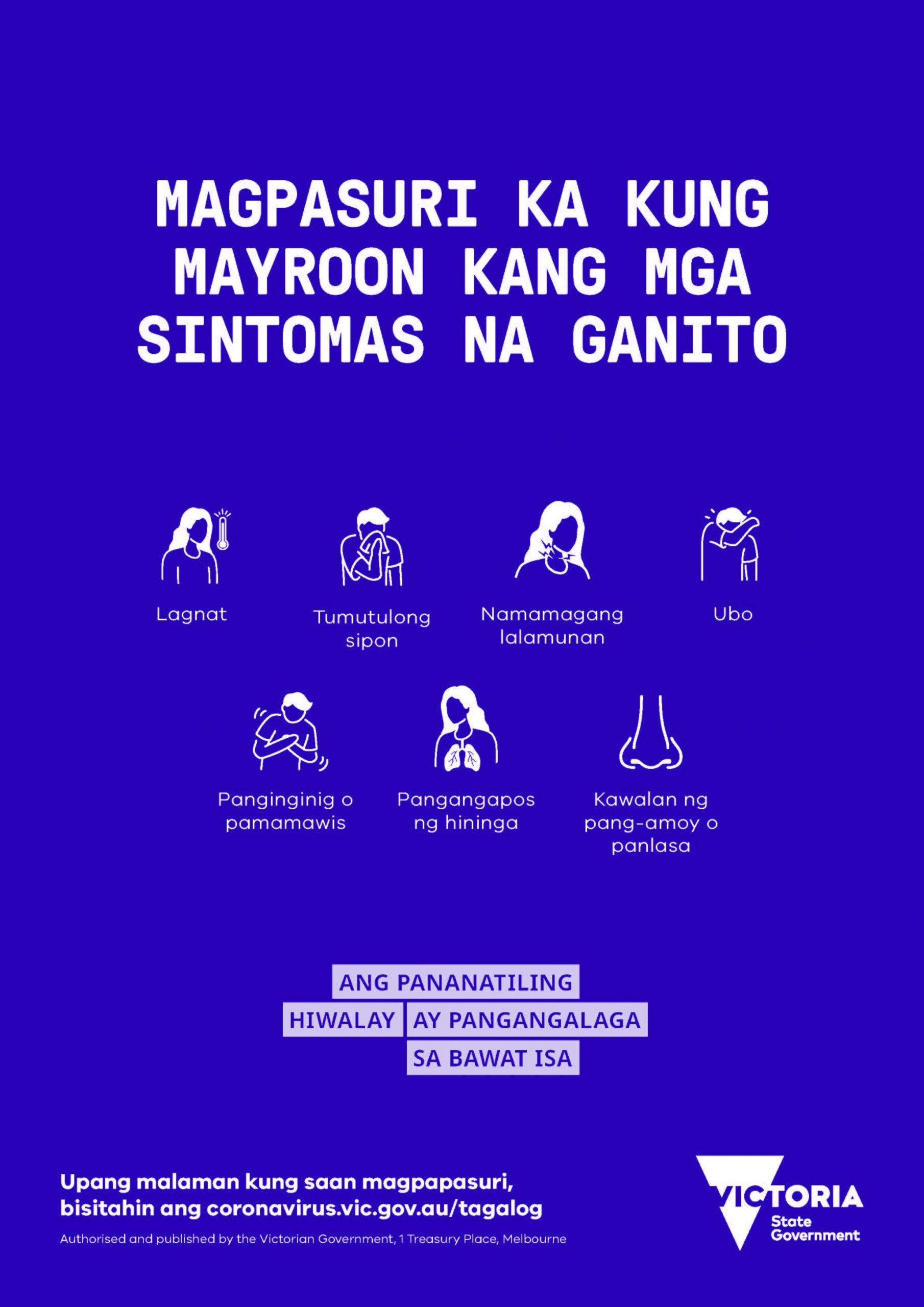
FILIPINO: Kung nakakaranas ka ng mga sumusunod na sintomas, mangyaring subukan.

如果您出現以下症狀,請接受檢測。

保护您自己和家人 – 咳嗽和打喷嚏时请捂住
Southeast Asia Floods Leave More Than 1,300 Dead

US–Russia Talks Fail to Yield Results; No Progress in the Russia–Ukraine War

Chinese Beverage Chains Flood Into Hong Kong and Other Global Cities

NDIS Plans to Be Computer-Generated

China and Russia Jointly Pledge to Firmly Resist Japanese Militarism
-
 COVID-19 Around the World4 years ago
Fraudulent ivermectin studies open up new battleground
-
 Cuisine Explorer5 years ago
Cantonese Mango Sago
-
Tagalog5 years ago
FILIPINO: Kung nakakaranas ka ng mga sumusunod na sintomas, mangyaring subukan.
-
Uncategorized5 years ago
如果您出現以下症狀,請接受檢測。
-
Cantonese - Traditional Chinese5 years ago
保护您自己和家人 – 咳嗽和打喷嚏时请捂住
-
 Uncategorized5 years ago
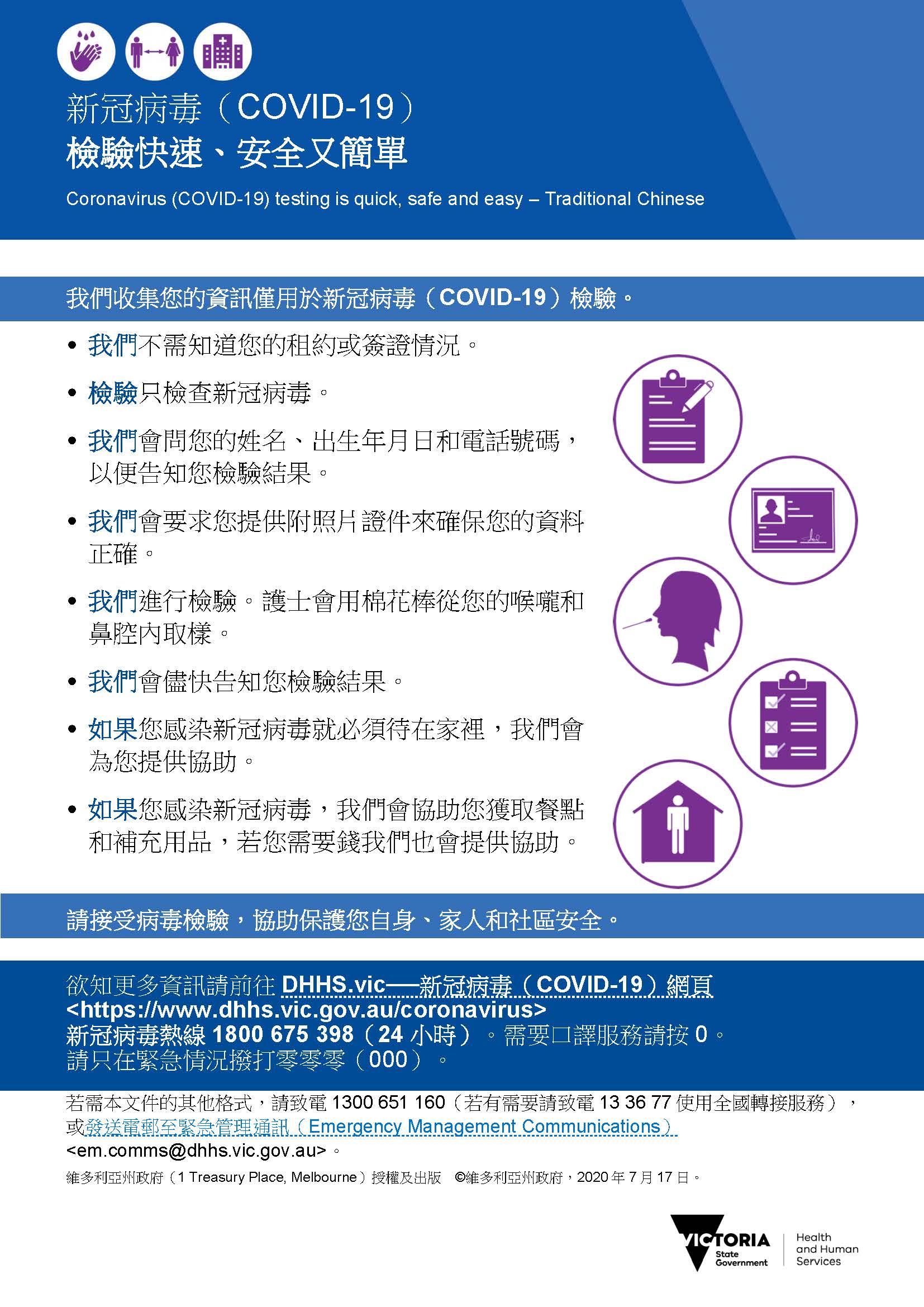
COVID-19 檢驗快速 安全又簡單
-
 Uncategorized5 years ago
How to wear a face mask 怎麼戴口罩
-
Uncategorized5 years ago
在最近的 COVID-19 應對行動中, 維多利亞州並非孤單
