
World News
China’s economic growth driven by AI boom

Roaring exports lifted China’s economic growth in the third quarter of this year, with factory output growing much faster than consumer spending.
China’s gross domestic product grew by 4.5% year-on-year between July and September, according to the National Bureau of Statistics, beating economists’ expectations and improving from the second quarter’s 4.3% growth rate. This performance brings China’s growth for the first nine months of the year to 4.6%, keeping the country on track to hit its official annual target of 4.5% to 5% without needing extra stimulus measures. The surge was largely driven by a global boom in artificial intelligence and electronics, which propelled manufacturing output and helped offset ongoing weakness in domestic consumption and the real estate sector.
Digging deeper into the sectoral breakdown, industrial production rose by 5.5% in September alone—accelerating from August’s 5.2%—while retail sales crawled up by a mere 1.1%, reflecting stubbornly sluggish domestic demand. Analysts at Pantheon Macroeconomics and ABN Amro noted that high-tech manufacturing, particularly electronics and AI-related hardware, expanded by a robust 6% year-on-year, highlighting China’s ongoing transition up the global value-added ladder.
However, this export-led manufacturing strength starkly contrasted with continued heavy domestic drags: fixed-asset investment fell by 7.2% over the first nine months, property investment cratered by 20.6%, and infrastructure spending remained weak. While the external tech and AI boom successfully cushioned the blow from a deeply depressed property market and weak local consumer confidence, economists caution that the long-term structural reliance on exports over domestic consumption leaves the economic recovery unbalanced.

World News
Deaths from float crushes raise safety concerns over Japanese festivals

Growing safety concerns have emerged surrounding Japan’s traditional festivals following a series of fatal accidents involving heavy festival floats.
Akihiro Nabae, the 62-year-old deputy mayor of Saijo in western Japan, tragically died on Saturday after becoming trapped beneath a giant float during an autumn festival. This incident occurred just days after two men were killed in similar accidents at a Danjiri festival in Osaka prefecture, where heavy wooden floats toppled while being pulled at high speeds around sharp corners. These consecutive tragedies have sparked urgent calls to review safety measures for centuries-old cultural events that heavily feature massive, fast-moving structures.
Details from police and media reports reveal that the massive wooden structures, which can weigh up to four tonnes, pose extreme hazards during tight maneuverings known as yarimawashi—a highlight where hundreds of men pull floats rapidly around narrow street corners. In Nabae’s case, eleven 3-tonne floats were lined up side-by-side during the Edo-period historical festival when he became trapped underneath. Saijo Mayor Mitsuyoshi Ochi expressed shock and grief over the loss of his colleague just as they were establishing a new city administration.
These incidents, alongside a February tragedy in Okayama where two participants died in a crowd crush at the annual “Naked Man Festival,” have intensified pressure on authorities to implement stricter crowd management and safety protocols to protect both official organizers and traditional festival participants.
World News
Graduate student accused of poisoning colleague and trying to flee to China arrested at LAX

A Wyoming microbiology graduate student from China has been arrested on accusations she poisoned the tea of a colleague who had pending patents and with whom she did not get along, then tried to flee the country after police questioned her.
Aili Wang, 32, was arrested 6 October at Los Angeles international airport, where prosecutors allege she sought to return to China. With her were laptops, electronic storage devices and documents now in the possession of police, who allege Wang was seen on surveillance video rummaging through the desk of the victim who specialized in technology for disease treatment – research similar to work she had done in China.
Wang remained jailed without bail on Tuesday in Los Angeles. She allegedly bought a chemical, acrylamide, over eBay, and it was first detected when the alleged victim’s wife and others tested water from the coffee maker he used to brew tea.
The police investigation began after the victim began experiencing symptoms and his wife and others allegedly isolated the chemical in the coffee maker water. The victim and campus police then set up surveillance cameras in the office space he shared with Wang at the university in Laramie. Wang allegedly was recorded 27 September going through the alleged victim’s desk. On 1 October, she was recorded “taking photos and manipulating notebooks” on his desk, as well as rinsing out his mug with a liquid from her own mug, a University of Wyoming campus police officer’s affidavit said.
Wang and the alleged victim, who did not share research areas, did not get along, according to the affidavit. The alleged victim began experiencing extreme tiredness, inability to sleep and other unexplained symptoms soon after attending a prestigious conference in August.
US officials for years have accused China of stealing intellectual property from American universities. The microbiology professor overseeing both graduate students, Mark Gomelsky, said the accusations left him reeling, and was uncertain if the victim would fully recover.
World News
Zelenskyy depressed by US action on military restrictions

Ukrainian President Zelenskyy warns “people will die” after sudden restrictions on the military version of SpaceX’s Starlink satellites — a vital tool in Ukraine’s defence system — appeared to slow the country’s drones on the battlefield.
Zelenskyy also said Ukraine was denied the usual advance warning from its Western partners about coming strikes, deepening fears that Kyiv’s relationship with Washington was unravelling.
SpaceX founder Elon Musk said any disruption was the US government’s responsibility, not his company’s. He drew a distinction between the Starshield system, which Ukraine relies on for battlefield communications, and the parallel Starlink civilian satellite system, which Ukraine also deploys but is not allowed to use for offensive operations.
Trump’s rhetoric towards Ukraine and Zelenskyy has hardened in recent weeks, with the US president agreeing to lift sanctions on Russian diesel exports, and also called for Ukraine to find a new president. In response to increasingly frosty relations between Washington and Kyiv, Zelenskyy said it was a “pity” for Ukraine to lose a “strong partner”.

Deaths from float crushes raise safety concerns over Japanese festivals
China’s economic growth driven by AI boom
Indian voters not having hope for Victoria Election
Independent MP receives targeted attack of deliberate U-turns
Report finds child protection failures before Indigenous child’s death

Cantonese Mango Sago
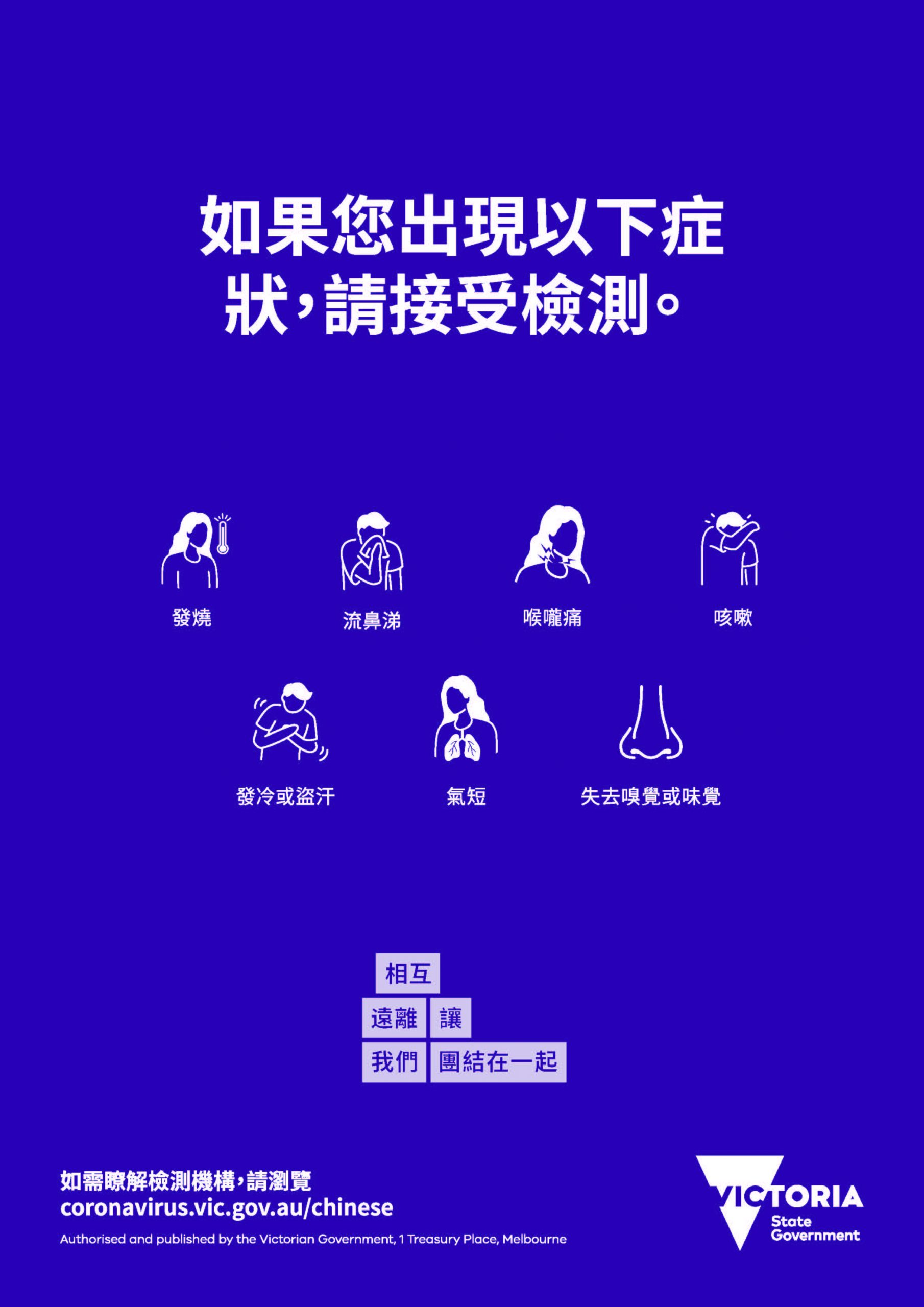
如果您出現以下症狀,請接受檢測。

FILIPINO: Kung nakakaranas ka ng mga sumusunod na sintomas, mangyaring subukan.
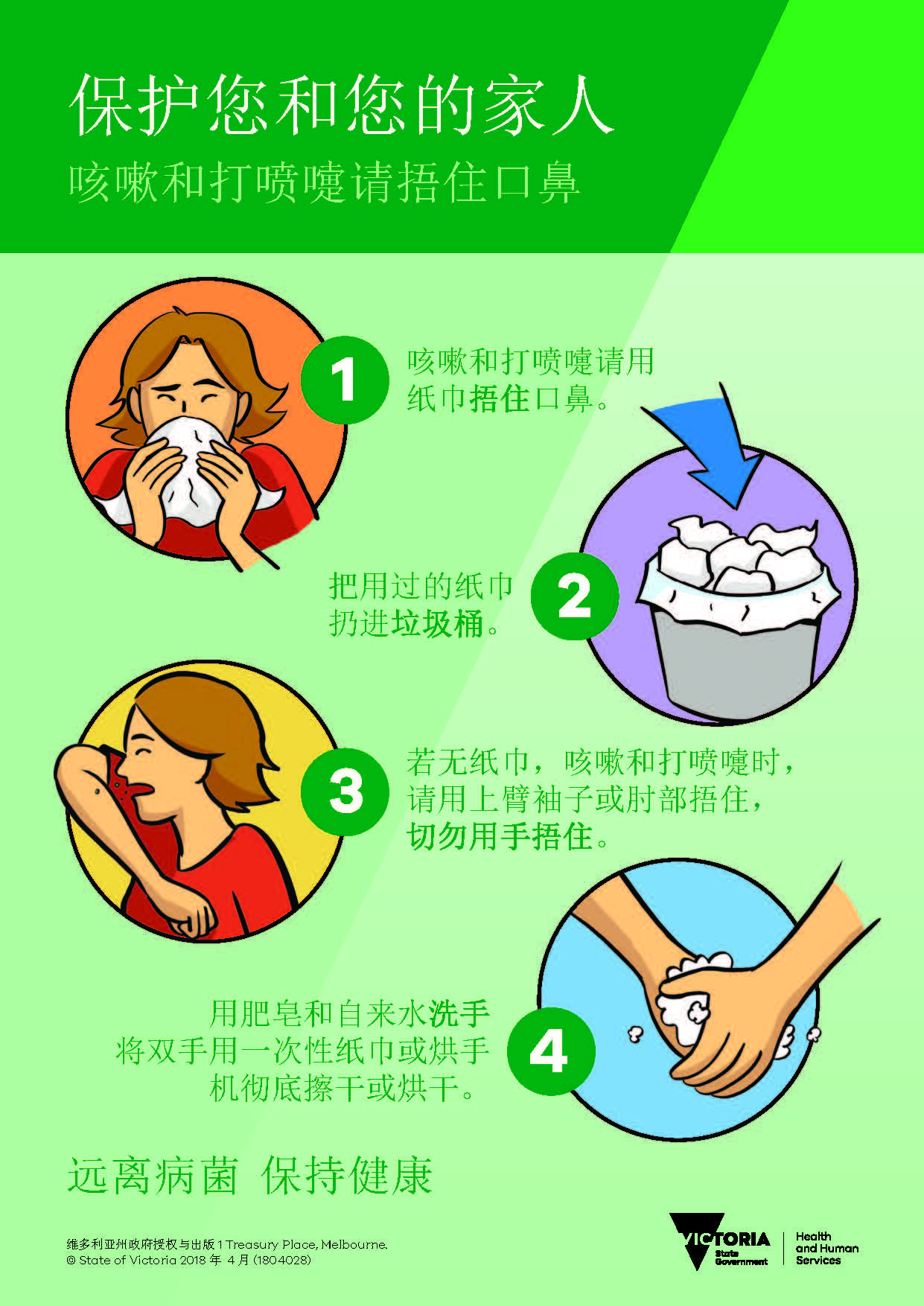
保护您自己和家人 – 咳嗽和打喷嚏时请捂住

How to wear a face mask 怎麼戴口罩
UAE Fully Suspends Trade and Financial Ties with Iran
Victorian Liberal Candidate Counselled Over Volunteer Internship Program

Trump signs order banning “birth tourism” and further restricting birthright citizenship

SpaceX Rocket Debris Hits the Moon, Renewing Concerns Over Space Junk

Australia Sets New Standards for Men’s Behaviour Programs
-
 Cuisine Explorer6 years ago
Cantonese Mango Sago
-
Uncategorized6 years ago
如果您出現以下症狀,請接受檢測。
-
Tagalog6 years ago
FILIPINO: Kung nakakaranas ka ng mga sumusunod na sintomas, mangyaring subukan.
-
Cantonese - Traditional Chinese6 years ago
保护您自己和家人 – 咳嗽和打喷嚏时请捂住
-
 Uncategorized6 years ago
How to wear a face mask 怎麼戴口罩
-
 Uncategorized6 years ago
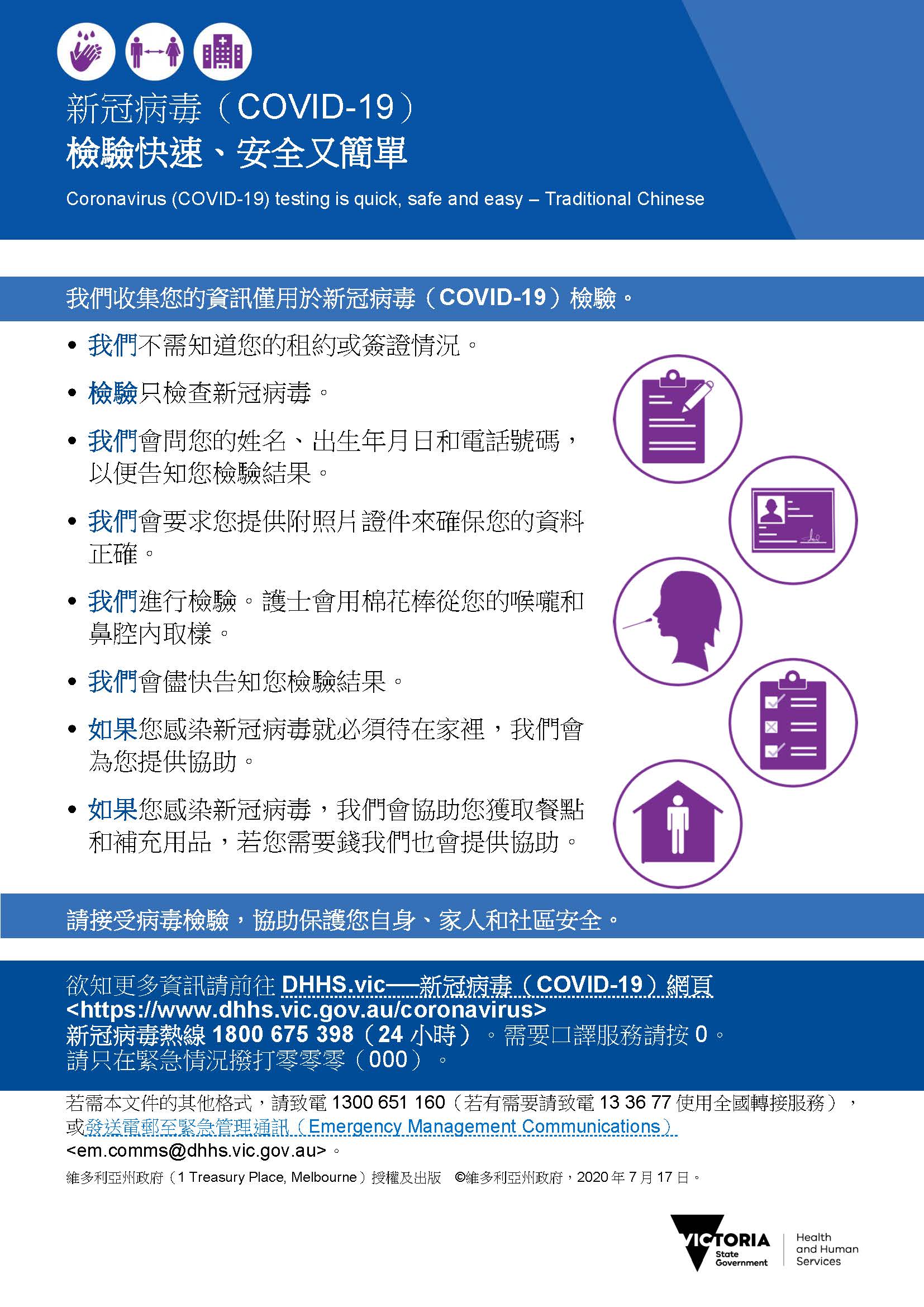
COVID-19 檢驗快速 安全又簡單
-
Uncategorized6 years ago
在最近的 COVID-19 應對行動中, 維多利亞州並非孤單
-
 Cantonese - Traditional Chinese6 years ago
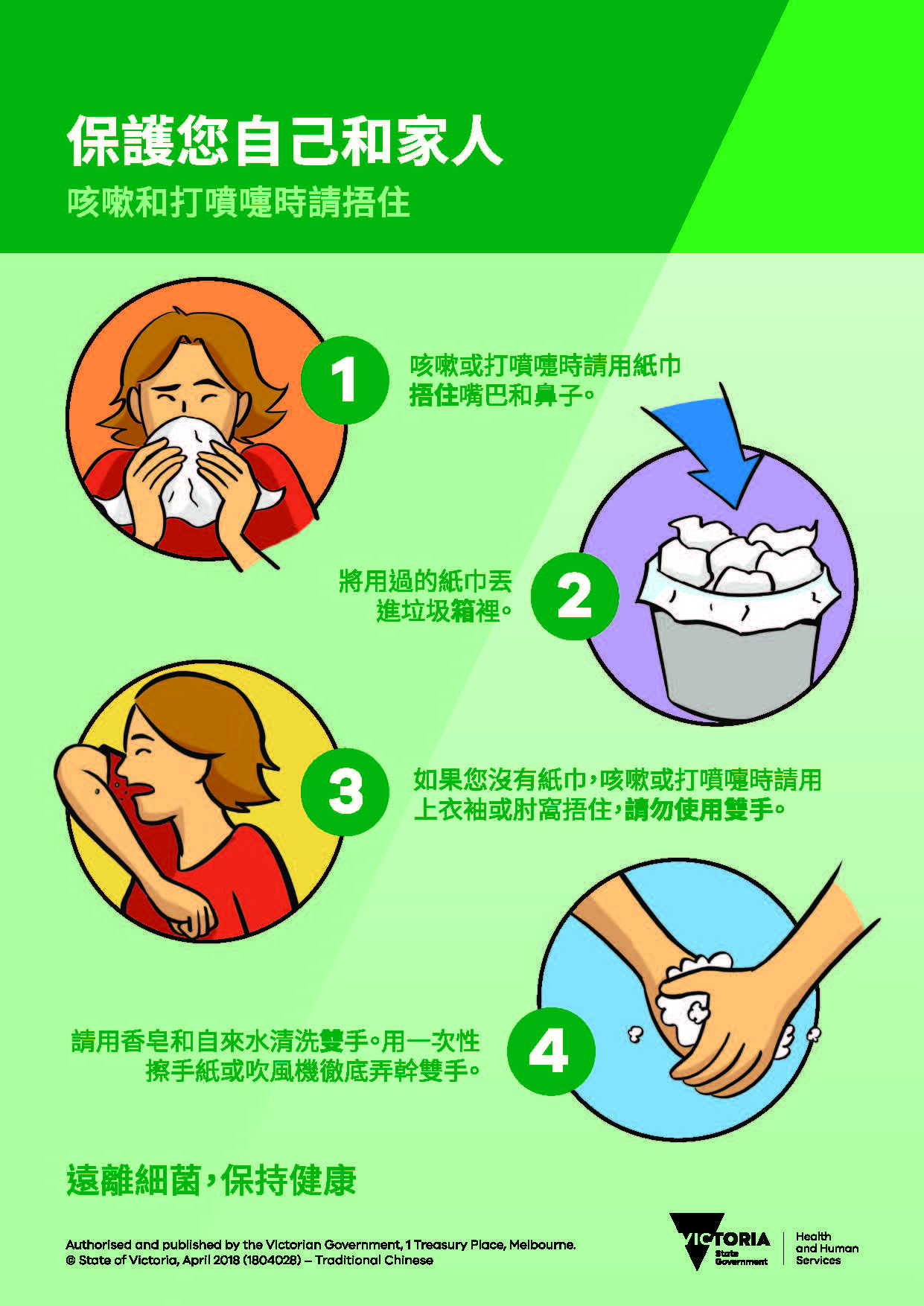
保護您自己和家人 – 咳嗽和打噴嚏時請捂住
