
National News
Australian Government Meets With Tech Giants Over Upcoming Social Media Ban for Under-16s


National News
Fitzroy North vegan cafe falls victim to firebombing

Within three months of beginning to serve customers, early on Monday morning 12 October, the cafe And Bodega run by Ashish Sharma and Manali Purohit was severely damaged in a suspected arson attack that gutted the tobacco shop next door that had opened in recent weeks.
The day after the firebombing, about $5,000 worth of technology and equipment was stolen from the burnt-out cafe. When the couple entered the shop after the robbery, Sharma says it felt as if their “dream had been ripped away”. It comes amid a spate of firebombings targeting tobacconists across Melbourne, with hundreds hit since late 2023.
Emergency services were called to respond to reports of an explosion on St Georges Road at about 3.40am on Monday. Police investigators believe one or multiple offenders forced entry into the tobacco shop and set it alight. The tobacconist was completely destroyed, while And Bodega and other neighbouring businesses were damaged, police said in a statement. The Victorian Coalition this week said the state government’s new closure powers “had barely made a dent” and vowed that if elected next month it would bolster laws and increase police presence to close down illegal retailers.
The couple have set up a crowdfunding campaign to raise funds for repairing and replacing equipment, paying outstanding staff and supplier costs and planning a new home for And Bodega. Purohit, who grew up in Mumbai and trained as a pastry chef in India, says the couple have also received offers from fellow small businesses to donate portions of their profits to the couple, host fundraisers and drop off ice-cream.
National News
Australian industry reliant on gas for ‘foreseeable future’

The resources minister, Madeleine King, says Australian industry will be reliant on gas for the “foreseeable future”, and that the national gas reservation scheme will push down power prices.
But she did not put a price tag on the cost of gas under the proposal – as the former opposition leader Peter Dutton once did – nor predict when households and businesses would start to see that financial relief.
In an address to the National Press Club on Wednesday, King said keeping gas affordable for households and businesses was a critical part of the scheme’s primary focus. She expected the scheme would “push down” gas prices without crashing the market. The national gas reservation scheme will force gas companies to set aside 20% of exports for domestic use, and is expected to come into effect from January 2028. It will give the Australian Energy Regulator the power to force companies to meet a target of 110% of projected demand each year. It will also limit ministerial discretion and replace the Turnbull-era domestic gas security mechanism.
The minister said gas was central to heating homes, keeping manufacturing industries running, processing critical minerals and rare earths domestically, and supporting the rollout of renewables. When asked whether she had a timeline to phase out Australia’s reliance on gas, King said it would continue to play an important role unless a viable replacement was found.
The shadow resources minister, Susan McDonald, said “numerous questions” remained over the design and viability of the scheme. McDonald didn’t identify particular concerns but said the bill’s greatest risk was the “capitulation of Labor to pressure from the Greens political party and noisy activists”.
National News
Labor condemned for bill to cut private health insurance rebate

Labor’s bid to cut the private health insurance rebate for over-65s has been blocked in parliament, with the Greens insisting they will withhold support unless pensioners receive a carve-out from the new rules.
The proposed changes, which would take effect from April 2027, would save the federal budget $3bn. It marks another defeat for a key cost-saving measure after the government was forced to back down on its plan to cap allied health payments for veterans which would have saved $748m over three years. People who are 65 or over currently receive a larger rebate on their premium, with the rebate higher for those 70 and over.
The Greens, Coalition and crossbench senators teamed up in the Senate on Wednesday to block Labor’s bill. In a rare move, the bill was discharged from the upper house, meaning it will need to be reintroduced if Labor tries to push ahead.
The Greens leader, David Shoebridge, said the party would only offer its support for the changes if the government excluded pensioners. Almost 80,000 older Australians are expected to ditch their private health cover by 2028-29 as a result of the Albanese government’s proposal, according to health department modelling released under freedom of information laws.
The chief executive of the Council on the Ageing Australia, Patricia Sparrow, also rejected the planned savings being linked to aged care funding commitments. She explained that older Australians shouldn’t have to choose between protecting their health and paying for everyday essentials, nor should they be asked to choose between affordable healthcare and a properly funded aged care system.

Graduate student accused of poisoning colleague and trying to flee to China arrested at LAX
Zelenskyy depressed by US action on military restrictions
Fitzroy North vegan cafe falls victim to firebombing
Australian industry reliant on gas for ‘foreseeable future’
Labor condemned for bill to cut private health insurance rebate

Cantonese Mango Sago

如果您出現以下症狀,請接受檢測。

FILIPINO: Kung nakakaranas ka ng mga sumusunod na sintomas, mangyaring subukan.
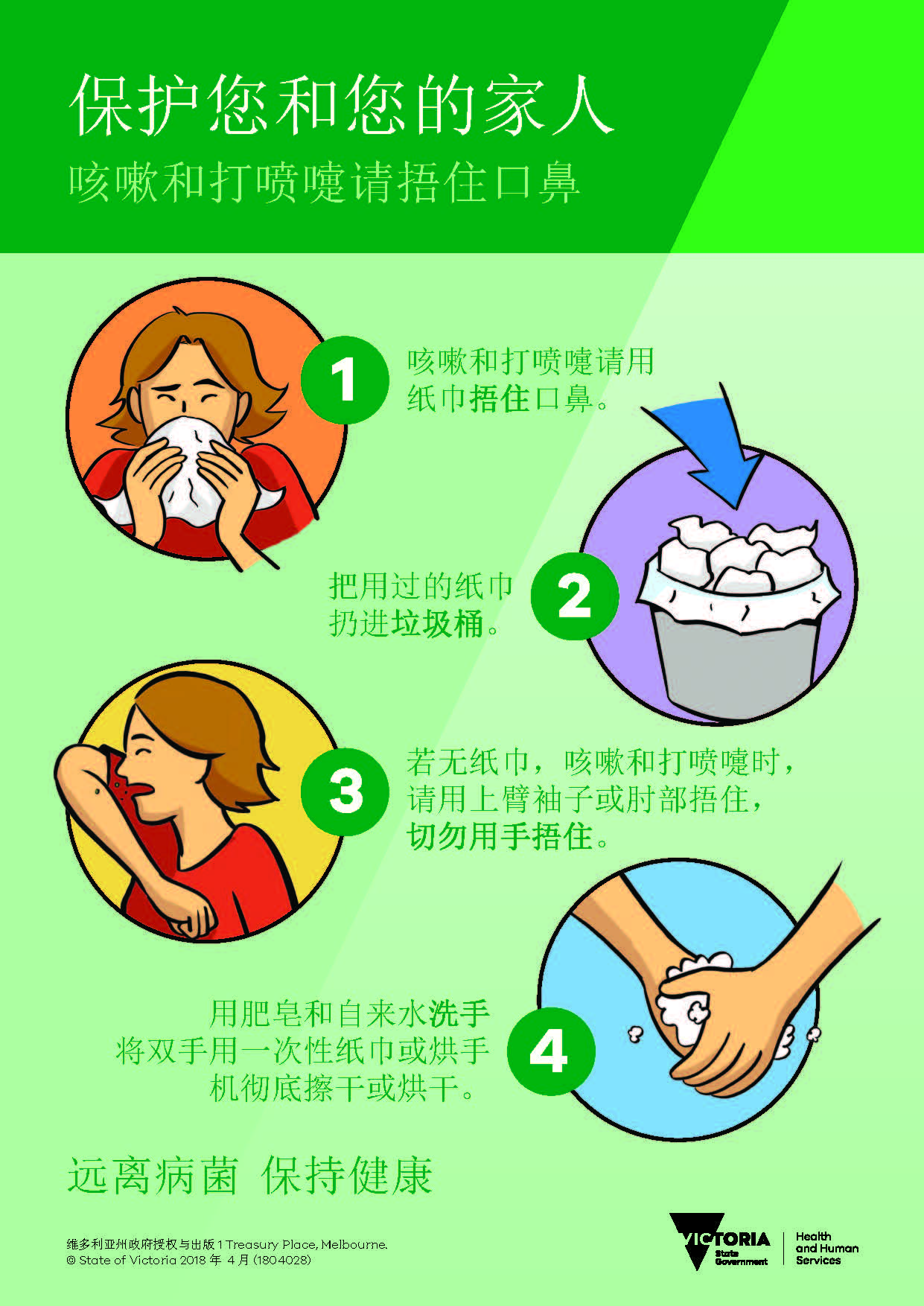
保护您自己和家人 – 咳嗽和打喷嚏时请捂住

How to wear a face mask 怎麼戴口罩
UAE Fully Suspends Trade and Financial Ties with Iran
Victorian Liberal Candidate Counselled Over Volunteer Internship Program

Trump signs order banning “birth tourism” and further restricting birthright citizenship

SpaceX Rocket Debris Hits the Moon, Renewing Concerns Over Space Junk

Australia Sets New Standards for Men’s Behaviour Programs
-
 Cuisine Explorer6 years ago
Cantonese Mango Sago
-
Uncategorized6 years ago
如果您出現以下症狀,請接受檢測。
-
Tagalog6 years ago
FILIPINO: Kung nakakaranas ka ng mga sumusunod na sintomas, mangyaring subukan.
-
Cantonese - Traditional Chinese6 years ago
保护您自己和家人 – 咳嗽和打喷嚏时请捂住
-
 Uncategorized6 years ago
How to wear a face mask 怎麼戴口罩
-
 Uncategorized6 years ago
COVID-19 檢驗快速 安全又簡單
-
Uncategorized6 years ago
在最近的 COVID-19 應對行動中, 維多利亞州並非孤單
-
 Cantonese - Traditional Chinese6 years ago
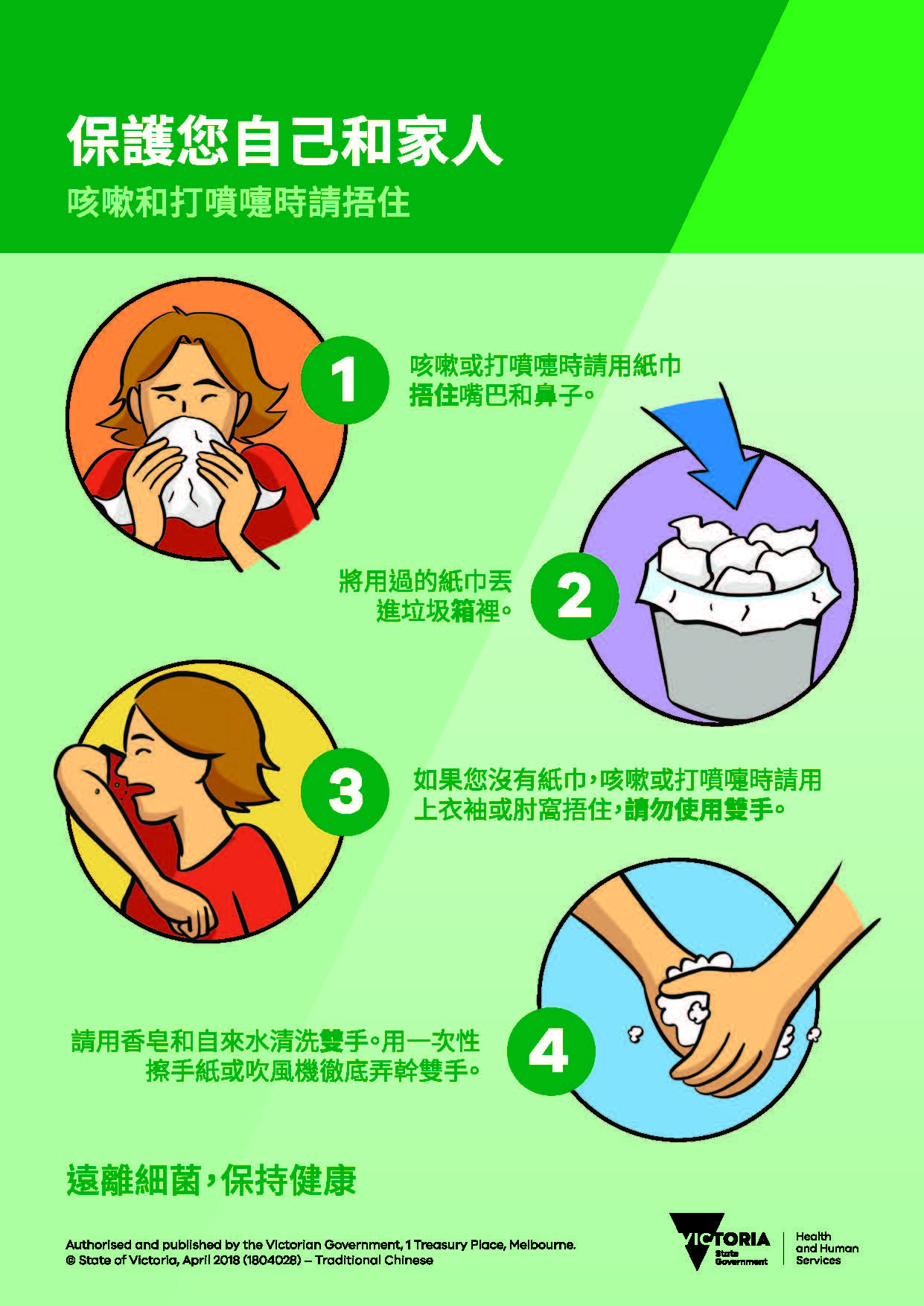
保護您自己和家人 – 咳嗽和打噴嚏時請捂住
