
World News
Netanyahu denies being warned of impending Hamas attack 10 days before October 7
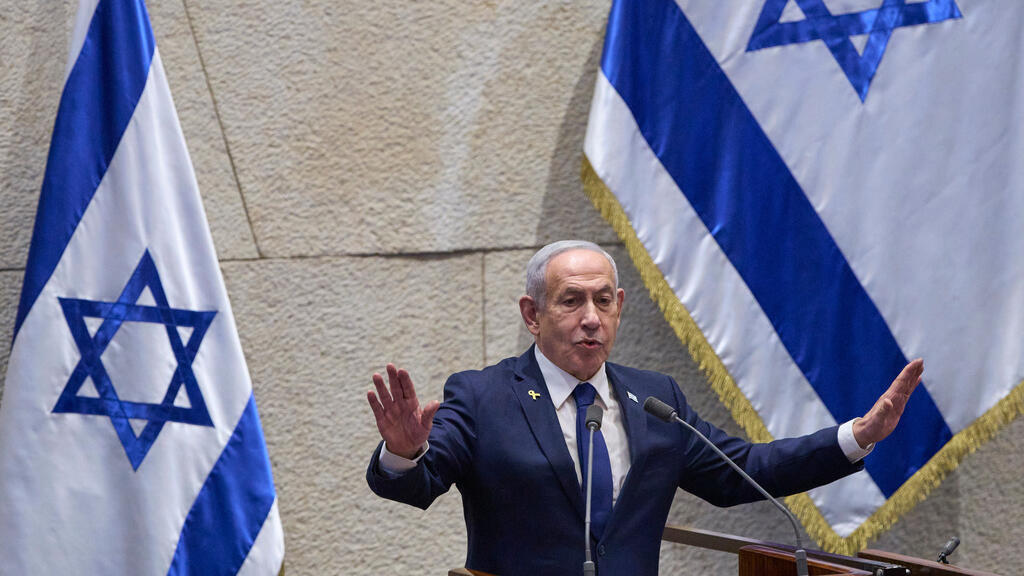
Israeli Prime Minister Benjamin Netanyahu is threatening to sue one of his country’s newspapers, after it reported he was warned of Hamas’s deadly October 7, 2023, attacks more than a week before they were launched.
On Tuesday, newspaper Haaretz published a report detailing a conversation between Mr Netanyahu and United Arab Emirates President Mohamed bin Zayed 10 days before October 7, in which the sheikh warned him that Hamas was planning an imminent attack.
Sheikh bin Zayed said it would lead to bloodshed and could destabilise the region and undermine the Abraham Accords, the normalisation agreements between Israel and several Arab and Muslim-majority nations, the newspaper reported. Haaretz said that warning was not passed on to Israeli defence or intelligence officials.
Netanyahu rejected the report as a lie, saying there was no phone call with the Emirati president at any point in September or early October 2023 and that it was an attempt to smear him before the Israeli election next month. His lawyers have written to the newspaper threatening a libel suit, but Haaretz insists it stands by its reporting.
The United Arab Emirates’ Foreign Ministry also said that it would not comment on “speculation regarding conversations between government leaders”.

World News
Graduate student accused of poisoning colleague and trying to flee to China arrested at LAX

A Wyoming microbiology graduate student from China has been arrested on accusations she poisoned the tea of a colleague who had pending patents and with whom she did not get along, then tried to flee the country after police questioned her.
Aili Wang, 32, was arrested 6 October at Los Angeles international airport, where prosecutors allege she sought to return to China. With her were laptops, electronic storage devices and documents now in the possession of police, who allege Wang was seen on surveillance video rummaging through the desk of the victim who specialized in technology for disease treatment – research similar to work she had done in China.
Wang remained jailed without bail on Tuesday in Los Angeles. She allegedly bought a chemical, acrylamide, over eBay, and it was first detected when the alleged victim’s wife and others tested water from the coffee maker he used to brew tea.
The police investigation began after the victim began experiencing symptoms and his wife and others allegedly isolated the chemical in the coffee maker water. The victim and campus police then set up surveillance cameras in the office space he shared with Wang at the university in Laramie. Wang allegedly was recorded 27 September going through the alleged victim’s desk. On 1 October, she was recorded “taking photos and manipulating notebooks” on his desk, as well as rinsing out his mug with a liquid from her own mug, a University of Wyoming campus police officer’s affidavit said.
Wang and the alleged victim, who did not share research areas, did not get along, according to the affidavit. The alleged victim began experiencing extreme tiredness, inability to sleep and other unexplained symptoms soon after attending a prestigious conference in August.
US officials for years have accused China of stealing intellectual property from American universities. The microbiology professor overseeing both graduate students, Mark Gomelsky, said the accusations left him reeling, and was uncertain if the victim would fully recover.
World News
Zelenskyy depressed by US action on military restrictions

Ukrainian President Zelenskyy warns “people will die” after sudden restrictions on the military version of SpaceX’s Starlink satellites — a vital tool in Ukraine’s defence system — appeared to slow the country’s drones on the battlefield.
Zelenskyy also said Ukraine was denied the usual advance warning from its Western partners about coming strikes, deepening fears that Kyiv’s relationship with Washington was unravelling.
SpaceX founder Elon Musk said any disruption was the US government’s responsibility, not his company’s. He drew a distinction between the Starshield system, which Ukraine relies on for battlefield communications, and the parallel Starlink civilian satellite system, which Ukraine also deploys but is not allowed to use for offensive operations.
Trump’s rhetoric towards Ukraine and Zelenskyy has hardened in recent weeks, with the US president agreeing to lift sanctions on Russian diesel exports, and also called for Ukraine to find a new president. In response to increasingly frosty relations between Washington and Kyiv, Zelenskyy said it was a “pity” for Ukraine to lose a “strong partner”.
World News
ICE raids home of Democratic US congresswoman

US authorities have conducted a pre-dawn raid on the Washington-area home of Democratic US representative Ilhan Omar of Minnesota, an outspoken critic of Donald Trump who has been the target of political insults by the Republican president.
A person familiar with the investigation said it was related to alleged immigration fraud, and part of the probe concerned the Somali-born politician’s immigration paperwork, which was filled out by her late father when she was a child.
The raid was carried out a little more than three weeks before the November 3 midterm elections, when Trump’s party will be trying to defend its narrow majorities in the US Congress. Speaking outside a US military air base, Donald Trump told reporters officials were looking “very carefully” into Ms Omar after the raid. He said the congresswoman was a “complainer” from a “non-country” before departing for Ohio, where he will host a rally.
Ms Omar called the search an “attempt to target political enemies and weaponise federal law enforcement”. Minnesota Democrats also condemned the raid, with Minnesota Governor Tim Walz criticizing Trump for abusing his power to go after political opponents weeks before an election.

Graduate student accused of poisoning colleague and trying to flee to China arrested at LAX
Zelenskyy depressed by US action on military restrictions
Fitzroy North vegan cafe falls victim to firebombing
Australian industry reliant on gas for ‘foreseeable future’
Labor condemned for bill to cut private health insurance rebate

Cantonese Mango Sago
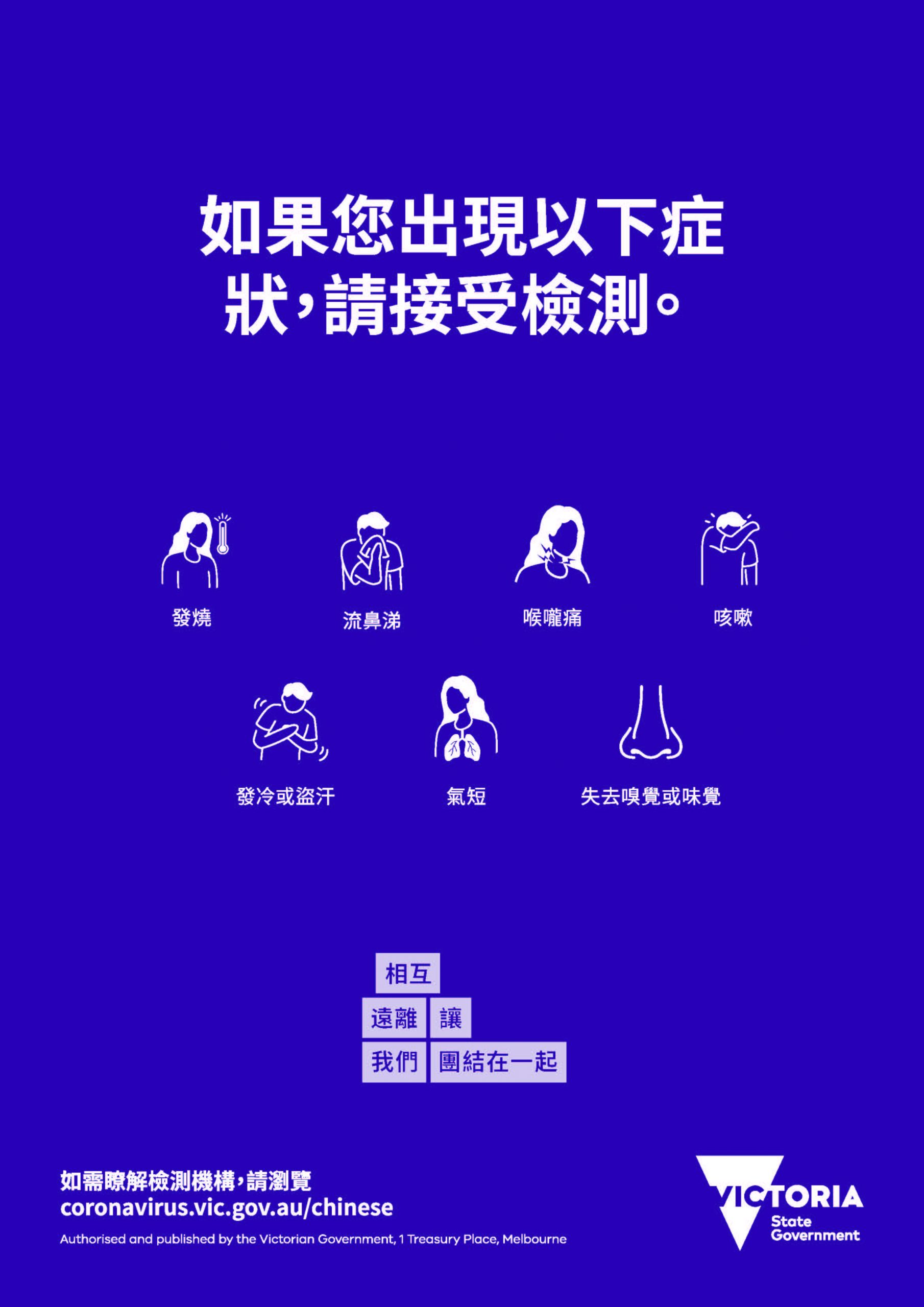
如果您出現以下症狀,請接受檢測。
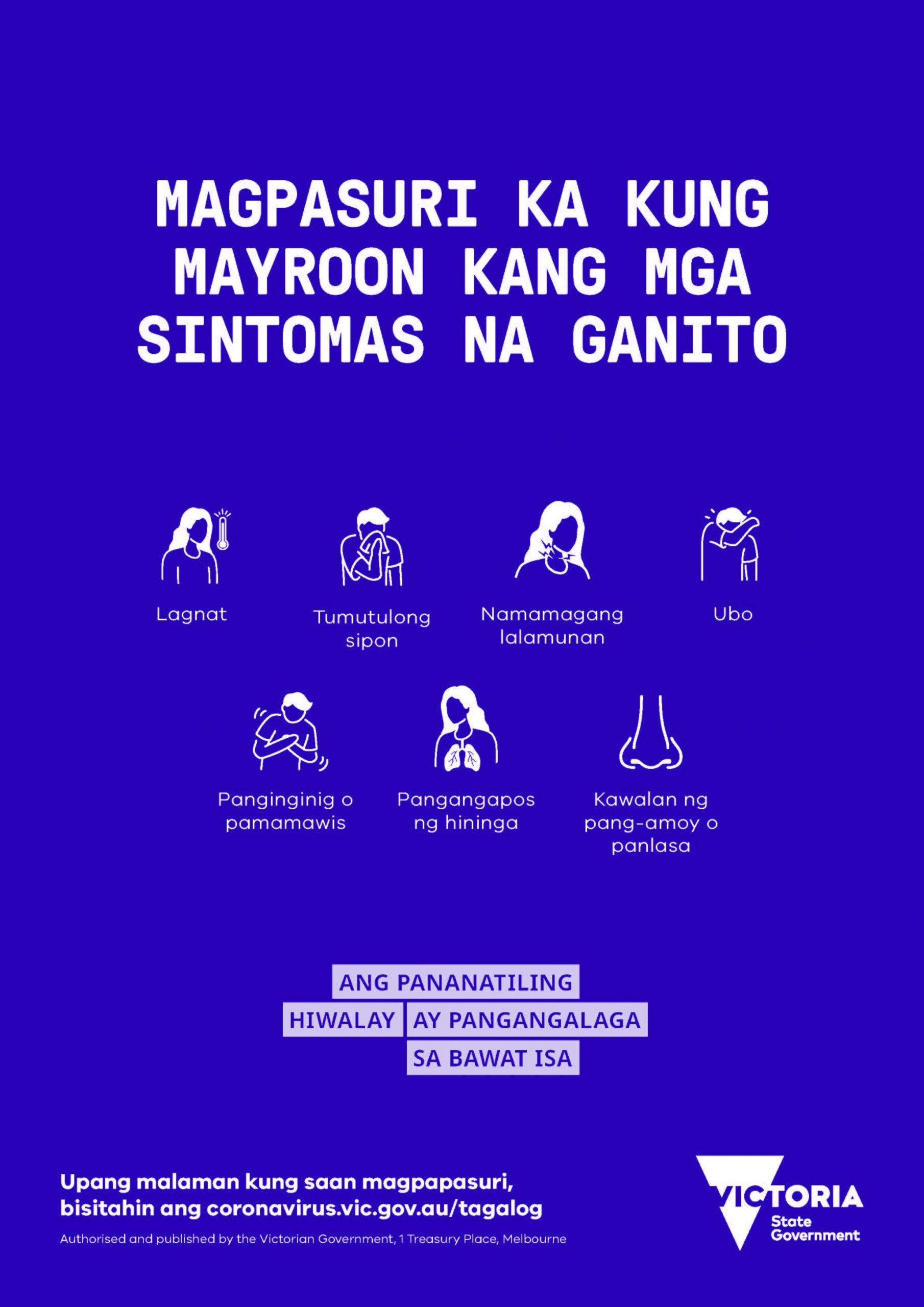
FILIPINO: Kung nakakaranas ka ng mga sumusunod na sintomas, mangyaring subukan.
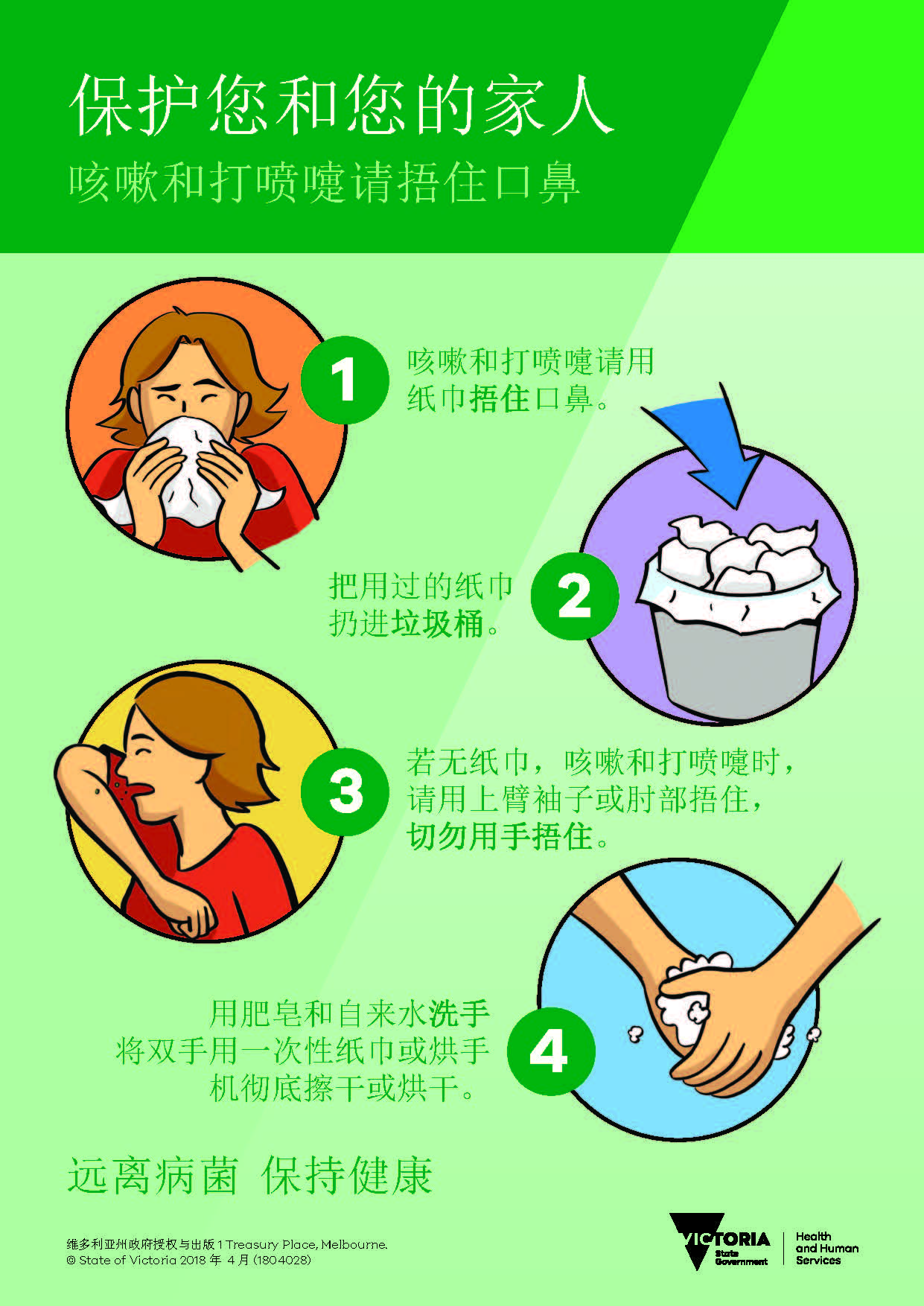
保护您自己和家人 – 咳嗽和打喷嚏时请捂住

How to wear a face mask 怎麼戴口罩
UAE Fully Suspends Trade and Financial Ties with Iran
Victorian Liberal Candidate Counselled Over Volunteer Internship Program

Trump signs order banning “birth tourism” and further restricting birthright citizenship

SpaceX Rocket Debris Hits the Moon, Renewing Concerns Over Space Junk

Australia Sets New Standards for Men’s Behaviour Programs
-
 Cuisine Explorer6 years ago
Cantonese Mango Sago
-
Uncategorized6 years ago
如果您出現以下症狀,請接受檢測。
-
Tagalog6 years ago
FILIPINO: Kung nakakaranas ka ng mga sumusunod na sintomas, mangyaring subukan.
-
Cantonese - Traditional Chinese6 years ago
保护您自己和家人 – 咳嗽和打喷嚏时请捂住
-
 Uncategorized6 years ago
How to wear a face mask 怎麼戴口罩
-
 Uncategorized6 years ago
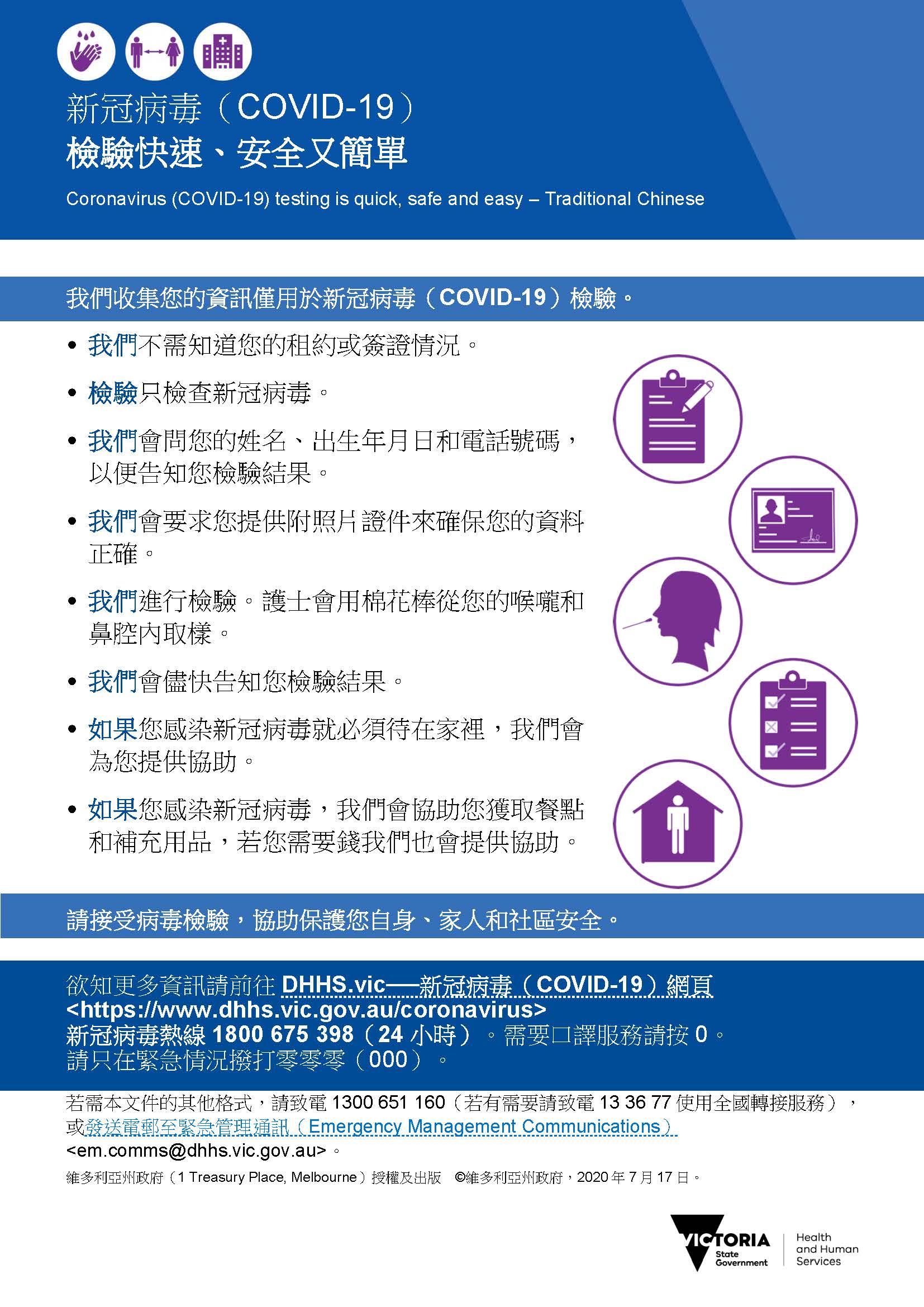
COVID-19 檢驗快速 安全又簡單
-
Uncategorized6 years ago
在最近的 COVID-19 應對行動中, 維多利亞州並非孤單
-
 Cantonese - Traditional Chinese6 years ago
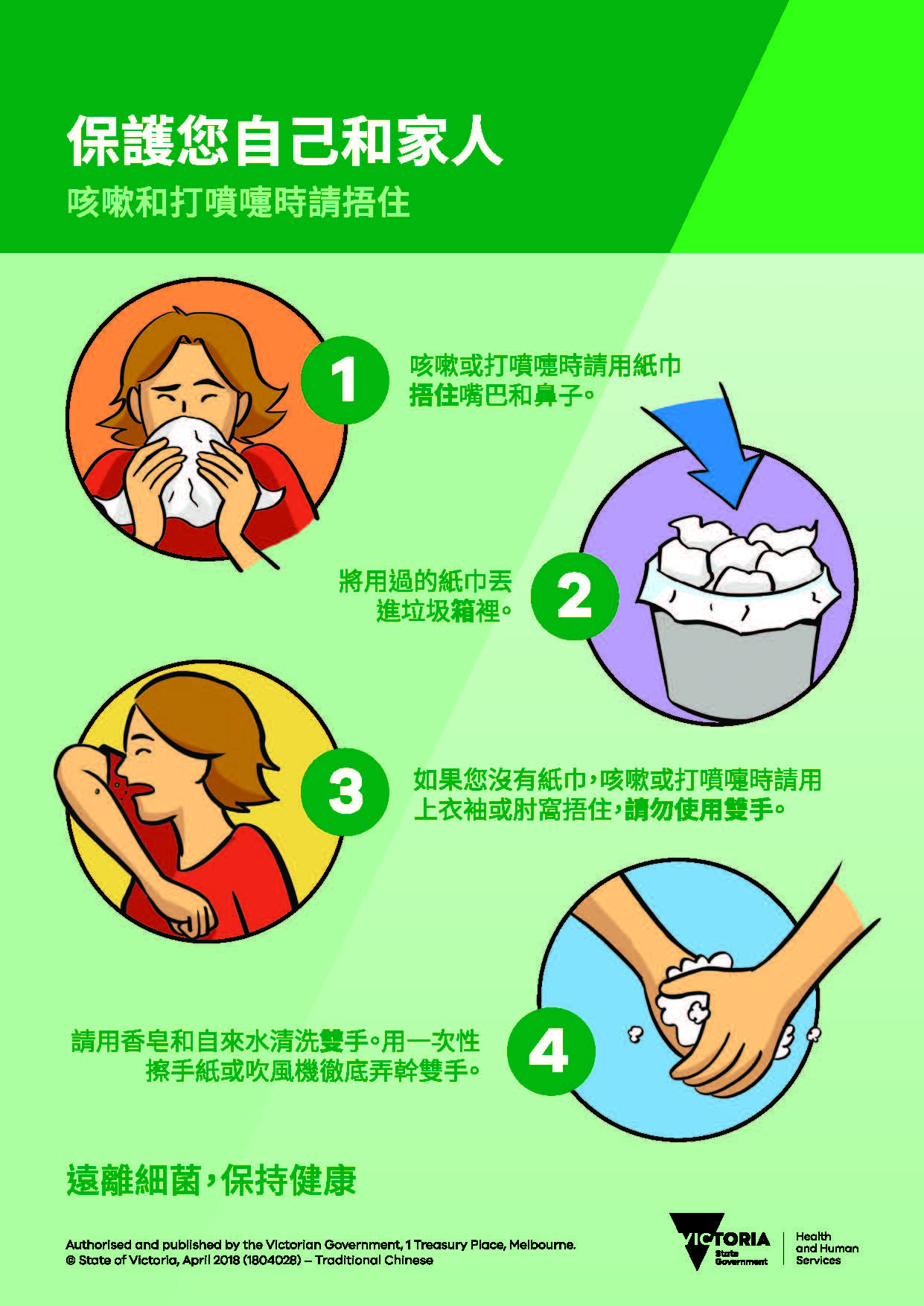
保護您自己和家人 – 咳嗽和打噴嚏時請捂住
