
World News
South Korea demands Ukraine apologise for announcing North Korean prisoner of war transfer

South Korea has demanded a full explanation and apology from Ukraine, accusing it of disclosing the transfer of two North Korean prisoners of war to the country without its consent.
The diplomatic spat comes after Ukrainian President Zelenskyy told the UN General Assembly last week that his country had transferred two North Korean soldiers to South Korea after they were caught fighting for Russia. Seoul also accused Kyiv of falsely denying that the two countries had agreed to keep the transfers of North Koreans caught fighting for Russia secret.
Seong Ghi-hong, senior presidential secretary for public relations, said in a statement on Sunday that the government was reviewing additional measures over the issue if necessary. He said Ukraine had repeatedly discussed the prisoners’ transfer with Seoul through various channels and had requested secrecy, arguing that public disclosure could trigger domestic criticism that Kyiv had given up an opportunity to exchange the soldiers for Ukrainian prisoners. He said South Korea agreed to keep the transfer confidential given security, diplomatic and humanitarian concerns, including the safety of the prisoners and their families.
South Korean President Lee Jae Myung days earlier said Ukraine had disclosed the transfer in breach of a non-disclosure agreement, and the issue had seriously damaged trust between Seoul and Kyiv.
Ukraine’s embassy in Seoul did not respond to any media request for comment.

World News
Airbnb scraps check-out chores for guests under new rules

Airbnb guests will no longer have to strip beds, wash dishes or remove rubbish when checking out, under new rules to be introduced next month.
The short-term rental platform announced the changes on its website, which applies to reservations booked on or after November 20. The changes come amid complaints from some travellers about being charged cleaning fees — which can cost hundreds of dollars — while also being expected to complete a list of chores, before leaving a property. While cleaning fees would not be abolished completely, hosts could not require guests to perform tasks that took “significant time and effort or would normally be done by a cleaner”.
The changes apply to Airbnb reservations covered by the platform’s global policy, including bookings in Australia.
Hosts will still be able to set house rules, including check-in and check-out times, limits on the number of guests, smoking restrictions, pet rules and quiet hours. Airbnb said guests were still expected to leave properties in a reasonable condition and may be held responsible for damage or excessive cleaning caused by their stay.
The changes have sparked anger among hosts, with some warning the crackdown could drive up costs and push smaller operators off the platform. A host from South Carolina in the US said the changes failed to recognise that many hosts were opening their own homes to guests. Some accused Airbnb management of being “so out of touch with the people cleaning vacation rentals”, while others said they had “never been so upset by a policy change”.
World News
Meta ordered to pay New Mexico $US25 billion for deceiving users about privacy on Facebook

A judge has ordered Meta to pay New Mexico $US25 billion ($35.6 billion) after a jury found the company liable for deceiving users about privacy on Facebook, marking the biggest fine ever against the tech giant.
The case was brought after political consulting firm Cambridge Analytica harvested Facebook data to generate targeted political ads during the 2016 election season.
Facebook’s deception was intentional and executives consistently misled users about how the platform worked, state District Court Judge Francis J Mathew wrote in his ruling on Wednesday local time. Jurors in September found Meta liable for more than 43 million violations of New Mexico consumer protection laws for making misleading public statements about how it handled users’ personal data. Meta also reported on Wednesday better-than-expected quarterly revenue of $US64.6 billion ($92 billion), ahead of Wall Street estimates of $US63.37 billion ($90.32 billion).
In one of the tech giant’s few wins, jurors found that the state did not prove Facebook made false claims about removing harmful content, including misinformation about the COVID-19 pandemic. During a video deposition, Zuckerberg also denied the state’s claims that Facebook profited off harmful content. Attorneys for the company said it had changed its policies since the lawsuit was filed in 2021 and that it caught and removed an estimated 99 per cent of the content that violates its standards.
World News
Deaths from float crushes raise safety concerns over Japanese festivals

Growing safety concerns have emerged surrounding Japan’s traditional festivals following a series of fatal accidents involving heavy festival floats.
Akihiro Nabae, the 62-year-old deputy mayor of Saijo in western Japan, tragically died on Saturday after becoming trapped beneath a giant float during an autumn festival. This incident occurred just days after two men were killed in similar accidents at a Danjiri festival in Osaka prefecture, where heavy wooden floats toppled while being pulled at high speeds around sharp corners. These consecutive tragedies have sparked urgent calls to review safety measures for centuries-old cultural events that heavily feature massive, fast-moving structures.
Details from police and media reports reveal that the massive wooden structures, which can weigh up to four tonnes, pose extreme hazards during tight maneuverings known as yarimawashi—a highlight where hundreds of men pull floats rapidly around narrow street corners. In Nabae’s case, eleven 3-tonne floats were lined up side-by-side during the Edo-period historical festival when he became trapped underneath. Saijo Mayor Mitsuyoshi Ochi expressed shock and grief over the loss of his colleague just as they were establishing a new city administration.
These incidents, alongside a February tragedy in Okayama where two participants died in a crowd crush at the annual “Naked Man Festival,” have intensified pressure on authorities to implement stricter crowd management and safety protocols to protect both official organizers and traditional festival participants.

Airbnb scraps check-out chores for guests under new rules
Meta ordered to pay New Mexico $US25 billion for deceiving users about privacy on Facebook
NSW passes ‘human compost’ laws
House prices falling in every Australian capital city for first time in 15 years
MP Helen Haines amputated after deliberate vehicle attack

Cantonese Mango Sago
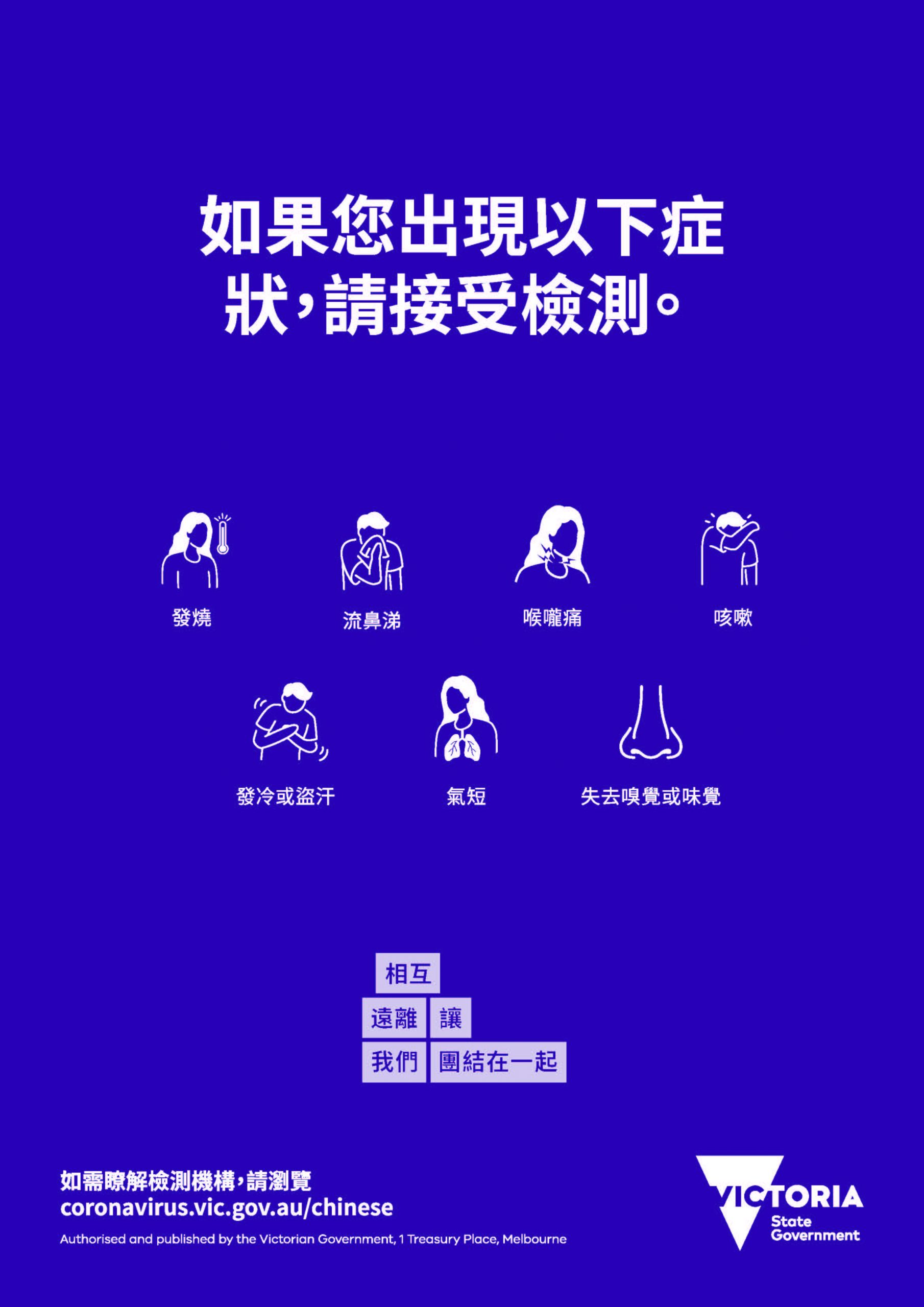
如果您出現以下症狀,請接受檢測。
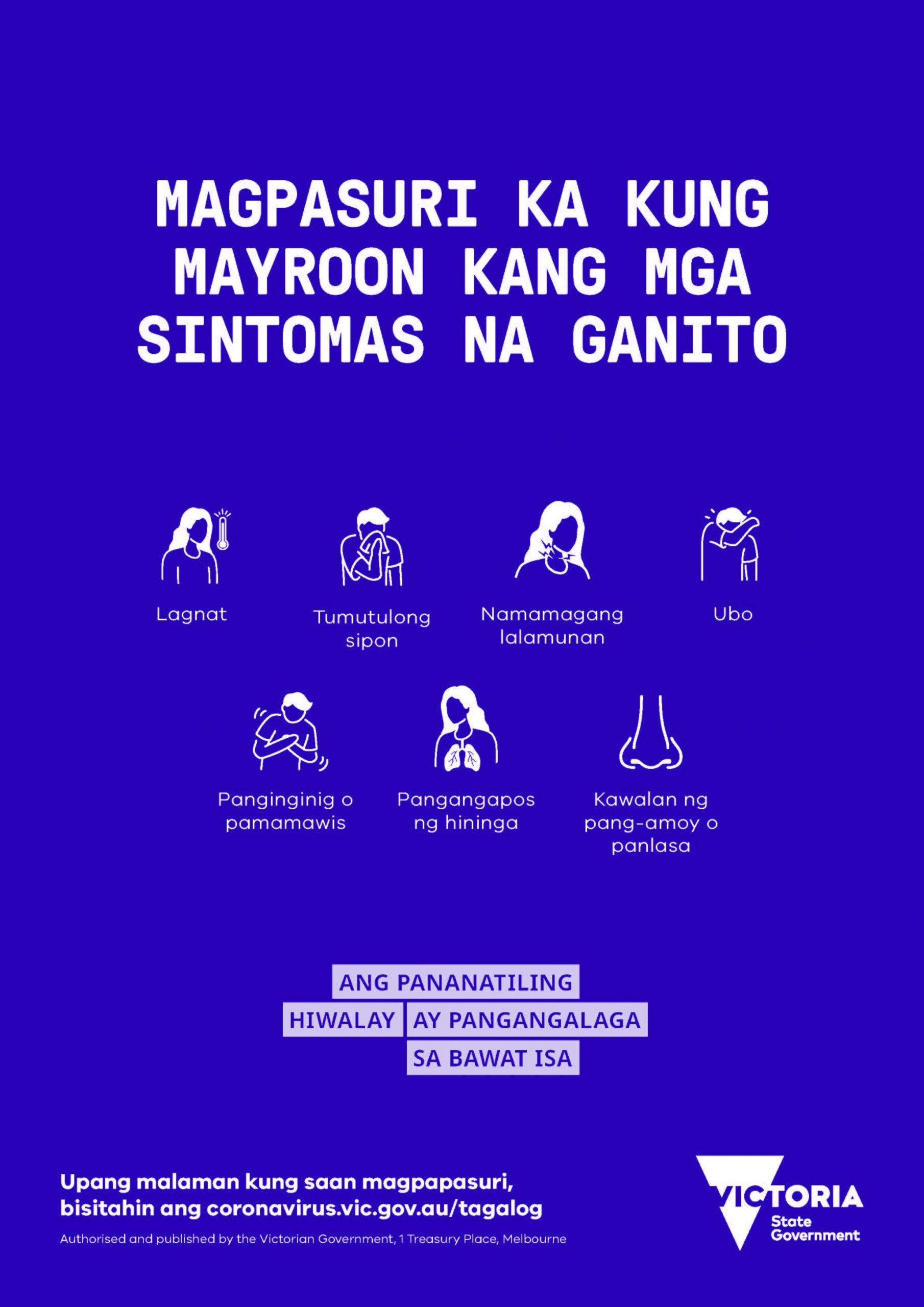
FILIPINO: Kung nakakaranas ka ng mga sumusunod na sintomas, mangyaring subukan.
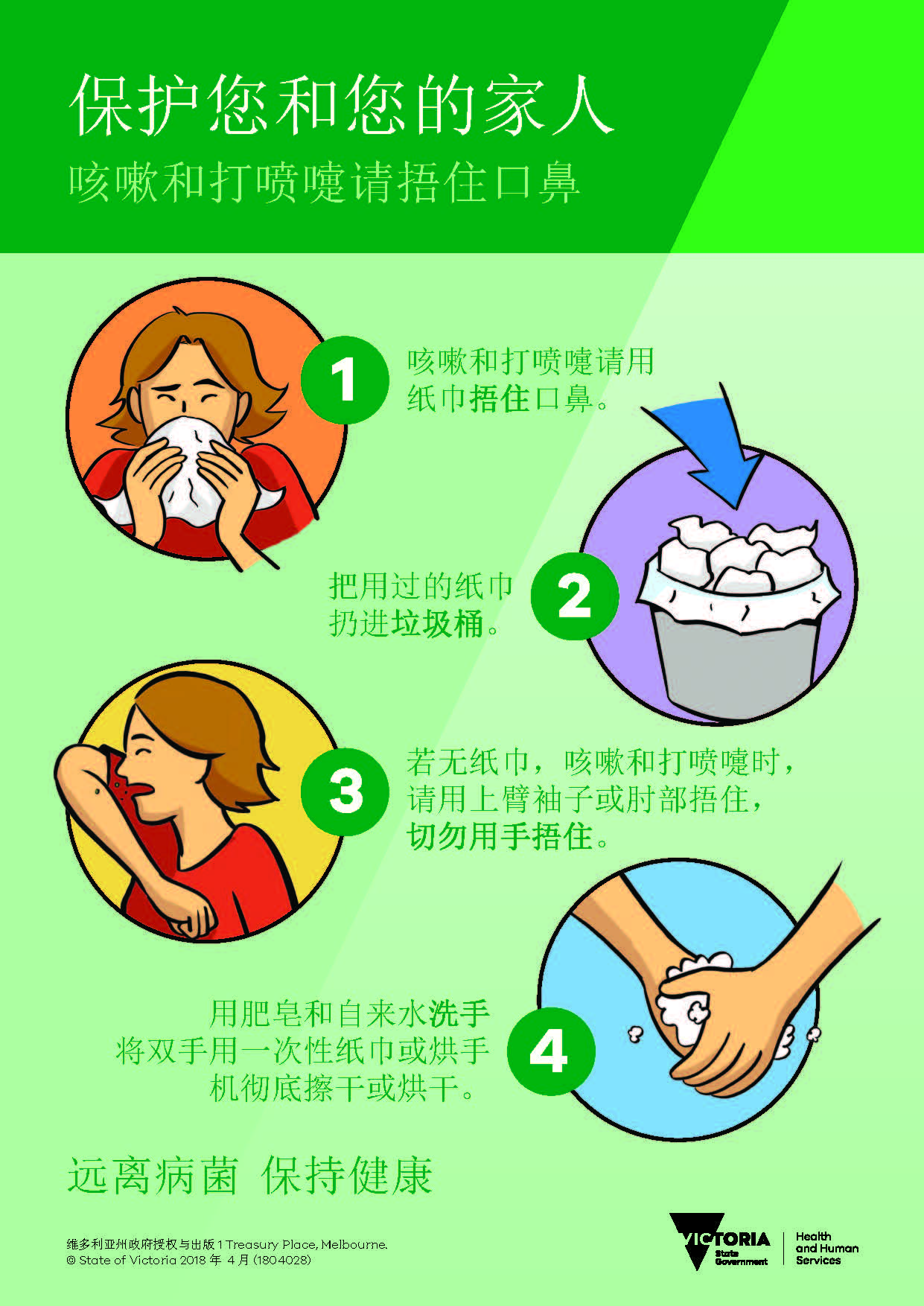
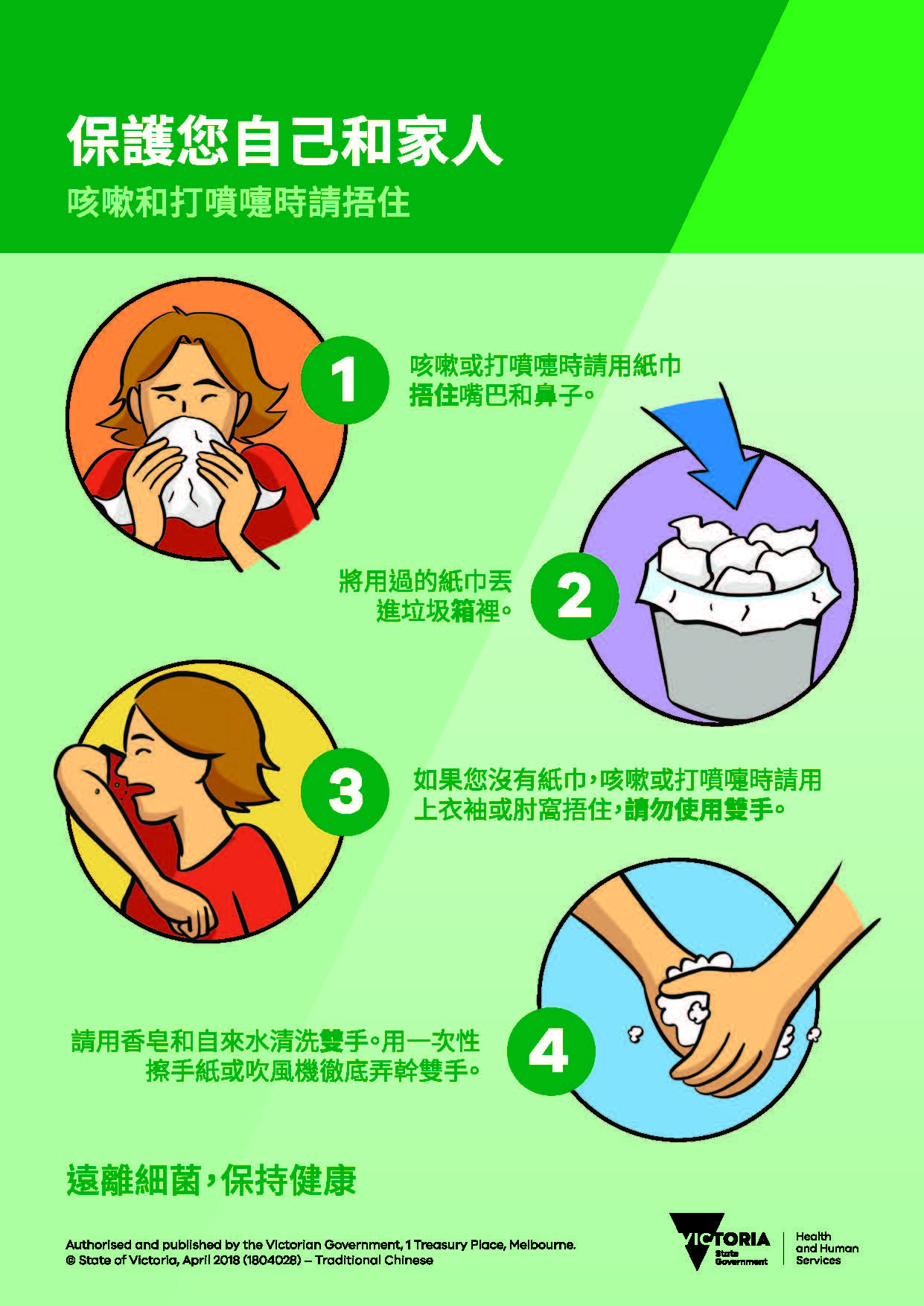
保护您自己和家人 – 咳嗽和打喷嚏时请捂住

How to wear a face mask 怎麼戴口罩
UAE Fully Suspends Trade and Financial Ties with Iran
Victorian Liberal Candidate Counselled Over Volunteer Internship Program

Trump signs order banning “birth tourism” and further restricting birthright citizenship

SpaceX Rocket Debris Hits the Moon, Renewing Concerns Over Space Junk

Australia Sets New Standards for Men’s Behaviour Programs
-
 Cuisine Explorer6 years ago
Cantonese Mango Sago
-
Uncategorized6 years ago
如果您出現以下症狀,請接受檢測。
-
Tagalog6 years ago
FILIPINO: Kung nakakaranas ka ng mga sumusunod na sintomas, mangyaring subukan.
-
Cantonese - Traditional Chinese6 years ago
保护您自己和家人 – 咳嗽和打喷嚏时请捂住
-
 Uncategorized6 years ago
How to wear a face mask 怎麼戴口罩
-
 Uncategorized6 years ago
COVID-19 檢驗快速 安全又簡單
-
Uncategorized6 years ago
在最近的 COVID-19 應對行動中, 維多利亞州並非孤單
-
 Cantonese - Traditional Chinese6 years ago
保護您自己和家人 – 咳嗽和打噴嚏時請捂住
