
National News
NSW Government promises $6.8b South Coast line upgrade

The New South Wales government has promised to deliver a $6.8 billion upgrade to the South Coast rail line if re-elected next year, days after scrapping a controversial new timetable that would have added more trains for Illawarra commuters.
The plan includes a commitment to deliver on a promise made by Labor at the 2005 NSW election to electrify the line between Kiama and Bomaderry. That would allow passengers to travel from Sydney to Nowra without changing to the diesel train currently completing the journey. The South Coast Rail Plan also includes extra tracks and passing loops between Wollongong and Kiama, and a doubling of the tracks between Hurstville and Sutherland to separate passenger and freight trains.
The announcement comes just two days after the state government scrapped a timetable overhaul planned for November following backlash from commuters who faced longer travel times and the loss of an airport connection at Wolli Creek, in exchange for more frequent T4 and South Coast services. Minister for the Illawarra Ryan Park described the upgrade as a “must-have” on a line that was expected to see passenger demand grow by almost 30 per cent by 2041. The project includes $621 million in infrastructure upgrades ahead of the major works, to update power and signalling infrastructure, address flooding and landslips on sections of the line, as well as to improve bushfire resilience.
Planning is expected to start in 2027, with construction to be completed by the mid to late 2030s.

National News
Almost two-thirds of Australians bulk-billed for all GP care amid extra incentives for doctors

The proportion of general practitioners bulk-billing all of their patients has more than doubled in a year, a report has found, after the government introduced financial incentives for doctors and practices.
The findings come from the Royal Australian College of General Practitioners (RACGP) annual health of the nation report, to be published on Wednesday, which includes a survey of 2,766 GPs.The report also states that almost two-thirds (63%) of Australians are now bulk-billed for all their GP care, up from 56% in both 2024 and 2025, which the report says is “likely a reflection of the federal government’s recent investment in Medicare bulk billing incentives”.
Of the respondents, 26% of GPs reported bulk-billing all of their patients, up from 12% in 2025. In November, extra financial bonuses were introduced to practices that bulk-bill all eligible services for all Medicare patients, with those clinics receiving an additional 12.5% top-up payment split between the practice and the doctor. But the proportion of people bulk-billed for all GP care remains short of 2019 figures, when the report found it to be 70% of patients.
The RACGP president, Dr Michael Wright, said the findings indicate “greater affordability across the healthcare system”. Dr Luke Slawomirski, a health economist with the Australia Institute, said while the bulk-billing findings were “certainly good news”, it was important to remember the survey represents about 7% of the GP workforce. The RACGP, anyway, is calling for increases to patient Medicare rebates for longer consultations, and for the government to establish an independent primary care pricing authority to ensure Medicare funding reflects the true cost of delivering care.
National News
WA government seeks reimbursement from Deloitte over flawed university report

The Western Australian government has said it is “extremely disappointed” and is seeking an “expedited” cost recovery from the multinational consultancy firm Deloitte after errors were discovered in a report about a potential university merger, including AI-hallucinated references and hundreds of millions of dollars in cost discrepancies.
The Western Australia government paid Deloitte $166,000 for a feasibility study on merging the University of Western Australia, Curtin University and Murdoch University. Deloitte considered three merger options between the three universities, with “low”, “mid” and “high” cost scenarios, and broke down the calculations of those costs in the report’s appendix. Under the “high” cost scenario of a merger between Curtin and UWA, the report calculates the “total costs to day 1” as $514m, and “post day 1” over five years at $145m. The total cost of those two payments is $659m but the report wrote $399m – a $260m discrepancy.
Deloitte is already under pressure after it was revealed in the media this month that the same report contained hallucinated AI references, leading the state opposition to label it “AI slop”. The consultancy firm admits in its report it used generative AI to “support the collation of research, synthesis of information and editorial proofing” and had earlier dismissed the errors as “minor”.
A spokesperson for the WA government told Guardian Australia that the Department of Energy and Economic Diversification had written to Deloitte to expedite the cost recovery process for the report. Prof Stephen Bartos, an expert in public sector governance at the University of Canberra, said the errors discredited the report.
National News
NSW passes ‘human compost’ laws

Several New South Wales MPs say they want their own bodies turned into “human compost” after Australian-first laws allowing the unusual practice were passed on Wednesday to provide a third legal option other than burial and cremation for the treatment of bodies.
The private member’s bill was introduced by independent Sydney MP Alex Greenwich, who travelled to Germany and the US to research the practice, which is allowed in some parts of both countries.
The practice, known as natural organic reduction, termination or human composting, involves placing the body in a temperature-controlled vessel with organic matter such as alfalfa, straw or mulch. Once inside, the vessel is turned or rocked to circulate air. The introduced matter reacts with the air and feeds the body’s naturally occurring microbes to rapidly decompose the body. The process creates heat that, after about 30 days, transforms the body into soil. When rested for about 30 days more, the vessel contains about 110kg of “dry, rich soil that is fertile and free of pathogens”, Greenwich told the legislative assembly earlier this year.
In the legislative council on Wednesday, John Ruddick, a Libertarian MP, said he backed what Greens MP Dr Amanda Cohn said in supporting the bill: he thought it was likely he would choose this burial method over a burial plot or cremation.
Liberal MP Susan Carter urged the government to consider when it implemented the bill how to ensure the dead were respected. Emma Hurst MP, the Animal Justice MP who introduced the bill into the legislative council, told parliament on Wednesday that terramation had significant environmental benefits, explaining that it avoids the need for large burial plots and can be wholly carbon neutral, compared with cremation, which she said was energy intensive and released substantial greenhouse gas emissions.

Kim Jong-un crosses newly opened bridge into China
Serbian president concedes defeat to student-led movement in election
Almost two-thirds of Australians bulk-billed for all GP care amid extra incentives for doctors
NSW Government promises $6.8b South Coast line upgrade
WA government seeks reimbursement from Deloitte over flawed university report

Cantonese Mango Sago
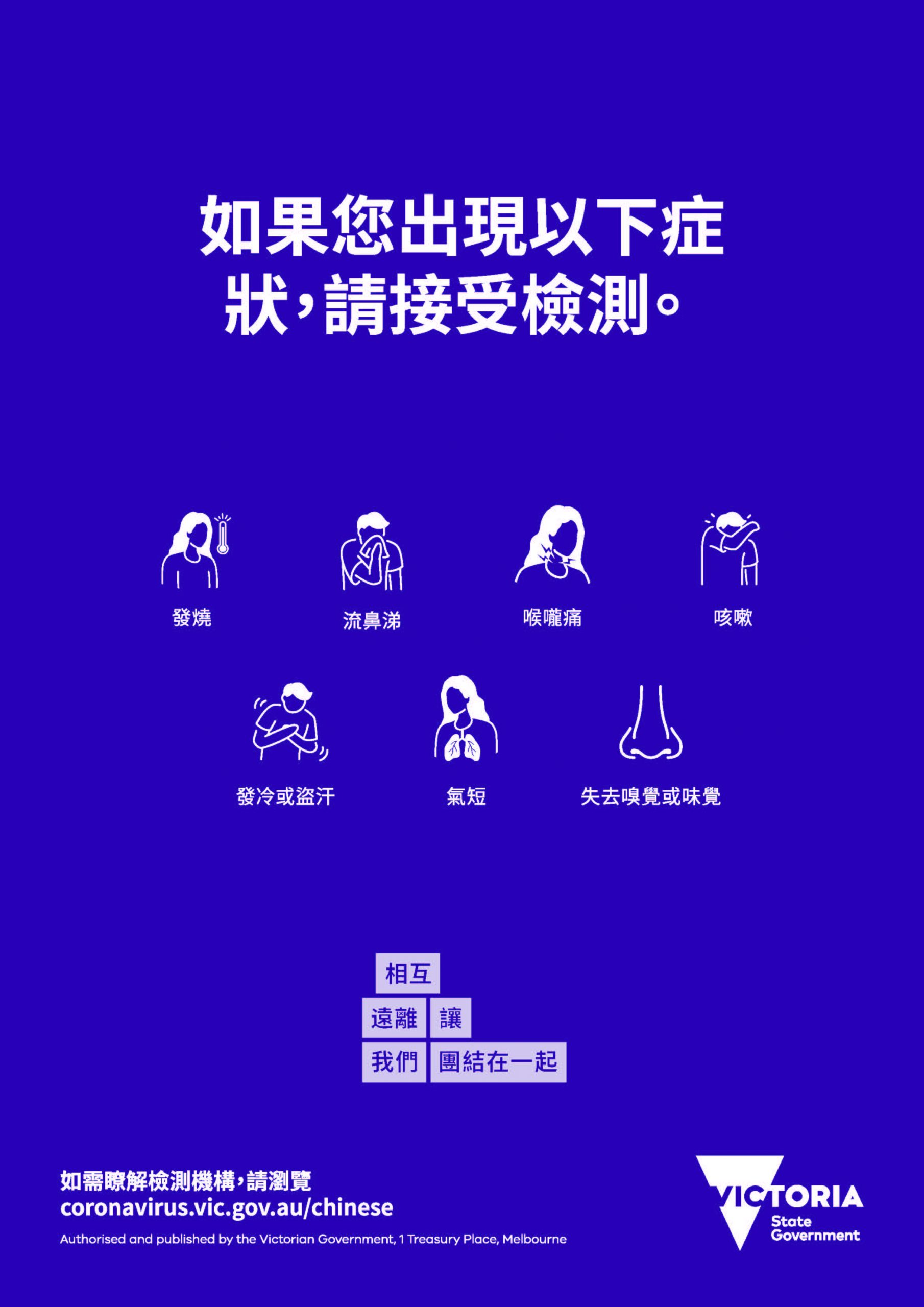
如果您出現以下症狀,請接受檢測。
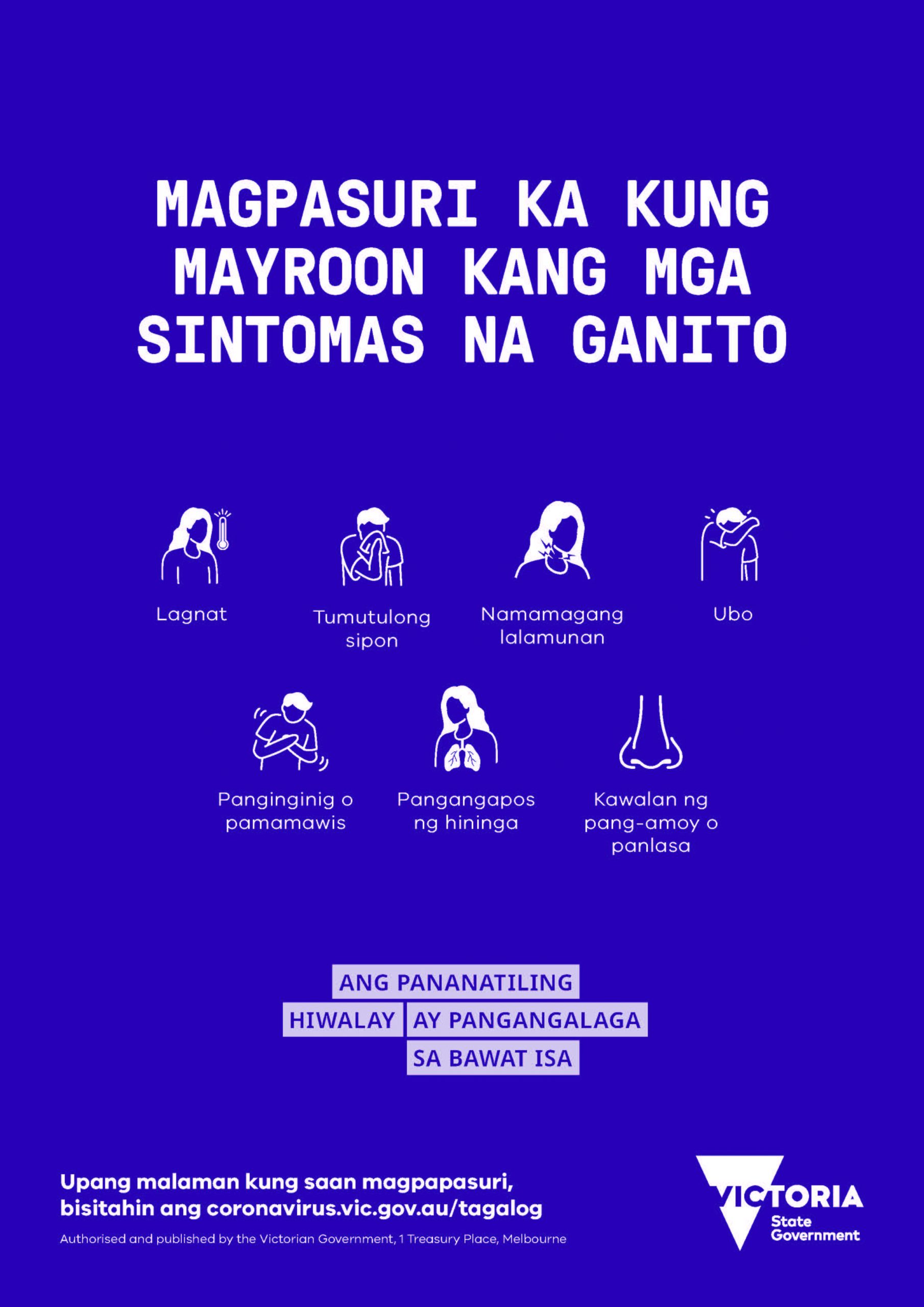
FILIPINO: Kung nakakaranas ka ng mga sumusunod na sintomas, mangyaring subukan.
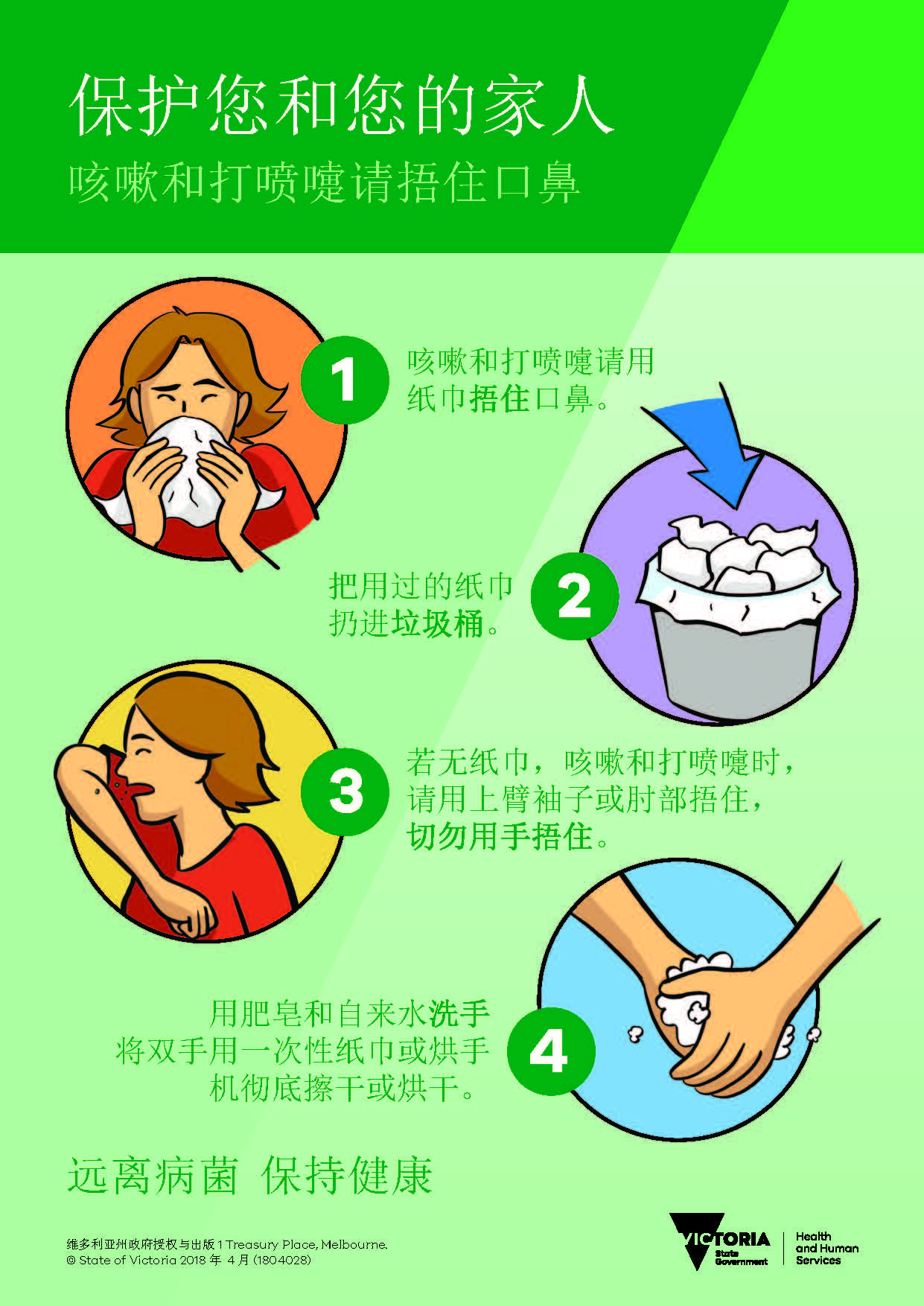
保护您自己和家人 – 咳嗽和打喷嚏时请捂住

How to wear a face mask 怎麼戴口罩
UAE Fully Suspends Trade and Financial Ties with Iran
Victorian Liberal Candidate Counselled Over Volunteer Internship Program

Trump signs order banning “birth tourism” and further restricting birthright citizenship

SpaceX Rocket Debris Hits the Moon, Renewing Concerns Over Space Junk

Australia Sets New Standards for Men’s Behaviour Programs
-
 Cuisine Explorer6 years ago
Cantonese Mango Sago
-
Uncategorized6 years ago
如果您出現以下症狀,請接受檢測。
-
Tagalog6 years ago
FILIPINO: Kung nakakaranas ka ng mga sumusunod na sintomas, mangyaring subukan.
-
Cantonese - Traditional Chinese6 years ago
保护您自己和家人 – 咳嗽和打喷嚏时请捂住
-
 Uncategorized6 years ago
How to wear a face mask 怎麼戴口罩
-
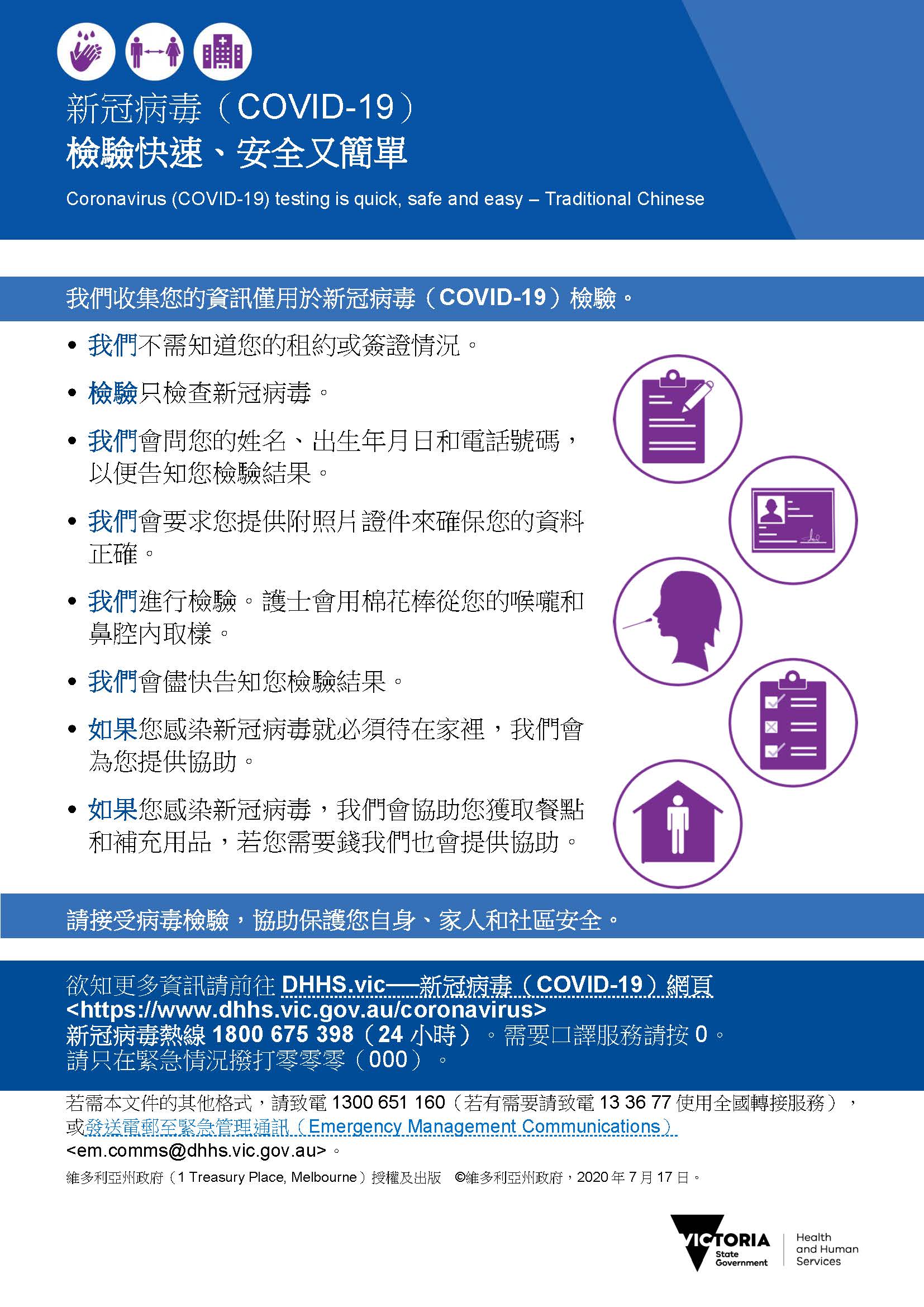 Uncategorized6 years ago
COVID-19 檢驗快速 安全又簡單
-
Uncategorized6 years ago
在最近的 COVID-19 應對行動中, 維多利亞州並非孤單
-
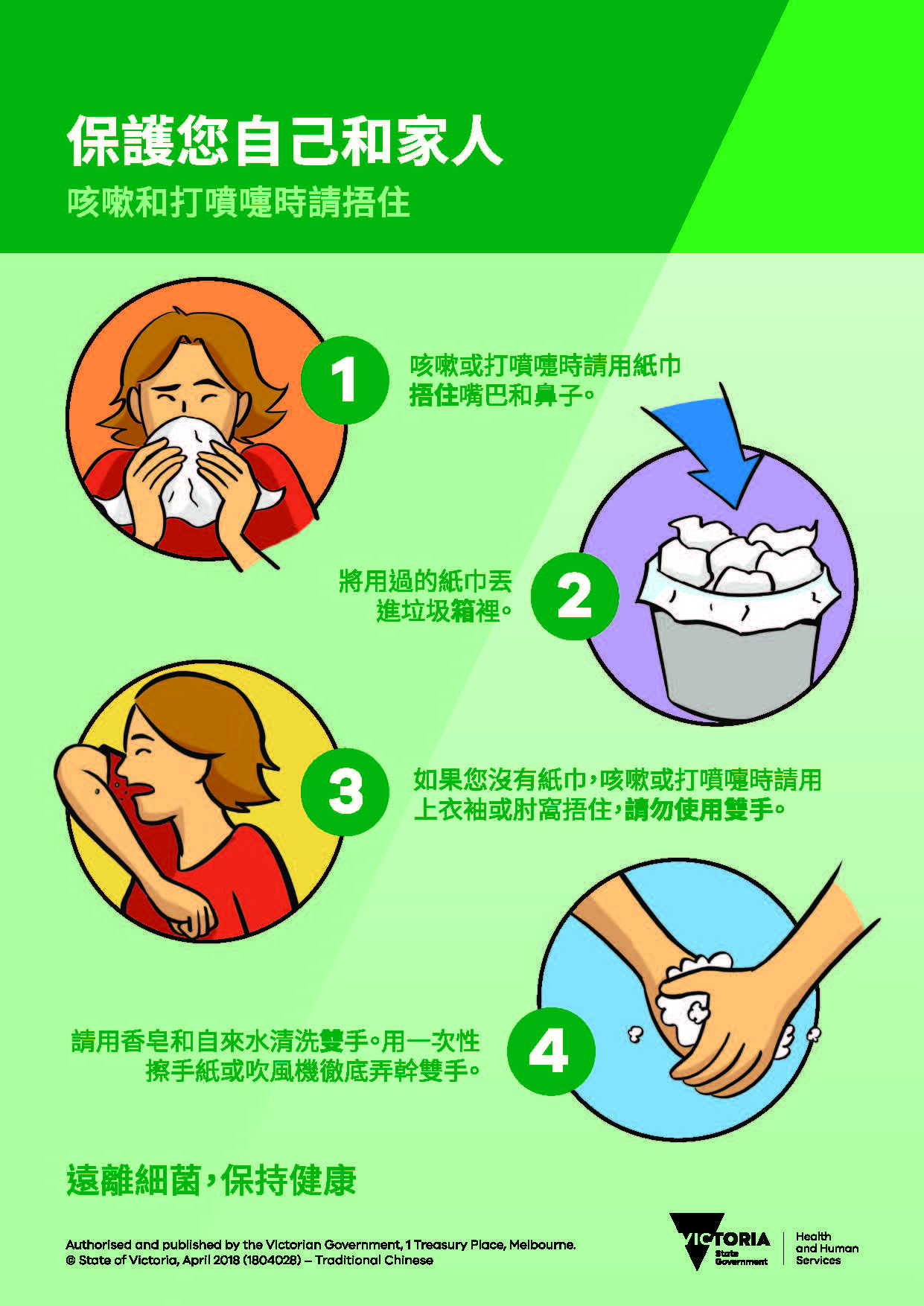 Cantonese - Traditional Chinese6 years ago
保護您自己和家人 – 咳嗽和打噴嚏時請捂住
