Connect with us

Uncategorized

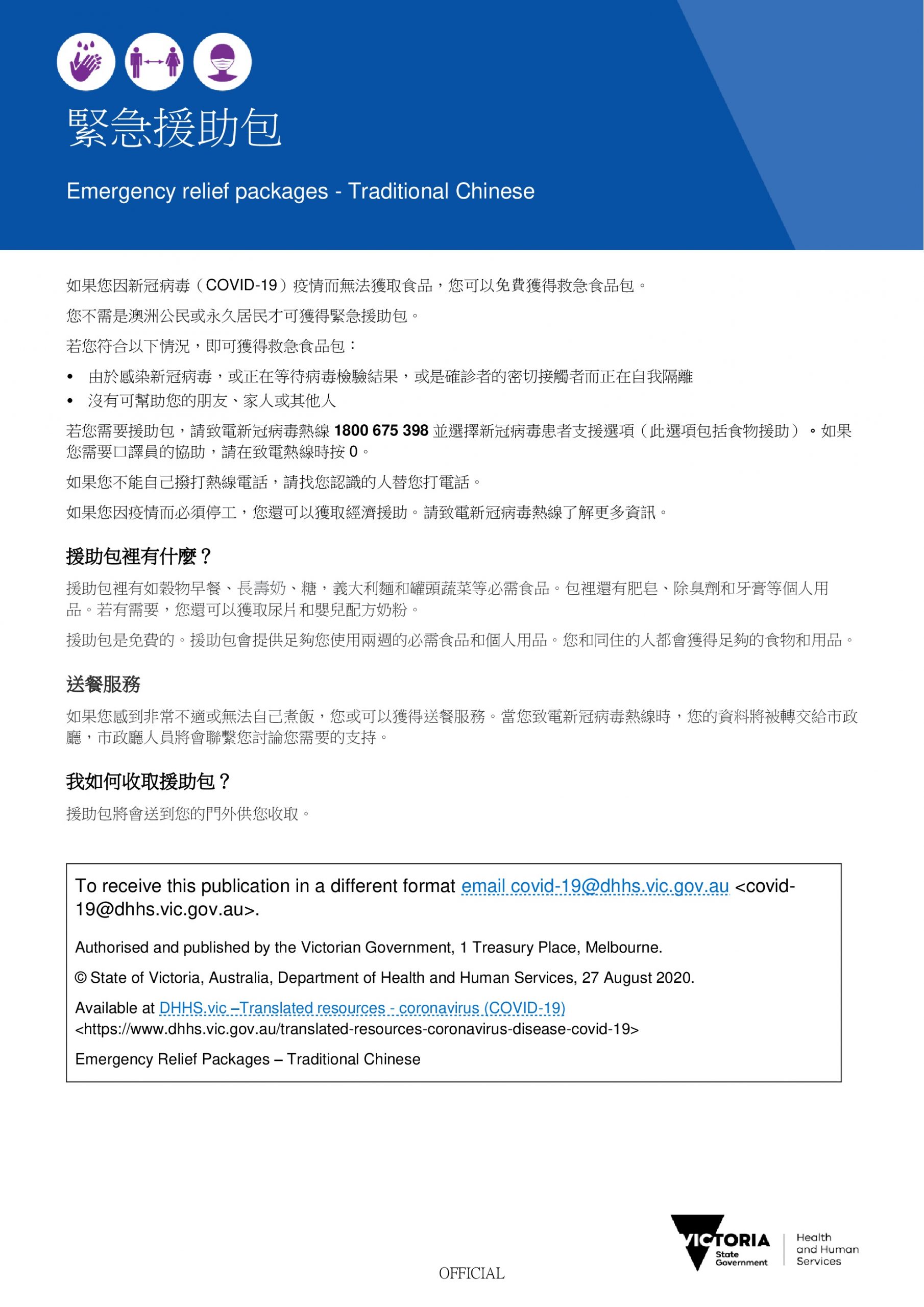
Emergency Relief Packages 緊急援助包
Published

on

Continue Reading
Click to comment

Leave a Reply

Your email address will not be published.

Features

The Era of Fuel Shortages: An Overlooked Structural Crisis

Published

on

It was only when oil prices surged by tens of cents within a matter of weeks, when gas stations in remote areas began running out of fuel, and when the government rolled out a series of tax cuts and subsidies in an attempt to stabilize people’s livelihoods that Australian society suddenly realized that a fuel supply once taken for granted was, in fact, far from secure.

On the surface, this fuel shortage was triggered by the war in the Middle East, but viewing it merely as an external shock may be an oversimplification. The deeper question is: Why was Australia’s energy system so rapidly affected when global supply chains were disrupted? Is this truly an external crisis, or is it a structural problem that has long existed but was simply masked?

Turmoil in the Strait of Hormuz

The immediate trigger for this energy crisis stems from the rapid escalation of tensions in the Middle East. Following military strikes by the United States and Israel against Iran, global energy markets swiftly plunged into a state of high uncertainty. As one of the most critical chokepoints for global oil transportation, security conditions in the Strait of Hormuz immediately deteriorated, and Iran’s blockade of the waterway further exacerbated tensions.

This narrow waterway carries approximately one-fifth of the world’s seaborne oil supply. Its strategic importance lies not only in its volume of traffic but also in its near-irreplaceability—should it be blocked, there are virtually no alternative routes capable of fully assuming its transport function. Consequently, any disruption would rapidly ripple through global markets, triggering a chain reaction.

According to shipping data, approximately 30 oil tankers departed the Persian Gulf daily before the conflict erupted; however, as hostilities intensified, traffic volumes plummeted at one point. On the surface, Australia does not rely directly on Middle Eastern oil supplies and thus appears unlikely to face immediate impacts; yet, these effects quickly ripple through global markets. When major supply routes are blocked and overall market supply tightens, all import-dependent nations are inevitably affected.

This is not merely price volatility driven by market expectations or speculative behavior, but a substantive “physical contraction” of the supply chain itself. In such circumstances, rising prices are merely the first-order reaction; the deeper shift lies in the transformation of the market’s operational logic.

As risks escalate, governments and energy companies worldwide are prioritizing domestic supply. Some Asian nations have successively tightened export controls, and some have even adopted a “domestic demand first” policy orientation. The global energy market, once founded on efficiency and free flow, is gradually shifting toward a distribution model dominated by security and prioritization.

In this environment, countries like Australia—which are highly dependent on imports—must not only bear higher energy prices but also face the uncertainty of “whether they can secure supplies.” It is precisely against this backdrop that Australia has been rapidly thrust to the forefront of this energy crisis.

The Government’s Response

In Australia, fuel prices have seen their sharpest rise in recent years, with some regions even experiencing temporary fuel shortages. Prime Minister Albanese delivered a rare national televised address, announcing measures including a 50% reduction in fuel tax and the suspension of heavy vehicle road charges. He further coordinated with the states to temporarily forgo a portion of Goods and Services Tax (GST) revenue, thereby reducing the price of fuel by an additional 5.7 cents per liter, for a total reduction of approximately 32 cents.

While these measures will indeed help alleviate the cost-of-living pressure in the short term, they essentially constitute price intervention rather than supply adjustments. In other words, the government is attempting to address the issue of “gas being too expensive,” rather than whether there is “enough gas.”

The limitation of this strategy lies in its inability to address the instability of the supply chain itself. Once imports are disrupted, physical fuel shortages may still occur regardless of price adjustments. This raises a critical question: when energy issues affect national operations, is relying solely on market and price mechanisms sufficient?

Australia’s Fuel System

Before discussing Australia’s current fuel shortage and supply crisis, it is essential to understand how its fuel system operates. The primary fuels used in Australia are gasoline (Petrol), diesel (Diesel), and jet fuel (Jet Fuel), in addition to fuel oil, bitumen, and others.

From extraction to consumption, petroleum generally goes through four stages: “extraction, transportation, refining, and distribution.” Australia possesses significant oil and natural gas resources, primarily located in Western Australia and the Bass Strait region, with a monthly crude oil production of approximately 12 million barrels. However, most of this domestically produced crude oil is exported overseas, while the fuel used domestically relies heavily on imports of refined petroleum products from Asian refining hubs.

Currently, approximately 90% of Australia’s gasoline, diesel, and aviation fuel relies on imports, primarily from countries such as Singapore, South Korea, Malaysia, and Taiwan. This “export crude, import fuel” model emerged against the backdrop of economic globalization and has long been regarded as the most cost-effective solution.

However, this arrangement also means that Australia’s energy security does not depend on its own resources, but rather on the stability of international supply chains. When supply chains are functioning smoothly, this dependence is not particularly noticeable; but when wars, shipping disruptions, or export restrictions occur, the risks are rapidly magnified. As is the case now, with the Strait of Hormuz—a major global oil transport artery—nearly at a standstill, crude oil supplies have been disrupted, affecting the mid- and downstream segments of the petroleum industry, including refining. Six fuel tankers originally scheduled to arrive in Australia next month have had their voyages canceled or postponed, leading to the current fuel crisis.

It is also worth noting that Australia currently relies almost entirely on foreign tankers for fuel imports and lacks domestically controlled shipping capacity. The local fleet that existed a decade ago has now virtually disappeared. This means that even if fuel has been purchased, it still relies on external transportation systems to reach and be distributed across the country. Under such circumstances, Australia not only has to pay higher prices but may also face the dilemma of “being able to buy but unable to transport.”

The Limits of Globalization

Let us begin by making a preliminary observation: Australia’s fuel shortage reflects an inherent contradiction within the globalized system.

Over the past few decades, supply chains have been designed with efficiency and cost in mind, as businesses and governments have sought to reduce inventory and outsource production to enhance competitiveness. However, this model relies on a stable global environment. When geopolitical risks rise and supply chains shift from “global sharing” to “national priority,” this highly efficient system becomes vulnerable.

Australia’s problem lies not in whether it participates in globalization, but in whether it has retained sufficient autonomy and flexibility within this system.

In the fuel supply system, the government’s role has long been defined as that of a “market regulator” rather than a “direct participant.” Under free-market logic, oil is viewed as a commodity, and its supply and price should be determined by market mechanisms, with the government needing to avoid excessive interference in corporate operations. While this principle may hold true during stable times, this positioning faces a real-world test in crisis situations.

Unlike daily consumer goods such as rice and toilet paper, fuel has no true substitutes. Whether it be transportation, the healthcare system, agricultural production, or the operation of emergency services, all rely heavily on a stable fuel supply. Should a disruption occur, the consequences extend far beyond rising prices; the entire nation’s operations could grind to a halt. For this very reason, fuel issues have essentially transcended the realm of ordinary commodities and are closer to strategic resources.

The Role of the Government

During this fuel shortage, the federal government activated Level 2 of the National Fuel Response Mechanism on March 30, signaling that the government had begun to intervene and coordinate supply chain operations. However, given that the response level was raised only after the international situation had clearly deteriorated for several weeks, questions have been raised about whether the government’s reaction was too slow. More critically, even after entering Level 2, the policy focus remained on “management and coordination” rather than “directly ensuring supply.”

In other words, the government’s role within the system remains that of a “manager”—facilitating market operations and mitigating volatility—but it does not assume the responsibility of providing a “safety net.” When the supply chain itself breaks down, this role proves inadequate. The issue is not whether the government should completely replace the market, but whether the current level of intervention is sufficient for critical resources such as fuel.

Of course, it must also be noted that the Australian government has not failed in its policy duties. In a global energy system characterized by high interdependence, virtually no country can be entirely self-sufficient; moreover, the impact of conflicts in the Middle East on the oil market is, in itself, difficult to avoid. Therefore, the current predicament is not the result of a single policy mistake, but rather the outcome of long-term structural choices.

However, the issue lies in “foresight and preparedness.” When risks have long existed, should the government have established higher reserves and set aside greater buffers during peacetime? Why have we not seen large-scale replenishment of strategic reserves even after the crisis erupted? When market prices rise, should the government intervene more proactively in procurement rather than relying solely on corporate decisions?

The Boundaries of Intervention

These issues point to a deeper contradiction: under normal circumstances, it is reasonable for the government to maintain the role of a “neutral arbiter,” as large-scale stockpiling entails significant costs—such as the construction of oil storage facilities, the maintenance of reserves, and disputes over who should bear these expenses. However, in times of crisis, relying solely on market mechanisms is clearly insufficient to address the risk of supply disruptions, and it becomes difficult for the government to maintain a stance of “non-intervention.”

This shift actually has precedents from the pandemic. From vaccine procurement to information dissemination, the government was similarly criticized for its slow response in the early stages, revealing that policy systems often lack sufficient foresight and responsiveness when facing transnational crises. Therefore, the current fuel shortage raises not only short-term response issues but also calls for a rethinking of the government’s role: in critical resource sectors, should we continue to rely entirely on market efficiency, or is it necessary to establish stronger state intervention capabilities?

In the long run, this also involves a repositioning of industrial policy. If Australia is to reduce its external dependence, it must reinvest in domestic refining capacity and upgrade existing facilities so they can process local crude oil and supply the domestic market. Currently, the remaining refineries primarily process imported crude, while high-quality domestically produced crude is exported overseas, creating a structural contradiction of “exporting raw materials and reimporting finished products.”

This inverted model may have been reasonable during periods of stable globalization, but it becomes a source of risk when supply chains are disrupted. If the government continues to view fuel as a purely commercial commodity rather than a strategic resource, similar crises may well recur in the future.

Therefore, the fundamental issue is not whether the government has “made a mistake,” but whether its role remains confined to the economic framework of the past. Now that energy issues are inextricably intertwined with national security, is the government prepared to assume a more proactive—or even a more dominant—role?

The Warning of the Fuel Shortage

Looking back at the crisis as a whole, it becomes clear that the fuel shortage was not a single event, but rather the convergence of multiple structural factors: reliance on imports, the loss of refining capacity, insufficient reserves, and a lack of control over transportation—all of which combined to create a fragile system.

War was merely the trigger, not the root cause.

When fuel supply affects economic operations, social stability, and even national security, the issue transcends the realm of the market. It compels policymakers to rethink how to strike a balance between efficiency and security.

For Australia, this fuel shortage may be more than just a short-term crisis; it may mark the beginning of a long-term structural problem.

Continue Reading

Uncategorized

NEMBC Cantonese News – 29 October 2024

Published

on

1. 新聞提要
今天新聞提要包括: 澳大利亞正面臨助產士危機,三分之一的助產士考慮離開這個行業、對於經濟條件較差的人來說,墮胎的機會仍然不足、在維多利亞建築局進行嚴厲的審查後,新的監督機構將取替維多利亞建築局、保護澳大利亞戰鬥能力的能源計劃

2. 澳大利亞正面臨助產士危機,三分之一的助產士考慮離開這個行業

澳大利亞正面臨助產士危機,超過三分之一的助產士考慮離開這個行業,而且目前的勞動力短缺,特別是在農村地區。
護理與助產委員會 (Nursing and Midwifery Board) 的一份報告調查了 3,000 名助產士,結果顯示只有 2% 的管理者表示產科服務人手充足,COVID-19 之後的招聘挑戰更加嚴峻。
近 37% 的助產士(大多數年齡在 50 歲以下)正考慮離職,這可能需要增加 10 倍的畢業生人數。
Burnet Institute 建議將學生人數增加 20%,並讓助產士能全力工作。
由於財務與需求壓力,已有八家私立醫院在 18 個月內關閉產科服務。
新南威爾士州(NSW)和昆士蘭州(Queensland)等州正在進行改革,以解決產科護理標準和人員配置問題。

3. 對於經濟條件較差的人來說,墮胎的機會仍然不足

根據維州婦女健康組織(Women’s Health Victoria)的報告,對於處於不利地位和地區的維州人來說,墮胎的機會仍然有限,迫使一些人要跋涉數百公里,花費超過 1,000 美元才能獲得治療。
該報告分析了30,000通電話和服務提供者的資料,發現那些處於高度劣勢地區的人更有可能在9周後尋求墮胎,這縮窄了他們的醫療選擇,因為藥物墮胎只提供到9周,而手術服務則集中在城市。
三分之二的地方政府缺乏手術墮胎服務提供者,生活費壓力進一步限制了墮胎機會。
財務不安全是受訪者最關心的問題,許多人為了獲得必要的生殖照護而掙扎。
儘管維多利亞州在生殖健康方面取得了進展,但維多利亞州婦女健康組織(Women’s Health Victoria)仍強調需要解決系統性的不平等問題。

4. 在維多利亞建築局進行嚴厲的審查後,新的監督機構將取替維多利亞建築局

由維多利亞建築局 (Victorian Building Authority) 執行長 Anna Cronin 委託進行的一項新審查顯示,該局在處理業主因物業存在缺陷或未完工而提出的投訴時存在重大失誤。
該報告概述了監管不力、延誤、遺失投訴,以及對投訴人的輕視態度,導致業主面臨嚴重的經濟和情感困擾。
該審查報告強調了重複或忽略投訴,以及缺乏技術檢查等問題,其結論是 VBA 缺乏監督,使得不合標準的工作和不道德的行為得以猖獗。
作為回應,維多利亞州政府已宣布計劃以一個更強大的監管機構取代該機構,將監管、保險及爭議解決合而為一。
規劃部長 Sonya Kilkenny 將詳細介紹這項改革,並承諾加強處理和預防建築缺陷的權力。

5. 保護澳大利亞戰鬥能力的能源計劃

澳大利亞政府公布了一項新的 「淨零防禦戰略」(Defence Net Zero Strategy),以減少軍事行動對環境的影響,同時仍能保持其防禦能力。
該計劃由國防工業部長 Pat Conroy 發佈,將氣候變化稱為國家安全問題,並敦促軍方採用更多可再生電力、轉用低排放燃料、提高能源效率,並探索在國防土地上進行碳封存。
與此相輔相成的是「國防未來能源策略」(Defence Future Energy Strategy),該策略概述了向低碳能源(如可再生柴油和可持續航空燃料)的過渡,以及長期選擇(如氫氣和空運及海運使用的電氣化)。
國防部長 Greg Moriarty 強調能源自給自足對國家安全的重要性。
該戰略與澳大利亞的淨零目標一致,旨在降低長期能源成本,同時保持軍事準備狀態以及與國際盟友的合作。

我是Raymond,謝謝收聽, 下次將爲你帶來更多消息。
新聞服務由Blessing CALD提供。

Continue Reading

Uncategorized

NEMBC Mandarin News – 29 October 2024

Published

on

1. 新闻提要
今天新闻提要包括: 澳大利亚正面临助产士危机,三分之一的助产士考虑离开这个行业、对于经济条件较差的人来说,堕胎的机会仍然不足、在维多利亚建筑局进行严厉的审查后,新的监督机构将取替维多利亚建筑局、保护澳大利亚战斗能力的能源计划

2. 澳大利亚正面临助产士危机,三分之一的助产士考虑离开这个行业

澳大利亚正面临助产士危机,超过三分之一的助产士考虑离开这个行业,而且目前的劳动力短缺,特别是在农村地区。
护理与助产委员会 (Nursing and Midwifery Board) 的一份报告调查了 3,000 名助产士,结果显示只有 2% 的管理者表示产科服务人手充足,COVID-19 之后的招聘挑战更加严峻。
近 37% 的助产士(大多数年龄在 50 岁以下)正考虑离职,这可能需要增加 10 倍的毕业生人数。
Burnet Institute 建议将学生人数增加 20%,并让助产士能全力工作。
由于财务与需求压力,已有八家私立医院在 18 个月内关闭产科服务。
新南威尔士州(NSW)和昆士兰州(Queensland)等州正在进行改革,以解决产科护理标准和人员配置问题。

3. 对于经济条件较差的人来说,堕胎的机会仍然不足

根据维州妇女健康组织(Women’s Health Victoria)的报告,对于处于不利地位和地区的维州人来说,堕胎的机会仍然有限,迫使一些人要跋涉数百公里,花费超过 1,000 美元才能获得治疗。
该报告分析了30,000通电话和服务提供者的资料,发现那些处于高度劣势地区的人更有可能在9周后寻求堕胎,这缩窄了他们的医疗选择,因为药物堕胎只提供到9周,而手术服务则集中在城市。
三分之二的地方政府缺乏手术堕胎服务提供者,生活费压力进一步限制了堕胎机会。
财务不安全是受访者最关心的问题,许多人为了获得必要的生殖照护而挣扎。
尽管维多利亚州在生殖健康方面取得了进展,但维多利亚州妇女健康组织(Women’s Health Victoria)仍强调需要解决系统性的不平等问题。

4. 在维多利亚建筑局进行严厉的审查后,新的监督机构将取替维多利亚建筑局

由维多利亚建筑局 (Victorian Building Authority) 执行长 Anna Cronin 委托进行的一项新审查显示,该局在处理业主因物业存在缺陷或未完工而提出的投诉时存在重大失误。
该报告概述了监管不力、延误、遗失投诉,以及对投诉人的轻视态度,导致业主面临严重的经济和情感困扰。
该审查报告强调了重复或忽略投诉,以及缺乏技术检查等问题,其结论是 VBA 缺乏监督,使得不合标准的工作和不道德的行为得以猖獗。
作为回应,维多利亚州政府已宣布计划以一个更强大的监管机构取代该机构,将监管、保险及争议解决合而为一。
规划部长 Sonya Kilkenny 将详细介绍这项改革,并承诺加强处理和预防建筑缺陷的权力。

5. 保护澳大利亚战斗能力的能源计划

澳大利亚政府公布了一项新的 「净零防御战略」(Defence Net Zero Strategy),以减少军事行动对环境的影响,同时仍能保持其防御能力。
该计划由国防工业部长 Pat Conroy 发布,将气候变化称为国家安全问题,并敦促军方采用更多可再生电力、转用低排放燃料、提高能源效率,并探索在国防土地上进行碳封存。
与此相辅相成的是「国防未来能源策略」(Defence Future Energy Strategy),该策略概述了向低碳能源(如可再生柴油和可持续航空燃料)的过渡,以及长期选择(如氢气和空运及海运使用的电气化)。
国防部长 Greg Moriarty 强调能源自给自足对国家安全的重要性。
该战略与澳大利亚的净零目标一致,旨在降低长期能源成本,同时保持军事准备状态以及与国际盟友的合作。

我是Raymond,谢谢收听, 下次将为你带来更多消息。
新闻服务由Blessing CALD提供。

Continue Reading

Trending