Connect with us

Features

The U.S.-Iran War Stalemate: Where Do Nations Go From Here?

Published

on

As of press time, the military strikes launched by Israel and the United States against Iran had persisted for over nine days. Airstrikes and missile attacks continued across multiple regions within Iran, Israel, and the Persian Gulf. According to multiple media reports, since the conflict erupted, the US-Israel coalition has targeted thousands of military and infrastructure sites in Iran. Iran has retaliated by launching multiple waves of missiles and drones toward several countries in the region.

This conflict rapidly escalated within a short timeframe, spreading to a broader region. However, based on media reports and the extent of damage to military facilities on both sides, Iran has clearly suffered the destruction of most of its military equipment under the powerful military force of the U.S. and Israel, including air and missile strikes. Nevertheless, since the U.S. has not deployed ground troops for direct attacks, the development of Iran’s political situation remains highly uncertain. The intertwining of energy supply chains, regional security dynamics, and great power competition means the war’s impact extends far beyond the conflict between the United States, Israel, and Iran.

Against the backdrop of escalating hostilities, a core question emerges: How will this war conclude?

Why did the conflict erupt?

The U.S. and Israeli military actions against Iran were not impulsive decisions by President Trump, but rather the culmination of long-standing tensions. The backdrop stems primarily from three intertwined threads: the Iranian nuclear issue, proxy conflicts in the Middle East, and the long-term strategic competition over regional power dynamics.

For years, Israel has consistently viewed Iran’s nuclear program as a fundamental threat to its national security. For a nation significantly smaller in size and population than Iran, and perpetually operating in a hostile environment, the acquisition of nuclear weapons by its adversary would fundamentally alter the entire strategic balance. Consequently, Israel has consistently adopted an extremely hardline stance on Iran’s nuclear issue, repeatedly hinting at the possibility of military action to prevent Tehran from developing nuclear weapons.

The United States has long sought to curb Iran’s nuclear program through sanctions, diplomatic negotiations, and intelligence operations. However, over a decade of diplomatic efforts has yielded limited results. While nuclear talks repeatedly stalled, Iran’s influence in the Middle East continued to expand. Organizations such as Lebanon’s Hezbollah, Iraqi Shia militias, and Yemen’s Houthi rebels all maintain varying degrees of close ties with Tehran. For Israel and the United States, these forces constitute a “network of proxies” spanning the Middle East, threatening regional security and control.

The ultimate trigger was the collapse of the third round of nuclear talks held in Geneva on February 26. For Washington and Tel Aviv, the possibility of resolving the nuclear issue through negotiations had significantly diminished. The failure of these talks symbolized the near exhaustion of diplomatic avenues.

In the early hours of February 28, the United States and Israel launched a massive airstrike operation dubbed “Operation Epic Fury,” marking the formal outbreak of this long-simmering conflict.

Yet as hostilities unfolded, a perplexing question emerged: Was this war based on a coherent and well-defined strategic plan?

Washington’s Strategic Ambiguity

In the conflict’s early stages, the U.S. government’s stated justifications appeared inconsistent, reflecting internal divisions in Washington over the war’s objectives.

Secretary of State Rubio initially stated that U.S. intervention primarily aimed to support Israeli military operations and protect American bases in the Middle East from retaliatory attacks. Yet shortly thereafter, during a meeting with the German Chancellor, Trump claimed his decision to use force was largely intuitive, based on his belief that Iran might be preparing a preemptive strike.

It took several days for the administration to gradually consolidate its official narrative around “destroying Iran’s nuclear capabilities.” Yet even then, contradictory signals persisted within Washington. During the conflict’s first week, the Speaker of the U.S. House of Representatives publicly declared: “We are not at war, nor do we intend to be at war.”

These contradictory statements inevitably raised external doubts about whether the U.S. had entered a high-risk conflict without a comprehensive strategic consensus.

When the political objectives of a war remain poorly defined, a more fundamental question emerges: What exactly should this war achieve, and under what circumstances would it be declared over?

Iran’s Internal Dilemma

Following the outbreak of conflict, signs of internal discord emerged within Iran’s decision-making circles. Reports indicate that Iranian President Pezeskian publicly apologized for Iran’s airstrikes against Gulf nations, only to retract his statement shortly after facing criticism from domestic hardliners. Concurrently, air raid alerts and air defense interceptions occurred in Qatar, the United Arab Emirates, and other locations. This contradictory messaging has been interpreted by many observers as evidence of significant discord between Iran’s government and its military establishment.

This situation is closely tied to Iran’s long-established military command structure. Multiple reports indicate that former Supreme Leader Ayatollah Khamenei had delegated portions of operational command authority to regional military districts during his lifetime. Some local commanders even possessed the autonomy to select targets or launch missiles independently.

This decentralized structure was originally designed to enhance wartime survivability, ensuring military operations could continue even if central leadership suffered casualties. However, this system also introduces new risks. When command authority is dispersed across multiple tiers, local commanders acting under insufficient information or ambiguous political signals may lead to miscalculations and escalation of conflict, creating a disconnect between political and military directives.

More critically, the recent “decapitation strikes” targeting Iran’s leadership by the U.S. and Israel have intensified this uncertainty. Multiple senior Revolutionary Guard commanders have been killed in succession, including the Supreme Leader himself in an early airstrike. While Iran’s military operations have not immediately collapsed, the rift between its political and military command structures may be widening.

Iran’s Counterstrike

In terms of military strength, the United States and Israel undeniably hold overwhelming advantages in technology, intelligence capabilities, and advanced weapon systems. For Iran to attempt to defeat its adversaries through conventional military confrontation on the battlefield is virtually impossible. Tehran clearly recognizes this, hence its military actions increasingly resemble an “asymmetric response”: not pursuing decisive battlefield victories, but instead seeking to raise the adversary’s costs of sustained warfare through multiple means.

For instance, Iran is well aware of its geographical and military limitations. While the U.S. mainland lies thousands of miles away, making direct strikes difficult, U.S. military bases scattered across the Middle East—particularly facilities in Arab nations—fall well within the range of Iranian missiles and drones. Thus, attacks on targets in Qatar, the UAE, Kuwait, Oman, and Iraq carry not only military significance but also send clear political signals.

Beyond military strikes, Iran’s other key bargaining chip is the Strait of Hormuz. This narrow waterway is one of the world’s most critical energy transport routes, through which approximately one-fifth of the world’s seaborne oil is shipped to global markets. Any disruption to shipping would rapidly destabilize global energy markets. Iran need not fully block the strait—merely creating a credible threat or sporadic interference could drive up oil prices and heighten market anxiety, compelling the international community to focus on the conflict and seek de-escalation.

However, this strategy of escalating risks to exert political pressure carries significant costs. Tehran may hope Gulf states will pressure Washington under energy and security pressures, but if attacks escalate, the outcome could backfire: rather than aligning with Iran, these nations may instead increase reliance on U.S. and Israeli military protection due to security threats. Long-term, this dynamic could further erode Iran’s diplomatic maneuvering space in the region, deepening its isolation within the Middle East’s political landscape.

Chain Reaction in the Middle East

Conflicts in the Middle East invariably carry significant spillover effects. Should hostilities escalate further, neighboring nations and non-state armed groups could easily become entangled, transforming what began as a bilateral dispute into a regional crisis. The Persian Gulf region, home to vital energy transport routes and military bases, renders the entire area particularly sensitive during times of conflict.

The current tensions have already begun affecting multiple nations with complex relationships with Iran. Iran has launched missiles and drones toward Qatar, the United Arab Emirates, and Oman. These nations maintain cooperative ties with Iran while preserving delicate political distance: Qatar shares one of the world’s largest offshore natural gas fields with Iran; the UAE has long served as a vital trade corridor for Iran; and Oman has repeatedly played a key mediating role in past U.S.-Iran negotiations.

Precisely for this reason, these nations have traditionally sought to maintain a certain equilibrium between the United States and Iran. However, should hostilities continue to escalate, they may find it difficult to sustain this neutral stance. When both energy security and national security are threatened simultaneously, Gulf states will likely be forced to choose between safeguarding their interests and yielding to geopolitical pressures. At that point, a conflict originally confined to the United States, Israel, and Iran could gradually evolve into a broader regional confrontation.

China’s Dilemma

Despite Iran’s longstanding classification as part of the “anti-Western camp,” Tehran received virtually no substantive support when war actually broke out. Partner nations including Russia, China, and North Korea largely confined themselves to diplomatic statements without taking direct military action.

Among nations maintaining ties with Iran, China’s stance has drawn particular attention.

Beijing has long been one of Iran’s largest oil buyers. Under Western sanctions, China often secures Iranian oil at lower prices, fostering a degree of economic interdependence between the two countries. Moreover, China’s energy structure relies heavily on the Middle East. Overall, over half of China’s oil and a significant portion of its natural gas originate from the region. Iranian and Venezuelan oil account for approximately 13% and 4% of China’s imports, respectively. Should war disrupt shipping through the Strait of Hormuz, China’s energy security would be directly threatened.

However, at the same time, Trump’s visit to China under these circumstances and his public criticism of U.S. military actions may have repercussions. Moreover, Beijing has shown a tendency this year to adopt a more conciliatory and proactive stance in handling Sino-U.S. relations. Therefore, even if Beijing expresses sympathy for Iran diplomatically, it must exercise restraint in actual policy, avoiding direct criticism of the U.S. and Israel, let alone providing tangible assistance.

Allies Absent

This situation reflects a reality: Iran’s relationships with these nations are largely based on mutual interests and geopolitical cooperation, rather than genuine military alliances. Many countries maintain ties with Iran primarily for energy, geopolitical, or counterbalancing purposes against the West. Yet when conflict escalates to the point of potential direct confrontation with the United States and Israel, few nations are willing to shoulder the risks.

Take Russia, for instance. While Moscow publicly condemned the U.S.-Israel military operations and called for diplomatic solutions, it showed no inclination toward direct military intervention. For Russia, the costs of direct confrontation with the U.S. or Israel in the Middle East would be prohibitively high, yielding limited strategic gains.

Other nations closely allied with Iran have adopted similar stances. While North Korea has issued strong political condemnations of U.S.-Israeli actions, it has provided no tangible military support. Latin American allies, grappling with their own domestic instability, are ill-equipped to offer meaningful geopolitical assistance.

Overall, these nations’ responses have largely remained diplomatic, revealing Iran’s profound isolation in terms of genuine security alliances. This restraint is not accidental but a calculated strategic choice. For these “anti-Western bloc” allies, direct involvement in a war between Iran and the U.S.-Israel axis carries immense risks and could trigger uncontrollable global conflict—costs far outweighing any potential gains.

Within this framework, despite Iran’s numerous diplomatic partners, it would likely bear the brunt of military and political pressure almost entirely alone should war erupt.

The U.S.-Israel Strategic Calculus

As hostilities escalate, external attention increasingly focuses on two critical questions: Will the U.S. deploy additional ground forces? Could the Iranian regime collapse as a result?

Current indications suggest that the U.S. and Israel’s strategy resembles a high-intensity “pressure campaign” rather than an immediate full-scale invasion aimed at regime change.

On the energy front, Iran has attempted to leverage the Strait of Hormuz as a bargaining chip. However, the U.S. has pledged to provide escort services for oil tankers and insurance arrangements for crude oil shipments to mitigate energy supply risks. In other words, Washington seeks to neutralize Iran’s most critical economic weapon.

Politically, Trump has repeatedly stated publicly that he hopes for regime change within Iran, rather than direct overthrow by external forces. He has even called on the Iranian people to “take over their own government” after the conflict, describing this as potentially “the only opportunity in generations.”

However, this strategy also carries significant costs. Cheap drones can force adversaries to continuously launch expensive interceptor missiles. Only once the ammunition stockpiles of an air defense system are significantly depleted can the real striking force potentially emerge. According to estimates by the Washington think tank CSIS, the daily military cost for the U.S. forces in the current conflict approaches $900 million. Using expensive missiles to intercept low-cost drones may be effective in the short term, but it is difficult to sustain in the long run.

Can the Iranian regime be overthrown?

Historical experience shows that airstrikes alone have rarely succeeded in toppling a well-armed regime.

In 2003, the United States deployed massive ground forces to invade Iraq before toppling Saddam Hussein’s regime. Similarly, the downfall of Libyan leader Muammar Gaddafi in 2011 occurred only through the combined effects of NATO airstrikes and ground offensives by anti-government forces.

Therefore, Washington currently appears to favor internal regime change within Iran. Yet this scenario carries significant uncertainty. However, the successful coordinated precision strikes by the U.S. and Israel targeting Iranian leadership at the war’s outset marked the first conflict in history primarily focused on eliminating government leaders and destroying military infrastructure. Experts remain divided on whether this approach can achieve political change without occupation.

For Iran, however, the objective of this war may not be to “defeat” the adversary, but rather to ensure the “survival” of its leadership to continue governing. As long as the regime does not collapse entirely, Tehran still hopes to restore its military and political influence in the future. Whether this is wishful thinking will likely become apparent soon.

Should the conflict ultimately lack a decisive outcome, the Middle East may revert to a familiar dynamic: nuclear issues, economic sanctions, and regional power struggles intertwined, while U.S.-Iran relations shift toward prolonged proxy conflicts, sanctions standoffs, and cyber warfare—creating a cold confrontation characterized by “no war, no peace; talks amid disruption.”

Looking back at history, from Afghanistan to Iraq to Kosovo, the United States has repeatedly become entangled in protracted and complex wars in the Middle East and surrounding regions. Reality has repeatedly demonstrated that starting a war is often far easier than ending one. If the conflict drags on, the real test may only just be beginning—not only for Iran, but equally for Washington. May the people affected by war find peace.

Continue Reading

Features

Who Will Form Israel’s Next Government After the Election?
Published

on

Three major political forces are locked in a power struggle, with Arab parties holding the balance of power. Israel’s democracy, war policies and Middle East diplomacy face a major test.

Israel held its Knesset election on 27 October 2026. The Central Elections Committee officially approved the results on 4 November, but no political bloc secured the 61 seats required for a parliamentary majority. Coalition negotiations have therefore become the focus of Israeli politics.

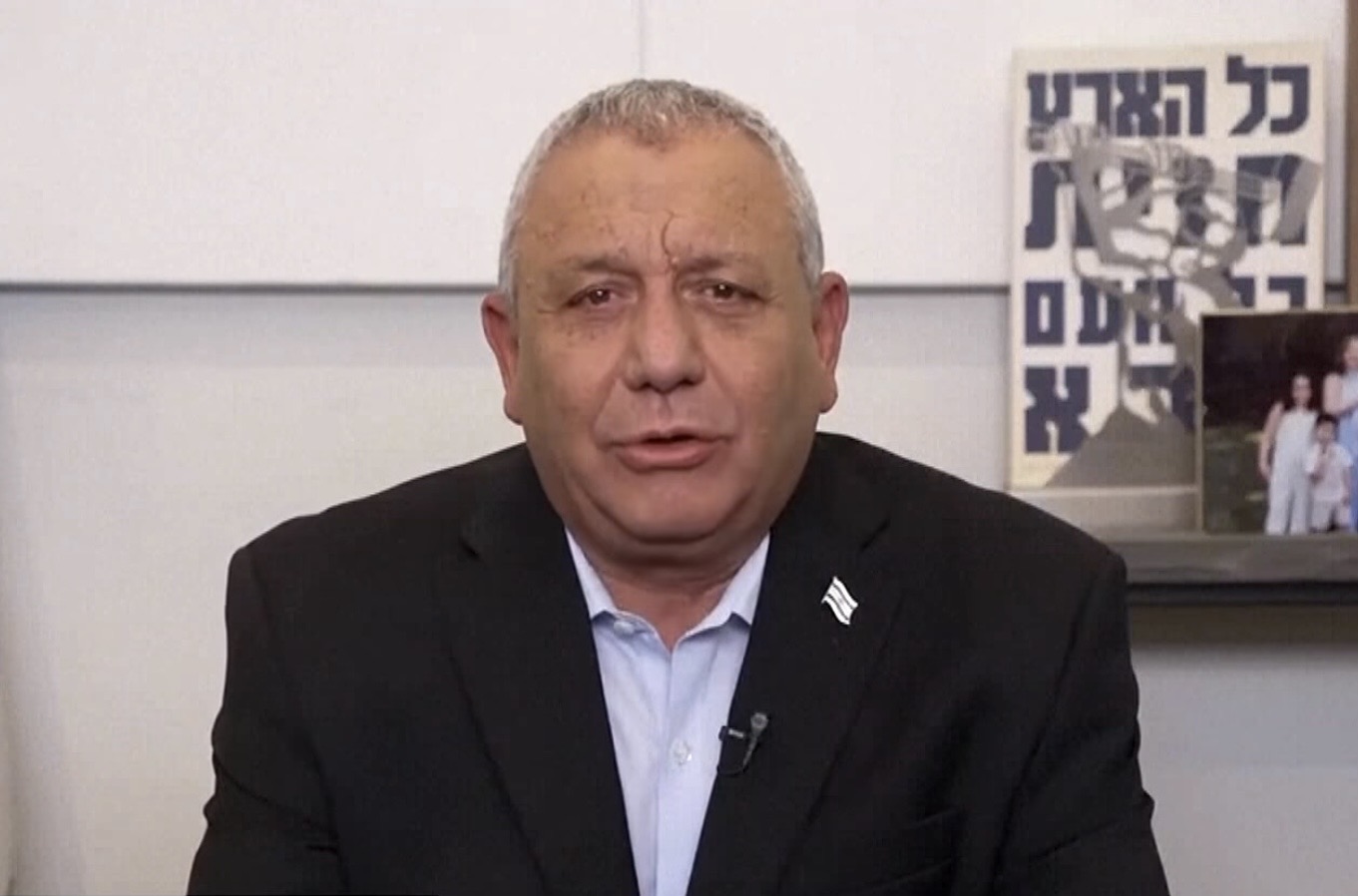
Although the Likud Party, led by Prime Minister Benjamin Netanyahu, won the most seats, his right-wing coalition failed to retain its parliamentary majority. Meanwhile, opposition leader and former military chief of staff Gadi Eisenkot secured support from Arab parties, receiving a higher number of recommendations from lawmakers. However, political differences between the two major blocs, as well as some parties’ refusal to cooperate with certain political groups, have left the prospects of forming a government highly uncertain.

More significantly, Netanyahu and his allies have questioned the election results, alleging possible interference by foreign forces. The election has therefore become more than a contest over a change of government. It is also a major test of Israel’s democratic institutions, social cohesion and future direction.

What impact will this election have on Israel and the wider global situation?

1. Netanyahu’s Political Career: Long-Term Leadership and Political Division

Benjamin Netanyahu’s career as prime minister has spanned several decades. He has served three terms as prime minister, leading successive coalition governments.

He first took office from 1996 to 1999, becoming the youngest prime minister in Israel’s history and the first prime minister to have been born after the country’s establishment. From 2009 to 2021, he began his second extended period in office, remaining in power for 12 consecutive years and surpassing the cumulative tenure of David Ben-Gurion, Israel’s first prime minister. After briefly leaving office, Netanyahu returned to power in late 2022 by forming a coalition with right-wing and far-right parties, beginning his third period as prime minister.

As leader of the conservative Likud Party, Netanyahu has long pursued a hardline, security-first approach. He has emphasised the need to counter Iran’s nuclear programme and regional armed groups, while maintaining a tough stance on Palestinian statehood and peace negotiations.

On the economic front, he has promoted free-market reforms, the privatisation of state-owned enterprises and the development of the high-tech industry. Israel’s success in the technology sector is certainly linked to his economic policies, but it is also built on earlier investments in education, scientific research, military technology and the accumulation of skilled immigrant talent.

In foreign affairs, Netanyahu oversaw the signing of the Abraham Accords, through which Israel established or improved diplomatic relations with several Arab countries.

However, his political career has also been marked by controversy. He has faced multiple corruption and bribery charges, making him the first sitting prime minister in Israel’s history to stand trial on criminal charges. His government’s push for judicial reforms also triggered large-scale protests across the country, intensifying public debate over judicial independence, democratic institutions and the separation of government powers.

Following Hamas’s attack on Israel on 7 October 2023, the government’s intelligence and security failures also came under intense scrutiny. The prolonged war, the issue of hostages held in captivity and the government’s handling of the conflict have further weakened public confidence in Netanyahu among sections of the population.

As a result, this election is not simply a routine change of political parties. It represents a significant political test of Netanyahu’s long-standing leadership.

2. Election Results: Three Major Political Forces, None Securing a Majority

Israel’s parliament, the Knesset, has 120 seats. A government must secure the support of at least 61 members to take office.

According to the officially announced election results, the major parties won the following number of seats:

Political Party Seats
Likud 27
Yashar (led by Eisenkot) 21
Together (Be’Yahad) 12
Joint List 11
The Democrats 8
United Arab List (Ra’am) 8
Yisrael Beiteinu 7
Otzma Yehudit 7
United Torah Judaism (UTJ) 7
Shas 6
Religious Zionism and Zehut 6
Total 120

From a political perspective, the results can be divided into three major blocs:

Netanyahu’s bloc: 53 seats. Mainly comprising Likud and other right-wing and religious parties.

Anti-Netanyahu bloc: 48 seats. Comprising Yashar, led by Eisenkot, and other opposition parties.

Arab parties: 19 seats. Including the Joint List with 11 seats and the United Arab List with eight seats.

The Arab parties collectively won 19 seats, the highest number in Israel’s history, making them a political force that cannot be overlooked in the coalition negotiations.

Prime Ministerial Endorsements: Eisenkot Secures Support from 67 Members of the Knesset

Israeli President Isaac Herzog is responsible for consulting political parties and deciding which member of the Knesset should be appointed to attempt to form a new government.

As of 5 November, a total of 67 lawmakers from six parties had recommended Eisenkot for prime minister, while parties supporting Netanyahu had 46 lawmakers behind him. United Torah Judaism did not recommend anyone.

The result gives Eisenkot a clear lead in the number of recommendations, but it does not mean he already has a coalition capable of governing stably.

President Herzog said that although the endorsement numbers appeared clear, mutual vetoes between the political blocs could make it difficult to form a government. He said he would continue discussions with party leaders and expected to decide on 8 November (Sunday) whom to appoint to form a government.

The person appointed will have 28 days to form a government, with the president able to grant a further 14-day extension. If the attempt still fails, another general election may be necessary.

The Challenges Facing Eisenkot in Forming a Government

Eisenkot secured recommendations from 67 lawmakers, largely because of the support of Arab parties.

However, this does not mean that the opposition has reached an internal consensus. Some right-wing and secular opposition leaders have previously made it clear that they are unwilling to form a coalition government with Arab parties.

If Eisenkot wants to form a government, he will therefore have to make certain political compromises.

One of the major points of contention is the exemption of ultra-Orthodox Jewish men from military service. Israel has long required most Jewish men to serve in the military, but ultra-Orthodox communities have historically enjoyed varying degrees of exemption. The prolonged war has left the military facing personnel shortages, making this issue increasingly contentious.

If Eisenkot hopes to secure the support of United Torah Judaism, he may need to reconsider the requirements for military service among the ultra-Orthodox.

Another issue of greater historical significance is whether Arab parties can genuinely participate in forming an Israeli government.

United Arab List leader Mansour Abbas has said that Arab parties are willing to serve as a bridge between different communities in Israel and support efforts to oppose terrorism and violence. However, considerable political resistance remains over whether other parties are willing to accept Arab parties as part of a coalition government.

This leaves Eisenkot facing a dilemma: he needs the support of Arab parties to secure a parliamentary majority, but some potential coalition partners are unwilling to work with them.

The Credibility of the Election Comes Under Scrutiny

Another issue complicating the situation is that Netanyahu and his allies have questioned the election results.

They have alleged that Arab parties may have received foreign financial support and that there were interference operations aimed at increasing voter turnout in Arab communities. Shin Bet director David Zini has also referred to a foreign interference investigation involving 100 million shekels.

However, it is important to distinguish between political allegations and facts that have been established.

On 4 November, Israel’s Central Elections Committee officially approved the election results, stating that its investigation had found no irregularities sufficient to undermine the integrity of the election or alter its outcome. President Herzog also accepted the official results and called on all sides to respect the voting rights of Arab citizens and avoid using racial rhetoric to discredit voters.

Therefore, there is currently insufficient publicly available evidence to prove that the election was manipulated or “stolen”.

The controversy reflects a deeper democratic issue: when political leaders refuse to accept election results and treat the political participation of minority voters as suspicious, the credibility of democratic institutions may be undermined.

3. Why Is This Election So Important? Israeli Society Faces Deep Divisions

This election comes at one of the most challenging periods in Israel’s history since its establishment.

Following Hamas’s attack on Israel on 7 October 2023, the war in Gaza broke out. The conflict subsequently extended into Lebanon and involved direct confrontations between Israel, Iran and its regional allies.

Prolonged, high-intensity conflict has placed enormous pressure on the Israel Defense Forces in terms of manpower, logistics and national finances. With society having remained in a prolonged state of war, the public also holds differing views on the government’s security policies, war objectives and the hostage issue.

Internationally, Israel is facing increasing criticism. The humanitarian crisis in Gaza has attracted international attention, with some Western countries calling on Israel to improve humanitarian aid and restrict military operations. Legal proceedings involving Israel before international judicial bodies, as well as violence by extremist settlers in the West Bank, have further complicated its diplomatic position.

However, deeper than these external pressures are the political and social divisions within Israel itself.

First, the intelligence and security failures surrounding 7 October 2023 have prompted demands for the government to take responsibility and establish an independent commission of inquiry.

Second, the prolonged war has intensified disputes over military service and religious exemptions. Secular Jews, religious communities and ultra-Orthodox groups have different understandings of civic responsibility and military obligations.

Third, the political conflict triggered by judicial reforms has created serious divisions within society over democratic institutions, judicial independence and the limits of government power.

Finally, this election has demonstrated that the political participation of Arab citizens has become an important factor in forming the Knesset coalition. This is not simply a question of how political power is distributed between parties. It also concerns how Israel, as a Jewish nation-state, can safeguard the equal political rights of its Arab citizens.

4. Arab Parties Win 19 Seats: A Major Test of Democratic Participation in Israel

One of the most significant developments in this election is that Arab parties collectively won 19 seats.

Arab citizens account for approximately one-fifth of Israel’s population. They have the right to vote and stand for election, but for a long time, they have generally occupied a relatively marginal position in the formation of Israel’s central government and the development of national policies.

The Arab parties’ record-breaking number of seats in this election has transformed them from a general parliamentary opposition force into a key political force that could influence the formation of a government.

However, Arab parties do not share entirely identical positions. The Joint List and the United Arab List differ in their political ideologies, religious backgrounds and views on Israel’s national identity.

United Arab List leader Mansour Abbas has previously attempted to secure improvements in public services, community safety and economic development for Arab communities by supporting coalition governments. This strategy of political participation differs from that of some Arab parties that favour remaining in opposition or place greater emphasis on ethnic and national political demands.

This election raises an important question: how can a democratic country whose core identity is centred on being a Jewish nation-state ensure that citizens from different ethnic and religious backgrounds have genuinely equal opportunities for political participation within its institutions?

If the support of Arab parties can influence the formation of a government, this does not necessarily mean that Israel’s national identity will immediately change. However, it at least reflects that the votes and political views of Arab citizens can no longer be ignored during coalition negotiations.

This is also an important indicator for observing the future development of Israel’s democratic system.

5. Implications for the Global Situation

This election is not only about Israel’s domestic politics. It could also affect US-Israel relations, Middle East diplomacy, energy markets and regional security.

1. US-Israel Relations and Diplomatic Normalisation

If the new government is led by a more pragmatic opposition and is willing to improve communication with the United States and its European allies, it may help repair some diplomatic relationships.

However, US-Israel relations will not change completely simply because of a change in prime minister. The United States’ security commitments to Israel, the issue of Iran, the war in Gaza and domestic American politics will remain important factors shaping bilateral relations.

In addition, negotiations over diplomatic normalisation between Saudi Arabia and Israel are also affected by the Palestinian issue. Even if Israel changes its government, Saudi Arabia may still require Israel to make substantive commitments on the Palestinian question.

Therefore, a new government may improve the atmosphere for negotiations, but a diplomatic breakthrough is not necessarily likely in the short term.

2. Energy and Global Supply Chains

Israel has certain connections to natural gas development in the eastern Mediterranean, the Port of Eilat and security conditions around the Red Sea.

If conflict in the Middle East continues to escalate, it could increase regional shipping insurance and transportation costs, affecting energy markets and global supply chains. Conversely, if hostilities ease, regional trade and energy cooperation may have an opportunity to recover.

However, global energy prices are still affected by oil supplies, international demand and the policies of other oil-producing countries. They cannot be assessed solely on the basis of Israel’s election results.

6. Will the New Government Adopt a More Inclusive Approach Towards the Palestinians?

If Eisenkot succeeds in forming a government, would this mean that Israel will adopt a more inclusive policy towards the Palestinians?

This question needs to be approached with caution.

Mainstream Israeli politicians do not all share Netanyahu’s position on national security, opposition to armed groups and Palestinian statehood. Eisenkot himself is a former Chief of Staff of the Israel Defense Forces who places great importance on national security and military strength. He cannot simply be characterised as a pro-Palestinian or anti-war politician.

Therefore, even if there is a change of government, it does not necessarily mean that Israel will immediately make major concessions towards a two-state solution.

Nevertheless, the new government’s policy approach may still differ in several areas:

Humanitarian aid to Gaza: It may be more willing to improve humanitarian aid corridors and international coordination.

The West Bank: It may take stronger action against violence by extremist settlers, reducing diplomatic friction with Western allies.

Palestinian statehood: In the short term, there may still be insufficient political consensus to achieve any substantive breakthrough.

Arab citizens of Israel: If the government needs the support of Arab parties, improving community safety, public services and economic development in Arab communities may become important issues in coalition negotiations.

Regional diplomacy: The new government may be more willing to seek cooperation with Arab countries, but it will still have to address the Palestinian issue and domestic political resistance within Israel.

Therefore, the new government may not become a direct driving force behind Palestinian statehood. However, if its policies can reduce conflict, improve humanitarian conditions and increase diplomatic cooperation, they could still create some breathing space for the Middle East.

7. Israel and the World: This Is More Than a Change of Government

Regardless of whether Netanyahu remains in power or Eisenkot succeeds in forming a new government, Israel will have to confront deep domestic political divisions, the security and financial pressures brought about by prolonged war, and growing international scrutiny of its policies.

Perhaps the most important significance of this election is not simply who can secure the 61 seats needed to form a government, but whether Israel can rebuild trust in its democratic institutions amid ethnic, religious and political divisions.

The Arab parties’ 19 seats have made minority political participation an unavoidable issue in the coalition negotiations. Meanwhile, allegations of electoral fraud and the Central Elections Committee’s confirmation of the results serve as a reminder that democracy is not only about the right to win an election, but also the responsibility to accept its outcome.

At the same time, even if there is a change of government, Israel must still answer a more fundamental question: can national security coexist with democracy, equality and peace?

This question affects not only the people of Israel, but also the future of the Palestinians, peace in the Middle East and the roles of the United States and other countries in regional crises.

On 8 November, President Herzog will decide whom to appoint to form a government. This is only the beginning of a new round of political negotiations. What is truly worth watching is whether the new government can establish a stable political consensus within a divided society and bring a different direction of development for Israel and the Middle East.

Continue Reading

Features

Have We Asked the Right Questions After the Tragedy?

Published

on

A Look at Political Safety, Mental Health, and Journalism Ethics Through the Attack on MP Helen Haines

Data current as of October 21, 2026. The case is still before the courts, and the accused man has not been convicted.

On October 19, 2026, federal independent MP Helen Haines was attacked outside her electorate office in Wangaratta, Victoria, when a car was driven into her. Aged 65, she represents the northeastern Victorian electorate of Indi. She has suffered severe injuries, resulting in the amputation of both her legs. This is a heartbreaking tragedy, and the victim and her family deserve the full support of the entire community.

In the wake of this tragedy, beyond caring for the victim, we should ask another question: when the motive remains undetermined, how do politicians and the media explain what happened to the public? Are we striving to understand a complex case, or are we prematurely fitting it into pre-existing political narratives?

This is a question for politicians, and it is also a question for the journalism profession.

What We Know and What We Don’t Know

What is known (based on reports from police, courts, and mainstream media):

Monday, October 19, around 3:35 PM: Haines was struck by a white Toyota LandCruiser outside her electorate office. According to eyewitnesses, after striking her, the vehicle turned around and hit her a second time.

She was transported to The Alfred Hospital in Melbourne. Her left leg was amputated on the day of the incident, and her right leg could not be saved as of the afternoon of October 21. Her husband stated that her condition is stable.

A 43-year-old man from Tarrawingee has been charged with three offenses: dangerous driving causing serious injury, intentionally causing serious injury, and injuring a Commonwealth public official. He did not apply for bail and will appear in court again next February. Police have not ruled out further charges, including attempted murder.

Police stated that the attack was deliberate but appears to be an isolated incident, with no prior specific intelligence indicating he would target Haines. At the same time, a Joint Counter Terrorism Team comprising Victoria Police, the Australian Federal Police (AFP), and ASIO is investigating, with establishing whether there was a political motive listed as a top priority.

Victoria Police Chief Commissioner Mike Bush stated that police are reviewing social media connections and speaking with witnesses, friends, and colleagues, while also investigating whether there was any personal relationship between the parties. Statements issued by the accused man’s father and partner noted that Haines has been a friend of theirs for over twenty years.

In court, his lawyer mentioned that he suffers from a neurological condition and a concussion, raising concerns about his mental state. However, he has not been diagnosed with any mental health conditions, and when asked if he had been evaluated by a doctor, the lawyer stated it was “unclear.”

What is unknown:

What was the motive? Was it politically motivated?

Was there any personal relationship between the two parties?

What was his mental state, and was it related to the incident?

Did anyone seek help from relevant agencies beforehand? What actions, if any, did those agencies take?

This list is vital because all subsequent discussions must remain within its boundaries.

What Politicians Are Saying

Following the incident, Prime Minister Anthony Albanese stated that it was a deliberate attack, but the motive remained unclear. He subsequently issued another call for all sides to “tone down the temperature.” Opposition Leader Angus Taylor remarked, “We do not resolve differences through violence.”

Statements from other MPs went further. Minister for Finance Katy Gallagher noted that standards in Parliament have declined, fueled by “algorithmic amplification” on social media that intensifies online piling-on. MP Zali Steggall attributed the heightened tension to online polarization and talkback radio hosts. According to reports, Eden-Monaro MP Kristy McBain shared that she has added a personal alarm and altered her daily routines and travel routes; in her electorate alone, three individuals have been arrested for threatening an MP.

These concerns are not unfounded. The threats faced by parliamentarians are real, and the involvement of the Joint Counter Terrorism Team demonstrates that authorities take the matter seriously. Safeguarding democratic institutions includes ensuring that elected officials can safely engage with their constituents.

However, the problem lies here: while the motive behind the event remains unknown, the narrative of “political culture” has already become the central axis of public discussion. Can a single case prove that political violence in society is on the rise? We need to distinguish between three things: known facts, reasonable speculations, and judgments yet to be verified.

What the Media Did and What It Missed
To be fair: many media outlets did a respectable job. In the days following the incident, mainstream media reported on the charges, police statements, counter-terrorism investigations, the defense lawyer’s statements regarding neurological conditions and concussions in court, as well as the statement from the accused man’s family. Some reports also quoted neighbors saying there had been shouting heard at the residence and that police had visited multiple times.

Yet, we also saw another side. Take a news agency report—which we read and saw republished by multiple outlets—as an example: it quoted several MPs criticizing online polarization and algorithms, but failed to cite any official threat statistics or quote any political figures urging caution while the motive remained unclear. Another media outlet ran a headline directly linking the event to an “aggressive political culture.” Every quote in these reports may well have been accurate, but taken as a whole, what readers primarily absorbed was the politicians’ interpretations.

This is merely our observation within a limited scope, not a comprehensive statistical study of all media coverage. Truly assessing overall balance would require a more systematic comparison. But this question is worth asking:

Reporting on a context and fully analyzing a context are not the same thing. Including a piece of information in the news does not mean it received sufficient space, placement, or follow-up.

While the motive remains unclear, journalists can press further: Is this an established fact, or a politician’s judgment? Are there other possible explanations? What do current data support, and what do they fail to support?

Do Not Let Politicians’ Safety Replace Community Safety
The safety of MPs deserves serious attention. However, political figures are not the only individuals facing risks.

This incident also brings up another issue: Can individuals in the community experiencing severe crisis receive appropriate support in a timely manner?

Caution is necessary here. Mental health issues cannot be equated with violence; the vast majority of people with mental health conditions do not commit violent acts against others. The accused man has not been diagnosed with a mental health condition; what his lawyer presented were concerns and a request for evaluation. Descriptions provided by neighbors and past acquaintances represent piecemeal observations—these are individual perceptions, not medical diagnoses, and certainly not proof of motive. We cannot assert from this that shortcomings in the mental health system were the cause of this case.

However, this does not mean we should stop questioning public policy. Victoria has undergone a Royal Commission into Mental Health and subsequent reform commitments. The government has a responsibility to account to the public on the extent to which these reforms have been implemented and whether community services are adequate. If investigations reveal that concerns had been raised previously and relevant agencies failed to intervene, we must ask: How well is the support system functioning? Is there coordination across departments?

These questions should not be set aside simply because the safety of political figures has taken center stage, nor should conclusions be drawn prematurely before investigations are complete.

The Risk of Prematurely Defining Meaning

Social division is not a label that can be arbitrarily applied.

When a tragedy occurs, the public naturally wants to understand why. Politicians and the media also need to offer explanations. However, if people rush to frame the event within grand narratives like “political hatred is rising” or “society is deeply polarized” before evidence is sufficient, the public may mistake unverified judgments for facts.

This does not mean political violence does not exist. The three arrests mentioned by McBain and the added security measures taken by MPs demonstrate that threats are real. But asserting that political violence is on the rise requires long-term data: how many threats against MPs have occurred, what were their sources, what were the motives, and how have these numbers changed over recent years? Relying on a single case is insufficient to answer this question.

Asking these questions does not diminish support for the victim; rather, it protects the public’s right to understand the incident clearly.

What Does This Incident Have to Do with Us?

This matter is not far removed from the Australian Chinese community.

First, on November 28, Victoria will hold its state election. During election periods, candidates hand out flyers, hang posters, and engage with voters on the streets and in local neighborhoods. This is a staple of a democratic society, as well as the time when candidates are most exposed to risk. How the community protects this openness is something worth pondering.

Second, Chinese-language media carry the same responsibility. We frequently translate and republish English-language news. If we merely translate politicians’ statements without marking the boundaries between “what is known” and “what is unknown,” we become part of the problem.

Third, mental health remains a taboo subject in many Chinese families. When discussing this incident, we must be especially careful not to link mental health issues directly to violence, lest we deepen existing stigma.

Finally, there is a image worth remembering: on the day of the incident, local residents at the scene stepped in to help restrain the suspect, and emergency responders quickly attended to the injured. Community safety relies not only on institutions and governments, but is also built on the willingness of ordinary people to help one another in moments of crisis.

Scrutinize Rather than Just Transcribing Power

This tragedy should not be used to downplay the threats faced by MPs, nor should it be used to argue that a particular political camp inevitably causes violence, and it certainly should not serve as a reason to ignore mental health services, community support, and public institutions.

We can acknowledge three things simultaneously:

The attack on Helen Haines was extremely severe;

The motive must be established by evidence through investigations and the courts;

The interpretations of the event by politicians and the media should themselves be subject to public scrutiny.

For politicians, the responsibility is not to package unverified judgments as definitive conclusions. For the media, the responsibility is not to let politicians’ statements become the endpoint of reporting.

A mature democratic society needs safe elected representatives, as well as a news media unswayed by political narratives; it needs to condemn violence, while maintaining the ability to make rational judgments free from fear.

When tragedy strikes, what truly warrants our vigilance is not just the tragedy itself, but whether we still retain the capacity to ask the right questions.

When politicians rush to explain an event, the media’s most important job is precisely to ask: What do we actually know, and what remains unknown?

Continue Reading

Features

Forever a “Guest”? How Hakka People Find a Home

Published

on

Imagine a Sunday afternoon in a living room in Richmond, Melbourne. An elder calls their grandchild to dinner in Hakka, mixing in a few Portuguese words, and the grandchild responds in English. This elder was born in East Timor, has Chinese ancestry, and now lives in Australia. If someone asked, “Where are you from?”, they would probably have to think for a moment before knowing where to begin: Hakka, Chinese, East Timorese, or Australian?

Hakka people are generally regarded as a linguistic and cultural group within the Han Chinese, yet for centuries they were often called “guests” by the Han Chinese around them. “Guest” means you are not someone who was originally from here; “home” means you have already put down roots. This contradiction is one of the most important aspects of Hakka history to understand. And when these “guests” migrate again to Australia, how do they redefine where they belong? This question is in fact also an issue that Australian society faces today.

If They Are All Han Chinese, Why Were They Still Divided into “Local” and “Guest”?

The most common account of Hakka history is that their ancestors migrated south from the Central Plains because of warfare, passing through Jiangxi and Fujian to Guangdong, before later moving overseas. But modern research reminds us that this was not a group of people with a pure lineage moving in an orderly fashion. Rather, it was a community that gradually formed through migration, language and competition over local resources.

In parts of southern China, those who settled earlier were known as the “locals” (Punti), while those who arrived later were called “guests”. Flat and fertile land was already controlled by established clans, so later arrivals could only develop the hilly and mountainous areas. As a result, they developed close clan organisations and fortified communal residences for defence. In the mid-19th century, Guangdong also saw large-scale armed conflicts between the “locals” and “guests”. This shows that even when people belong to the same Han Chinese group, differences in language and clan, and competition for the same land, can turn people into “us” and “them”.

When a place could no longer accommodate everyone, another option was to leave again. Hakka history describes a group of people who repeatedly became outsiders, and how, wherever they went, they built a home again.

Hakka People Were Already in Australia’s Goldfields

During the Australian gold rush of the 1850s, large numbers of Chinese people travelled from southern China to Victoria and New South Wales. By 1861, there were more than 38,000 Chinese people across Australia, accounting for about 3.3% of the non-Indigenous population. Today, it is easy to collectively describe them as “Cantonese”, but the Chinese communities at the time were actually highly diverse.

Most came from the Siyi (Taishan, Kaiping, Xinhui and Enping) and Sanyi areas of the Pearl River Delta in Guangdong, and spoke different Cantonese dialects. At the same time, there were also significant numbers of Hakka people. Historical records from Victoria’s goldfields show that Chinese miners spoke more than ten languages or dialects, with Hakka being one of them. Some Hakka people came from counties different from those of the Cantonese communities, and had differences in language, customs and clan networks. In fact, the existing “local–guest” tensions in southern China were sometimes also brought onto the goldfields, showing that even among Chinese people, internal boundaries still existed.

But what the colonial government and mainstream white society cared about was not whether you were Hakka, Siyi or Cantonese. To them, everyone was first and foremost “Chinese”. In 1855, Victoria began imposing an entry tax on Chinese people and established the Chinese Protectorate, placing Chinese people in designated camps for management. In 1861, serious anti-Chinese riots broke out at Lambing Flat in New South Wales, today known as Young. When the federation was established in 1901, the White Australia policy put exclusion into law.

This created a contrast in identity: in southern China, Hakka people were constantly reminded that they were different from the locals; in Australia, the outside society instead grouped everyone together, and into a group that was excluded. Internal boundaries that had originally been important suddenly became smaller in another country, but they did not disappear completely.

East Timorese Hakka: A Forgotten Part of History

By the latter half of the 20th century, Australia welcomed another particularly distinctive group of Hakka migrants: Chinese people from East Timor.

The history of Chinese people in East Timor can be traced back hundreds of years. Early Chinese merchants travelled to Timor through the sandalwood trade. Later, increasing numbers of Chinese people from southern China settled there, and Hakka people gradually became the main group within the local Chinese community. Before the Indonesian invasion in 1975, there were around 20,000 Chinese people in East Timor, many of them Hakka. They retained the Hakka language, Chinese festivals and family culture, but their places of birth, life experiences and social relationships had become closely connected with East Timor, forming an East Timorese Chinese community with its own history.

1975 was a turning point in the fate of this community. After Portugal ended its colonial rule, East Timor fell into political turmoil, and in December of the same year, Indonesian forces invaded. The Chinese community was severely affected. Some people were killed, property was destroyed, and large numbers of families fled. It is estimated that in the early stages of the invasion, several hundred Hakka people were killed in Dili alone.

Their escape routes were highly dispersed. Some first went to other parts of Indonesia; some travelled through Portugal, Macau or Taiwan before moving on to Australia; others arrived directly in Darwin by sea. After 1975, the first wave saw more than 2,500 East Timorese people, including large numbers of Hakka Chinese, arrive in Australia. Later, between 1979 and 1986, nearly 5,000 more people came to Australia through a special humanitarian program, most seeking to reunite with family members. They mainly settled in Sydney, while significant numbers also settled in Melbourne and Darwin. Areas around Richmond and Flemington in Melbourne gradually developed more visible communities.

These East Timorese Hakka migrants brought not only the Hakka language and Chinese culture, but also shared memories of war, exile and the independence movement. They established their own community organisations in Australia, worked to maintain their language and culture, and also actively participated in activities supporting East Timorese independence. Compared with other Chinese communities, they often placed greater emphasis on their distinctive identity as “East Timorese Hakka”, rather than simply integrating into the broader “Chinese” or “Chinese migrant” community.

This reminds us that “Hakka” has never necessarily been tied to a particular country or piece of land. What has truly been passed down is often language, family memory, and the community relationships that remain after repeated migrations.

Does the “Local–Guest” Divide Still Matter in Australia?

Australia’s Hakka people came at different times: pioneers of the gold rush, refugees from East Timor, and more recent international students and skilled migrants. Although they may all have Hakka backgrounds, they have not necessarily formed a unified Hakka community.

The reason lies in Australia itself. When survival is no longer dependent on “who arrived first” or “who is local”, this boundary loses its strongest foundation. Hakka people from the gold rush era gradually integrated into the broader Chinese and Australian societies over generations. East Timorese Hakka people formed closer communities through their shared language and experiences of exile, but the next generation likewise grew up in English-language education. In recent years, people with Hakka backgrounds have generally first entered the circles of new migrants or professionals.

Hakka people have not disappeared, but Hakka identity is becoming increasingly dispersed. Perhaps what is truly fading is not the Hakka people, but the boundary that once divided people into “locals” and “guests”.

However, saying that Australia has completely eliminated the distinction between locals and guests would be too optimistic. The original owners of this land are Indigenous peoples. From this perspective, all later arrivals, including Chinese people, are “guests” on this land. From the anti-Chinese discrimination of the gold rush era to the fact that some Asians are still told today to “go back to where you came from”, it shows that the question of “who counts as one of us” does not automatically disappear.

What the Hakka Story Can Teach Australia Today

Australia itself is a society made up of many migrant communities. Irish, Italian, Greek, Vietnamese, Lebanese, Chinese, Indian and other communities that arrived at different times have all faced similar questions: after how many generations does an outsider stop being an outsider? Can a person belong to several places at the same time?

Hakka history does not offer a simple answer. What is interesting is that the name “Hakka”, which originally carried the meaning of being an outsider, was ultimately actively embraced by many people. A name that was once used to say “you are not from here” became “this is who I am”.

Today’s Australia does not need different ethnic groups from around the world to each form new Hakka-like communities. What we need more is a set of shared Australian values accumulated over generations and genuinely embraced by newcomers. These values are not the cultures, customs or lifestyles of our places of origin, but the basic principles that every migrant publicly expresses their commitment to and support for when becoming a citizen: democracy and the rule of law, equality of opportunity, respect for others, and the ability to live together amid differences.

How Should Australian Society Respond to Different “Hakka”?

Looking back at these different “Hakka”, we find that there is almost no single common form. This reminds us that there is no single “Hakka community” that can be understood through one label. Likewise, there is no single “Chinese community” or “migrant community”.

The question is not a binary choice between “assimilation or preserving everything separately”. The lesson from Hakka history is that identities can overlap. The real question is: what connects people across these different identities?

Two Pillars: Shared Values and Intercultural Contact

The first pillar is shared Australian values. This does not require everyone to give up their existing languages and cultures, but rather a set of basic principles that everyone is willing to follow and that everyone is protected by: democracy and the rule of law, freedom of speech and religion, gender equality, respect for differences, and the “Fair Go” principle that everyone should have equal opportunities. Without a common framework, diversity can easily become everyone talking past one another. With it, Hakka people can speak Hakka while also saying: this is my country.

The second pillar is genuine intercultural contact between different communities. Going to school together, working together, volunteering and participating in community activities are often more effective than relying solely on slogans.

Intercultural Democracy

The concept of “intercultural democracy” being advocated today combines these two pillars: within a shared democratic and values-based framework, allowing different cultural communities not merely to coexist, but to genuinely interact with one another and participate together in public affairs.

Multiculturalism recognises and respects differences, and this is an important starting point. But if it stops at preserving communities separately, different groups may still remain unfamiliar with one another. Intercultural democracy needs to take one further step, allowing people from different backgrounds to discuss, decide and take responsibility together on an equal basis.

This is the direction that Australia needs to continue discussing today, and one that needs people to speak clearly about in parliament. When some people once again advocate for a “return to a single culture”, we need to remember that what can truly make society stable is not eliminating differences, but building a framework in which differences can coexist and move forward together.

Conclusion

The Hakka people’s centuries-long history of migration is a history of “how to go from being a guest to becoming one of the people who belong”. Australia does not need to repeat those costs.

When facing all kinds of newcomers and later arrivals, the answer is neither to make everyone the same nor to allow every group to build its own fortified village around itself. Instead, we need to establish two things: a set of Australian values that everyone follows together, and a social environment where different communities can genuinely meet, talk and work together. This is intercultural democracy.

In such a society, “local” and “guest” would no longer determine who has the right to stay, but would become roles of mutual respect. Everyone can be a guest in someone else’s home, and can also be a host in their own community, while becoming fellow travellers on this shared land.

If the centuries-long migration of the Hakka people tells us anything, it is perhaps this: “guest” and “home” were never necessarily two opposing things.

Continue Reading

Trending