
Features
Walking with the Solitary (4): People need to work
Published
7 months agoon

After starting this column in late January, I received inquiries from readers and engaged in in-depth discussions with parents of individuals with autism. These interactions have given me further insights into the support programs currently being launched by Rejoice.
A 74-year-old father emailed with a query. During our phone call, he shared that his 37-year-old son had worked as a teacher after graduating from university but had few friends. After the COVID-19 pandemic, he began isolating himself at home, becoming addicted to the internet, refusing to talk with family, and cutting off contact with friends. He asked if our program could help his “autistic” son. I could hear his deep concern, knowing his advancing age made him uneasy about his son’s future, hoping someone could offer support. As a father myself, I deeply felt his anxiety—the helplessness and sorrow of seeing his son become isolated from others, knowing he himself would one day depart and be unable to do more for his son. However, his son did not exhibit obvious symptoms of autism. Perhaps his son needed a counselor’s assistance to uncover the reasons behind his withdrawal and refusal to share his inner world, which would allow for more effective support.
Our program supports individuals assessed by professionals as having autism who, from childhood, failed to acquire appropriate social skills through life experiences. We aim to better prepare them for the workforce. This reader’s son’s issue seems unrelated to autism; it’s more likely a personal choice to live in isolation due to life experiences. Still, his son is undoubtedly a lonely person.
Children with Autism
Following Australia’s implementation of the NDIS, the proportion of children aged 5–7 assessed as having autism or developmental delays is exceptionally high: 13% of boys and 7% of girls in this age group. This rate is significantly higher than in other countries, leading many to question these assessments. The federal government’s current “Thriving Children” initiative aims to address these concerns. The government’s stance is that regardless of whether these children have developmental delays or autism, if their teachers, early childhood educators, doctors, or parents have reason to believe the child needs help, there should be no delay. The government should provide one to two years of support first, assess the situation, and then make a decision. The rationale is that professional assessments take time, and delaying support risks missing the window for intervention, potentially leading to greater burdens later. Under the principle of “better safe than sorry,” providing initial support allows reassessment when the child is older and the situation clearer, determining whether NDIS coverage is warranted. This approach becomes the solution.
This highlights how challenging it is to accurately diagnose autism in very young children. Parents, being the closest to their children, often lack the experience for objective assessment. Since the NDIS offers substantial resources to assist them, parents frequently perceive their child as having more “special” needs requiring support, leading them to be more proactive in seeking resources. Consequently, the likelihood of receiving an autism diagnosis in early childhood is often influenced by parents’ understanding of the NDIS and their level of advocacy.
This raises a critical question: Are these resources being utilized effectively? For those who secure NDIS funding, should resources be directed toward educating parents on general child development? Or should they focus on equipping parents to navigate the unique challenges of raising a child with developmental needs? Alternatively, should resources support parents in their day-to-day caregiving? Or should they be directed toward direct training for the children themselves? Or, as is currently the case with most NDIS support, allocated toward professional therapeutic activities or non-professional developmental activities? It appears the government lacks a clear plan for this, and NDIS participants are largely at the discretion of their parents.
Current policies indicate the government is willing to provide more support during the initial school adaptation phase. However, beyond this stage, continued assistance often requires additional assessments.
Autistic Individuals in Adolescence
By the adolescent years (ages 9-12), children often establish established social patterns. While parents continue daily care, these children develop greater self-care abilities. During this phase, parental regulation and management gradually decrease. Activities arranged for children increasingly consider their interests, capabilities, and preferences.
During this period, most parents have accepted their child’s autism diagnosis and increasingly seek additional activities or resources to support their child’s development. Unfortunately, systematic programs designed to promote social skills development remain scarce, and few organizations are willing to provide such services. Historically, these activities have relied on government funding allocated to organizations supporting children with autism. The implementation of the NDIS, in principle, offers more possibilities for adolescents at this stage. Yet, in practice, we have not witnessed a significant emergence of such developmental support services.
Adolescents with Autism
After turning 12, adolescents with autism, like their peers, enter adolescence. They may exhibit rebellious behavior and begin to form ideas about their future development. Communication issues frequently lead to arguments between parents and adolescents during this period, often resulting in strained parent-child relationships.
While typical adolescents navigate this phase, parents and families of adolescents with autism often experience a deterioration in their close relationships that may prove difficult to repair later—a regrettable outcome. Parents during this period frequently lack awareness of available resources to support their child’s development.
Adolescents at this stage begin to have certain academic expectations, presenting greater challenges for those with autism. They often struggle to complete project-based assignments with peers and are more susceptible to being overlooked or bullied. Some experience declining academic performance and lose interest in learning. Interestingly, research indicates that individuals with autism exhibit two distinct peaks in intellectual ability: one at an IQ of 85 and another at an IQ of 115. This means that while a portion of them have intellectual abilities below average, an equal number possess above-average intelligence. However, this is not reflected in their academic performance. This indicates that many intellectually capable autistic adolescents fail to demonstrate their potential in school, resulting in average grades.
More often than not, their difficulty in establishing close communication with others makes learning itself challenging. Some feel the school system is unsuitable for them, opting instead for vocational training and abandoning further academic opportunities.
Can they find a job?
However, even with vocational training, it doesn’t guarantee that these autistic adolescents will be able to establish cooperative working relationships with others on the job. Consider this: if a young person has spent over a decade without training in social interaction, lacking practical social engagement and understanding, even completing secondary or tertiary education offers no guarantee they will collaborate seamlessly in the workplace.
Among parents inquiring about Rejoice’s training program, most have children in Year 12 or beyond. They express concerns about their children transitioning from school to the workforce, knowing that most employers require employees to possess basic interpersonal skills.
This precisely aligns with Rejoice’s program objectives. The NDIS does provide funding to support individuals with disabilities in transitioning from school to the workplace. However, most organizations focus on adaptation programs for individuals with physical disabilities or intellectual impairments, targeting repetitive and simpler tasks. For high-functioning individuals with autism, who often possess higher learning capabilities, suitable job training support is rarely provided. They frequently rely on their own efforts, resulting in an unemployment rate exceeding 20% among high-functioning autistic individuals—a deeply disappointing outcome.
It is evident that facilitating the transition of high-functioning autistic individuals into the workplace should not be overlooked. Given the significant investment made by society and parents in equipping them with knowledge and skills during their formative years, why can’t society allocate more resources to enable them to realize their potential, find fulfillment in their work, and contribute back to society?
For those interested in the program, contact raymond@sameway.com.au or 0422 871 799 for more details.
Mr. Raymond Chow

You may like
Imagine a Sunday afternoon in a living room in Richmond, Melbourne. An elder calls their grandchild to dinner in Hakka, mixing in a few Portuguese words, and the grandchild responds in English. This elder was born in East Timor, has Chinese ancestry, and now lives in Australia. If someone asked, “Where are you from?”, they would probably have to think for a moment before knowing where to begin: Hakka, Chinese, East Timorese, or Australian?
Hakka people are generally regarded as a linguistic and cultural group within the Han Chinese, yet for centuries they were often called “guests” by the Han Chinese around them. “Guest” means you are not someone who was originally from here; “home” means you have already put down roots. This contradiction is one of the most important aspects of Hakka history to understand. And when these “guests” migrate again to Australia, how do they redefine where they belong? This question is in fact also an issue that Australian society faces today.
If They Are All Han Chinese, Why Were They Still Divided into “Local” and “Guest”?
The most common account of Hakka history is that their ancestors migrated south from the Central Plains because of warfare, passing through Jiangxi and Fujian to Guangdong, before later moving overseas. But modern research reminds us that this was not a group of people with a pure lineage moving in an orderly fashion. Rather, it was a community that gradually formed through migration, language and competition over local resources.
In parts of southern China, those who settled earlier were known as the “locals” (Punti), while those who arrived later were called “guests”. Flat and fertile land was already controlled by established clans, so later arrivals could only develop the hilly and mountainous areas. As a result, they developed close clan organisations and fortified communal residences for defence. In the mid-19th century, Guangdong also saw large-scale armed conflicts between the “locals” and “guests”. This shows that even when people belong to the same Han Chinese group, differences in language and clan, and competition for the same land, can turn people into “us” and “them”.
When a place could no longer accommodate everyone, another option was to leave again. Hakka history describes a group of people who repeatedly became outsiders, and how, wherever they went, they built a home again.
Hakka People Were Already in Australia’s Goldfields
During the Australian gold rush of the 1850s, large numbers of Chinese people travelled from southern China to Victoria and New South Wales. By 1861, there were more than 38,000 Chinese people across Australia, accounting for about 3.3% of the non-Indigenous population. Today, it is easy to collectively describe them as “Cantonese”, but the Chinese communities at the time were actually highly diverse.
Most came from the Siyi (Taishan, Kaiping, Xinhui and Enping) and Sanyi areas of the Pearl River Delta in Guangdong, and spoke different Cantonese dialects. At the same time, there were also significant numbers of Hakka people. Historical records from Victoria’s goldfields show that Chinese miners spoke more than ten languages or dialects, with Hakka being one of them. Some Hakka people came from counties different from those of the Cantonese communities, and had differences in language, customs and clan networks. In fact, the existing “local–guest” tensions in southern China were sometimes also brought onto the goldfields, showing that even among Chinese people, internal boundaries still existed.
But what the colonial government and mainstream white society cared about was not whether you were Hakka, Siyi or Cantonese. To them, everyone was first and foremost “Chinese”. In 1855, Victoria began imposing an entry tax on Chinese people and established the Chinese Protectorate, placing Chinese people in designated camps for management. In 1861, serious anti-Chinese riots broke out at Lambing Flat in New South Wales, today known as Young. When the federation was established in 1901, the White Australia policy put exclusion into law.
This created a contrast in identity: in southern China, Hakka people were constantly reminded that they were different from the locals; in Australia, the outside society instead grouped everyone together, and into a group that was excluded. Internal boundaries that had originally been important suddenly became smaller in another country, but they did not disappear completely.
East Timorese Hakka: A Forgotten Part of History
By the latter half of the 20th century, Australia welcomed another particularly distinctive group of Hakka migrants: Chinese people from East Timor.
The history of Chinese people in East Timor can be traced back hundreds of years. Early Chinese merchants travelled to Timor through the sandalwood trade. Later, increasing numbers of Chinese people from southern China settled there, and Hakka people gradually became the main group within the local Chinese community. Before the Indonesian invasion in 1975, there were around 20,000 Chinese people in East Timor, many of them Hakka. They retained the Hakka language, Chinese festivals and family culture, but their places of birth, life experiences and social relationships had become closely connected with East Timor, forming an East Timorese Chinese community with its own history.
1975 was a turning point in the fate of this community. After Portugal ended its colonial rule, East Timor fell into political turmoil, and in December of the same year, Indonesian forces invaded. The Chinese community was severely affected. Some people were killed, property was destroyed, and large numbers of families fled. It is estimated that in the early stages of the invasion, several hundred Hakka people were killed in Dili alone.
Their escape routes were highly dispersed. Some first went to other parts of Indonesia; some travelled through Portugal, Macau or Taiwan before moving on to Australia; others arrived directly in Darwin by sea. After 1975, the first wave saw more than 2,500 East Timorese people, including large numbers of Hakka Chinese, arrive in Australia. Later, between 1979 and 1986, nearly 5,000 more people came to Australia through a special humanitarian program, most seeking to reunite with family members. They mainly settled in Sydney, while significant numbers also settled in Melbourne and Darwin. Areas around Richmond and Flemington in Melbourne gradually developed more visible communities.
These East Timorese Hakka migrants brought not only the Hakka language and Chinese culture, but also shared memories of war, exile and the independence movement. They established their own community organisations in Australia, worked to maintain their language and culture, and also actively participated in activities supporting East Timorese independence. Compared with other Chinese communities, they often placed greater emphasis on their distinctive identity as “East Timorese Hakka”, rather than simply integrating into the broader “Chinese” or “Chinese migrant” community.
This reminds us that “Hakka” has never necessarily been tied to a particular country or piece of land. What has truly been passed down is often language, family memory, and the community relationships that remain after repeated migrations.
Does the “Local–Guest” Divide Still Matter in Australia?
Australia’s Hakka people came at different times: pioneers of the gold rush, refugees from East Timor, and more recent international students and skilled migrants. Although they may all have Hakka backgrounds, they have not necessarily formed a unified Hakka community.
The reason lies in Australia itself. When survival is no longer dependent on “who arrived first” or “who is local”, this boundary loses its strongest foundation. Hakka people from the gold rush era gradually integrated into the broader Chinese and Australian societies over generations. East Timorese Hakka people formed closer communities through their shared language and experiences of exile, but the next generation likewise grew up in English-language education. In recent years, people with Hakka backgrounds have generally first entered the circles of new migrants or professionals.
Hakka people have not disappeared, but Hakka identity is becoming increasingly dispersed. Perhaps what is truly fading is not the Hakka people, but the boundary that once divided people into “locals” and “guests”.
However, saying that Australia has completely eliminated the distinction between locals and guests would be too optimistic. The original owners of this land are Indigenous peoples. From this perspective, all later arrivals, including Chinese people, are “guests” on this land. From the anti-Chinese discrimination of the gold rush era to the fact that some Asians are still told today to “go back to where you came from”, it shows that the question of “who counts as one of us” does not automatically disappear.
What the Hakka Story Can Teach Australia Today
Australia itself is a society made up of many migrant communities. Irish, Italian, Greek, Vietnamese, Lebanese, Chinese, Indian and other communities that arrived at different times have all faced similar questions: after how many generations does an outsider stop being an outsider? Can a person belong to several places at the same time?
Hakka history does not offer a simple answer. What is interesting is that the name “Hakka”, which originally carried the meaning of being an outsider, was ultimately actively embraced by many people. A name that was once used to say “you are not from here” became “this is who I am”.
Today’s Australia does not need different ethnic groups from around the world to each form new Hakka-like communities. What we need more is a set of shared Australian values accumulated over generations and genuinely embraced by newcomers. These values are not the cultures, customs or lifestyles of our places of origin, but the basic principles that every migrant publicly expresses their commitment to and support for when becoming a citizen: democracy and the rule of law, equality of opportunity, respect for others, and the ability to live together amid differences.
How Should Australian Society Respond to Different “Hakka”?
Looking back at these different “Hakka”, we find that there is almost no single common form. This reminds us that there is no single “Hakka community” that can be understood through one label. Likewise, there is no single “Chinese community” or “migrant community”.
The question is not a binary choice between “assimilation or preserving everything separately”. The lesson from Hakka history is that identities can overlap. The real question is: what connects people across these different identities?
Two Pillars: Shared Values and Intercultural Contact
The first pillar is shared Australian values. This does not require everyone to give up their existing languages and cultures, but rather a set of basic principles that everyone is willing to follow and that everyone is protected by: democracy and the rule of law, freedom of speech and religion, gender equality, respect for differences, and the “Fair Go” principle that everyone should have equal opportunities. Without a common framework, diversity can easily become everyone talking past one another. With it, Hakka people can speak Hakka while also saying: this is my country.
The second pillar is genuine intercultural contact between different communities. Going to school together, working together, volunteering and participating in community activities are often more effective than relying solely on slogans.
Intercultural Democracy
The concept of “intercultural democracy” being advocated today combines these two pillars: within a shared democratic and values-based framework, allowing different cultural communities not merely to coexist, but to genuinely interact with one another and participate together in public affairs.
Multiculturalism recognises and respects differences, and this is an important starting point. But if it stops at preserving communities separately, different groups may still remain unfamiliar with one another. Intercultural democracy needs to take one further step, allowing people from different backgrounds to discuss, decide and take responsibility together on an equal basis.
This is the direction that Australia needs to continue discussing today, and one that needs people to speak clearly about in parliament. When some people once again advocate for a “return to a single culture”, we need to remember that what can truly make society stable is not eliminating differences, but building a framework in which differences can coexist and move forward together.
Conclusion
The Hakka people’s centuries-long history of migration is a history of “how to go from being a guest to becoming one of the people who belong”. Australia does not need to repeat those costs.
When facing all kinds of newcomers and later arrivals, the answer is neither to make everyone the same nor to allow every group to build its own fortified village around itself. Instead, we need to establish two things: a set of Australian values that everyone follows together, and a social environment where different communities can genuinely meet, talk and work together. This is intercultural democracy.
In such a society, “local” and “guest” would no longer determine who has the right to stay, but would become roles of mutual respect. Everyone can be a guest in someone else’s home, and can also be a host in their own community, while becoming fellow travellers on this shared land.
If the centuries-long migration of the Hakka people tells us anything, it is perhaps this: “guest” and “home” were never necessarily two opposing things.
Features
Britain Talks Division: Could Australia Have Another Western Australia?
Published
2 weeks agoon
October 6, 2026If a place has its own government, parliament, as well as a unique history, culture and identity, could it one day choose to leave the country it belongs to?
This question has recently once again become a focus of British politics. On September 14, political leaders from Scotland, Wales and Northern Ireland held a summit and signed a joint memorandum, collectively putting forward demands for self-determination and calling for greater powers for each region to decide its own constitutional future.
These remarks may carry an element of political declaration, but the issue they reflect is not limited to the United Kingdom. When regional governments, parliaments and identities gradually take shape, where should the boundary of power between regions and the central government lie? If self-determination and independence are brought back onto the political agenda across the UK, could an Australian state one day also leave the federation?
Different Histories, Different Identities
To understand why the UK has seen this debate over independence and self-determination, it is first necessary to understand that the UK itself was not a country gradually built around a single nation and a single political centre. England, Scotland, Wales and Northern Ireland each have different histories, cultures and political identities.
Scotland was originally an independent kingdom, with its own legal system, educational traditions and political history. It was not until 1707 that it united with England to form the Kingdom of Great Britain. Wales, meanwhile, was conquered by England and incorporated into its rule at the end of the 13th century, and its language and cultural traditions also came under pressure. Northern Ireland was also occupied by England and experienced a long history of British rule, population movements, religious divisions and political conflict.
For Scotland, Wales and Northern Ireland, regional identity already has deep historical and cultural roots. Political demands for autonomy or independence have, to some extent, also been built on these existing identities. Regional identity did not suddenly emerge because of political disputes in recent years, but has long existed within society.
In other words, today’s UK is a country formed through the long-term political integration of different historical communities, and these histories themselves have shaped how local societies understand identity, power and central rule. When these identities come into conflict with the power of the central government, cultural policies or national identity, existing regional identities may further develop into political demands for autonomy, self-determination, or even independence.
Devolution
This history also influenced Britain’s later political system. Beginning in the 1990s, the UK introduced “devolution”, establishing regional parliaments and governments in Scotland, Wales and Northern Ireland and transferring some domestic powers back to the regions. Policies on education, healthcare and transport, among others, can in part be decided by local governments, while foreign affairs, defence and matters concerning the UK’s overall constitutional arrangements remain largely under the control of Westminster.
Devolution was originally intended to give regions greater autonomy, but it also made regional political identities more visible. Once regions had their own parliaments and governments and could handle many policies themselves, demands for further powers, and even political space to discuss independence, also increased. Scotland held an independence referendum in 2014. At the time, 55% of voters supported remaining in the UK, while 45% supported independence, but the issue of independence did not disappear as a result.
In recent years, nationalist parties in Scotland, Wales and Northern Ireland have gained greater political influence, bringing this constitutional debate back into focus. The political objectives of the three regions are not exactly the same. Scotland and Wales mainly debate independence, while Northern Ireland involves Irish reunification. But all three share one common demand: that the central government should further recognise the regions’ right to determine their own constitutional futures.
The Differences Between Local Autonomy in the UK and Australia
Looking back at Australia, we can also see a similar institutional arrangement. Scotland, Wales and Northern Ireland have their own parliaments and governments, while Australia’s states also have their own state governments and parliaments.
The key difference worth comparing is the position these regional governments occupy within the overall national system. Scotland, Wales and Northern Ireland have gained a certain degree of autonomy within the sovereign state of the UK through devolution. Australia’s six states, by contrast, are themselves important components of the federal system, with the powers of state governments divided and protected by the Australian Constitution. In other words, both sides have regional autonomy, but the historical and constitutional foundations that created this autonomy are different.
What makes Australia particularly distinctive is that, in addition to the federal and state levels, there are also local governments, creating three levels of government: federal, state and local. Each level is responsible for different areas of affairs, allowing political power to be distributed across different levels. For ordinary residents, issues such as education, healthcare and public transport can be handled by state governments, while local roads, planning and community services are handled by local governments. National matters such as defence, foreign affairs and immigration are handled by the federal government.
For an Australian state, moving from a federal system to a sovereign country would not simply mean expanding the powers of the state government slightly further. It would mean crossing an entire set of national-level institutional issues involving law, population, defence, foreign affairs, currency and borders.
Western Australia Once Considered Leaving Too
Compared with the UK, Australia has a shorter history. Before federation was established in 1901, the six states were originally separate British colonies, each with its own government and parliament, before later forming Australia through the federal system. Western Australia, in particular, once sought to leave the Australian Federation because of dissatisfaction with the federal system.
Western Australia was the last colony at the time to decide to join the federation. The gold rush in the late 19th century drove rapid population and economic growth, but Western Australia was geographically distant from the eastern states, and its economic structure and local interests were also different. The state had abundant mineral resources and vast areas of land. As resource development continued, Western Australia later became an important resource and export base for Australia. Iron ore, gold, natural gas and lithium remain important pillars of Western Australia’s economy today.
However, joining the federation did not eliminate the differences between Western Australia and the eastern states. In 1900, Western Australian voters voted in favour of joining the federation, but after federation was established, disputes over tariffs, resources and economic interests continued. Some Western Australians believed that Western Australia provided large amounts of resources and export revenue to the country, but federal policies did not necessarily adequately reflect local interests. As these grievances accumulated, the idea of leaving the federation regained attention in the 1920s, while the Great Depression further deepened dissatisfaction with the federal system among some Western Australians.
By 1933, this separatist sentiment finally reached the stage of a referendum. Western Australia held a referendum on April 8 on leaving the Australian Federation, with more than two-thirds of voters supporting separation. The Western Australian government subsequently sent a delegation to Britain to seek support, but the British side ultimately considered that Western Australia could not legally leave the federation without the approval of the Australian Parliament. Western Australia ultimately remained part of the Australian Federation.
Could Western Australia Become Independent Today?
Whether Western Australia could become an independent country today can be considered from four aspects: law, population, the economy, and identity.
(1) Law
To discuss whether Western Australia can leave Australia, we can first return to the establishment of the Australian Federation. Before 1901, Australia’s six states were still British colonies, each with its own government, parliament and legal system. They were not a unified country. As there was a need to handle matters such as defence, immigration and trade collectively, the colonies eventually chose to form a federation and establish Australia as a common country under the same system.
Once this federal system was established, whether a state could leave on its own was no longer simply a matter that could be decided within the state. The Australian Constitution does not specify how existing states can leave the federation. Instead, its opening provisions describe the Australian Commonwealth as “indissoluble”, meaning indivisible. In other words, the current Constitution does not provide a legal procedure for a state to independently withdraw from the federation.
If a state were to legally leave Australia, the Constitution would first have to be amended, and constitutional amendment requires a national referendum. In addition to receiving support from more than half of voters across Australia, a majority of voters in a majority of states would also have to support it. This arrangement in fact reflects the way the federation was originally established: since Australia was formed as a federation through the agreement of different colonies, changing the constitutional arrangements of the federation itself cannot be decided unilaterally by just one state.
Therefore, even if Western Australia held its own referendum and obtained majority support, a state-level vote alone would not be enough to complete secession. If Western Australia were genuinely to leave Australia, it would need not only the consent of Western Australians, but also the agreement of the entire federal political community to a change in the constitutional arrangements. Therefore, under the current system, it is not simple for an Australian state to move towards independence.
(2) Population
But assuming that this legal obstacle were genuinely resolved one day, would Western Australia have the basic conditions to become a country?
Population is one important factor. As of March 2026, Western Australia’s population was more than 3 million, while Australia’s total population was approximately 27.92 million. This in itself does not mean that it could not become a country, but the size of the population would directly affect the institutional costs it would have to bear after independence.
Functions currently handled by the federal government, including defence, foreign affairs, borders, immigration and some financial and administrative functions, would all need to be established and maintained by Western Australia itself after independence. Therefore, the real question concerning population is not simply “how many people are there?”, but whether this population size could support the institutions and public services required by a fully sovereign country.
(3) Economy
On the other hand, Western Australia does have a very strong economic foundation. According to the latest data from the Western Australian Government, Western Australia’s gross state product was approximately A$461.7 billion in 2024–25, accounting for around 17% of Australia’s economy. In the year to May 2026, Western Australia’s merchandise exports reached A$237.7 billion, accounting for 44.5% of Australia’s total merchandise exports.
But the question is how much of this economic strength could be directly converted into the capabilities of an independent country.
Western Australia’s current exports, businesses, labour market and financial system do not operate within the framework of an independent country. Large-scale resource exports require international trade arrangements, businesses would need to deal with new tax and regulatory systems, while residents would also have to deal with currency, banking, passports, borders and immigration issues that are currently handled uniformly under the federal system. Even if Western Australia retained the Australian dollar, maintained an open border with Australia, or signed a defence cooperation agreement with Australia, these arrangements would all have to be renegotiated rather than naturally continuing after independence.
(4) Identity
Beyond population and the economy, there is another factor that is more difficult to quantify: identity.
Unlike Scotland and Wales, although Western Australia has its own history, geographical environment and regional identity, this does not mean that Western Australians generally see themselves as a nation separate from Australia. Regional identity and Australian identity can coexist. Therefore, separatist demands that have emerged in Western Australia in the past may not necessarily have been based primarily on cultural or national identity. They can also be understood as dissatisfaction with the federal system, central government policies, and the distribution of interests between the states.
In other words, believing that “leaving Australia” would give Western Australia greater autonomy is different from believing that “Western Australia is a nation separate from Australia”. For a genuinely independent country, in addition to having its own government, economy and territory, there must also be sufficient political will for residents to accept a new national identity.
Western Australia today is not a place lacking the conditions for independence, but neither is it a place that could simply leave the Australian Federation after holding a single referendum. The real key would still require fundamental changes to both Australia’s constitutional system and Western Australia’s own political choices.
Three Levels of Government Provide Space Beyond Independence
Australia’s federal system actually provides a relatively important buffer.
The three-level government system has of course not eliminated conflicts between the central government and the regions, but it means that regions do not necessarily have to choose between “completely obeying the central government” and “leaving the country”. State governments already have certain legislative and policy powers. They can formulate state-level policies according to local needs, manage public services, and represent their states in negotiating fiscal and policy arrangements with the federal government.
For Western Australia or other states, this means that even if a state government believes that the distribution of resources under the federal system is unfair, it can still demand reform within the federal framework. Even if it believes that states should have greater autonomy, it can put forward demands for greater state powers. Local interests do not need to first be transformed into demands for independence in order to have political space for expression.
This is one of the important functions of a federal system: it does not require every region to be exactly the same, but within the same country, it allows different regions to retain a certain degree of autonomy.
The Australian Constitution establishes the basic framework of this system by dividing powers between the federal and state governments. The three levels of government then distribute different areas of public responsibility. This arrangement may not prevent all conflicts between the central government and the regions, but it at least provides different levels of political responses.
Therefore, if regional consciousness in an Australian state were to strengthen further in the future, the question would return to the federal system itself: can Australia’s existing federal system continue to accommodate the interests and demands of different regions, allowing regions the space to seek greater autonomy within the federal framework?
Countries Do Not Remain Unchanged, and Institutions Must Respond to Society
From a broader perspective, the UK’s experience is not only about Scotland, Wales or Northern Ireland. It also reflects a more universal question: the relationship between the state and society has never been fixed. Population movements, economic development, generational change, rising levels of education, and the gradual formation of regional identities can all change how society understands power, identity and autonomy. These changes do not necessarily lead directly to independence, but they may cause political arrangements that were once taken for granted to gradually come under renewed scrutiny.
This change does not exist only in the UK or federal countries. For other countries, and even centralised states such as China, how the relationship between the centre and the regions, and between the state and society, should be adjusted is also an issue that needs to be addressed. Central power can be very strong, but maintaining a stable community over the long term depends not only on laws and political institutions, but also on whether institutions can respond to the constantly changing needs of different regions and social groups.
Returning to Australia, the issue facing Western Australia today is still mainly about the distribution of power and interests within the federation, rather than the breakup of the country. But Western Australia already held a secession referendum a century ago, while self-determination debates have re-emerged in the UK today. Looking at these two histories together shows that the relationship between regions and the centre is not fixed. The integrity of a country can be established by laws and institutions, but for a community to remain together over the long term, institutions ultimately need to have the ability to respond to changes in society.
Features
Does a Decline in PISA Scores Mean Education Has Failed?
Published
3 weeks agoon
September 28, 2026Every few years, the global education community goes through a familiar “results day”. On September 8, the Organisation for Economic Co-operation and Development (OECD) released the latest round of PISA 2025 results. More than 760,000 15-year-old students from 91 countries and economies took part in the assessment, making it the largest PISA to date.
For Australia, the results do not look particularly good. Australian students recorded an average score of 509 in science, 491 in reading and 478 in mathematics. Reading fell another 7 points from 2022, while mathematics fell by about 9 points, with both reaching their lowest levels since Australia first participated in PISA. Looking further back, Australia’s reading score has fallen from 528 in 2000 to 491, while mathematics has fallen from 524 in 2003 to 478. It is therefore natural that “Australian education is continuing to decline” would become a news headline.
But another set of figures is equally true: Australia’s scores in all three subjects remain above the OECD average. In 2025, the OECD averages were 482 for science, 461 for reading and 463 for mathematics. In Australia, 82% of students reached the basic proficiency level in science, 71% reached the basic level in mathematics and 77% reached the basic level in reading, all above the OECD averages.
So what exactly does PISA tell us about Australian education: that it is “very poor”, or that it is “actually not bad”? The answer may depend on what exactly we want to prove with this report card.
International Education Comparisons at the Political Level
Today, we are accustomed to seeing “global education rankings”, but putting students from different countries on the same test paper and comparing them has only a history of several decades.
In the late 1950s, the International Association for the Evaluation of Educational Achievement (IEA) began exploring the possibility of cross-national comparisons in education. In 1960, the IEA conducted a pilot study in 12 countries, testing the abilities of 13-year-old students in mathematics, reading, geography, science and other subjects. In 1964, it conducted the first International Mathematics Study, or FIMS.
The timing was not accidental. In 1957, the Soviet Union successfully launched the world’s first artificial satellite. For the United States at the time, this was not simply a setback in the space race. It was quickly understood as an education crisis. If the Soviet Union could be the first to put a satellite into space, did this mean that the United States had already fallen behind in its ability to train scientists, mathematicians and engineers?
The following year, the US Congress passed the National Defense Education Act, significantly increasing investment in mathematics, science, foreign languages and the development of talent in higher education. From then on, education became more directly connected to national security, technological competition and economic strength. Therefore, early international education comparisons cannot simply be understood as asking, “Which country’s children are smarter?” The larger question was actually whether our education systems could produce the people our countries would need in the future.
From 1980 to 1982, the IEA conducted the Second International Mathematics Study, or SIMS. In 1995, this developed into the larger Third International Mathematics and Science Study, later known as TIMSS, which has continued to this day. TIMSS still focuses on comparing students’ learning outcomes in mathematics and science, and is relatively closely aligned with the content taught in schools.
The Way We Assess Education Has Changed
In 2000, the OECD conducted PISA for the first time. Its biggest difference from TIMSS was not simply the addition of reading, but that it asked a different question.
TIMSS is closer to asking, “Have students learned the mathematics and science that schools are supposed to teach?” PISA, by contrast, deliberately does not fully follow the curriculum of any particular country. Instead, it tests whether 15-year-old students can apply what they have learned to unfamiliar and real-world situations, such as reading charts, evaluating information, solving problems and making inferences. In other words, PISA is not simply asking about the content of textbooks, but about students’ ability to apply knowledge.
This also reflects another shift behind international education comparisons. During the Cold War, countries were concerned about whether they had enough scientists to keep up with their rivals. In the era of globalisation, countries became more concerned about whether their young people could compete in a knowledge-based economy.
The scale of PISA therefore expanded rapidly. The first round involved 43 countries and economies. By 2022, there were 81, and in 2025 the number rose to 91. What began largely as an international comparison involving wealthy industrialised countries gradually became a global map of education. Once the whole world began using the same measuring stick, that measuring stick itself naturally acquired unprecedented political power.
Does Every Country Have an Education Crisis?
After PISA results are released, politicians, education organisations and the media often immediately ask: Where did we rank? Did we rise or fall?
One of the most famous examples is Germany. When the first PISA results were released in 2000, Germany’s results were below domestic expectations, creating what later became known as the “PISA shock”. This triggered years of education reform, including the development of national education standards, stronger support for disadvantaged and migrant students, and the establishment of more systematic education monitoring. This shows that PISA’s function has long gone beyond research.
A fall in rankings can be used by an opposition party to demonstrate government incompetence, by teacher organisations to demand more resources, or by a government to demonstrate that a particular reform is urgently needed.
Australia this year is a good example. The day after PISA was released, Education Minister Jason Clare had already linked the results to the government’s ongoing efforts in reading, phonics, mathematics curricula and school reform, and used improvements in England’s recent results as evidence supporting the direction of reform. This does not mean that these reforms lack a basis, but it reminds us that international rankings are never interpreted in a political vacuum.
The same Australian results can be presented as “reading and mathematics have reached historic lows”, or as “all three subjects remain above the OECD average”. Neither statement is wrong. The former emphasises the downward trend over two decades, while the latter emphasises Australia’s relative position in international comparisons.
Are East Asians Better at Taking Tests?
Whenever PISA results are released, another familiar discussion concerns East Asian education.
In 2025, the four participating Chinese regions and Singapore once again ranked near the top, while Japan, South Korea, Taiwan, Macao and Hong Kong also ranked near the top in several areas. Many people therefore explain this by saying that East Asia has been influenced by Confucian culture, places greater importance on study and examinations, and that students study more, attend more tutoring and are more accustomed to high-pressure examinations, giving them a natural advantage in large-scale international assessments. By contrast, Western countries such as Australia place greater emphasis on student autonomy, creativity and a freer form of education, putting them at a disadvantage in standardised tests.
This explanation is not entirely wrong. A number of Asian education systems, including Hong Kong, Singapore, Japan and Taiwan, have indeed had high-stakes public examinations for a long time. The OECD has also pointed out that high-stakes central examinations can affect school teaching and student behaviour. But attributing all of East Asia’s high scores to examination culture is also an oversimplification.
First, PISA itself is not a typical curriculum examination. It deliberately tests the ability to apply knowledge to new situations. In fact, when the OECD compared PISA and TIMSS, it found that countries’ relative performance in the two assessments was not completely the same. Some of the differences came from the content of the assessments, as well as the fact that PISA samples by age while TIMSS samples by grade.
Second, Singapore’s high scores cannot simply be explained by saying that it only selects elite students to sit the test. PISA requires participating jurisdictions to select a representative sample of 15-year-old students enrolled in school, rather than choosing only students from elite schools or top performers. Singapore’s small system, highly centralised policies, and the strong coordination between its curriculum, teacher training and assessment may all be factors more worthy of study when understanding its results than simply saying that “its students are better at taking tests”.
The same applies to Hong Kong. The gradual move from “elite education” towards a more universal education system is indeed part of Hong Kong’s education history, but it cannot therefore be directly claimed that the recent decline in PISA scores is “because elite students were taught in the past, while everyone goes to school now”. PISA itself is based on the population of 15-year-old students enrolled in school, and Hong Kong had already entered the era of universal basic education when it participated in PISA.
Population structure, curriculum reforms, learning time, examination systems, family resources, student motivation and even sampling methods may all affect the final scores. This shows that the illusion most easily created by international rankings is to compress a complex education system into a single number.
AI’s Fault
When PISA was released in 2022, COVID-19 was an unavoidable part of the background. Students in many countries experienced school closures and remote learning, while mathematics and reading scores across OECD countries also experienced historically unusual declines. But at the time, the OECD had already warned that declines in many countries had actually begun before the pandemic.
By 2026, a new explanation has emerged: AI. This PISA cycle is the first full-scale international assessment conducted after generative AI such as ChatGPT became widespread, so the OECD asked students in detail for the first time about how they use AI.
In Australia, 50% of 15-year-old students said they used AI chatbots to help with learning at least once a week, above the OECD average of 46%. Thirty-five per cent used AI to conduct initial research on new topics, 33% used it to summarise assigned reading, and 27% used it to draft homework. Only about 15% of Australian students said they almost never used AI for the learning tasks covered by PISA.
On the surface, the data seems to provide an easy story: “Students rely more on ChatGPT, so they are becoming worse at reading.” But PISA itself did not draw such a simple conclusion.
The data shows that students who used AI to summarise, conduct initial research or write tended to have lower average scores than those who did not use it at all. But the OECD specifically emphasised that this is a correlation and does not mean that AI itself caused lower scores. Students who already have greater learning difficulties may be more reliant on AI, or the key issue may not be “whether it is used” but “how it is used”.
Australia’s data reflects this point particularly well. Some 68.3% of Australian students said they had learned in class how to assess the quality of AI-generated information, above the OECD average of 62.6%. Among students who frequently use AI, those who had received this kind of AI literacy education generally performed better in science.
So the real question may not be “Should students use AI?” but whether students are treating AI as an answer machine that replaces thinking, or as a tool that helps them think.
PISA in the Age of AI
This is also the most noteworthy aspect of this year’s PISA. The OECD found that some of the reading abilities that have declined most significantly in recent years are precisely those that are most needed in the age of AI: comparing different sources of information, evaluating evidence, distinguishing facts from opinions, and making inferences when information is contradictory. Compared with 2018, the proportion of “hasty readers” who gave incorrect answers after reading quickly had almost doubled in 2025.
This makes something somewhat ironic.
When ChatGPT can write an article in seconds, and Google and AI can provide answers immediately, we might think that memorising knowledge and reading long texts are becoming less important. But the easier it becomes for AI to generate answers, the more people need to know: Is this answer trustworthy? What has it left out? Where is the evidence? When two claims contradict each other, which one should I believe?
These are precisely the abilities that PISA has been trying to measure for years.
PISA 2025 also introduced “Learning in the Digital World” for the first time, testing whether students can learn independently in digital environments, use computational tools, break down problems and adjust their problem-solving strategies. Australia scored 532 on the currently released computational problem-solving indicator, above the OECD score of 500, and performed relatively better on this measure than on its three traditional subjects. A complete analysis will not be released until 2027.
Therefore, PISA 2026 may have raised a question that is more important than rankings.
More than 60 years ago, international education comparisons emerged because Sputnik made countries concerned about whether their students could be trained to become the next generation of scientists and engineers. Today, the threat is no longer a satellite suddenly launched into space, but an artificial intelligence technology whose capabilities are changing almost every few months.
But the core question facing education has not really changed. We are still asking: Is what schools are teaching today enough to prepare the next generation for a completely different world?
So rather than simply asking whether Australia ranks 10th or 16th, or how many more points it has fallen, perhaps the more important questions are: Why have students’ reading and mathematics abilities been declining for two decades? Why have some education systems managed to improve against the trend? What types of technology use genuinely promote learning, and what types simply outsource thinking?
Listen Now

Graduate student accused of poisoning colleague and trying to flee to China arrested at LAX
Zelenskyy depressed by US action on military restrictions
Fitzroy North vegan cafe falls victim to firebombing
Australian industry reliant on gas for ‘foreseeable future’
Labor condemned for bill to cut private health insurance rebate

Cantonese Mango Sago
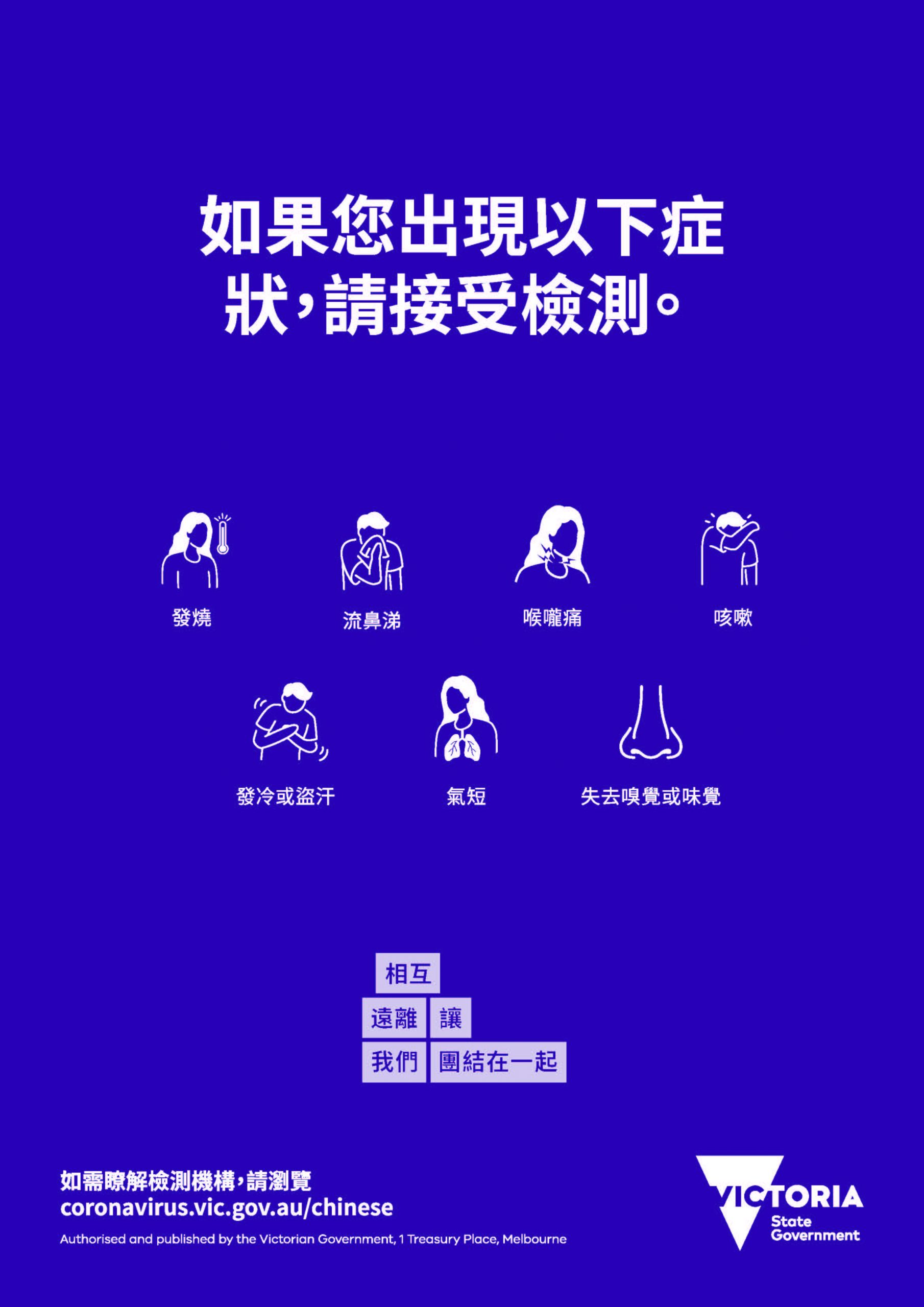
如果您出現以下症狀,請接受檢測。
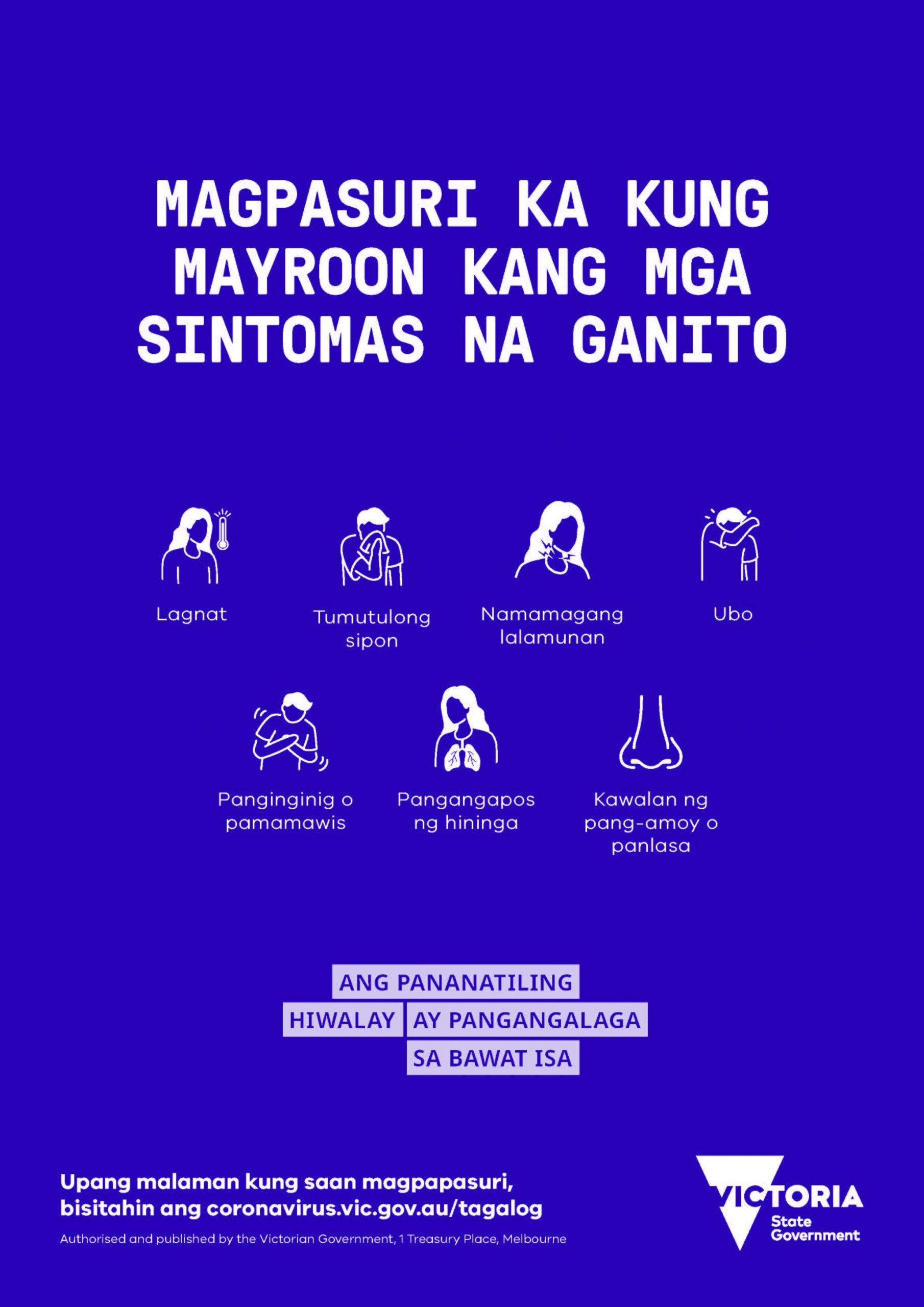
FILIPINO: Kung nakakaranas ka ng mga sumusunod na sintomas, mangyaring subukan.
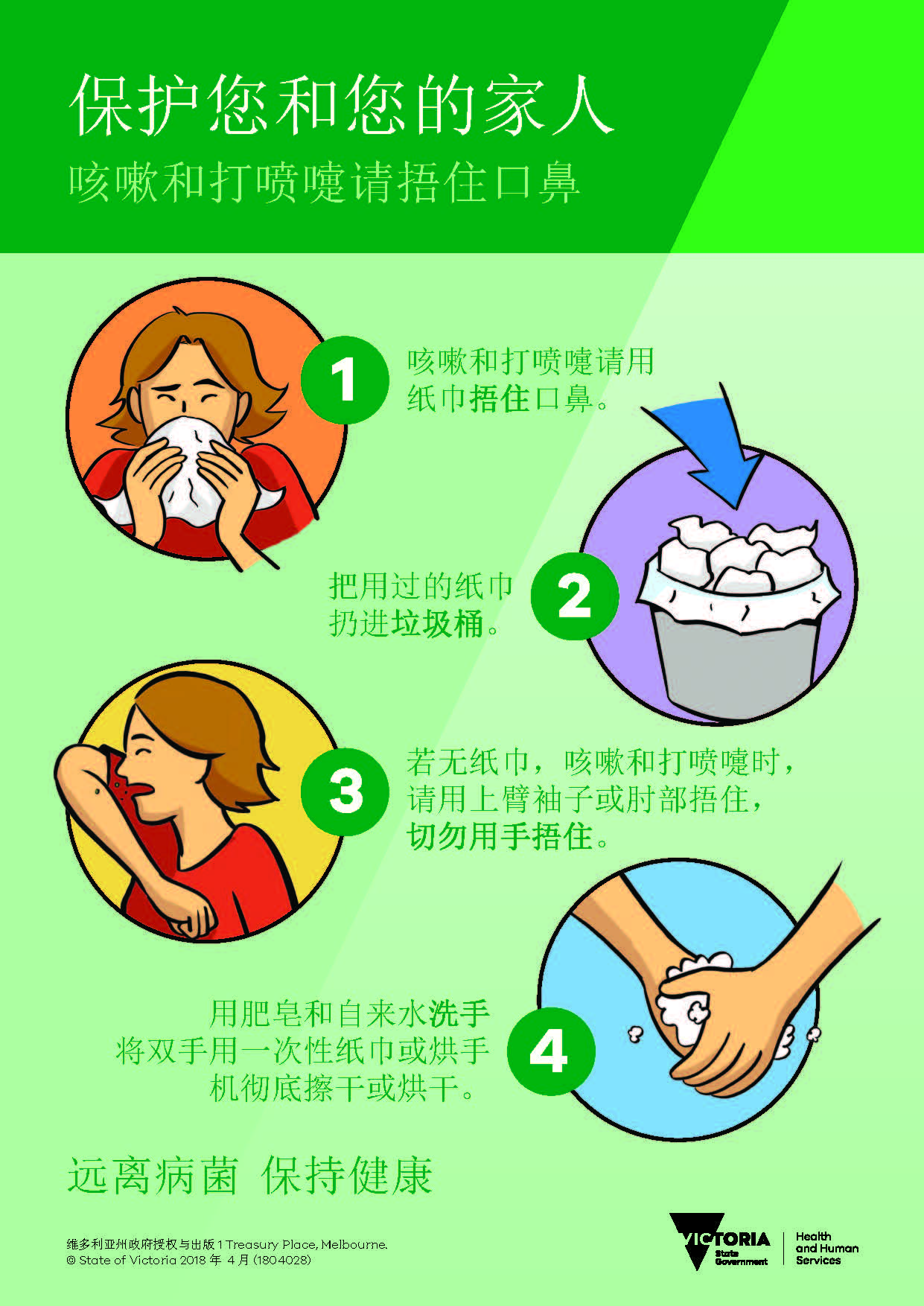
保护您自己和家人 – 咳嗽和打喷嚏时请捂住

How to wear a face mask 怎麼戴口罩
UAE Fully Suspends Trade and Financial Ties with Iran
Victorian Liberal Candidate Counselled Over Volunteer Internship Program

Trump signs order banning “birth tourism” and further restricting birthright citizenship

SpaceX Rocket Debris Hits the Moon, Renewing Concerns Over Space Junk

Australia Sets New Standards for Men’s Behaviour Programs
Trending
-
 Cuisine Explorer6 years ago
Cantonese Mango Sago
-
Uncategorized6 years ago
如果您出現以下症狀,請接受檢測。
-
Tagalog6 years ago
FILIPINO: Kung nakakaranas ka ng mga sumusunod na sintomas, mangyaring subukan.
-
Cantonese - Traditional Chinese6 years ago
保护您自己和家人 – 咳嗽和打喷嚏时请捂住
-
 Uncategorized6 years ago
How to wear a face mask 怎麼戴口罩
-
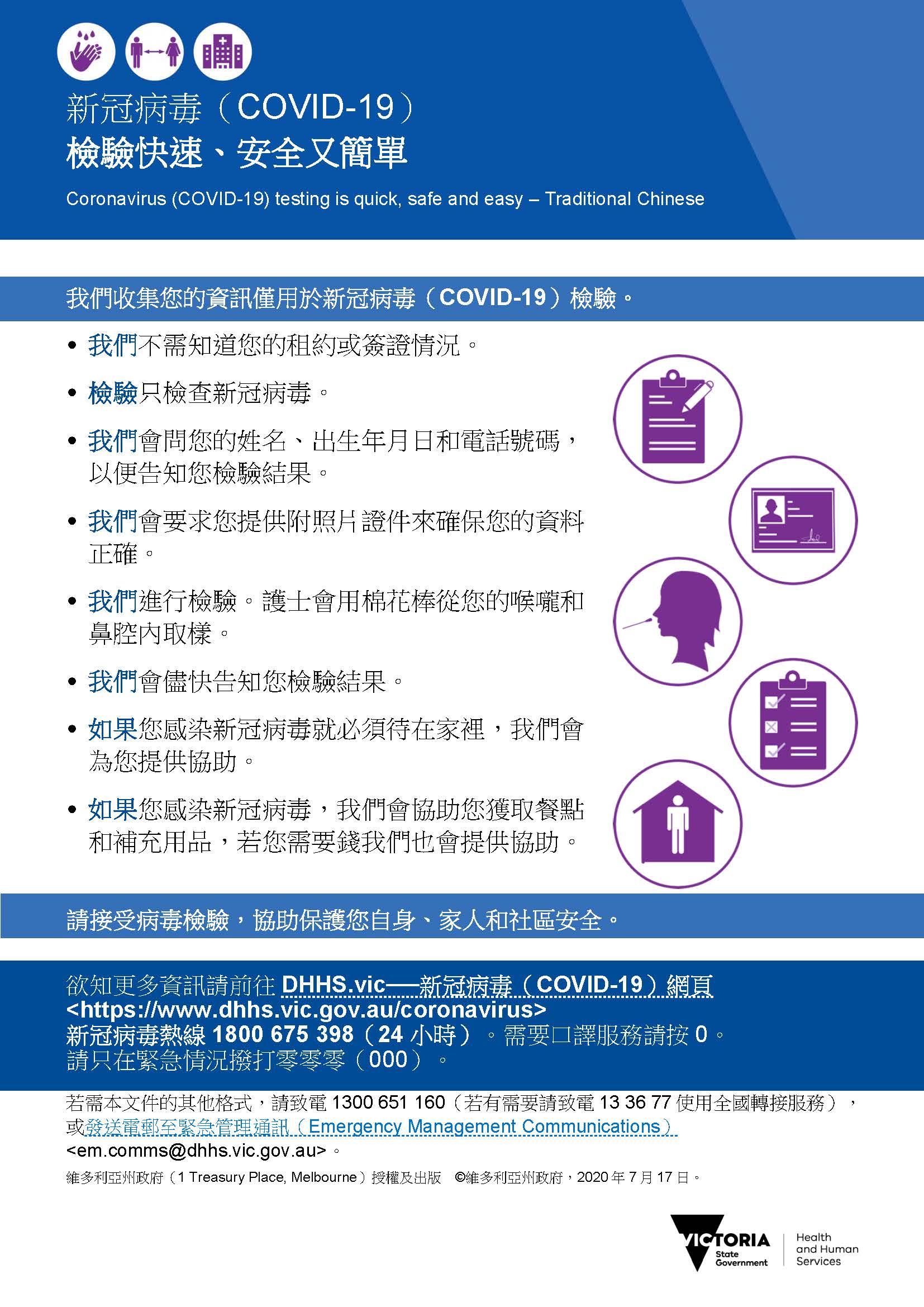 Uncategorized6 years ago
COVID-19 檢驗快速 安全又簡單
-
Uncategorized6 years ago
在最近的 COVID-19 應對行動中, 維多利亞州並非孤單
-
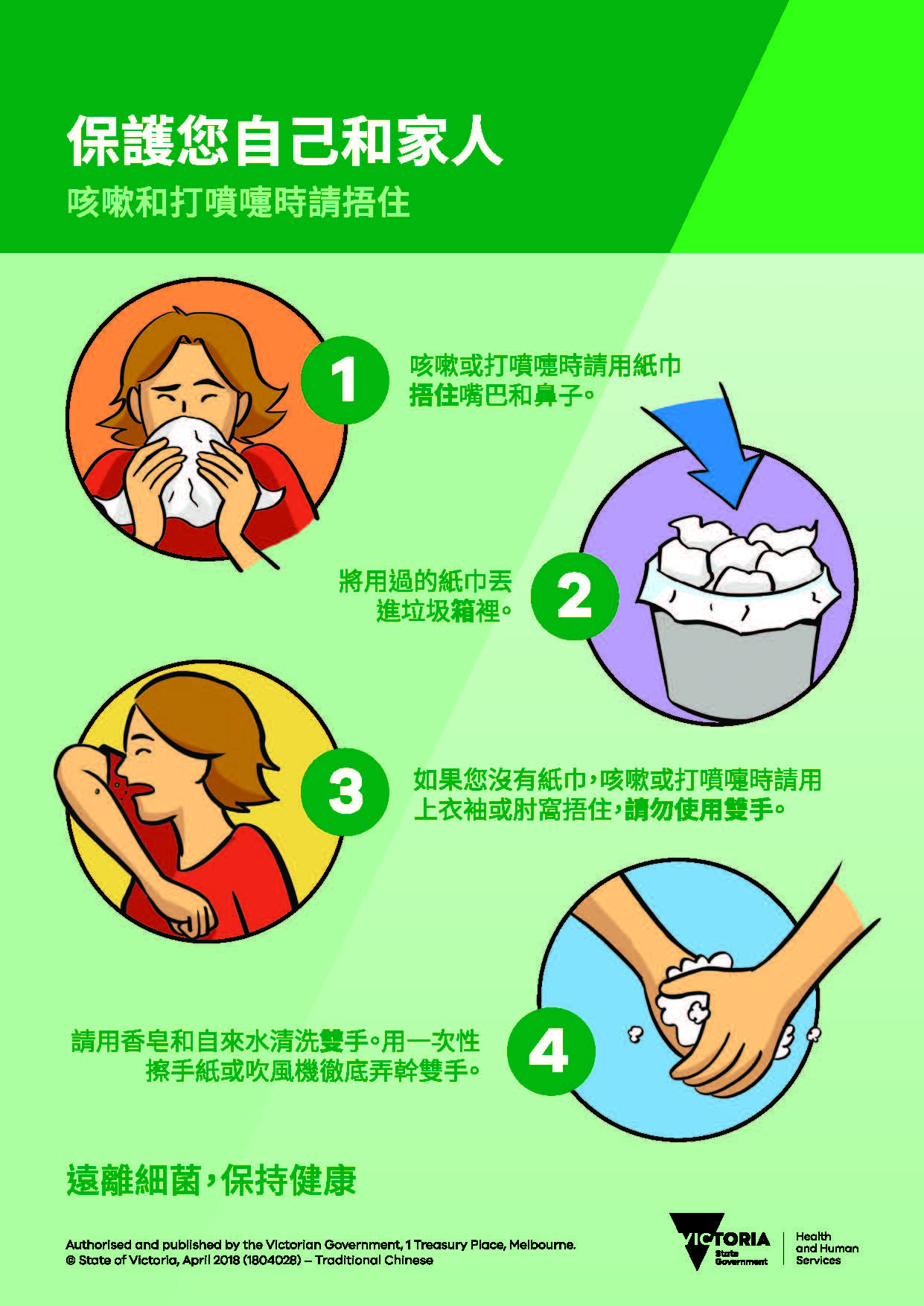 Cantonese - Traditional Chinese6 years ago
保護您自己和家人 – 咳嗽和打噴嚏時請捂住
